Plizio Visual Lab
Polish Plain

Weather…
Water temperature…
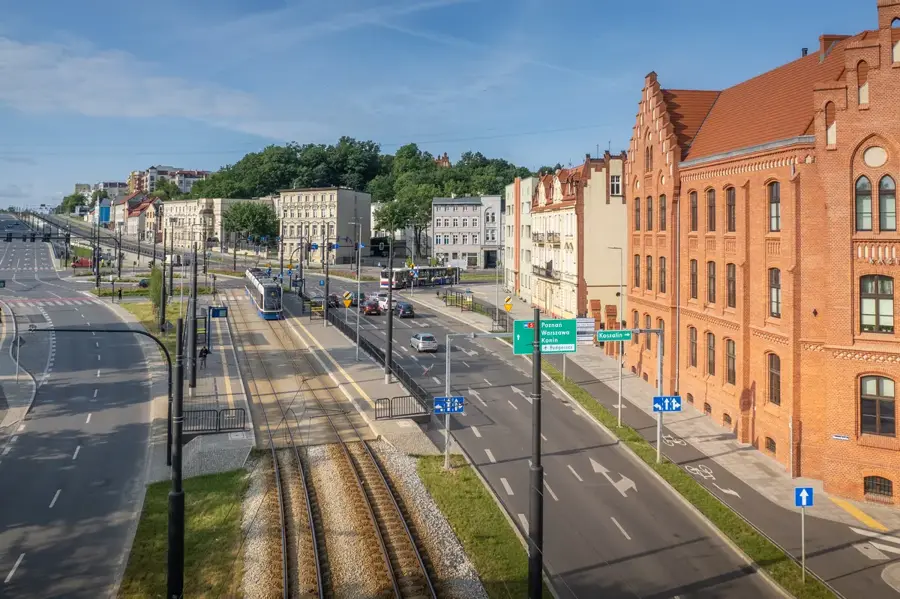
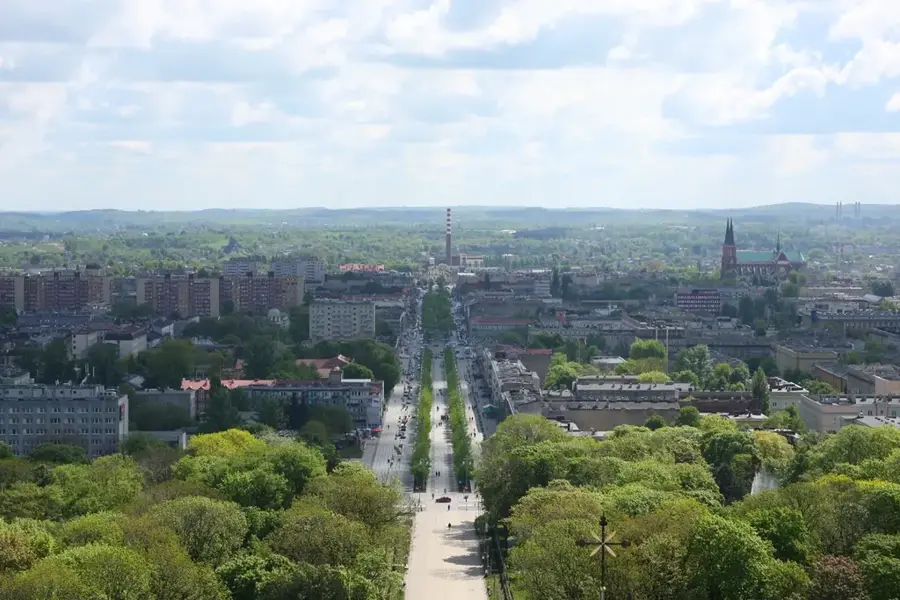
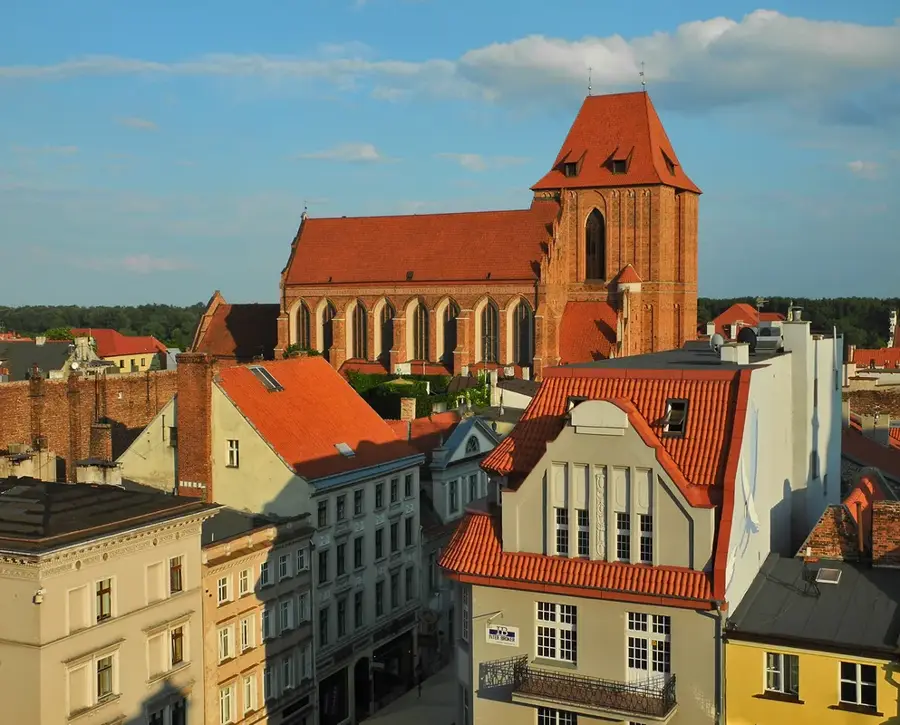
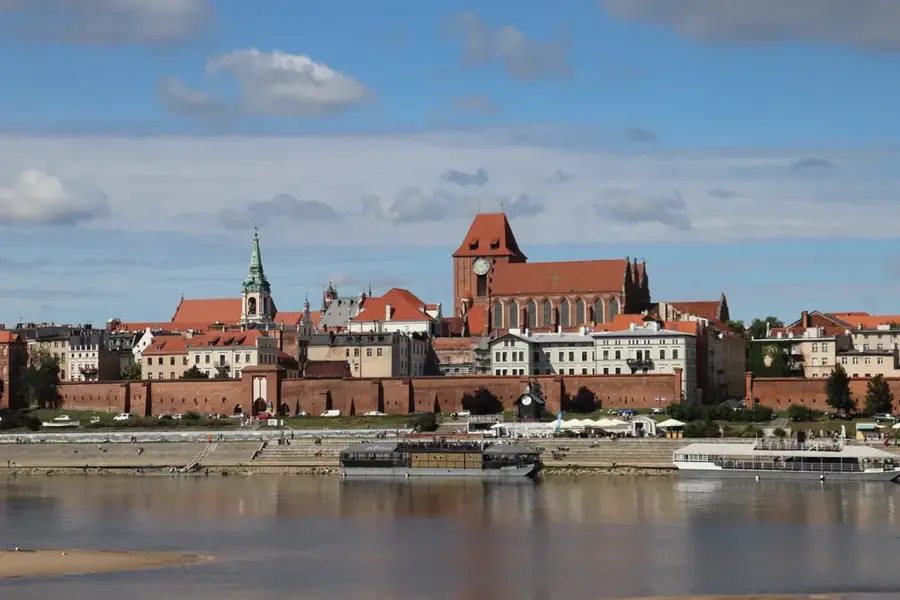
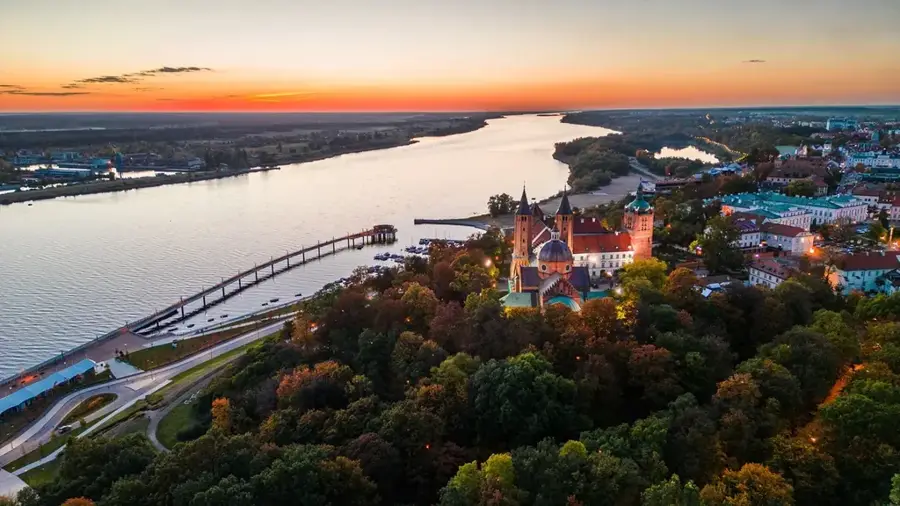
The Polish Plain (Niż Polski) forms the geological and geographical foundation of central and northern Poland and is an integral component of the massive North European Plain. This endless expanse is not a simple, flat board, but a highly complex glacial landscape modeled by the repeated advances of the Scandinavian ice sheets during the Pleistocene epoch. As the kilometer-thick ice caps melted, characteristic landforms were left behind: from the gentle, sandy ground moraines to the undulating terminal moraine hills, and the immense ice-marginal valleys (pradolinas) through which gigantic streams of meltwater flowed westward parallel to the ice margin. Today, these broad ice-marginal valleys provide the natural beds for major rivers such as the Vistula (Wisła), the Warta, and the Noteć. Thanks to the vast areas blanketed by loess and glacial debris, the plain is the absolute agricultural heartland of Poland, its open landscape featuring a patchwork of ancient forests alternating with endless fields of wheat and rapeseed.
- Location: Poland
- Nearby: Gostynin (35 km)
Best time to visit & climate
The most pleasant time to visit is Jun–Aug.
| Jan | Feb | Mar | Apr | May | Jun | Jul | Aug | Sep | Oct | Nov | Dec | |
|---|---|---|---|---|---|---|---|---|---|---|---|---|
| Avg °C | -3 | -1 | 3 | 9 | 14 | 18 | 20 | 20 | 15 | 9 | 4 | -1 |
| Rain mm | 44 | 35 | 38 | 33 | 66 | 62 | 79 | 58 | 49 | 48 | 42 | 44 |
📋 Practical info
Geography
Explore nearby
Notable places around
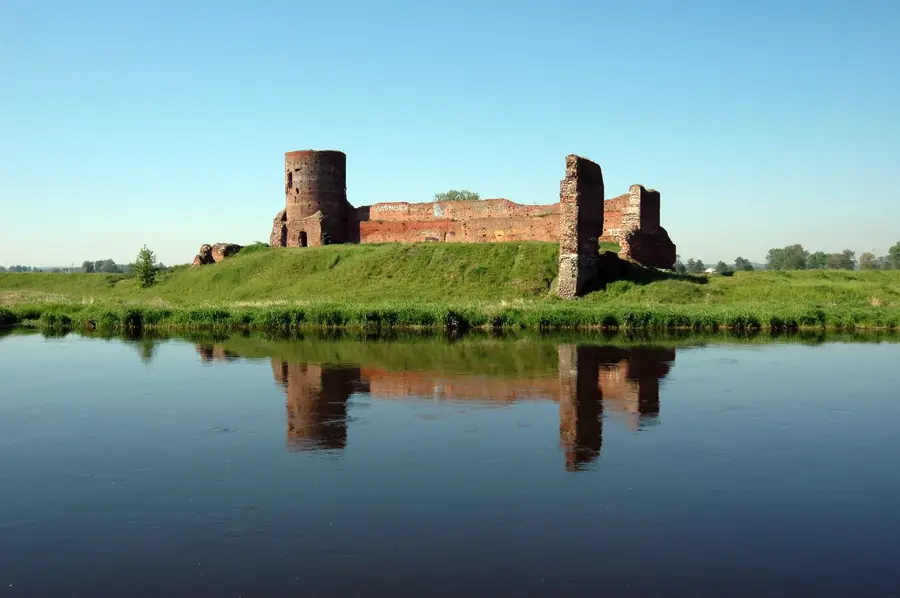
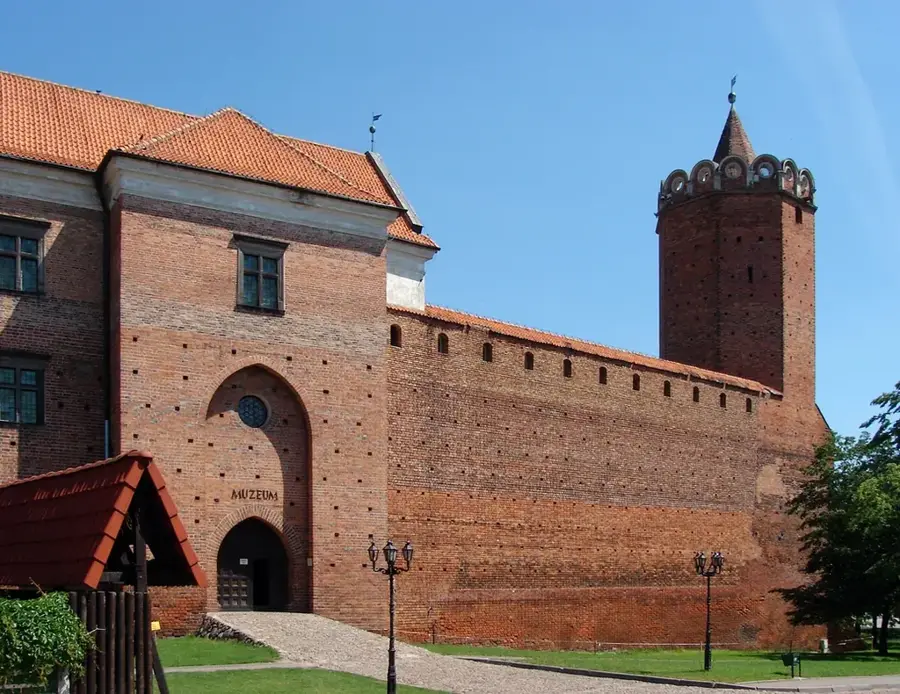
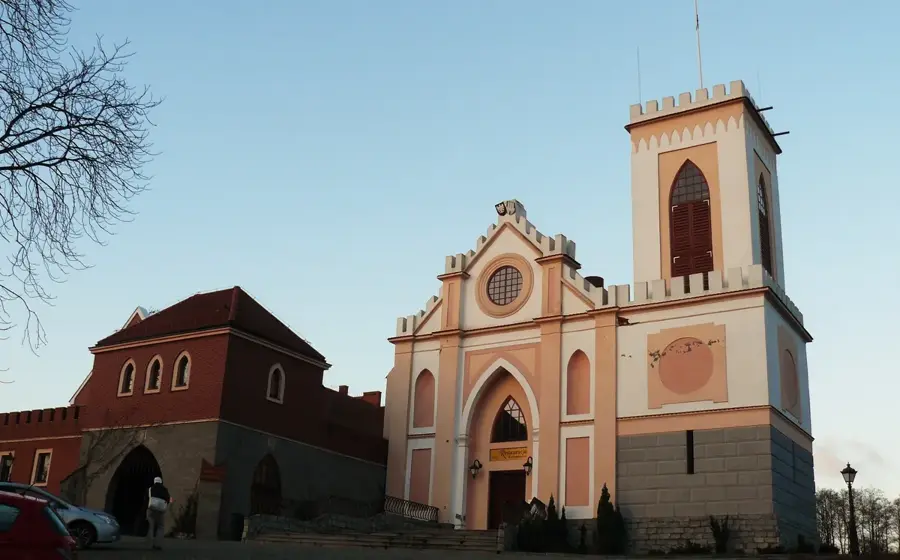
Route planner — Car & Motorhome
Where do you start? We build the route here, with stops and country notes along the way.
© OpenStreetMap contributors · OpenRouteService
Sights in the town Polish Plain (1)
Sights nearby
Frequently asked questions
What is the Polish Lowland?
Which rivers flow through this region?
How is the land used?
Are there any lakes there?
Which large cities are located here?
Polish Plain: where is it located?
Polish Plain: when is the best time to visit?
Polish Plain: why is it worth visiting?

Nearby cities