Plizio Visual Lab
Gniezno Cathedral
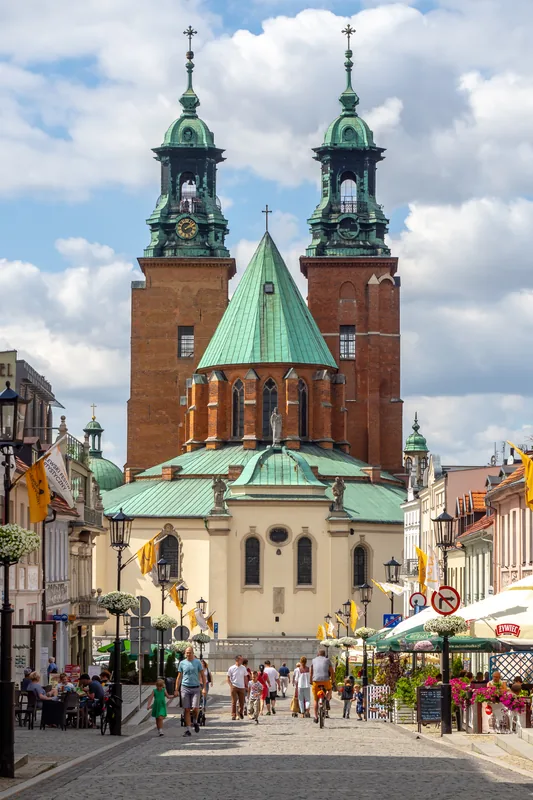
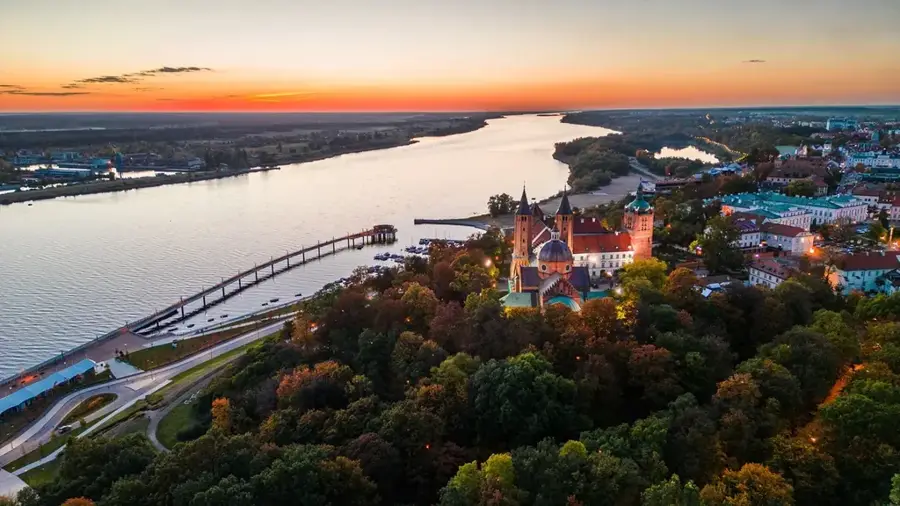
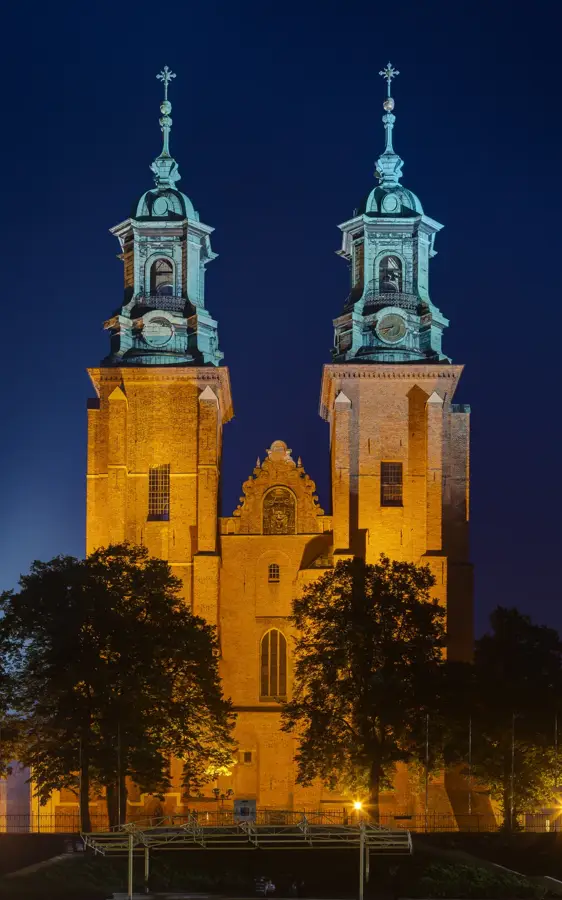
Gniezno Cathedral is the most significant historical religious site in Poland, often referred to as the cradle of the Polish state. Located in the country's first capital, it served as the coronation site for early Polish kings, including Bolesław I the Brave in 1025. A defining moment was the Congress of Gniezno in 1000 AD, where Emperor Otto III recognized Poland's sovereignty and established its first archbishopric. The cathedral's most famous treasure is the Gniezno Doors, bronze Romanesque reliefs from 1175 depicting the life of Saint Adalbert. The present Gothic structure largely dates from the 14th century, built atop earlier Romanesque and pre-Romanesque foundations. At the heart of the cathedral stands the silver reliquary of Saint Adalbert, a destination for pilgrims for over a millennium. As the seat of the Primate of Poland, the cathedral continues to play a central role in the nation's spiritual and historical identity.
- Location: Poland
- Top sights: Pałac Biskupi · Gniezno Doors · Wieża Katedralna 55m
- Nearby: Września (24 km)
Best time to visit & climate
The most pleasant time to visit is Jun–Aug.
| Jan | Feb | Mar | Apr | May | Jun | Jul | Aug | Sep | Oct | Nov | Dec | |
|---|---|---|---|---|---|---|---|---|---|---|---|---|
| Avg °C | -3 | -1 | 3 | 9 | 14 | 18 | 20 | 20 | 15 | 9 | 4 | 0 |
| Rain mm | 47 | 36 | 40 | 32 | 60 | 61 | 77 | 61 | 47 | 47 | 42 | 46 |
📋 Practical info
Geography
Facts
- Site of the first Polish royal coronation in 1025
- The Romanesque Gniezno Doors date back to around 1175
- Houses the silver reliquary of Saint Adalbert, patron of Poland
- The Congress of Gniezno was held here in the year 1000
- Five Polish kings were crowned within its walls
- It is the official seat of the Primate of the Catholic Church in Poland
Explore nearby
Notable places around

Route planner — Car & Motorhome
Where do you start? We build the route here, with stops and country notes along the way.
© OpenStreetMap contributors · OpenRouteService
Sights in the town Gniezno Cathedral (10)
Wzgórze Lecha
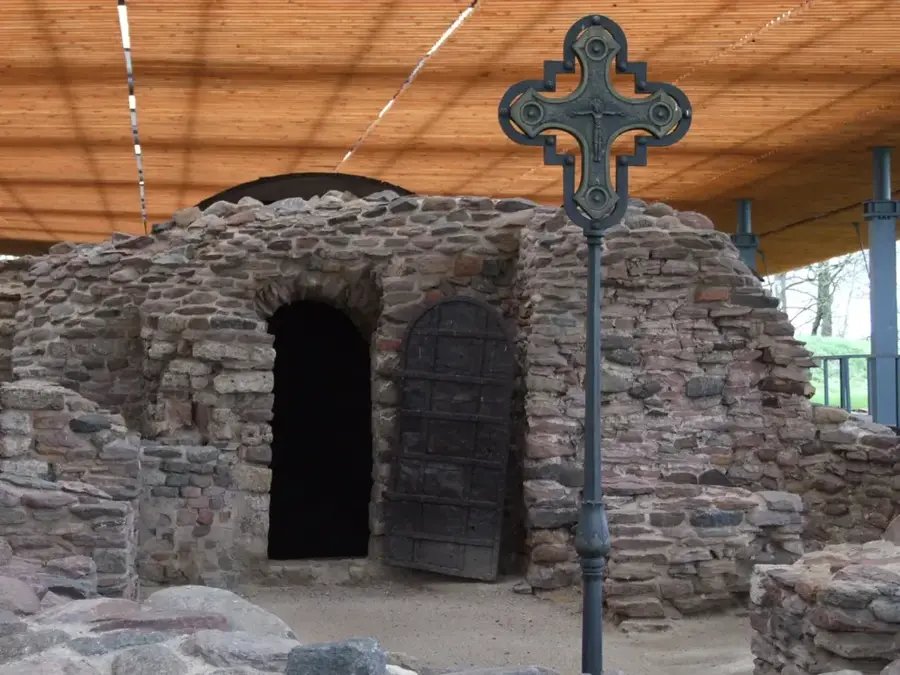
Mountain in Poland, a legendary hill, founding site of the city of Gniezno.
Kolegiata pw. św. Jerzego⛪ church
Church building in Gniezno, former collegiate church from the 14th century.
Muzeum Archidiecezjalne🏛 museum
Diocesan museum displaying religious art and liturgical objects.
Kościół pw. Świętej Trójcy⛪ church
Roman Catholic church in Gniezno, a 17th-century Baroque building.
Pozostołość po murach miejskich
Remnants of Gniezno's medieval city wall, partially preserved sections.
Napis GNIEZNO
GNIEZNO sign in large letters, placed as a photo spot.
Sights nearby
Frequently asked questions
What is the most precious object in the cathedral?
Where do St. Adalbert's relics rest?
Can I climb the cathedral tower?
Why is Gniezno so important for Poland?
Is there a museum?
Gniezno Cathedral: where is it located?
Gniezno Cathedral: what is there to see?
Gniezno Cathedral: when is the best time to visit?
Gniezno Cathedral: why is it worth visiting?

Nearby cities