Plizio Visual Lab
Gniezno Cathedral Complex
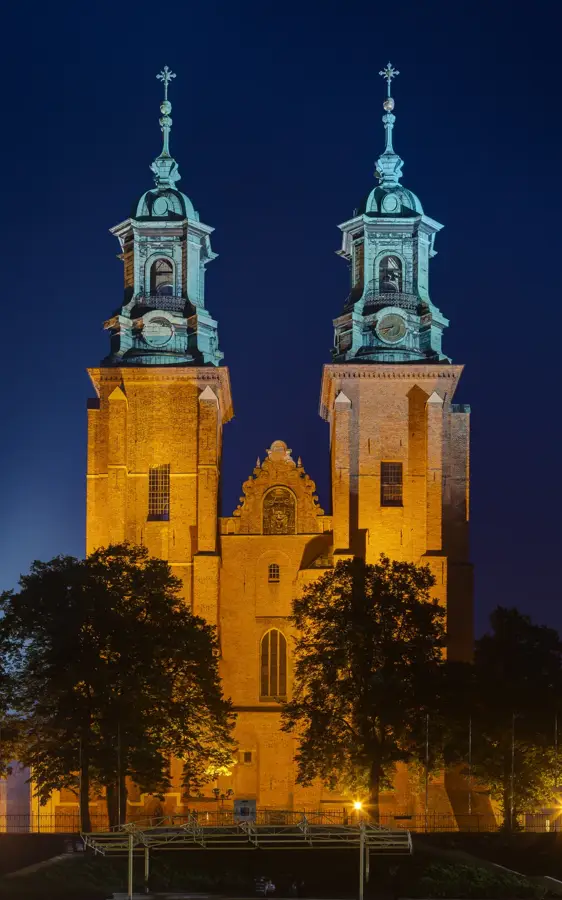
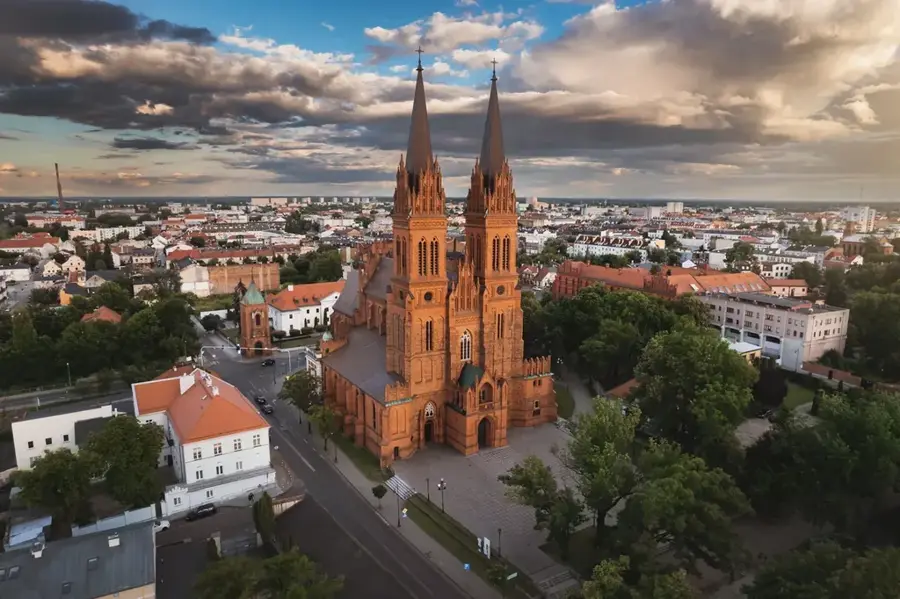
The Gniezno Cathedral Complex is widely regarded as the cradle of the Polish state and stands as one of the nation's most significant religious monuments. The current Gothic cathedral largely dates from the 14th and 15th centuries, though it is built upon the foundations of earlier pre-Romanesque and Romanesque churches. Gniezno served as the coronation site for the first five kings of Poland, starting with Bolesław I the Brave in 1025. Inside the cathedral lies the silver shrine containing the relics of Saint Adalbert, the patron saint of Poland, whose life and martyrdom are depicted on the famous 12th-century bronze Gniezno Doors. These doors are among the finest examples of Romanesque metalwork in Europe. The complex also encompasses the Archiepiscopal Palace and several historic canons' houses. As the seat of the Primate of Poland, the cathedral remains a central pillar of Polish ecclesiastical history and national identity.
- Location: Poland
- Top sights: Kościół pw.Świętego Wawrzyńca · Pozostołość po murach miejskich · Kościół pw. Świętej Trójcy
- Nearby: Września (23 km)
Best time to visit & climate
The most pleasant time to visit is Jun–Aug.
| Jan | Feb | Mar | Apr | May | Jun | Jul | Aug | Sep | Oct | Nov | Dec | |
|---|---|---|---|---|---|---|---|---|---|---|---|---|
| Avg °C | -3 | -1 | 3 | 9 | 14 | 18 | 20 | 20 | 15 | 9 | 4 | 0 |
| Rain mm | 47 | 36 | 40 | 32 | 60 | 61 | 77 | 61 | 47 | 47 | 42 | 46 |
📋 Practical info
Geography
Facts
- Five Polish kings were crowned in this cathedral between 1025 and 1295.
- The famous bronze Gniezno Doors date back to approximately 1175.
- The silver shrine of Saint Adalbert was crafted in 1662 by Peter von der Rennen.
- The Archdiocese of Gniezno was established in the year 1000 during the Congress of Gniezno.
- The cathedral measures 85 meters in length and 38 meters in width.
- The towers of the cathedral reach an approximate height of 80 meters.
Explore nearby
Notable places around
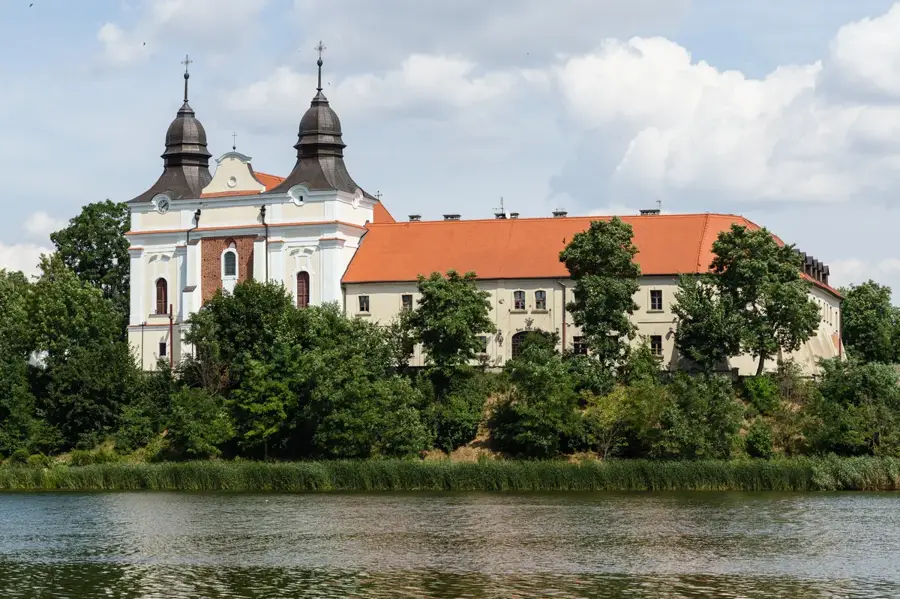
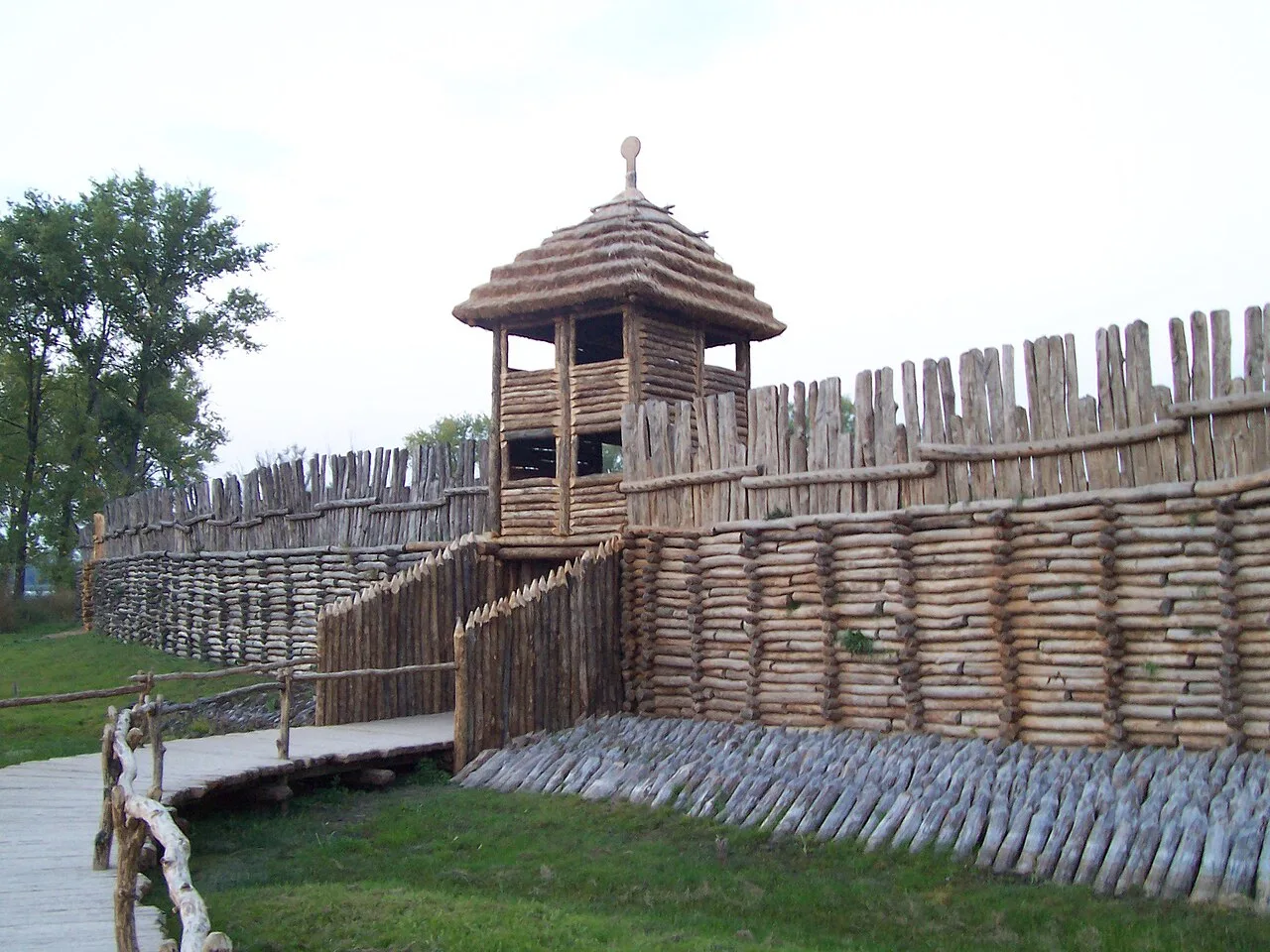

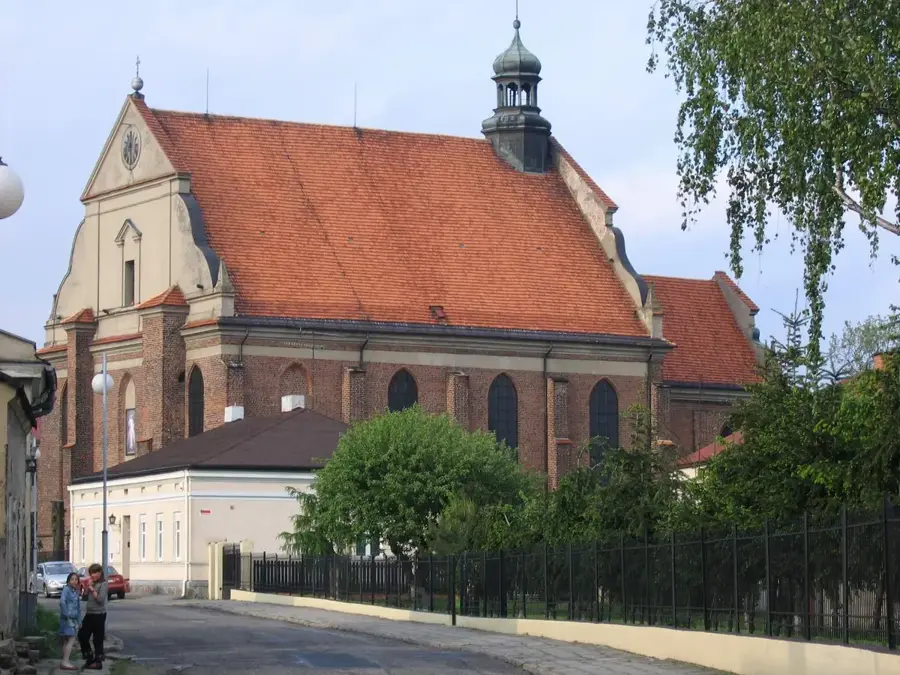
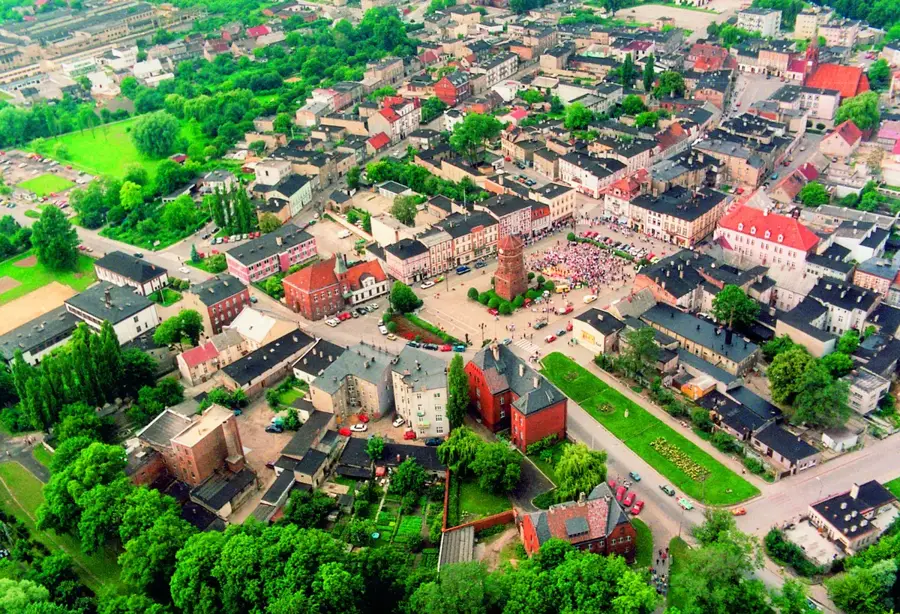
Route planner — Car & Motorhome
Where do you start? We build the route here, with stops and country notes along the way.
© OpenStreetMap contributors · OpenRouteService
Sights in the town Gniezno Cathedral Complex (9)
Kościół pw. Wniebowzięcia Najświętszej Maryi Panny⛪ church
Church building in Gniezno, Poland, dedicated to the Assumption of the Virgin Mary.
Teatr im Aleksandra Fredry
Theatre in Gniezno, named after Polish comedy playwright Aleksander Fredro.
Gniezno Doors
Bronze doors at Gniezno Cathedral in Poland, Romanesque art from the 12th century.
Wieża Katedralna 55m
Viewpoint tower at Gniezno Cathedral, 55 meters high, provides panoramic city views.
Aleksander Fredro
Monument to Aleksander Fredro, Polish comedy playwright, in Gniezno.
Sights nearby
Frequently asked questions
Why is Gniezno Cathedral so important?
What are the 'Gniezno Doors'?
In what architectural style is the cathedral built?
Can the towers be visited?
Is there a museum in the complex?
Gniezno Cathedral Complex: where is it located?
Gniezno Cathedral Complex: what is there to see?
Gniezno Cathedral Complex: when is the best time to visit?
Gniezno Cathedral Complex: why is it worth visiting?

Nearby cities