Plizio Visual Lab

Bosque de Pómac Historical Sanctuary
Plizio editorial teamData Sources
Animal habitat
—°7
Bosque de Pómac Historical Sanctuary (Peru)

Weather…

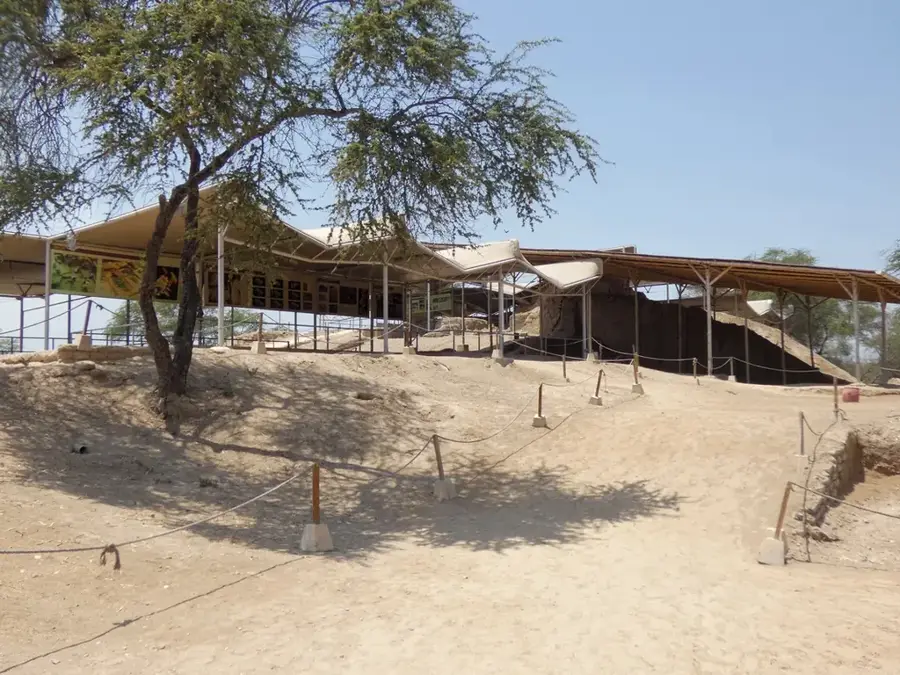
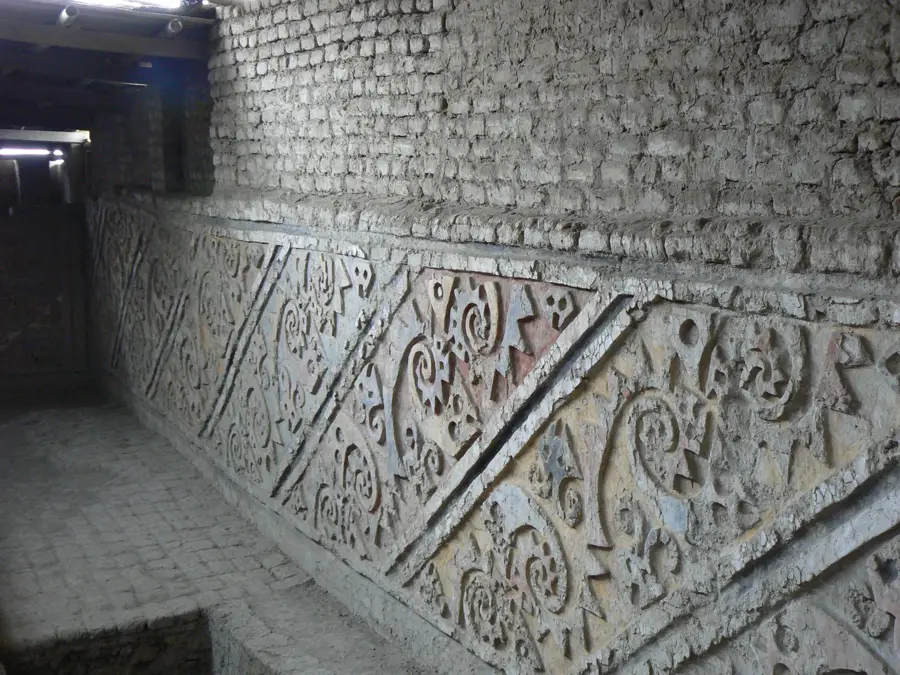
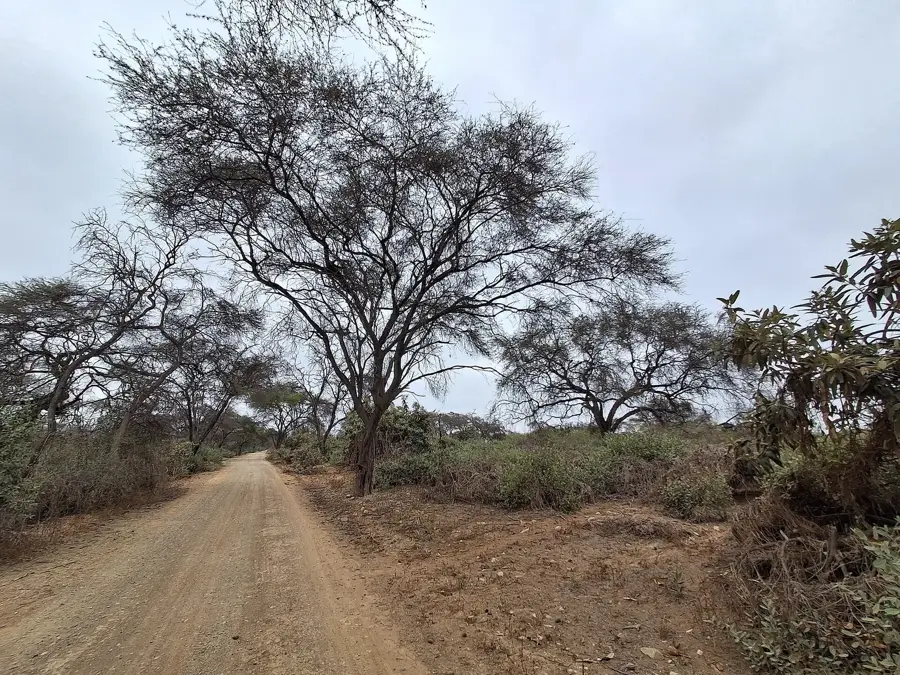
The Bosque de Pómac Historic Sanctuary, located in the Lambayeque region, is a unique combination of natural beauty and archaeological mystery. It protects the largest and most dense forest of ancient 'Algarrobo' trees (carob) in the world, a dry tropical forest that was once the sacred heart of the Sicán (Lambayeque) culture. Set among the twisted, centuries-old trees are 36 massive adobe pyramids, including Huaca Loro, where extraordinary gold treasures like the Sicán Tumi were discovered. The sanctuary is a haven for birdwatchers, with over 100 species of birds, many of which are endemic to the Tumbesian dry forest. Exploring Pómac by bike or on horseback gives a journey through a landscape where ancient history and a rare ecosystem are perfectly preserved.

Best time to visit & climate

The most pleasant time to visit is Jul–Sep.

JanFebMarAprMayJunJulAugSepOctNovDec
Avg °C252626242322212121212123
Rain mm81428941112676

📋 Practical info

📅
Best season
The optimal time to visit this dry forest is typically between May and December, when the weather is generally cooler and drier. These conditions often encourage local wildlife to congregate around remaining water sources, aiding observation.
🌅
Best time of day
Early morning hours are excellent for birdwatching and observing mammals before the intense midday heat sets in. The hours just prior to sunset also provide cooler temperatures and increased animal activity among the algarrobo trees.
📜
Etiquette
It is essential to respect the boundaries of both the natural habitats and the ancient archaeological sites located within the sanctuary. Never disturb the vegetation, maintain a safe distance from wildlife, and avoid making loud noises.
🎒
What to bring
Breathable, long-sleeved clothing is advisable to protect against the sun and potential insect bites in the dry environment. Sunscreen, a wide-brimmed hat, and plenty of drinking water are absolutely necessary for a comfortable visit here.
🧭
Getting there
The sanctuary is usually accessed from the city of Chiclayo, which serves as a major transport hub for the northern region. Local taxis or organized tours frequently offer convenient transportation directly to the main visitor entrances.
🦌
What to expect
While the dry forest may seem quiet at first glance, careful observation will reveal a diverse array of endemic species adapted to the harsh conditions. Focus your attention on the trees and underbrush, waiting patiently for subtle movements.

Geography

Coordinates
-6.48330, -79.76660

Facts

  • Located in the Ferreñafe province of Lambayeque, established as a sanctuary in 2001.
  • Protects over 5,800 hectares of the world's largest 'Algarrobal' dry forest.
  • Contains 36 adobe pyramids belonging to the Sicán culture (900-1100 AD).
  • The Sicán Lord's tomb, found at Huaca Loro, contained over 1 ton of gold and silver objects.
  • The 'Ancient Tree' (Árbol Milenario) is a massive carob tree estimated to be over 500 years old.
  • A primary birdwatching spot for the rare Peruvian Plantcutter and the Rufous Flycatcher.
  • The Algarrobo tree is essential for the production of 'Algarrobina', a traditional Peruvian syrup.
  • The sanctuary is a critical site for the study of pre-Inca metallurgy and architecture.

Explore nearby

Notable places around

Route planner — Car & Motorhome

Where do you start? We build the route here, with stops and country notes along the way.

Vehicle
Only stops with (optional):

© OpenStreetMap contributors · OpenRouteService

Sights in the town Bosque de Pómac Historical Sanctuary (7)

Soledad🏺 historical

An ancient archaeological ruin hidden within the dry equatorial forest of Bosque de Pómac.

El Paraiso📍 landmark

A scenic natural spot offering a glimpse into the rich biodiversity and ancient history of the Bosque de Pómac.

Milenarium tree📍 landmark

A majestic, ancient carob tree standing as a prominent natural landmark in the Bosque de Pómac.

Centro de Interpretacion🏛 museum

A visitor center and museum explaining the unique dry forest ecosystem and Sicán cultural heritage of Bosque de Pómac.

Mirador Salinas🌿 nature

An elevated observation deck providing sweeping views over the extensive dry carob forests of Bosque de Pómac.

De la Cruz🏺 historical

A historic archaeological excavation site located amidst the dense dry vegetation of Bosque de Pómac.

Merced🏺 historical

Pre-Columbian earthen ruins concealed within the protected dry forest environment of Bosque de Pómac.

Sights nearby

Frequently asked questions

What makes Bosque de Pómac so special?
It is the largest dry forest of its kind in the world and home to significant Inca ruins.
Are there guided tours of the ruins?
Yes, guided tours are offered that explain both the nature and the archaeological sites.
Is it safe to explore the forest alone?
It is recommended to stick to the designated paths or hire a guide.
How is the weather in the dry forest?
It is warm and dry year-round, so you should always have enough water with you.
What animals can you observe there?
You can see many bird species there, such as the magnificent royal flycatcher.
Bosque de Pómac Historical Sanctuary: where is it located?
Bosque de Pómac Historical Sanctuary is located in Peru.
Bosque de Pómac Historical Sanctuary: what is there to see?
Highlights include Soledad, El Paraiso, Milenarium tree.
Bosque de Pómac Historical Sanctuary: when is the best time to visit?
The most pleasant time to visit is Jul, Sep.
Bosque de Pómac Historical Sanctuary: why is it worth visiting?
The Bosque de Pómac Historic Sanctuary, located in the Lambayeque region, is a unique combination of natural beauty and archaeological mystery.
View on map → The Top 50 Attractions → OpenStreetMap →
South America
Explore with Plizio Discover more places in South America
More places in Peru →

Nearby cities

History & landmarks
More places