Plizio Visual Lab
Naranjal
ℹ️Practical info — Naranjal
▾
🌤 Weather — 5 days
📍 Nearby
Sights nearby
💡 Tips
- Plan your visit to the Churute hot springs for the early morning to avoid the largest crowds.
- Wear sturdy shoes and bring plenty of insect repellent when going on excursions to indigenous communities.
- Use the local open-air buses (rancheras) for short trips to the nearby nature reserves; they are cheap and authentic.
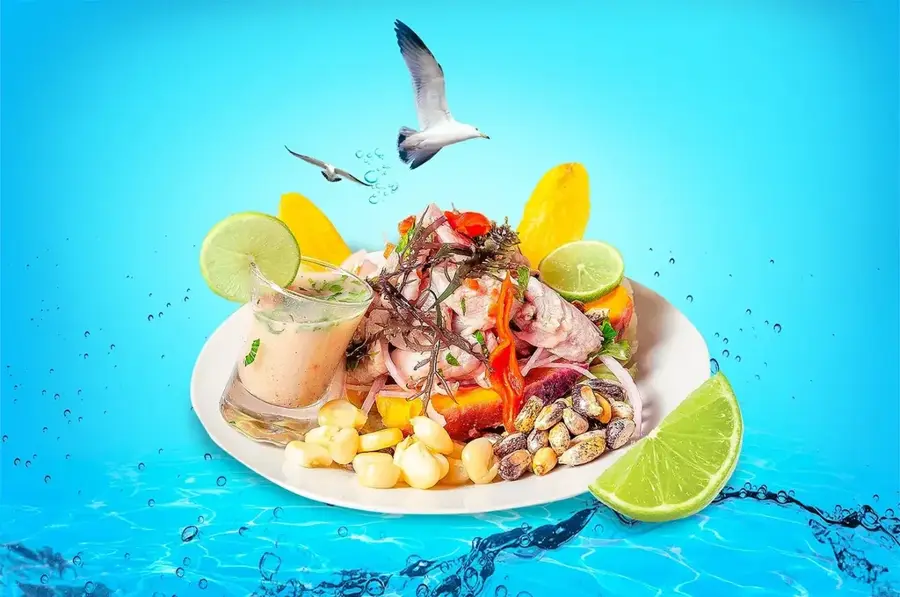
- Try fresh crabs straight from roadside stalls or the local market, Naranjal is known for its excellent seafood.
🍽 Food
Try this typical crab dish at the rustic seafood restaurants in the city center.
Buy fresh cacao products directly from the surrounding fincas or at the local Sunday market.
Get this hearty plantain dumpling for breakfast at the food stalls around the main square.
🛍 Shopping · 🧘 Quiet spots
This is where you will find the freshest crabs and a wide selection of local fruits and vegetables.
Ask for homemade chocolate directly at the end of plantation tours, it makes a great souvenir.
Rent a small boat (lancha) to peacefully observe the mangrove forests and water birds.
A forested hill near Naranjal, good for quiet hikes with views across the green plains.
Water temperature…
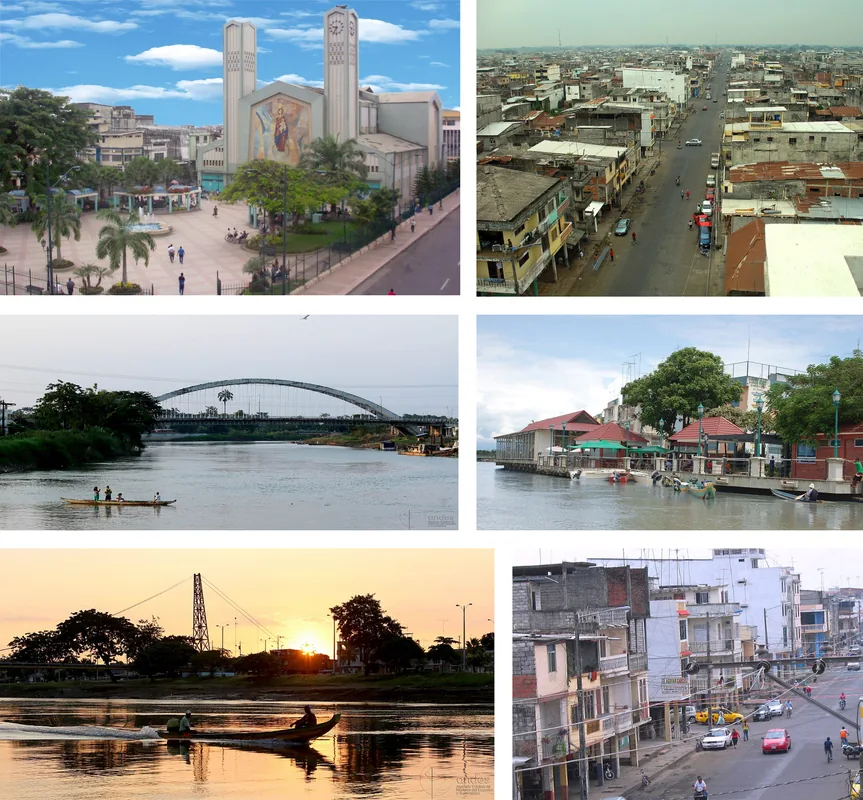
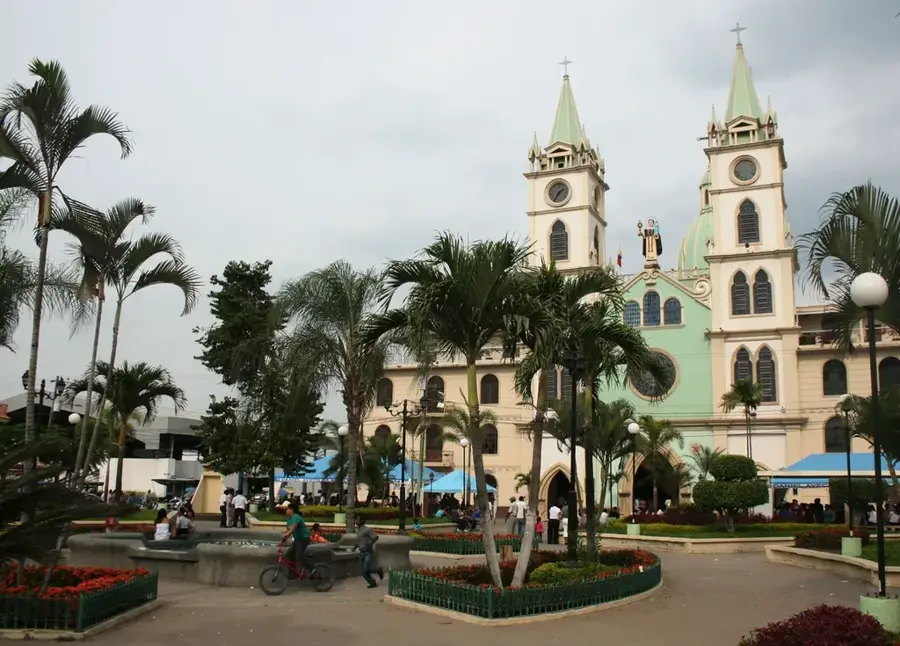
Naranjal is a strategically vital city in the southern part of Guayas Province, serving as a primary link between the coastal and highland regions. The city is internationally recognized for its extraordinary abundance of natural resources, specifically cocoa, bananas, and the famous red crabs (cangrejo rojo) harvested from the nearby mangroves. Geographically, Naranjal is positioned on the edge of the Manglares Churute Ecological Reserve, one of Ecuador's most significant wetland ecosystems. The town's history is deeply intertwined with cocoa production, hosting some of the country's oldest and most traditional plantations. In addition to agriculture and fishing, ecotourism is a burgeoning sector, highlighted by local hot springs and waterfalls such as those in the Shuar community. Naranjal was elevated to a canton on November 7, 1960, and has since evolved into a dynamic commercial hub. Its local gastronomy, centered on crab-based dishes, attracts thousands of visitors from across the region every week. The city maintains a robust cultural identity characterized by a blend of coastal farming traditions and a commitment to preserving its unique mangrove environments.
- Location: Ecuador
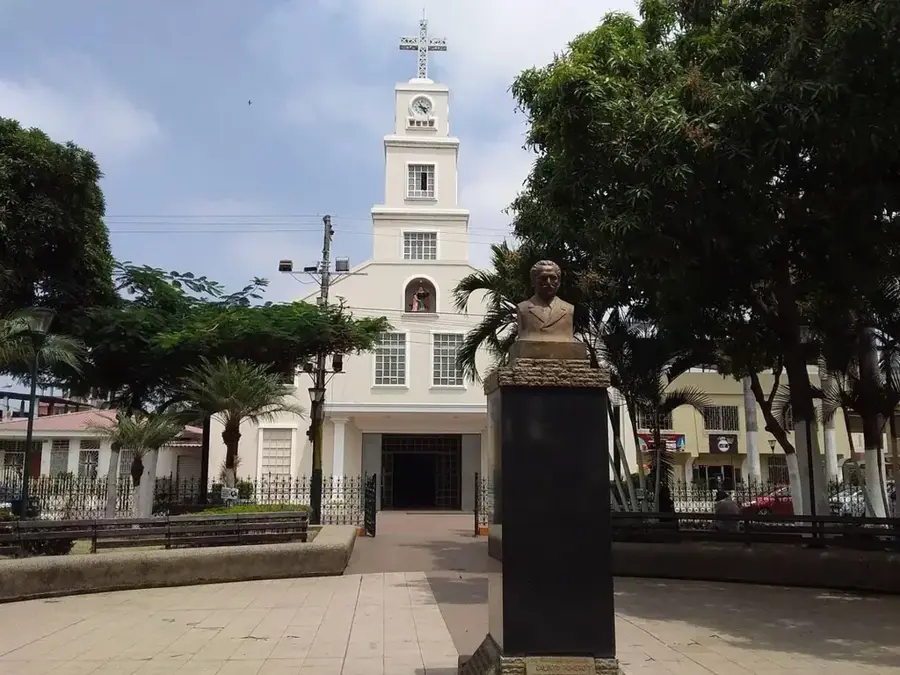
- Top sights: Arco del inca · Arco inspiración del poeta
- Nearby: Milagro (11 km)
- Population: ~32.045 (2024)
Best time to visit & climate
The most pleasant time to visit is Jul–Sep.
| Jan | Feb | Mar | Apr | May | Jun | Jul | Aug | Sep | Oct | Nov | Dec | |
|---|---|---|---|---|---|---|---|---|---|---|---|---|
| Avg °C | 21 | 21 | 21 | 21 | 21 | 21 | 22 | 22 | 22 | 22 | 21 | 21 |
| Rain mm | 98 | 151 | 167 | 109 | 54 | 31 | 20 | 17 | 18 | 33 | 38 | 41 |
Geography
Facts
- Internationally famous for its red crab harvesting
- Officially became a canton on November 7, 1960
- Gateway to the Manglares Churute Ecological Reserve
- Features significant thermal springs and waterfalls
- Key hub for cocoa production since colonial times
- Strategic commercial point between Guayaquil and Machala
Explore nearby
Notable places around


Route planner — Car & Motorhome
Where do you start? We build the route here, with stops and country notes along the way.
© OpenStreetMap contributors · OpenRouteService
Sights in the town Naranjal (2)
Frequently asked questions
What is Naranjal famous for?
What nature reserves are nearby?
Are there thermal springs in Naranjal?
What should you definitely eat in Naranjal?
How is the tourist infrastructure?
Naranjal: where is it located?
Naranjal: what is there to see?
Naranjal: when is the best time to visit?
Naranjal: why is it worth visiting?
Nearby cities



History & landmarks




Nature
More places