Plizio Visual Lab

Otishi National Park
Plizio editorial teamData Sources
Forest
—°
Otishi National Park (Peru)

Weather…

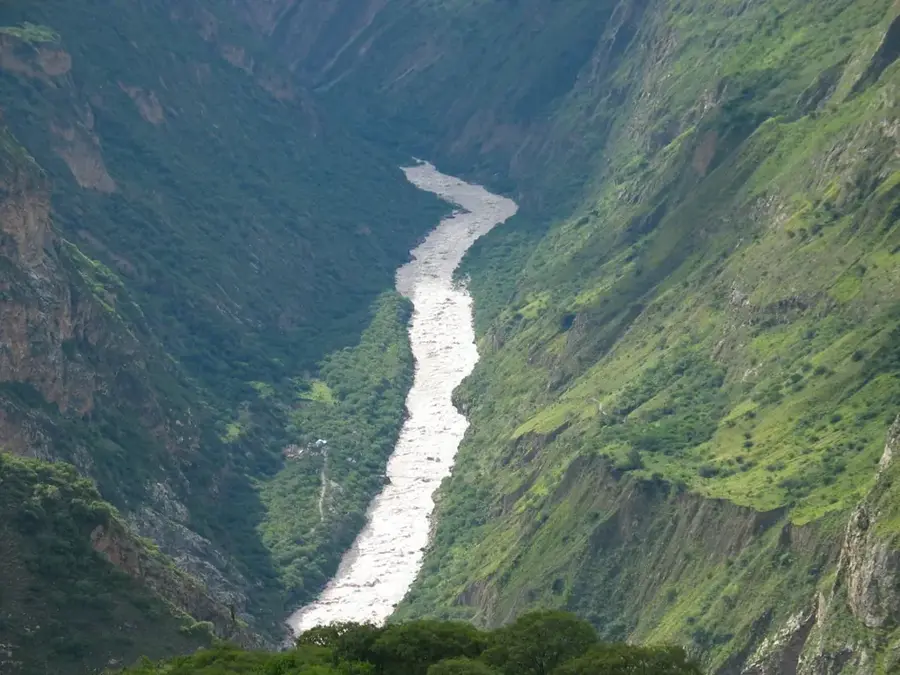
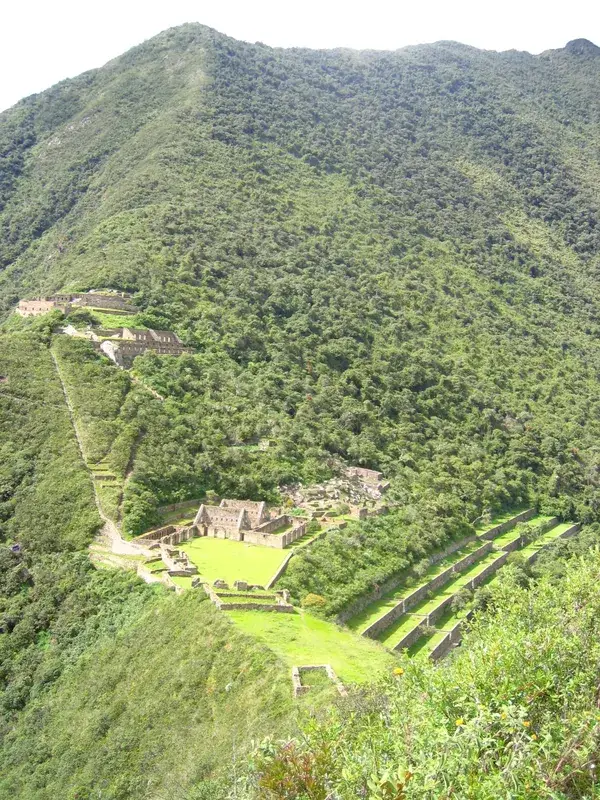
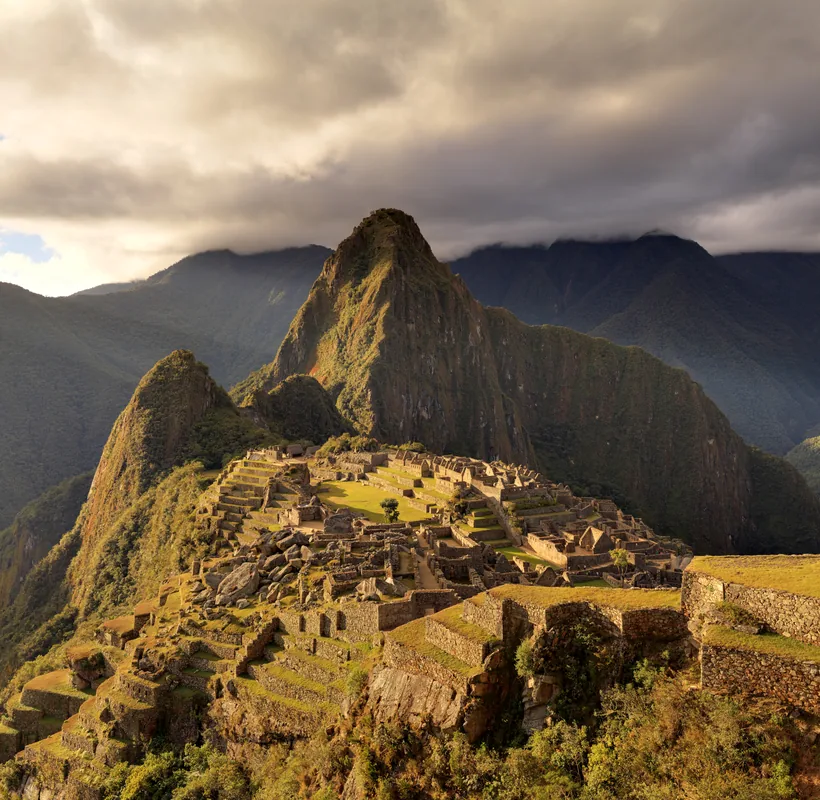
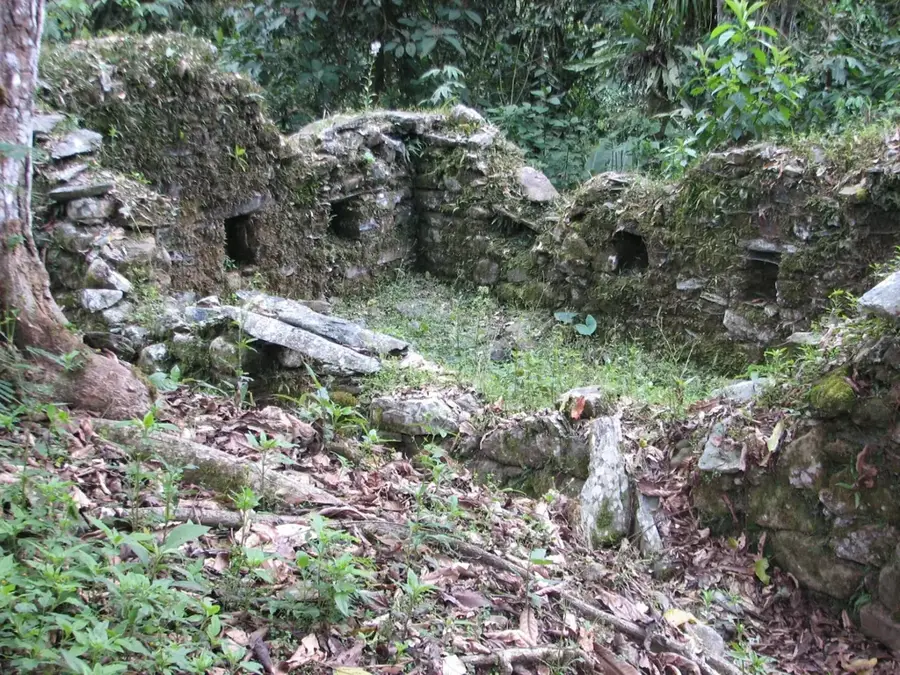
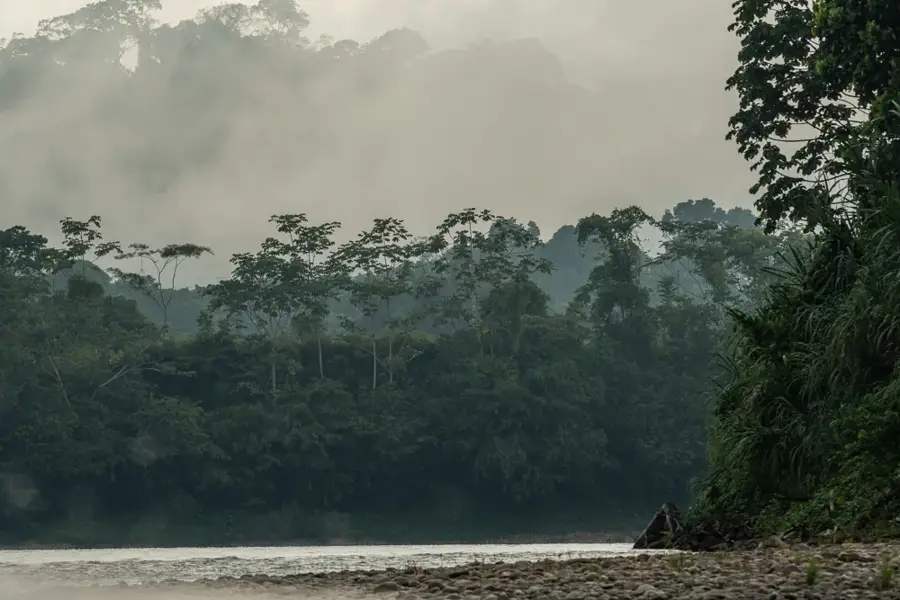
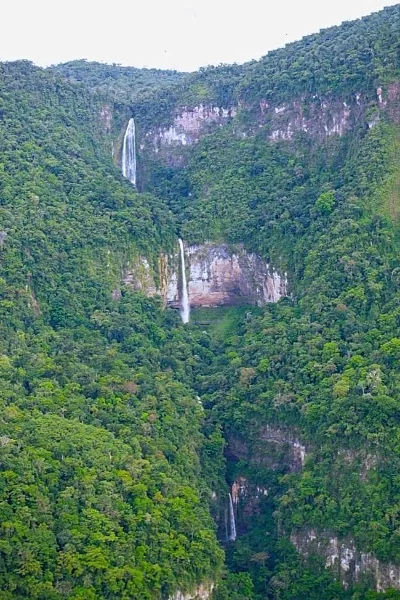
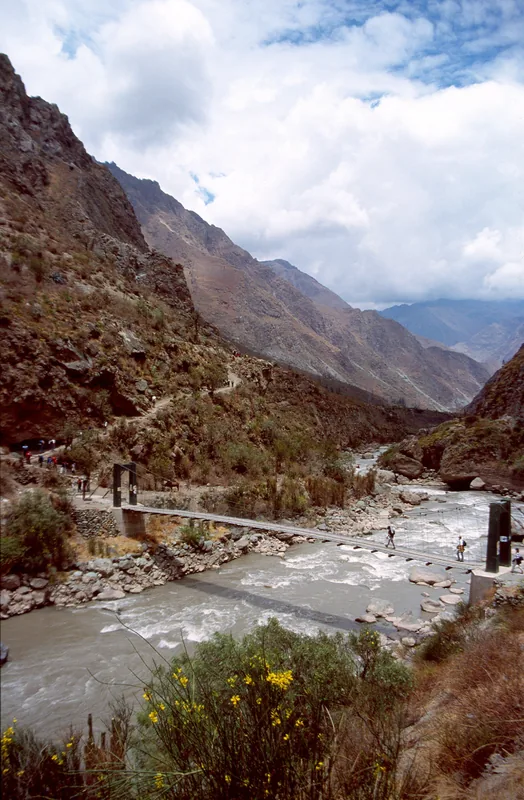
Otishi National Park is located in the high jungle of central Peru, spanning the Junín and Cusco regions within the heart of the Cordillera de Vilcabamba. This difficult-to-access protected area was established in 2003 to preserve unique ecosystems ranging from 750 to over 4,000 meters in elevation. One of the park's most spectacular features is the Pavirontsi Natural Bridge, a massive rock arch spanning the Cutivireni River, which ranks among the largest of its kind globally. The region holds deep cultural significance as the homeland of the Asháninka and Machiguenga peoples, whose way of life is intrinsically linked to forest conservation. Due to the rugged topography, marked by numerous waterfalls and deep canyons, the park remains largely undeveloped for tourism, making it an essential refuge for endangered species like the Andean cock-of-the-rock. Protecting Otishi also secures vital water resources for the surrounding valleys.

Best time to visit & climate

The most pleasant time to visit is May–Jul.

JanFebMarAprMayJunJulAugSepOctNovDec
Avg °C222222222222232424242322
Rain mm10011292321791111234456104

📋 Practical info

🧭
Getting there
Access to this remote national park is quite challenging, typically requiring organized expeditions from nearby towns in the Junín or Cusco regions. Reaching the Cordillera Vilcabamba often involves long multi-day treks or chartered flights.
📅
Best season
The dry season, from May to September, is the optimal time for an expedition to this mountain forest area. The wet season brings heavy downpours, causing rivers to swell and making the muddy forest trails largely impassable.
⛰️
Terrain & paths
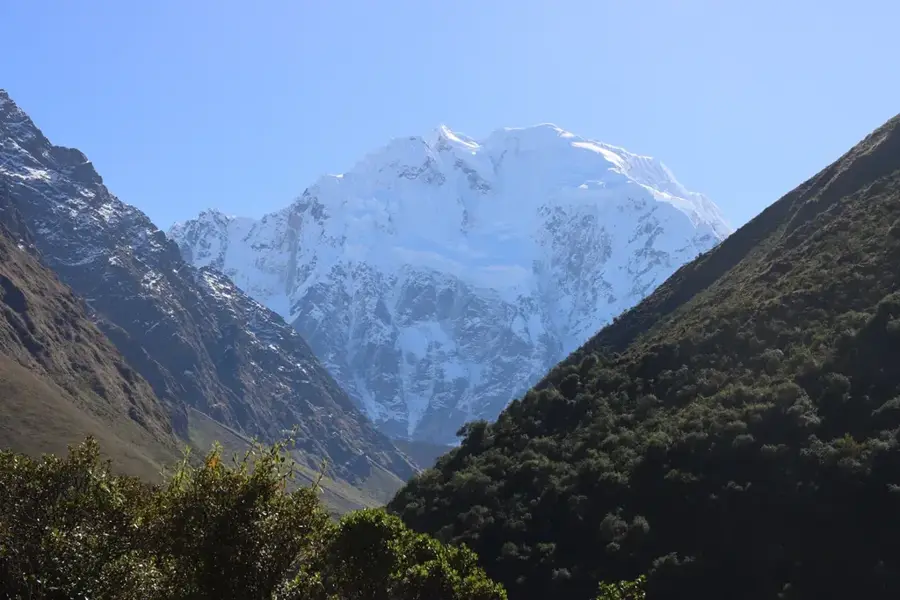
The terrain is exceptionally rugged, featuring dense, pristine cloud forests, steep mountain slopes, and numerous hidden waterfalls. Hiking here involves traversing unmaintained trails, crossing streams, and significant elevation changes.
🎒
What to bring
High-quality expedition gear is absolutely mandatory, including sturdy trekking boots, waterproof clothing, and complete camping equipment. You must also carry water purification systems, a comprehensive first-aid kit, and navigation tools.
🅿️
Parking
There is no conventional parking near the protected area itself. Vehicles are typically left safely at the expedition starting towns or designated staging lodges located many kilometers away from the actual park boundaries.
⚠️
Safety
Exploring this deeply remote area poses high risks; guided expeditions with experienced locals are strongly advised. Visitors must be well-prepared for sudden weather shifts, dangerous river crossings, and complete isolation from medical help.
⏱️
Time needed
Visiting this region is a major undertaking that typically requires a multi-day expedition lasting anywhere from five days to two weeks. A mere day trip is practically impossible due to the sheer remoteness and lack of infrastructure.

Geography

Coordinates
-11.65000, -73.35000

Facts

  • The park was officially established on January 14, 2003.
  • The Pavirontsi Natural Bridge stands over 60 meters high.
  • The park encompasses an area of 305,973 hectares.
  • It is situated within the rugged Cordillera de Vilcabamba range.
  • Elevations within the park range from 750 to over 4,000 meters.
  • The park is adjacent to the Asháninka and Machiguenga Communal Reserves.

Explore nearby

Notable places around

Route planner — Car & Motorhome

Where do you start? We build the route here, with stops and country notes along the way.

Vehicle
Only stops with (optional):

© OpenStreetMap contributors · OpenRouteService

Sights nearby

Frequently asked questions

How difficult is hiking in the park?
The terrain is very demanding and rugged; an experienced guide is highly recommended for all routes.
When is the best time to visit the park?
The dry season from May to October gives the most stable weather conditions for outdoor activities.
Are there sanitary facilities or accommodations?
No, the park is largely untouched wilderness; visitors must camp autonomously and bring everything.
Is special equipment required?
Yes, due to the jungle, sturdy footwear, insect repellent, and waterproof clothing are essential.
How do you reach the national park?
Access is usually via Satipo or Chanchamayo, often using local 4x4 vehicles on unpaved roads.
Otishi National Park: where is it located?
Otishi National Park is located in Peru.
Otishi National Park: when is the best time to visit?
The most pleasant time to visit is May, Jul.
Otishi National Park: why is it worth visiting?
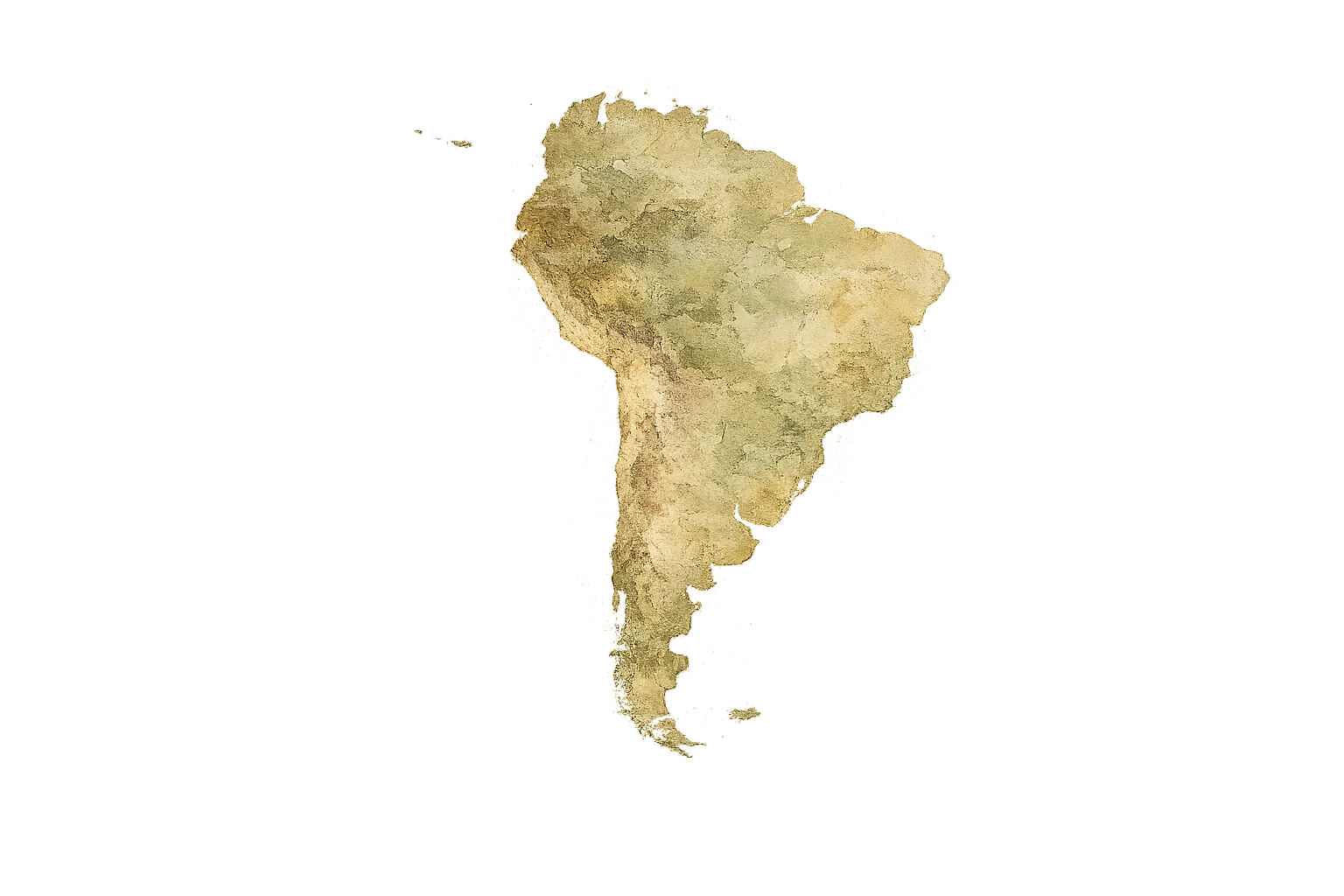
Otishi National Park is located in the high jungle of central Peru, spanning the Junín and Cusco regions within the heart of the Cordillera de Vilcabamba.
View on map → The Top 50 Attractions → OpenStreetMap →
South America
Explore with Plizio Discover more places in South America
More places in Peru →

Nearby cities

History & landmarks
Nature
More places