Plizio Visual Lab
Cusco
ℹ️Practical info — Cusco
▾
🌤 Weather — 5 days
📍 Nearby
Sights nearby
💡 Tips
- Take it easy on your first day; the high altitude (3,400m) requires time to acclimatize. Drink plenty of coca tea.
- Buy the 'Boleto Turístico' (Tourist Ticket) if you plan to visit multiple ruins and museums in the Sacred Valley.
- Sunscreen and a hat are essential; the sun is extremely strong at this altitude.
- Be prepared for cold nights, even if the days are warm and sunny. Layered clothing is best.
🍽 Food
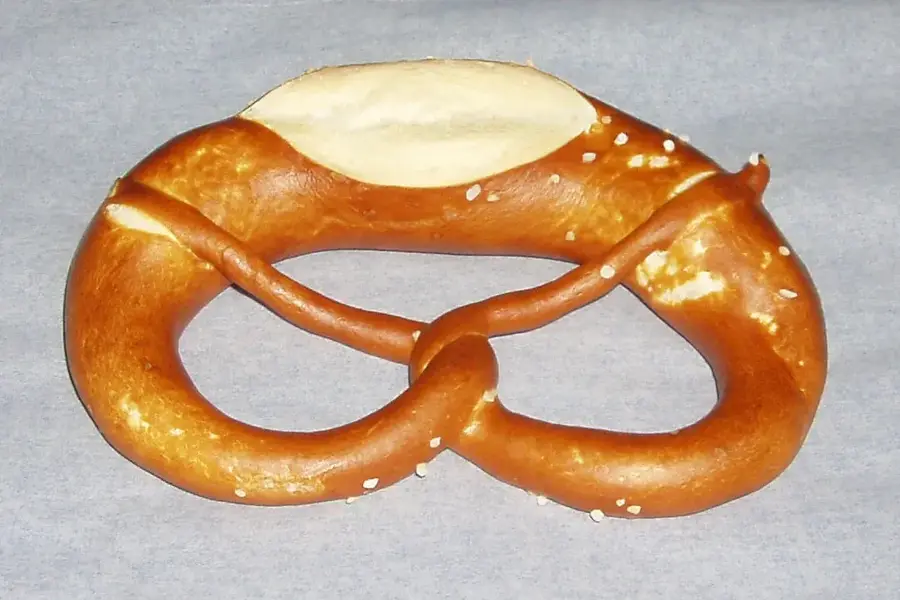
A traditional Andean delicacy, often baked or fried, found in specialized traditional restaurants (picanterías).
A Peruvian stir-fry of beef, onions, and tomatoes, served in almost every local restaurant.
Lean and tender, commonly served in restaurants around the Plaza de Armas.
🛍 Shopping · 🧘 Quiet spots
A bustling market for everything from fresh juices to alpaca sweaters and souvenirs.
The artisan quarter, first-rate for finding high-quality ceramics, textiles, and artwork.
Visit early morning for a peaceful walk among the massive stone walls with views over the city.
A quieter, more bohemian square compared to the bustling Plaza de Armas, great for relaxing.
Water temperature…
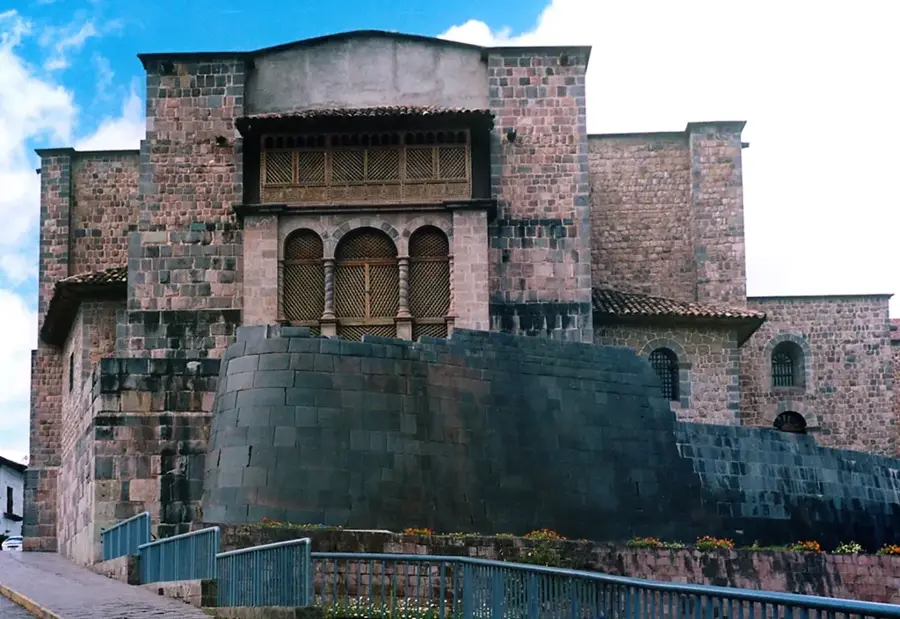
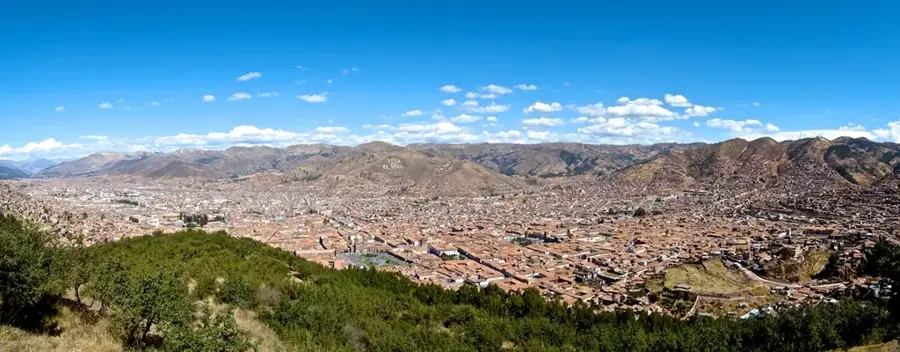
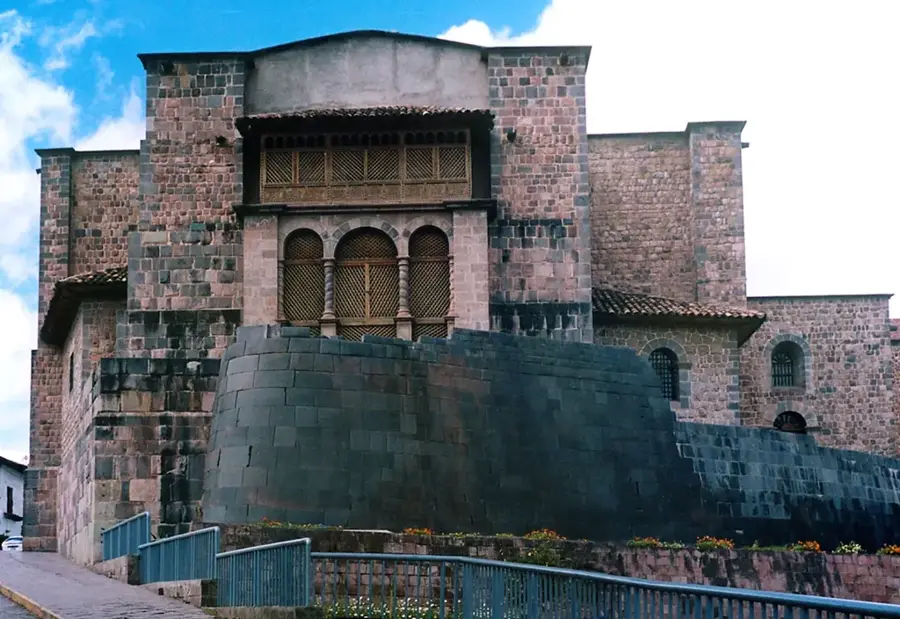
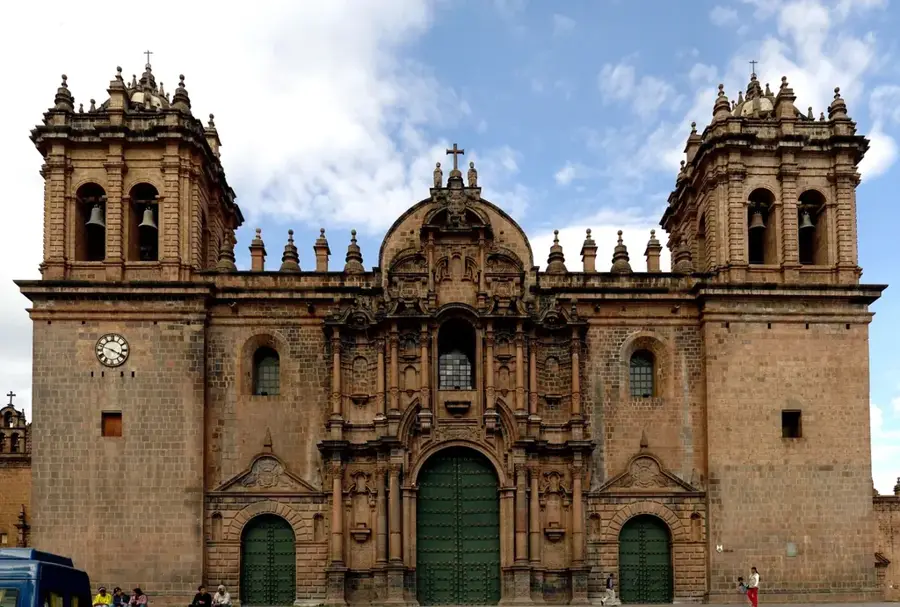
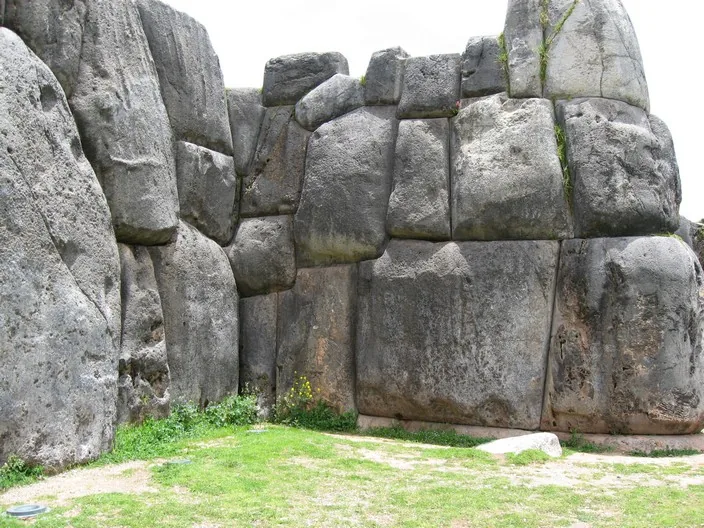
Cusco, tucked away high in the Peruvian Andes at 3,400 meters, is a city where history is literally etched into the stone. As the former capital of the Inca Empire, it was designed in the shape of a puma, with the fortress of Sacsayhuamán forming its head. Following the Spanish conquest in the 16th century, the invaders built their palaces and cathedrals directly atop the impeccably crafted Inca foundations, creating a unique 'Inca-Baroque' style that defines the city's UNESCO-listed historic center. The Qorikancha, or Temple of the Sun, stands as the most dramatic example of this fusion, where the monastery of Santo Domingo rests upon the finest stone masonry in the New World. The Plaza de Armas remains the pulsating heart of the city, surrounded by colonial arcades and the majestic Cusco Cathedral. Today, Cusco is the undisputed tourism capital of Peru, serving as the essential hub for explorations of Machu Picchu, the Sacred Valley, and the Rainbow Mountain. Beyond its role as a transit point, the city is a living center of Quechua culture. Indigenous traditions remain spirited, visible in the intricate textiles sold by local weavers and the bustling San Pedro Market, where traditional Andean products meet modern commerce. The city’s geography is challenging but impressive, with narrow cobblestone streets climbing steep hillsides that offer dramatic vistas of the surrounding peaks. Demographically, Cusco is a melting pot of local Andean people and an international community of travelers and expats. Cultural highlights include the feast of Corpus Christi and the Inti Raymi festival, which re-enacts Inca sun worship. Cusco’s culinary scene is also a major draw, blending ancient ingredients like alpaca and quinoa with contemporary techniques. The city's enduring allure lies in its ability to honor its imperial past while embracing its role as a global cultural crossroads.
- Location: Peru
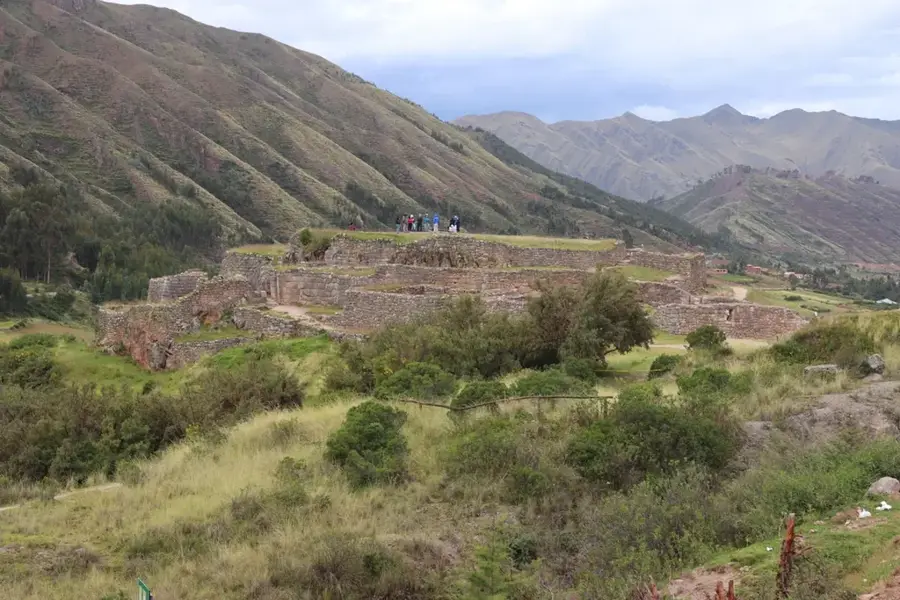
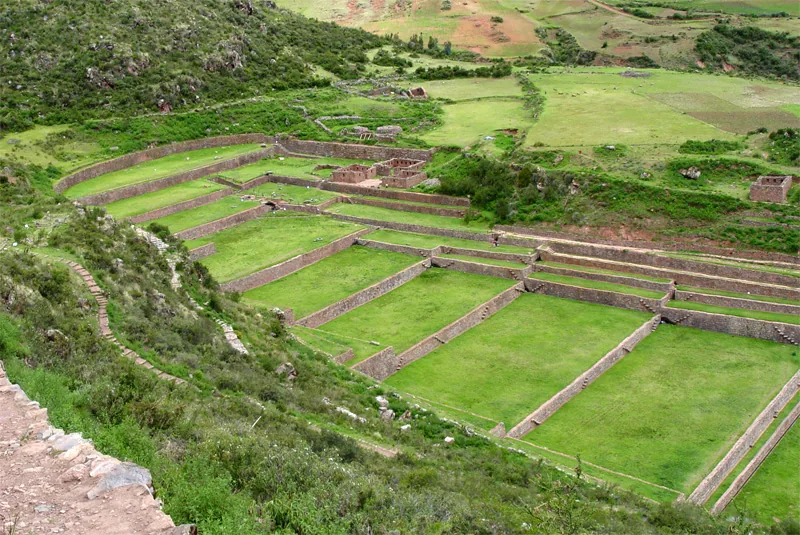
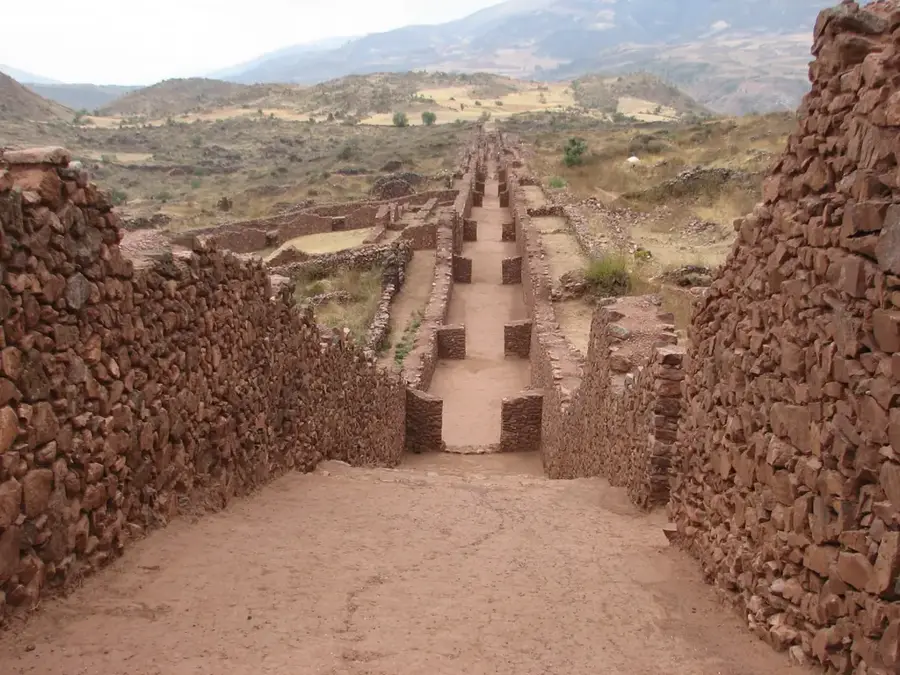
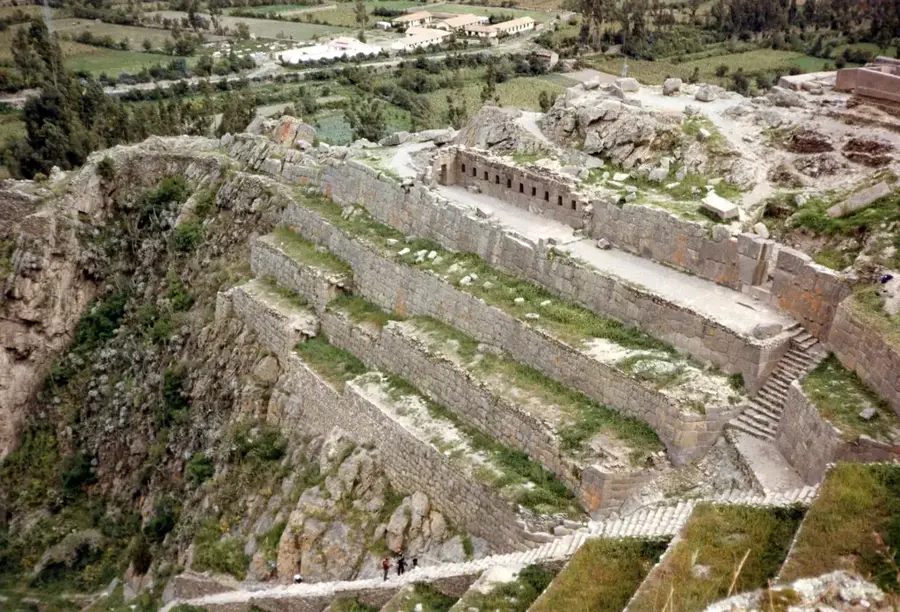
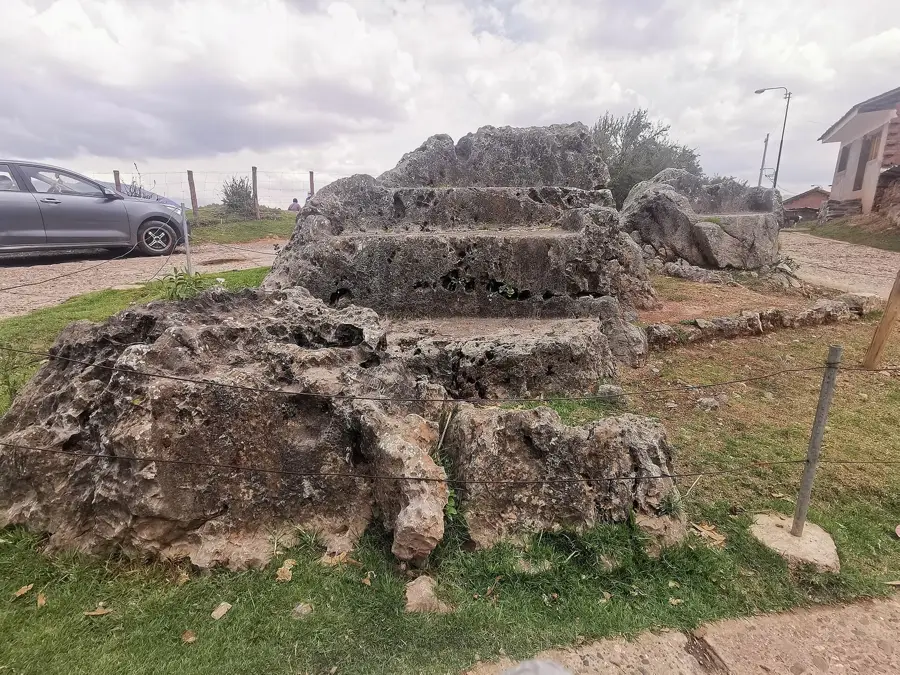
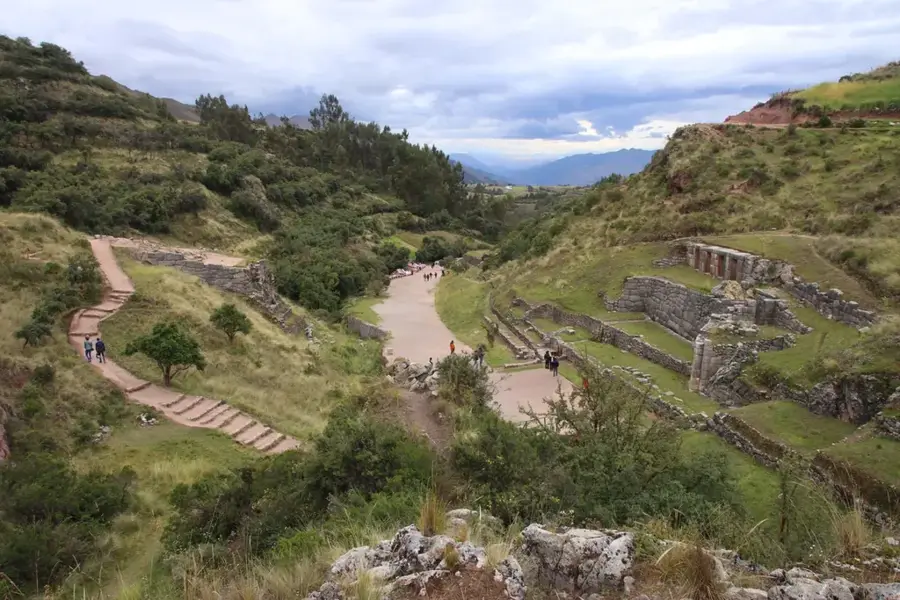
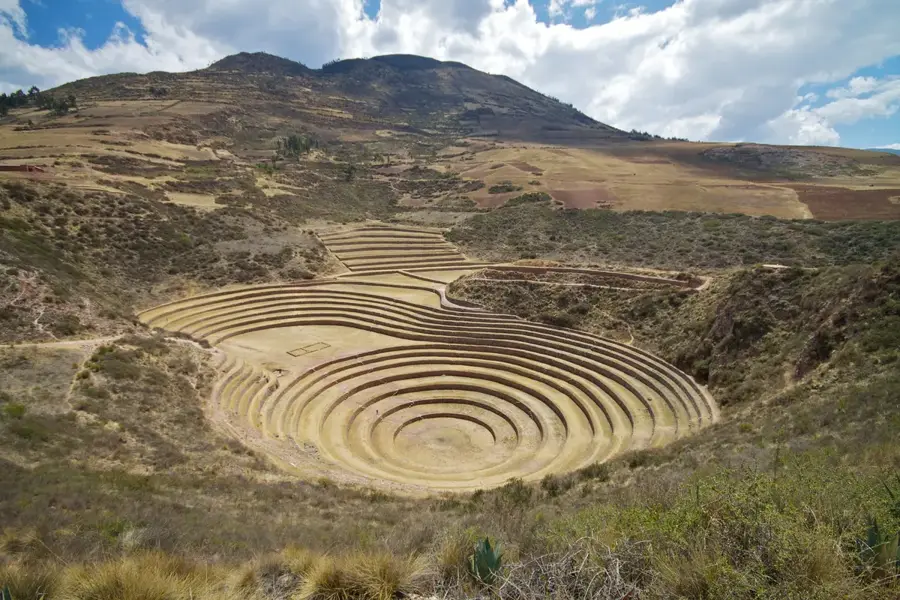
- Top sights: Sitio arqueológico RumiWasi · San Sebastian · Muyu Urqu
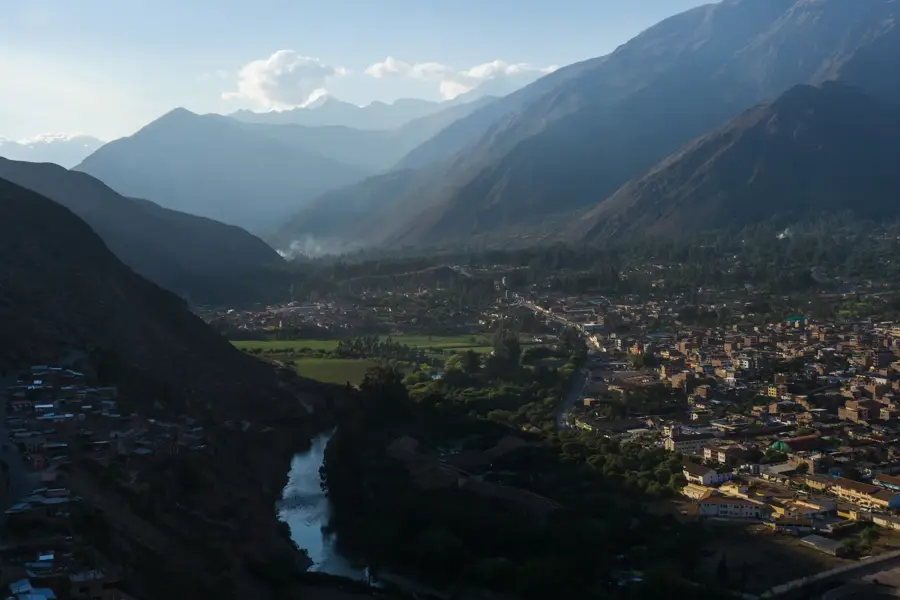
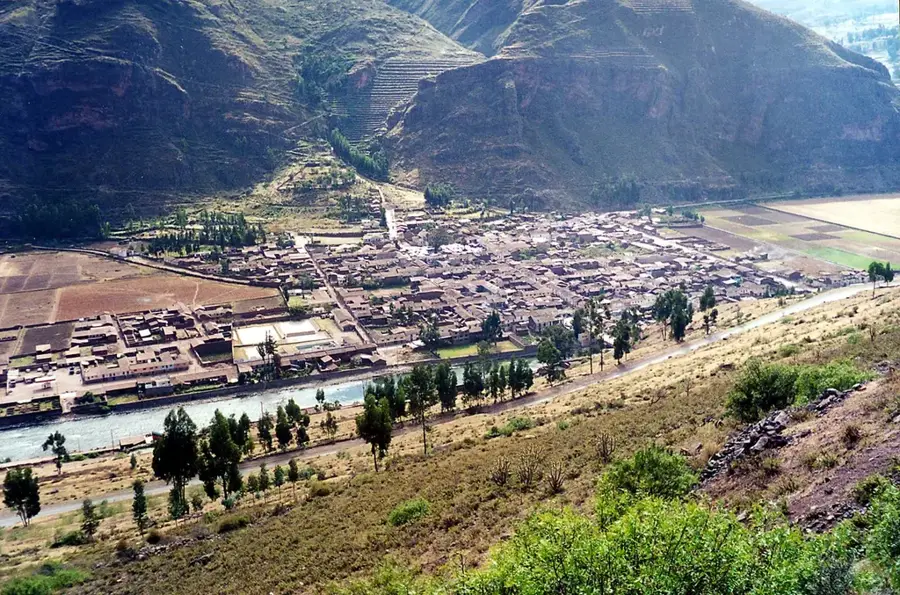
- Nearby: Urubamba (18 km)
- Population: ~428.450 (2026)
Best time to visit & climate
The most pleasant time to visit is May, Aug, Sep.
| Jan | Feb | Mar | Apr | May | Jun | Jul | Aug | Sep | Oct | Nov | Dec | |
|---|---|---|---|---|---|---|---|---|---|---|---|---|
| Avg °C | 9 | 9 | 8 | 8 | 8 | 8 | 7 | 8 | 9 | 9 | 9 | 9 |
| Rain mm | 129 | 127 | 96 | 44 | 9 | 4 | 11 | 8 | 18 | 63 | 72 | 137 |
Geography
Facts
- Cusco served as the capital of the Inca Empire from the 13th century until 1533.
- The city's Plaza de Armas was once double its current size and called Huacaypata.
- Sacsayhuamán's zigzag walls represent the teeth of the puma that the city was shaped like.
- The Dominican Convent of Santo Domingo was built on top of the Inca Temple of the Sun.
- Cusco has a temperate climate with two seasons: dry (May-Oct) and rainy (Nov-April).
- The city's university, San Antonio Abad, was founded in 1692 and is one of Peru's oldest.
- Local laws strictly prohibit the modernization of façades in the historic center to preserve heritage.
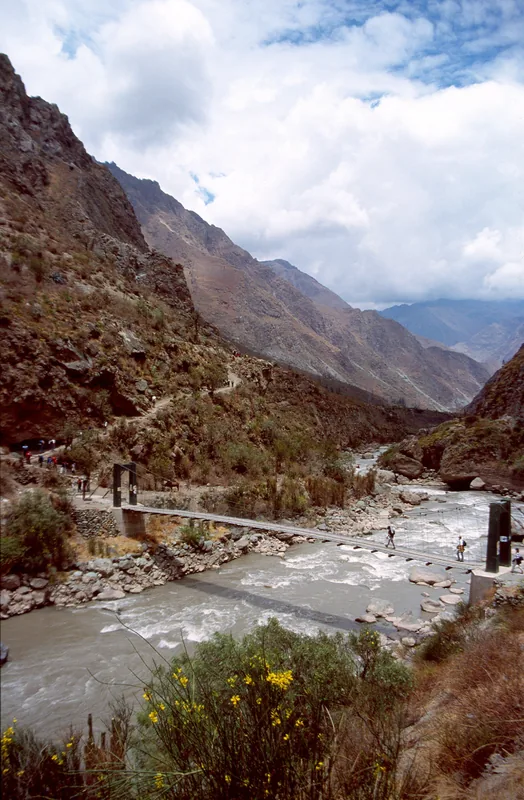
- Cusco is the starting point for the famous 4-day Inca Trail hike to Machu Picchu.
Explore nearby
Notable places around
Route planner — Car & Motorhome
Where do you start? We build the route here, with stops and country notes along the way.
© OpenStreetMap contributors · OpenRouteService
Sights in the town Cusco (12)
Frequently asked questions
How many days should you spend in Cusco?
What is the best season to visit Cusco?
How do you get from the airport to the city center?
What local dish is typical for Cusco?
Is Cusco suitable for families with children?
Cusco: where is it located?
Cusco: what is there to see?
Cusco: when is the best time to visit?
Cusco: why is it worth visiting?
History & landmarks
Nature
More places