Plizio Visual Lab

Choquequirao
Plizio editorial teamData Sources
Landmark
—°9
Choquequirao (Peru)

Weather…

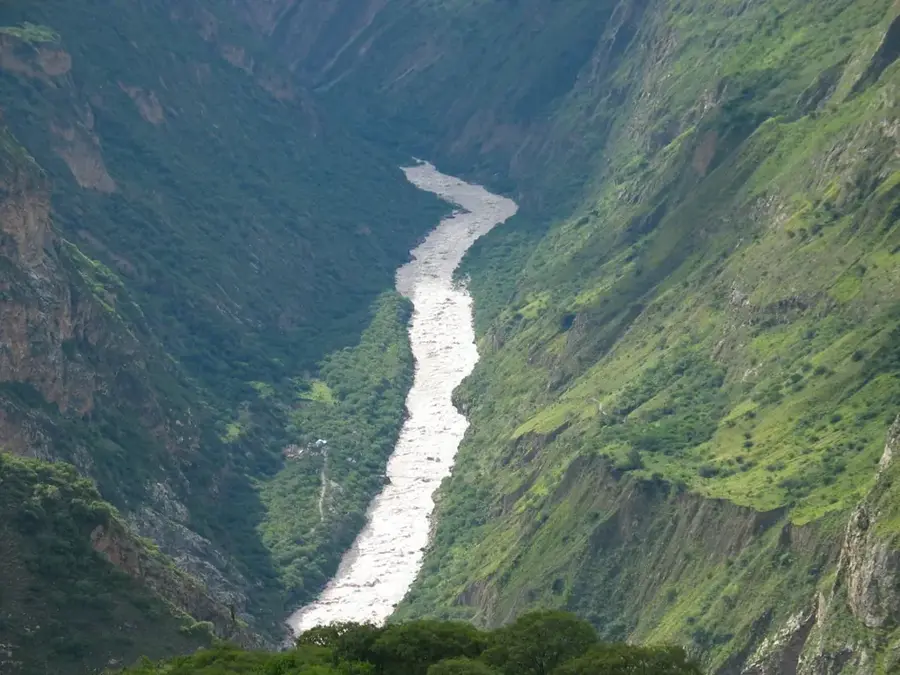
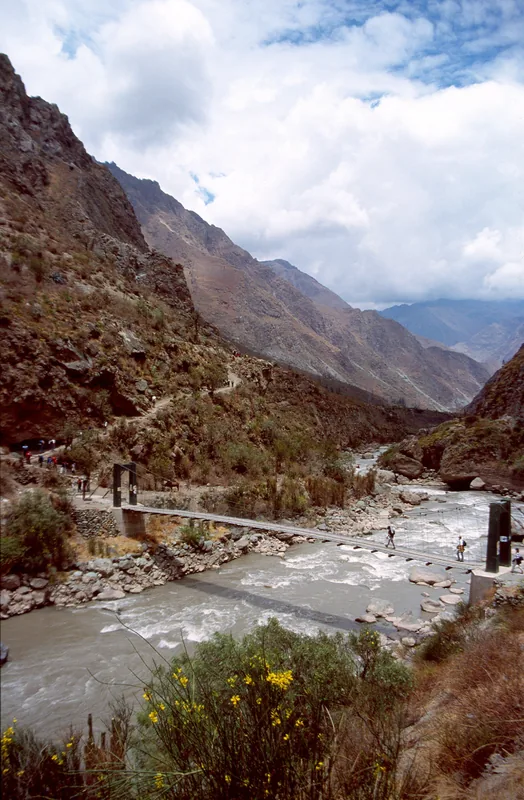
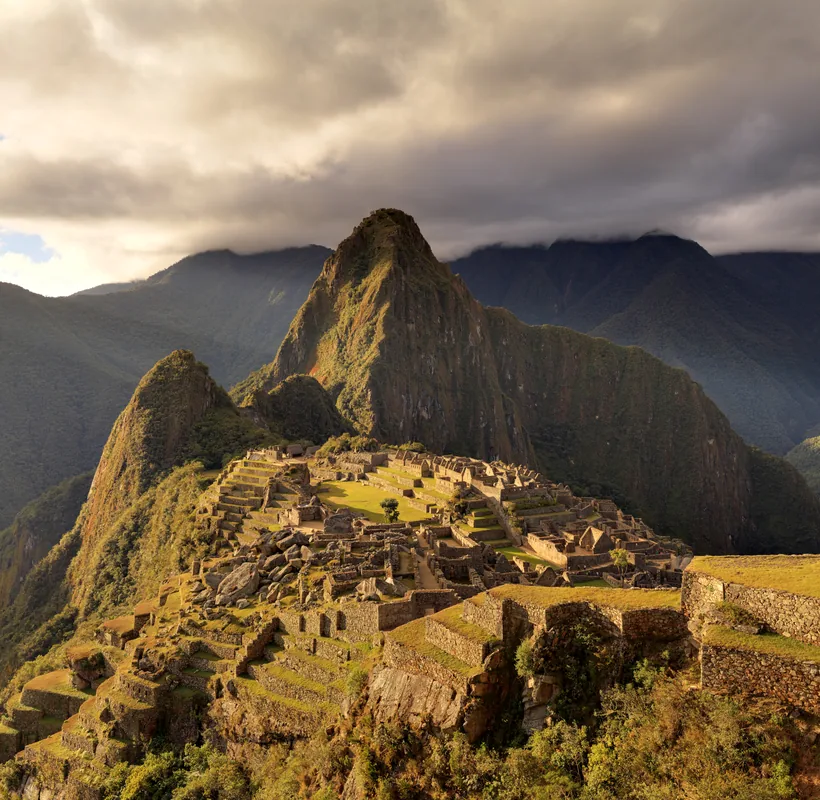
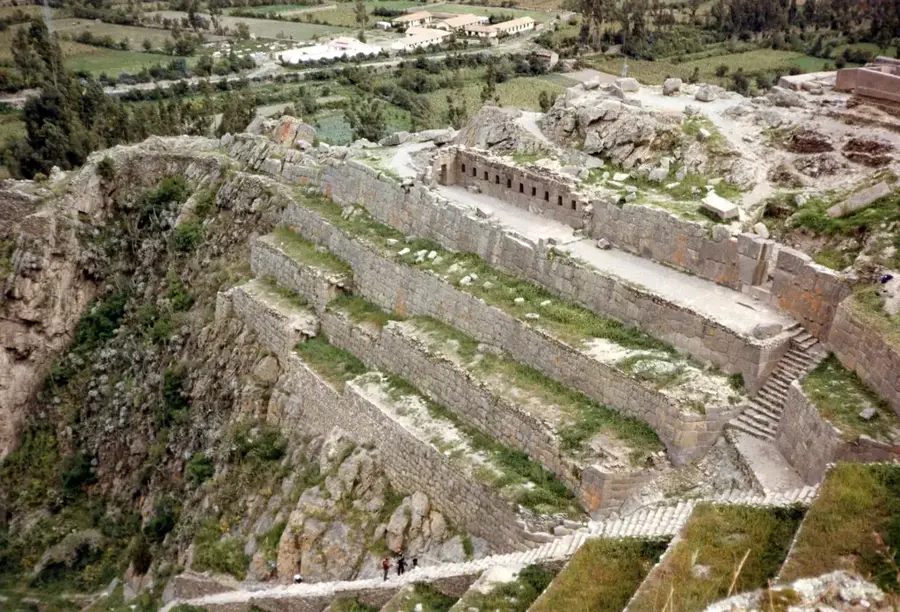
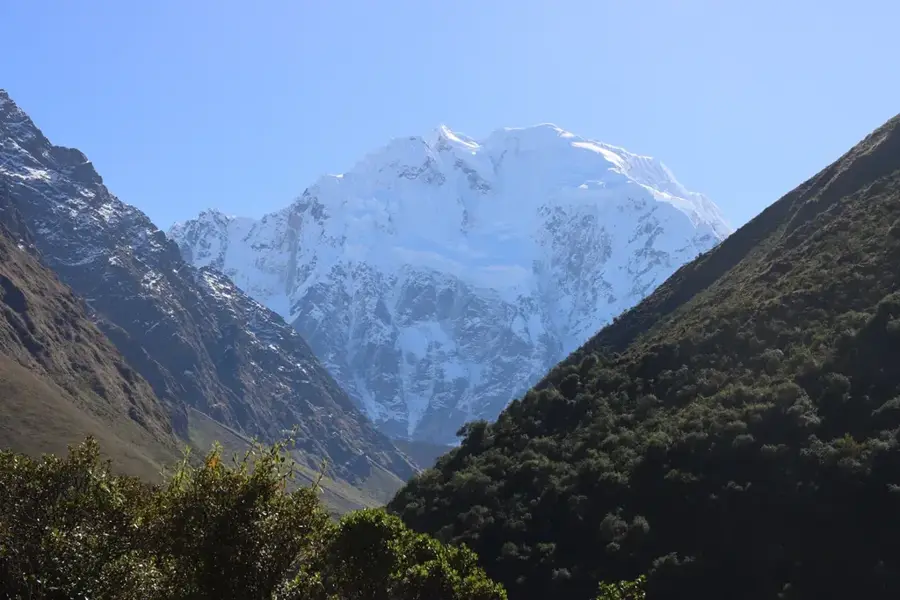
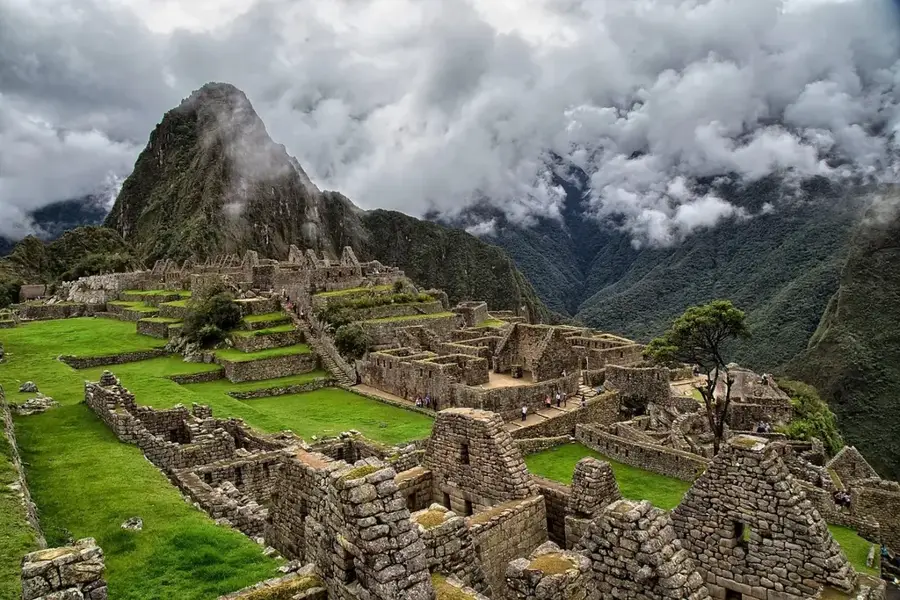
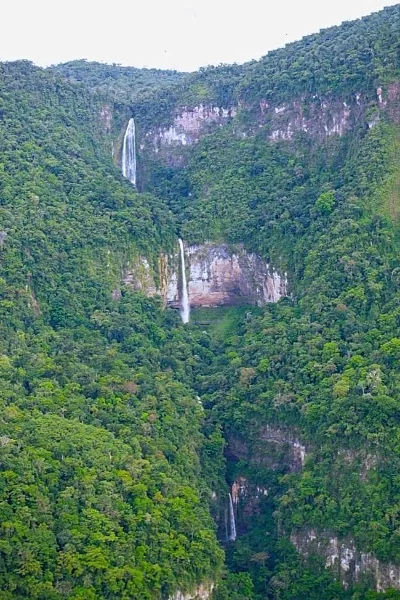
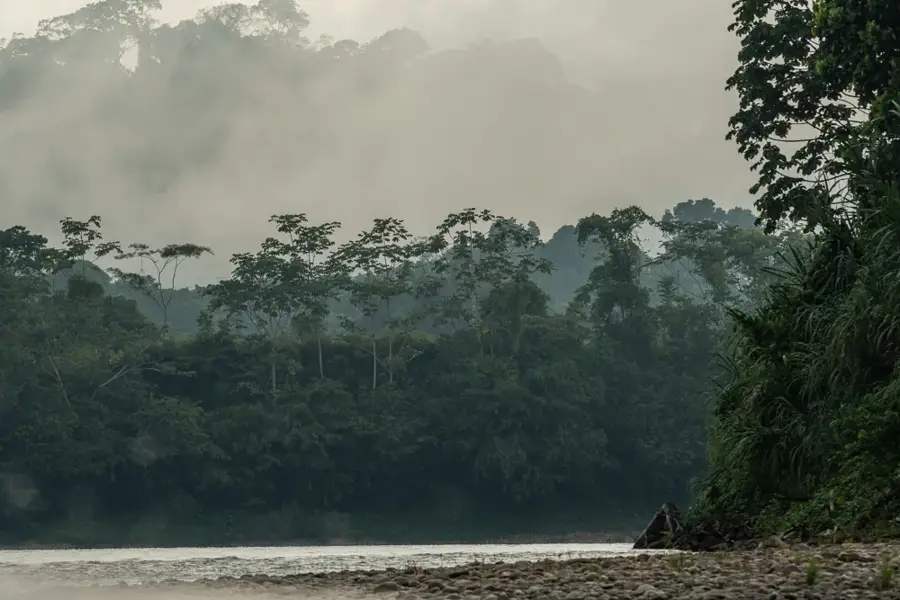
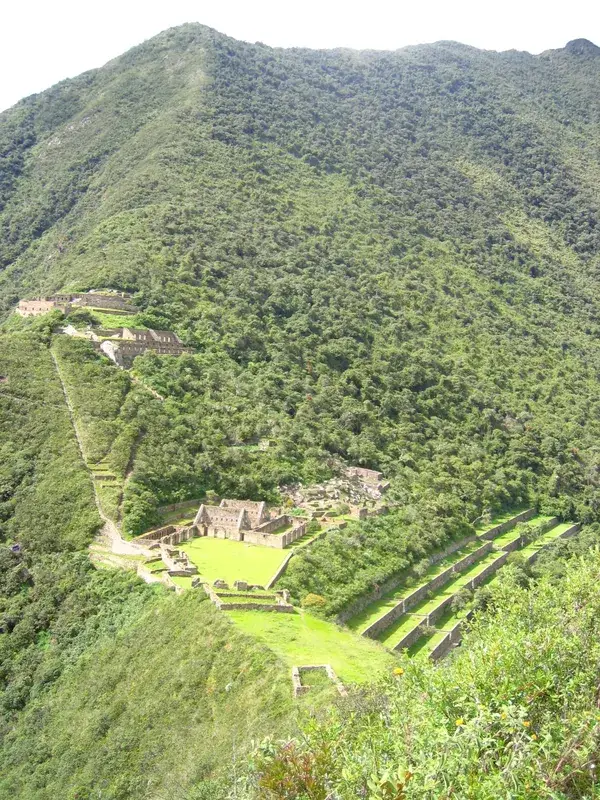
Choquequirao, often called the 'Sister City of Machu Picchu,' is one of Peru's most remote and awe-inspiring Inca citadels. Perched on a high ridge 3,000 meters above the Apurímac River, it is only accessible after a grueling two-day hike through steep canyons. Because of its isolation, it sees only a fraction of the visitors of Machu Picchu, offering a sense of true discovery. The site is famous for its massive terraces, grand plazas, and the unique 'Flame Terraces' decorated with white stone llamas. Choquequirao likely served as a strategic outpost and a royal estate, and it was one of the last strongholds of the Inca resistance after the fall of Cusco. Much of the city remains hidden beneath the dense cloud forest, waiting to be revealed.

Best time to visit & climate

The most pleasant time to visit is Jun, Aug, Sep.

JanFebMarAprMayJunJulAugSepOctNovDec
Avg °C121212121111111213131312
Rain mm139137109381651314285372133

📋 Practical info

🚪
Visiting
Choquequirao is a remote Inca site reachable only on foot. The ruins are open to visitors, but accessing them requires a multi-day hike.
🕒
Typical hours
The site typically has no fixed opening hours as it is unguarded. The best hiking season is during the dry months from May to September.
📷
Photography
Photography is allowed throughout the site. Drones are prohibited without special permission to protect the ruins and wildlife.
⏱️
Time needed
The round-trip hike typically takes four to five days. Allow at least half a day to explore the ruins themselves.
Combine with
Combine the hike with a visit to the nearby Sacred Valley (Valle Sagrado) or Machu Picchu, though the latter is farther away.
🧭
Getting there
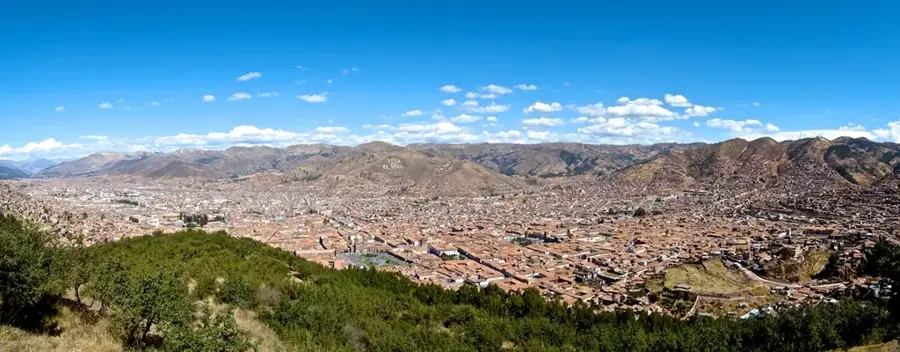
The trailhead is the village of Cachora, about 150 kilometres from Cusco. From Cusco, reach Cachora by bus or taxi.
💡
Insider tip
Hire a local guide and porter as the route is challenging and poorly marked. Bring plenty of water and insect repellent.

Geography

Coordinates
-13.39420, -72.87300

Facts

  • The name 'Choquequirao' means 'Cradle of Gold' in the Quechua language.
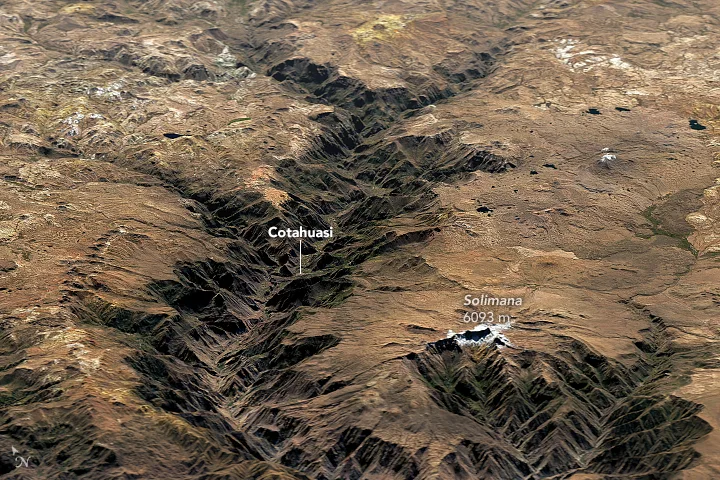
  • Located in the Vilcabamba range, overlooking the deep Apurímac River canyon.
  • Only about 30% to 40% of the site has been fully excavated and cleared of jungle.
  • Famous for the 'Llamas del Sol', 24 white stone llama shapes embedded in the terraces.
  • Built during the reign of Topa Inca Yupanqui in the late 15th century.
  • The trek to the ruins involves descending and then ascending over 1,500 meters.
  • A key refuge for the Neo-Inca state of Vilcabamba during the Spanish conquest.
  • The site features a massive main plaza and an impressive upper religious sector.

Explore nearby

Notable places around

Route planner — Car & Motorhome

Where do you start? We build the route here, with stops and country notes along the way.

Vehicle
Only stops with (optional):

© OpenStreetMap contributors · OpenRouteService

Sights in the town Choquequirao (9)

Piquiwasi📍 landmark

The ruins of Piquiwasi on the trail to Choquequirao once offered Inca trail travelers a small rest or checkpoint amidst the rugged Andean landscape.

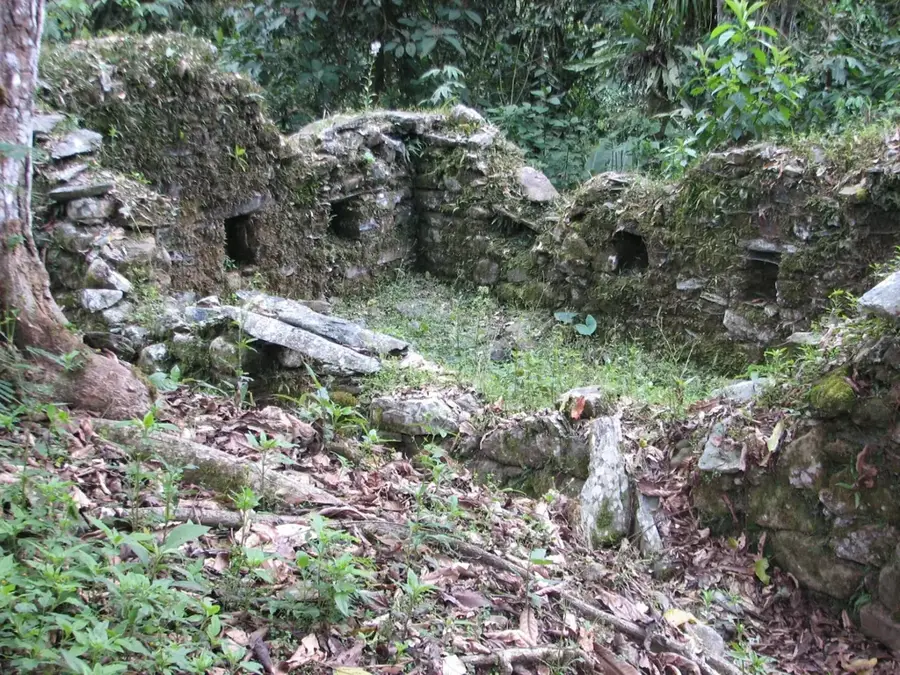
Section XI - House of the waterfall🏺 historical

Section XI in Choquequirao, known as the House of the Waterfall, features stone remains directly adjacent to the ritual water channels of the Inca city.

Paqchayoc📍 landmark

Paqchayoc is a fascinating sector of the Choquequirao complex featuring agricultural terraces and stone water fountains on the steep mountainside.

Paraqtepata📍 landmark

Paraqtepata is an archaeological viewpoint near Choquequirao featuring steep, vegetation-covered Inca terraces.

Mirador de Capuliyoc🌿 nature

The Mirador de Capuliyoc is a spectacular viewpoint high above the Apurímac Canyon, often the hikers' first wide vista of the trail to Choquequirao.

Cocamasana🌿 nature

The Cocamasana viewpoint provides a good resting spot along the deep gorge of the Apurímac River during the descent to Choquequirao.

Incahuasi🌿 nature

Mount Incahuasi in the Apurímac region rises as a prominent Andean peak above the deep gorges lining the approach to Choquequirao.

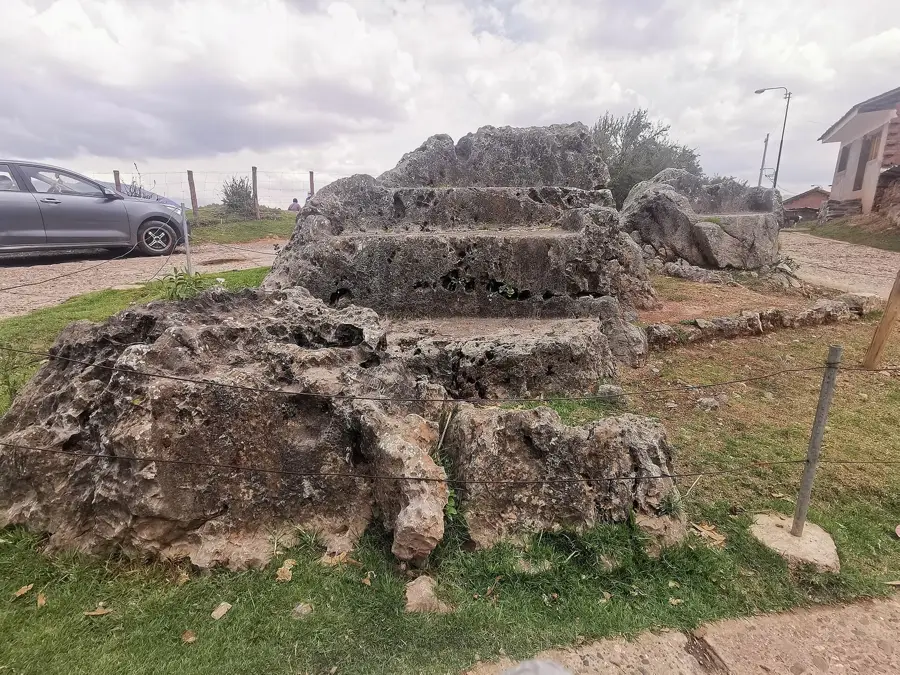
Ushnu🏺 historical

The Ushnu ruins consist of a stepped, ceremonial stone platform used for rituals by the Incas.

Llama terraces🏺 historical

The Llama terraces are an archaeological marvel featuring large agricultural steps decorated with quartz llama figures.

Sights nearby

Frequently asked questions

How difficult is the hike to Choquequirao?
Very demanding, 2 to 3 days of trekking are required.
What is the goal of the trek?
The forgotten Incan city, much quieter than Machu Picchu.
Is there accommodation there?
Only camping options near the ruins.
When should you hike?
During the dry season, between May and October.
Is a guide mandatory?
Not mandatory, but highly recommended for this trek.
Choquequirao: where is it located?
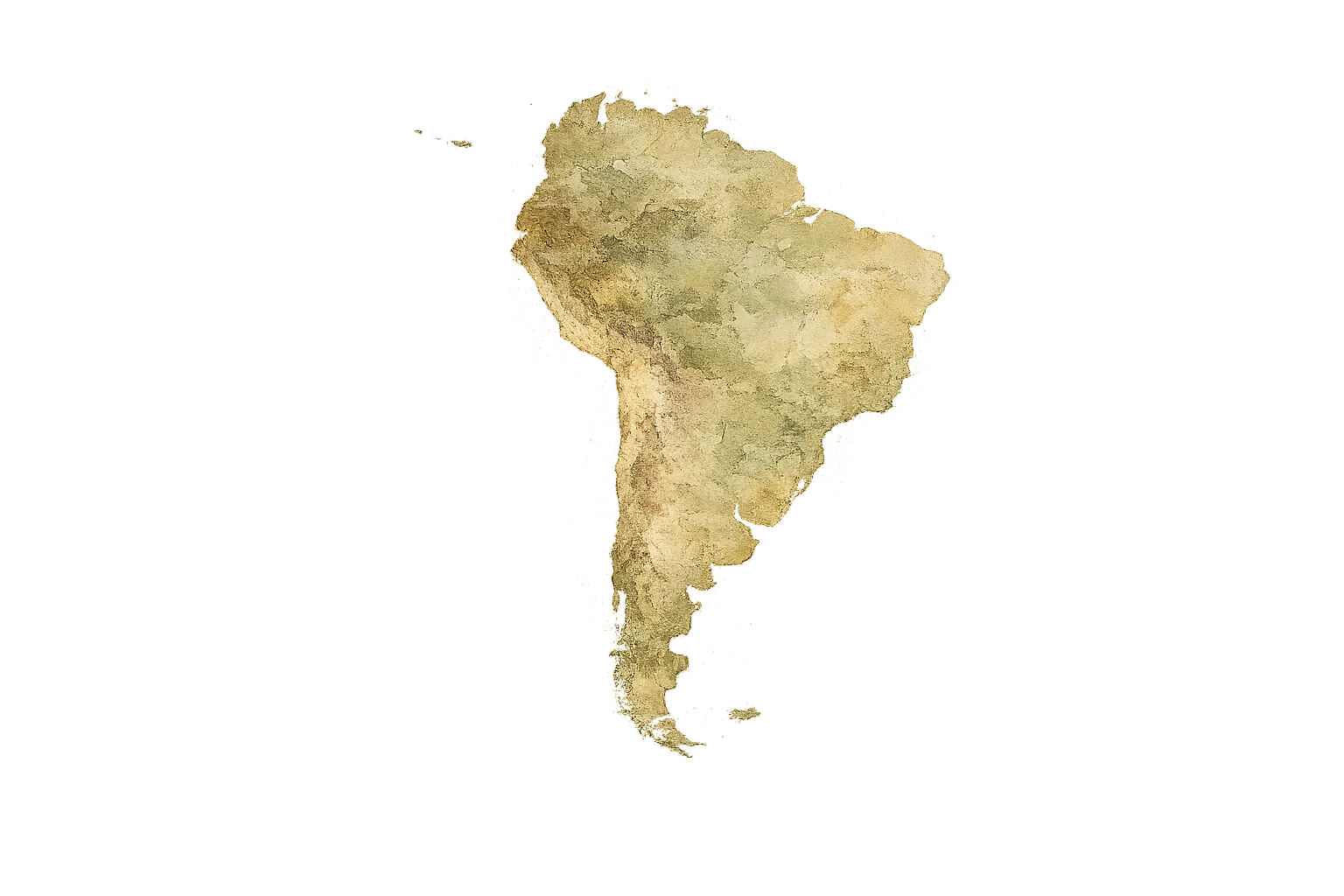
Choquequirao is located in Peru.
Choquequirao: what is there to see?
Highlights include Piquiwasi, Section XI - House of the waterfall, Paqchayoc.
Choquequirao: when is the best time to visit?
The most pleasant time to visit is Jun, Aug, Sep.
Choquequirao: why is it worth visiting?
Choquequirao, often called the 'Sister City of Machu Picchu,' is one of Peru's most remote and awe-inspiring Inca citadels.
View on map → The Top 50 Attractions → OpenStreetMap →
South America
Explore with Plizio Discover more places in South America
More places in Peru →

Nearby cities

History & landmarks
Nature

More places