Plizio Visual Lab

Ollantaytambo
Plizio editorial teamData Sources
Landmark
—°9
Ollantaytambo (Peru)

Weather…

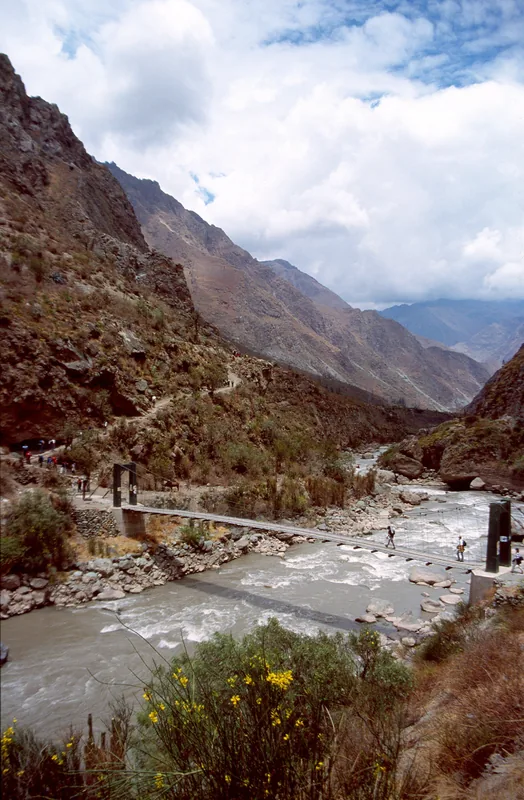
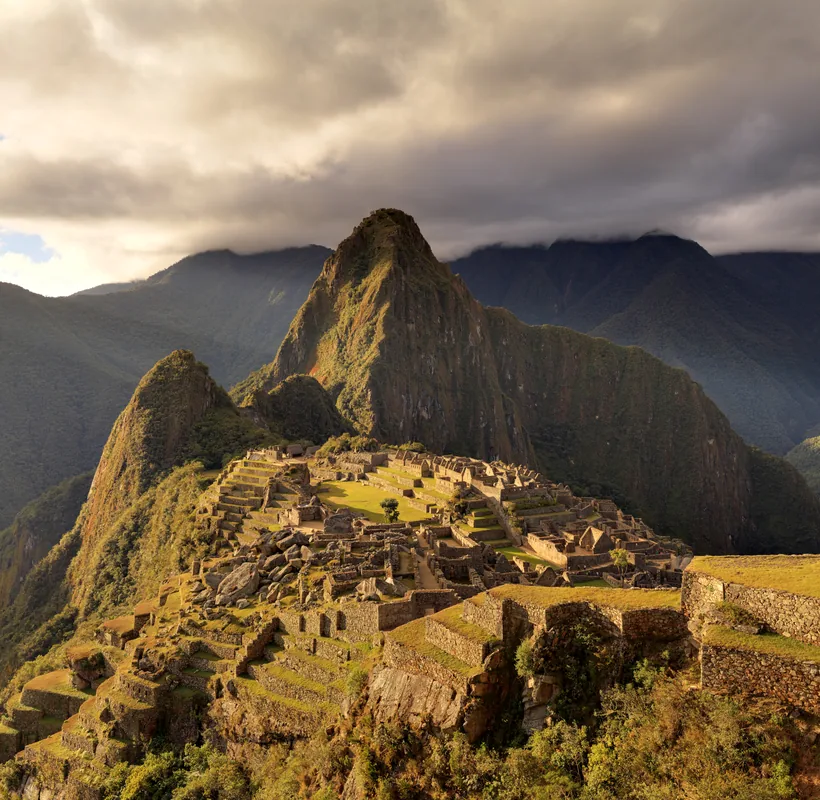
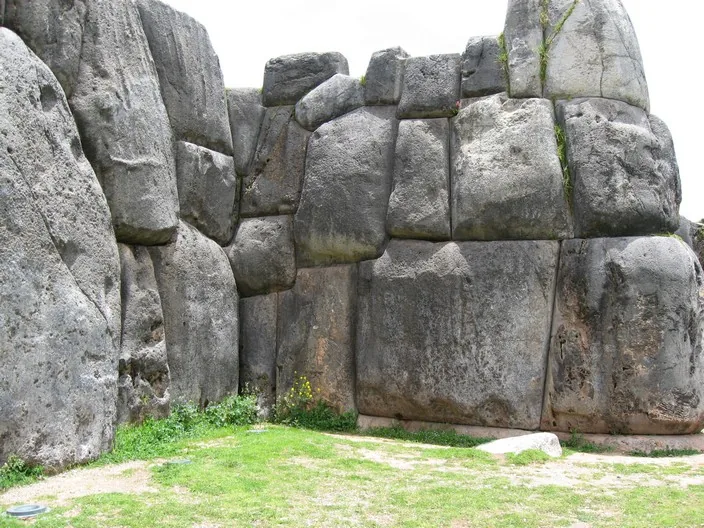
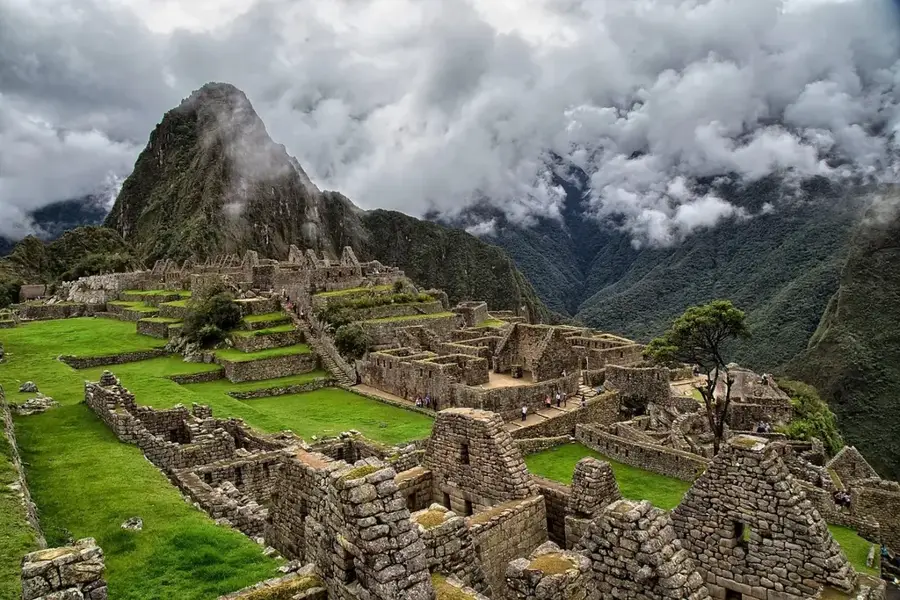
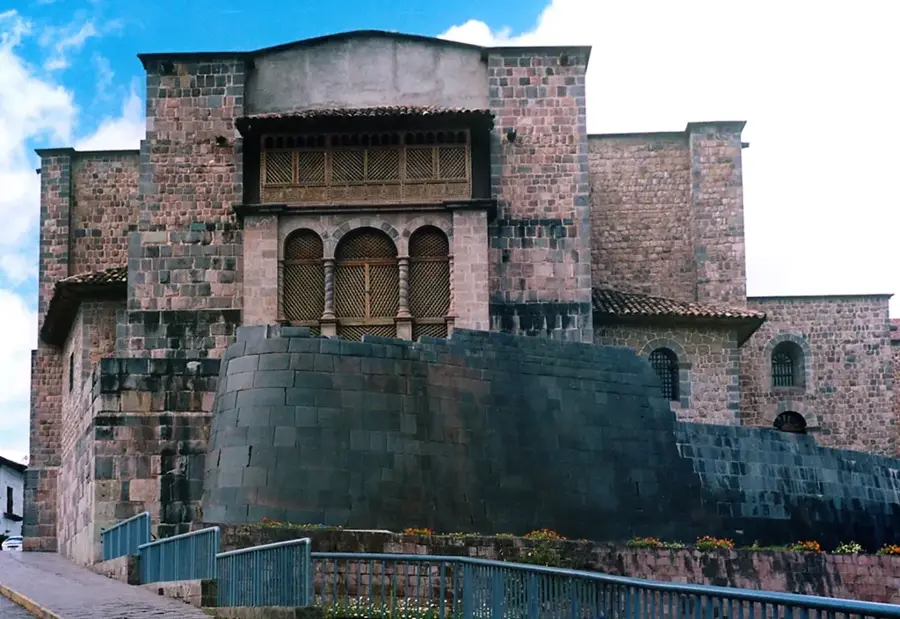
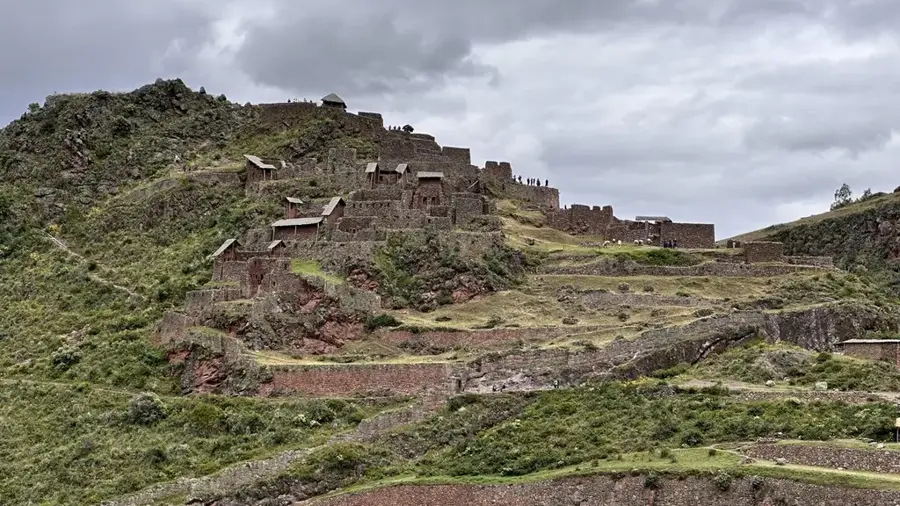
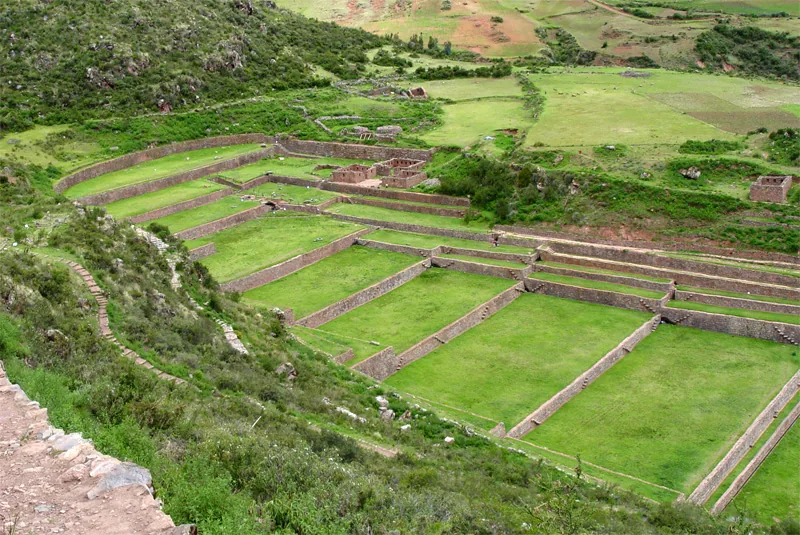
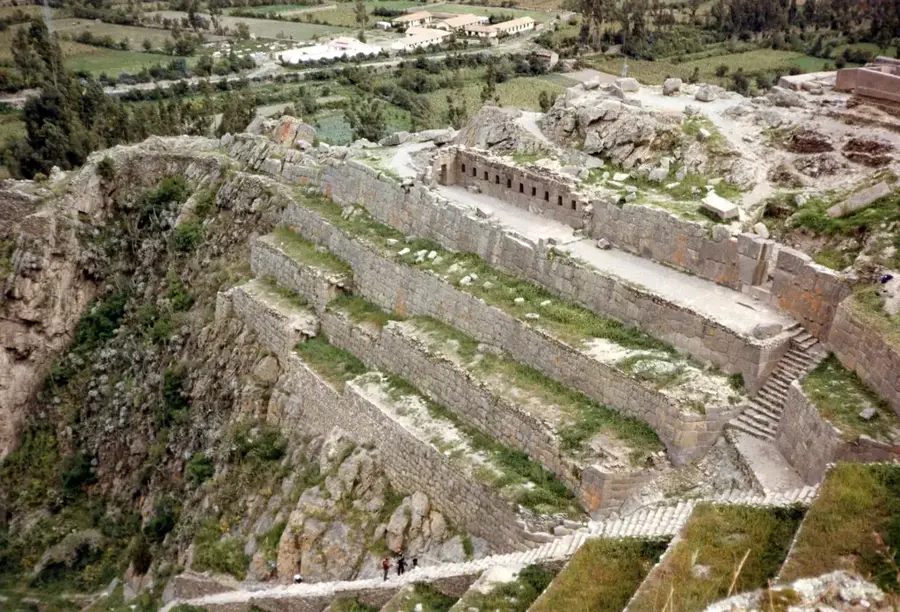
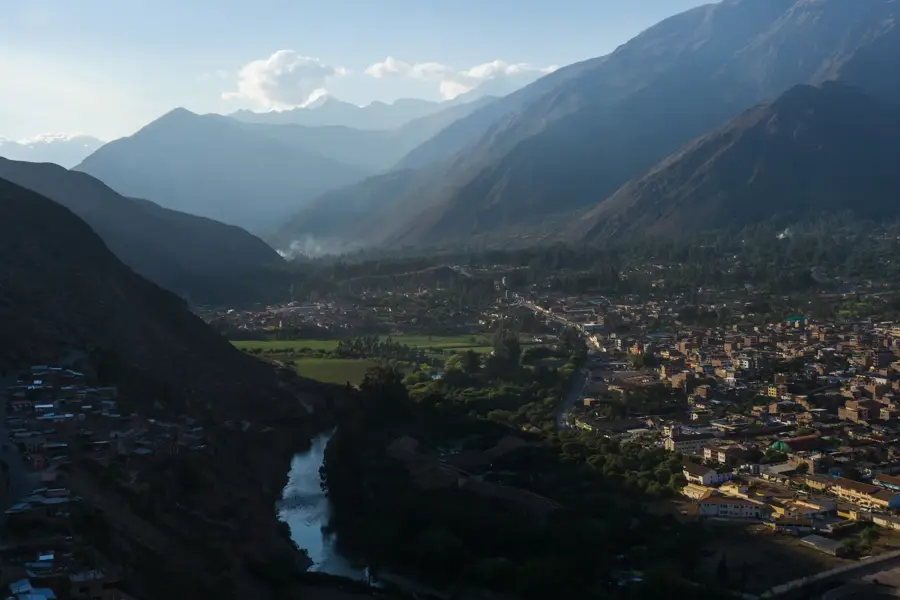
Ollantaytambo is a living Inca town and a magnificent archaeological site located at the western end of the Sacred Valley. It was a strategic fortress, a religious center, and a royal estate of the Emperor Pachacuti, who built its massive terraces and temples. The site is famous for the Temple of the Sun, featuring six colossal blocks of pink rhyolite, each weighing over 50 tons, which were transported from a quarry miles away across the Urubamba River. Ollantaytambo was the site of a major Inca victory against the Spanish in 1537, where Manco Inca used the terraces to flood the plain below. The modern town below the ruins is the only one in Peru that still follows the original Inca grid, with narrow stone streets and running water channels that have functioned for over 500 years.

Best time to visit & climate

The most pleasant time to visit is Jun, Aug, Sep.

JanFebMarAprMayJunJulAugSepOctNovDec
Avg °C998888889999
Rain mm136133102411241211236073138

📋 Practical info

🚪
Visiting
Ollantaytambo is a fully walkable Inca fortress and town, open daily to visitors. You can explore both the terraced ruins and the inhabited village.
🕒
Typical hours
The site is usually open from 7:00 AM to 5:30 PM, with last entry around 4:30 PM. Changes possible, so check the current schedule.
📷
Photography
Photography is allowed throughout the archaeological park, but no flash indoors. Drones are prohibited without a special permit.
⏱️
Time needed
Allow at least 2-3 hours to thoroughly explore the fortress and village. If you also want to climb the surrounding terraces, budget 3-4 hours.
Combine with
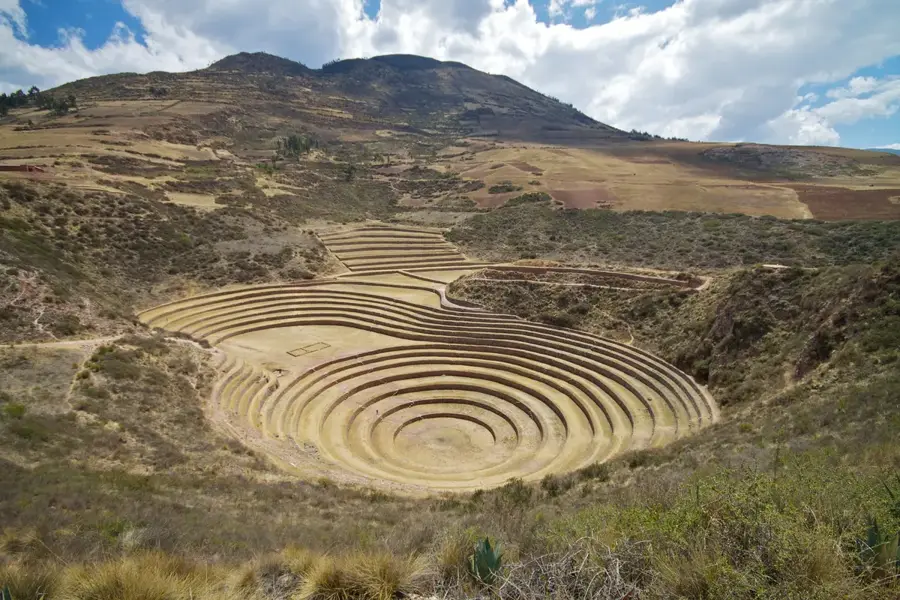
Ollantaytambo is in the Sacred Valley, handy to combine with a visit to Moray, Maras, or Pisac. Many travellers use it as a starting point for the Inca Trail to Machu Picchu.
🧭
Getting there
Ollantaytambo is reachable by bus or taxi from Cusco, taking about 1.5-2 hours. The train station provides connections to Aguas Calientes for Machu Picchu.
💡
Insider tip
Arrive early morning before the tourist buses from Cusco - you'll have the ruins almost to yourself. Bring a hat and sunscreen as there is little shade.

Geography

Coordinates
-13.25750, -72.26330

Facts

  • Known as the 'Living Inca Town' because its layout and houses date back to the 15th century.
  • The Temple of the Sun features the 'Wall of the Six Monoliths', made of massive pink granite blocks.
  • The stones were quarried at Cachiccata, 6 kilometers away on the opposite side of the valley.
  • The site served as a temporary capital for Manco Inca during his rebellion against the Spanish.
  • Features a 'Princess Bath' (Baño de la Ñusta), a beautifully carved ritual fountain.
  • The mountain opposite the ruins, Pinkuylluna, features ancient Inca storehouses called qollcas.
  • Visible on the mountain is a natural formation that resembles the face of an Inca (or the god Wiracocha).
  • A primary departure point for the train to Machu Picchu.

Explore nearby

Notable places around
Route planner — Car & Motorhome

Where do you start? We build the route here, with stops and country notes along the way.

Vehicle
Only stops with (optional):

© OpenStreetMap contributors · OpenRouteService

Sights in the town Ollantaytambo (9)

Pinkuylluna🏺 historical

These steep-sided Incan storehouses cling to the mountain slopes above Ollantaytambo, recognized as a vital heritage archaeological site.

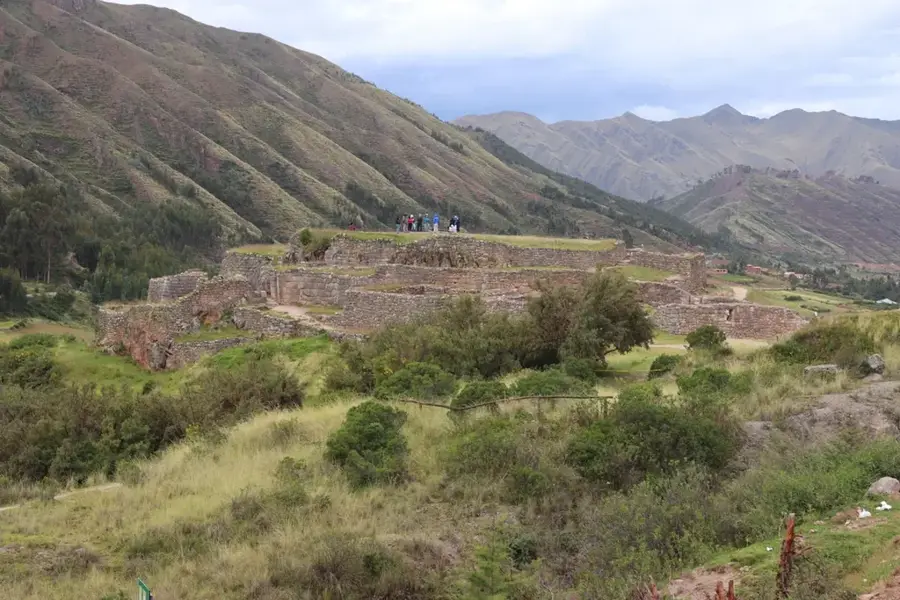
Pumamarca Ruins🏺 historical

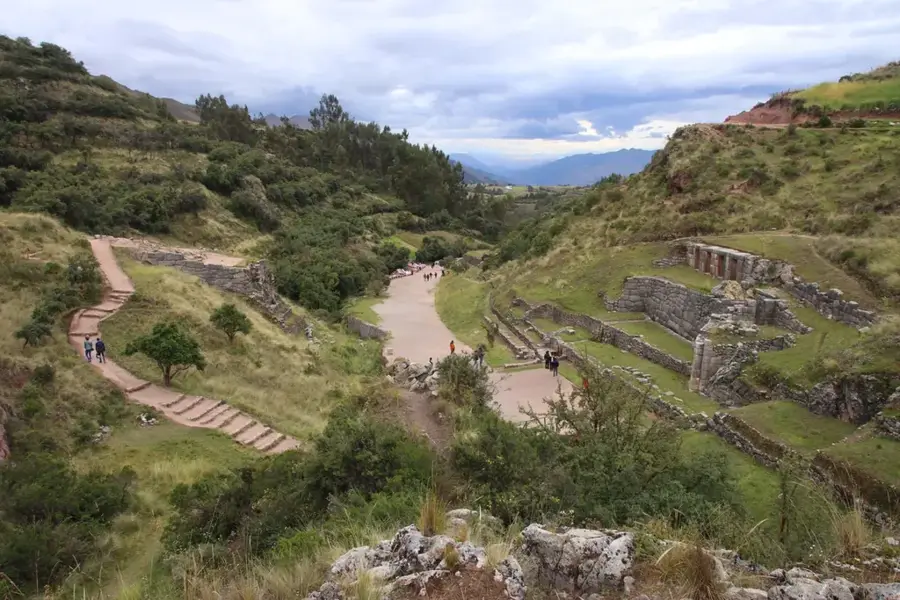
Overlooking the Patacancha Valley, these pre-Incan archaeological ruins feature a distinctive zigzag defensive wall.

Halanquma🌿 nature

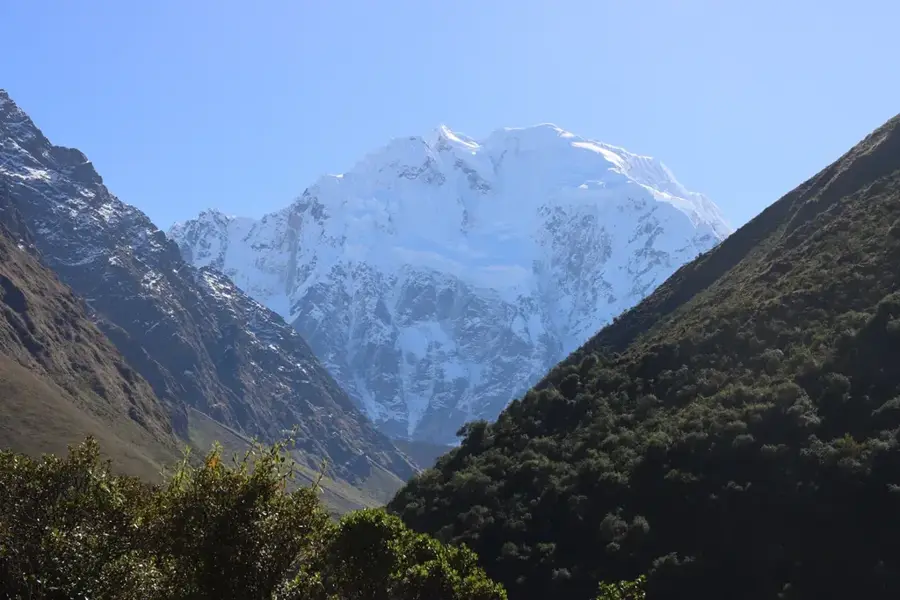
This towering Andean peak near Ollantaytambo forms a rugged part of the Urubamba mountain range.

Qhispi Rumiyuq🌿 nature

Reaching high elevations above Ollantaytambo, this Andean peak is characterized by its steep rocky terrain.

Quellorjo🌿 nature

This prominent mountain peak dominates the skyline near Ollantaytambo, drawing trekkers exploring the Sacred Valley.

Raqaypata🏺 historical

These ancient archaeological remains near Ollantaytambo feature traditional stone foundations hidden among the highland terrain.

Ollantaytambo📍 landmark

This massive attraction area preserves the monumental terraces and fortress of an original Incan estate.

Alqa Museo de Arte Popular Andino🏛 museum

This museum in Ollantaytambo exhibits a rich collection of traditional Andean folk art and textiles.

🕒 Tu-Su 10:00-11:00, 12:00-13:00, 15:00-16:00, 17:00-18:00

Inca Wasi Casa Museo🏛 museum

Set in the historic town of Ollantaytambo, this house museum has an immersive look into authentic Incan daily life and architecture.

Sights nearby

Frequently asked questions

How difficult is the hike?
The climb is steep but well-walkable.
Is a ticket required?
Yes, the Cusco tourist ticket is required.
How long is the visit?
About 1.5 to 2 hours.
Is it good for families?
Yes, a nice experience for children too.
Best time to visit?
In the morning, before tourist buses arrive.
Ollantaytambo: where is it located?
Ollantaytambo is located in Peru.
Ollantaytambo: what is there to see?
Highlights include Pinkuylluna, Pumamarca Ruins, Halanquma.
Ollantaytambo: when is the best time to visit?
The most pleasant time to visit is Jun, Aug, Sep.
Ollantaytambo: why is it worth visiting?
Ollantaytambo is a living Inca town and a magnificent archaeological site located at the western end of the Sacred Valley.
View on map → The Top 50 Attractions → OpenStreetMap →
South America
Explore with Plizio Discover more places in South America
More places in Peru →

Nearby cities

History & landmarks
Nature

More places