Plizio Visual Lab

Sacsayhuamán
Plizio editorial teamData Sources
Landmark
—°11
Sacsayhuamán (Peru)

Weather…

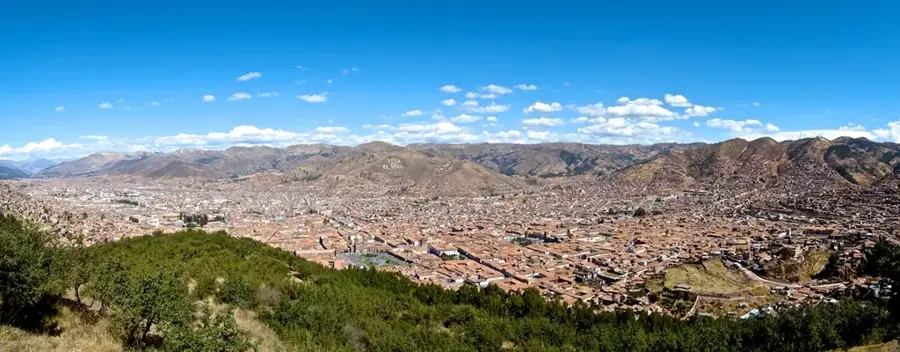
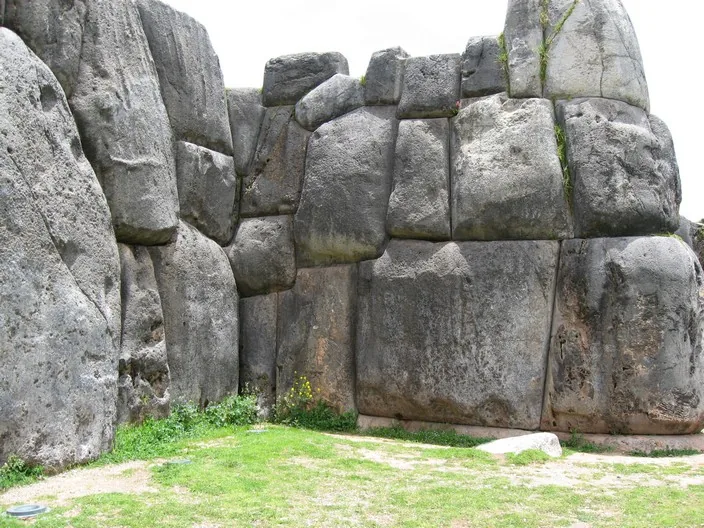
Sacsayhuamán is a monumental Incan citadel located on the northern outskirts of Cusco, world-renowned for its massive dry-stone walls composed of gigantic boulders. Construction began in the 15th century during the reign of Pachacútec and continued for decades under his successors. The complex is distinguished by three parallel zigzagging walls, where the largest stones weigh over 120 tons and are fitted together so precisely that not even a knife blade can pass between them. Although often referred to as a fortress, Sacsayhuamán also served vital ceremonial and religious purposes as a sanctuary dedicated to the sun god, Inti. During the 1536 Spanish siege of Cusco, the site was the location of one of the bloodiest battles between Incan warriors and conquistadors. Following the Spanish victory, much of the site was used as a quarry to provide stone for the construction of colonial Cusco, leaving only about 20 percent of the original structure today. Every year on June 24th, it hosts the Inti Raymi festival, a grand reenactment of the Incan winter solstice ritual. The site remains a powerful testament to the extraordinary logistical and architectural prowess of the Inca civilization.

Best time to visit & climate

The most pleasant time to visit is May, Aug, Sep.

JanFebMarAprMayJunJulAugSepOctNovDec
Avg °C998888789999
Rain mm129127964494118186372137

📋 Practical info

🚪
Visiting
Sacsayhuamán is a vast ruin site that can be visited; entry is included in the Cusco tourist ticket. You can explore both the terraced walls and the central plateau areas.
🕒
Typical hours
The site is typically open daily from 7:00 AM to 5:30 PM, with last entry at 5:00 PM. These hours may vary seasonally, so checking current information is advisable.
📷
Photography
Photography is allowed throughout the site, including cameras and phones. The use of tripods or drones is not permitted without a special permit.
⏱️
Time needed
Allow at least 1.5 to 2 hours for a thorough walk. If you want to explore the whole complex including the surrounding hills, plan for 3 hours.
Combine with
Combine the visit with other Inca sites like Q'enqo and Tambomachay, all included in the tourist ticket. Cusco's old town is also a short walk away.
🧭
Getting there
From Plaza de Armas in Cusco, you can reach Sacsayhuamán on foot in about 20 minutes uphill. Alternatively, taxis or minibuses drive up the road to the entrance.
💡
Insider tip
Go early in the morning to avoid crowds and take advantage of the soft morning light for photos. Wear layers of clothing as it can be windy and cool.

Geography

Coordinates
-13.50970, -71.98160

Facts

  • The largest stone blocks stand over 8 meters high and weigh as much as 128 tons.
  • The complex was designed in the shape of a puma's head, completing the layout of Cusco city.
  • Historians estimate that over 20,000 workers were involved in the massive construction.
  • The three tiered zigzag walls span a total length of approximately 400 meters.
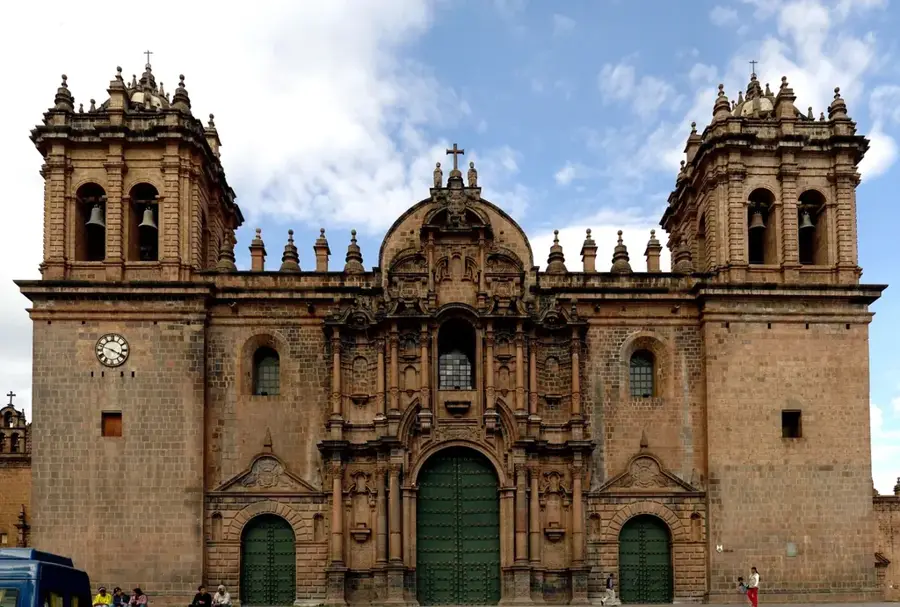
  • Spanish colonists utilized the smaller stones from the site to build the Cusco Cathedral.
  • Sacsayhuamán sits at an elevation of 3,700 meters, overlooking the city of Cusco.

Explore nearby

Notable places around
Route planner — Car & Motorhome

Where do you start? We build the route here, with stops and country notes along the way.

Vehicle
Only stops with (optional):

© OpenStreetMap contributors · OpenRouteService

Sights in the town Sacsayhuamán (11)

Cerro Huarahuaylla🌿 nature

Cerro Huarahuaylla is a rugged Andean summit rising near the Sacsayhuaman complex, covered in sparse, high-altitude ichu grass.

Cerro Rumiorjo🌿 nature

Characterized by its heavily boulder-strewn slopes, Cerro Rumiorjo is a rocky peak towering prominently above the surrounding ancient fortifications.

Cerro Mamacimuna🌿 nature

Cerro Mamacimuna forms part of the mountainous backdrop behind Cusco, offering challenging trekking paths that navigate its steep, wind-swept flanks.

Action Valley📍 landmark

Action Valley is an extreme sports attraction where visitors can experience a thrilling bungee jump suspended over a deep Andean gorge.

Arco de tica tica🏺 historical

The Arco de Tica Tica is a historic colonial-era archway constructed from solid stone blocks that spans over the ancient road entering Cusco.

Hatun Pukara🏺 historical

The ruins of Hatun Pukara feature the heavily weathered foundations of a formidable Incan fortress strategically positioned on an elevated ridge.

Cochapata🏺 historical

Tucked away in the hills, the Cochapata ruins consist of stepped agricultural terraces arranged around a naturally formed high-altitude reservoir.

Chinkana Chica📍 landmark

Chinkana Chica is a small, natural rock formation and subterranean passage located near the main Sacsayhuamán complex.

Suchuna📍 landmark

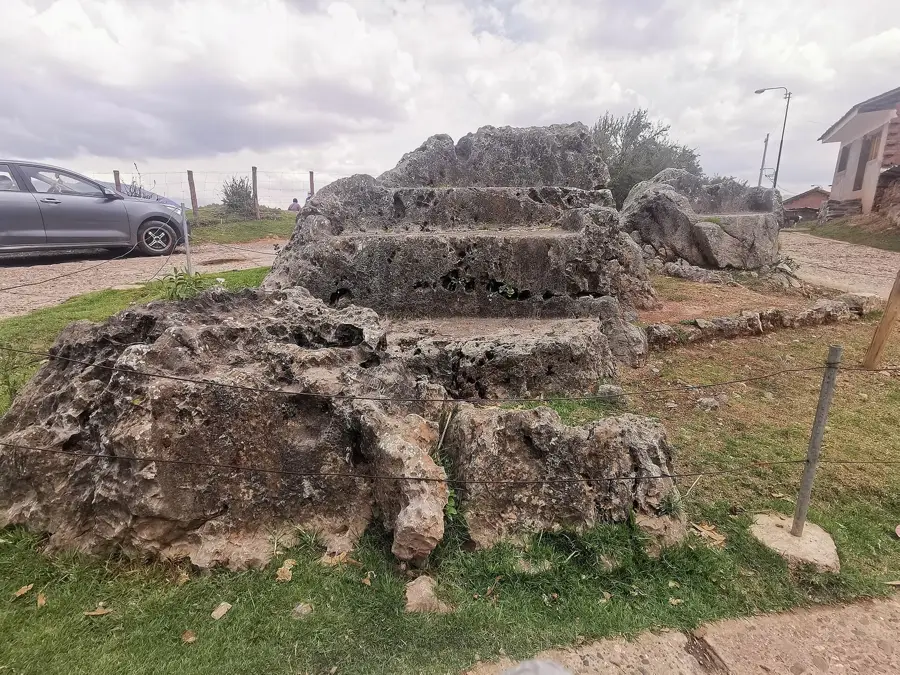
Suchuna is a smooth, grooved diorite rock formation at Sacsayhuamán that historically served as a natural slide.

Muyuqmarka🏰 castle

Muyuqmarka encompasses the foundational remains of a monumental circular Inca tower consisting of three concentric stone walls.

Mercado Tica Tica🎭 culture

Mercado Tica Tica is a lively neighborhood market offering fresh local produce and everyday goods in the Sacsayhuamán area.

Sights nearby

Frequently asked questions

How to get there from the center?
One can walk or conveniently take a taxi.
Is there shade?
Hardly any, be prepared for strong sun.
How long is the visit?
About 1.5 to 2 hours.
Is the site child-friendly?
Yes, the large meadows offer plenty of space.
What is the best time of day?
In the morning, the light is excellent for photos.
Sacsayhuamán: where is it located?
Sacsayhuamán is located in Peru.
Sacsayhuamán: what is there to see?
Highlights include Cerro Huarahuaylla, Cerro Rumiorjo, Cerro Mamacimuna.
Sacsayhuamán: when is the best time to visit?
The most pleasant time to visit is May, Aug, Sep.
Sacsayhuamán: why is it worth visiting?
Sacsayhuamán is a monumental Incan citadel located on the northern outskirts of Cusco, world-renowned for its massive dry-stone walls composed of gigantic boulders.
View on map → The Top 50 Attractions → OpenStreetMap →
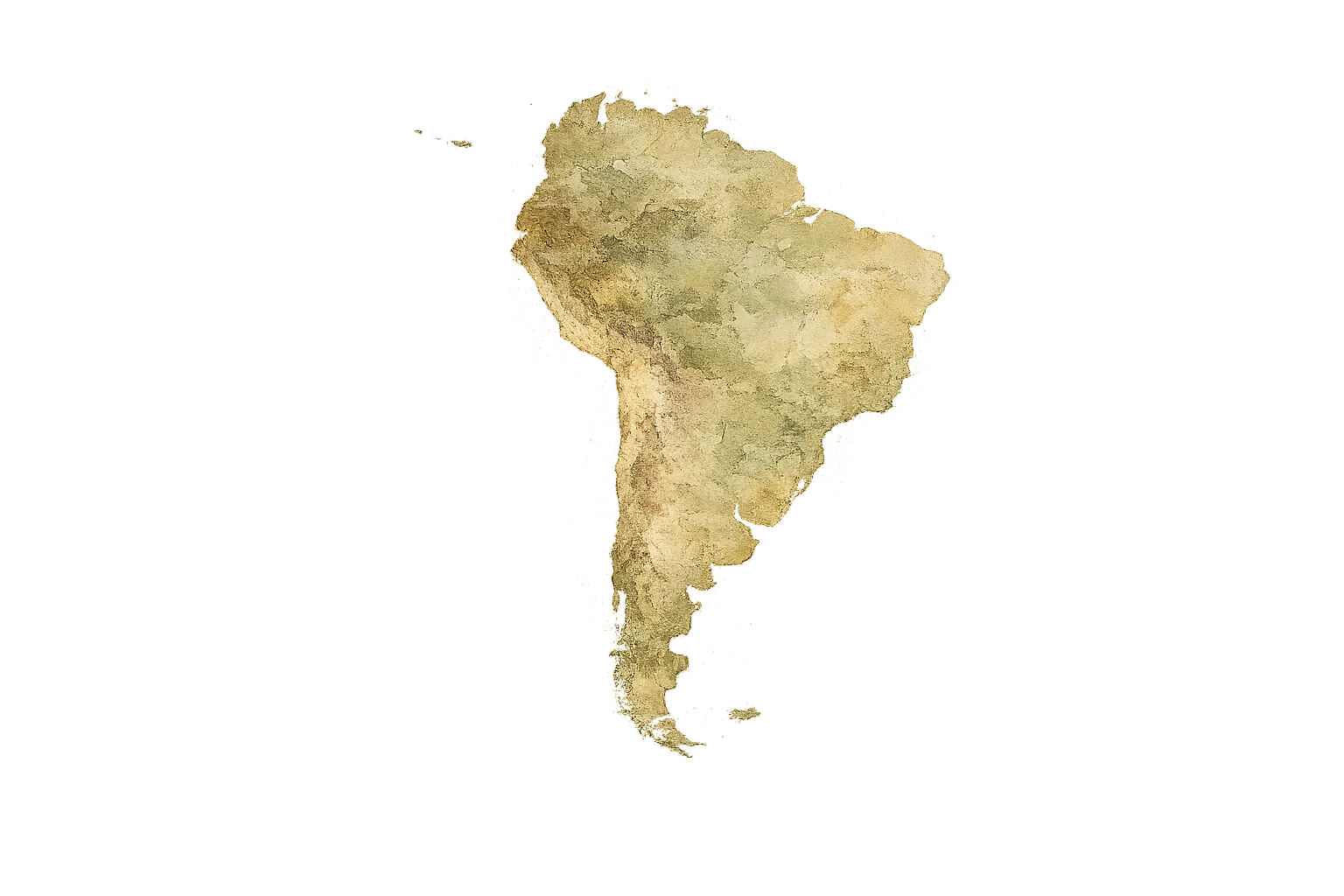
South America
Explore with Plizio Discover more places in South America
More places in Peru →

Nearby cities

History & landmarks
Nature
More places