Plizio Visual Lab

Salcantay
Plizio editorial teamData Sources
Mountain
—°4
Salcantay (Peru)

Weather…

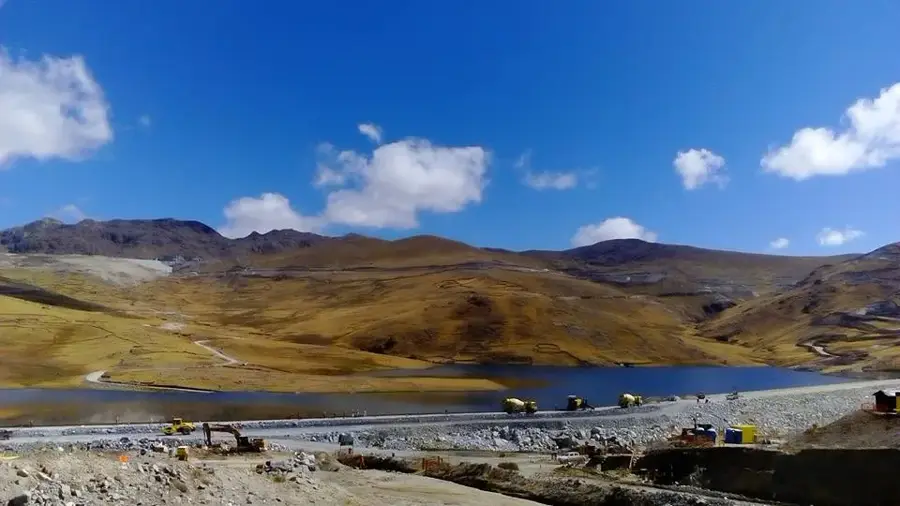
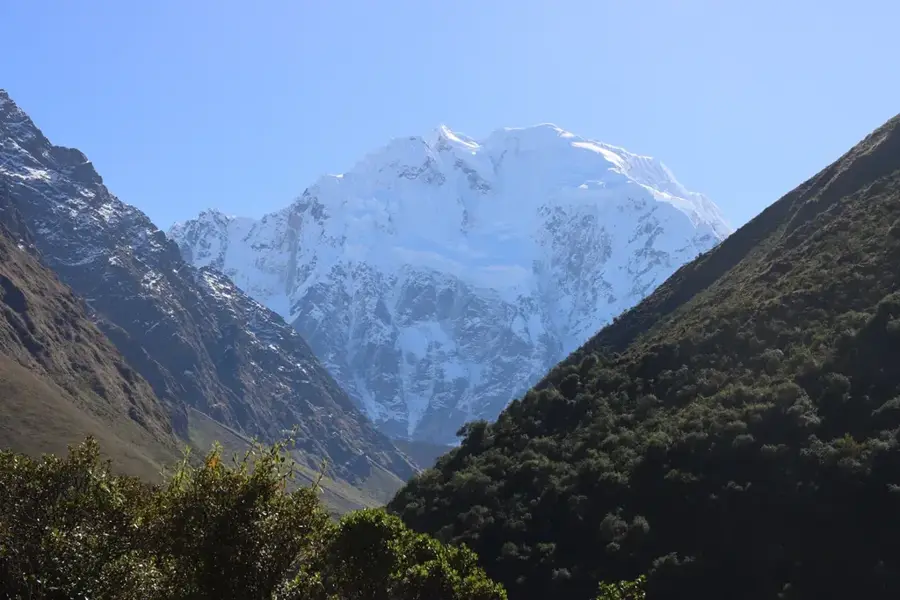
Mount Salkantay is a majestic and sacred peak in the Cordillera Vilcabamba, standing as the highest mountain in the range at 6,271 meters. Its name in Quechua means 'Savage Mountain,' reflecting its rugged, untamed beauty and the unpredictable weather that often swirls around its snow-capped summit. Salkantay is considered one of the most important 'Apus' or mountain deities by the Andean people, often associated with rain and fertility. The Salkantay Trek, which passes through a high pass at 4,600 meters before descending into the cloud forest, is widely ranked as one of the best hiking routes in the world and serves as a spectacular alternative path to Machu Picchu. The mountain's dramatic presence and its role as a spiritual guardian make it a cornerstone of the Cusco highlands.

Best time to visit & climate

The most pleasant time to visit is Jun, Aug, Sep.

JanFebMarAprMayJunJulAugSepOctNovDec
Avg °C998888889999
Rain mm136133102411241211236073138

📋 Practical info

🧭
Getting there
Trekking groups generally travel by bus or van from Cusco to the trailhead at Soraypampa or Challacancha, where the multi-day hike traversing the diverse mountain passes towards Machu Picchu traditionally begins.
📅
Best season
The dry Andean winter months stretching from April to October are widely considered the safest and most enjoyable time for the trek, offering clear views and significantly drier trail conditions.
⛰️
Terrain & paths
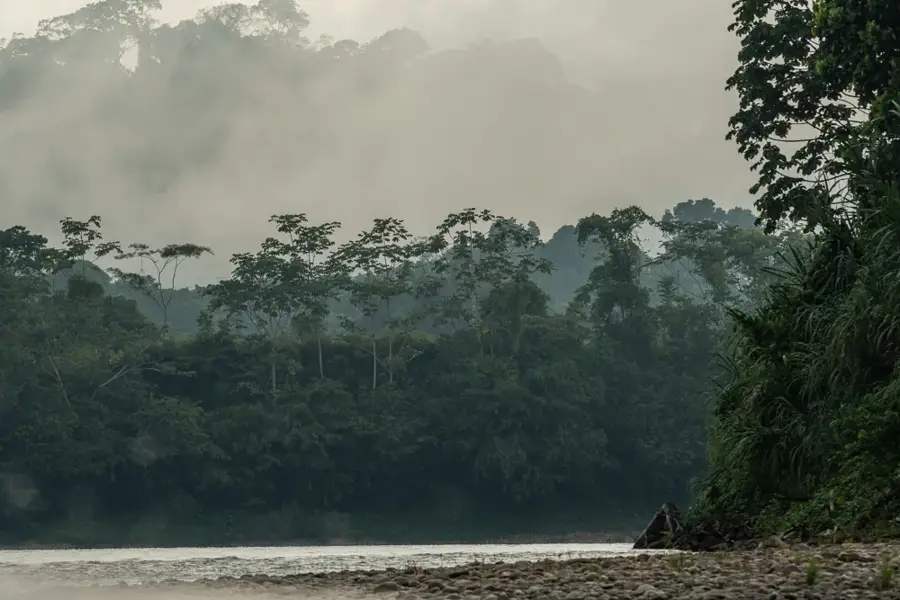
The route is notably diverse, initially crossing a very steep, frigid high-altitude pass near the imposing glacier before rapidly descending into a much warmer, humid, and heavily vegetated cloud forest environment.
🎒
What to bring
Participants must pack versatile layered clothing to handle both freezing alpine nights and humid jungle days, alongside broken-in waterproof hiking boots, strong insect repellent, and dependable trekking poles for knee support on the descents.
🅿️
Parking
Due to the point-to-point nature of the trek ending at Machu Picchu, visitors do not drive to the trailhead; instead, vehicles are left at hotels or long-term parking facilities back in Cusco.
⚠️
Safety
Reaching altitudes exceeding 4600 meters requires strict prior acclimatization to avoid serious illness, while hikers must also remain vigilant on narrow, occasionally slippery jungle trails shared with pack animals.
⏱️
Time needed
The classic guided trekking itinerary spans four to five days in total, culminating with an early morning exploration of the iconic Machu Picchu ruins before returning by train to Cusco.

Geography

Coordinates
-13.33000, -72.54000

Facts

  • The highest peak in the Cordillera Vilcabamba (6,271 meters / 20,574 feet).
  • Considered the 'protector' of the city of Cusco and the Sacred Valley.
  • The Salkantay Trek was named by National Geographic as one of the top 25 treks in the world.
  • Passes through diverse ecological zones, from high Andean puna to tropical cloud forest.
  • The mountain features massive glaciers that are vital sources of water for the region.
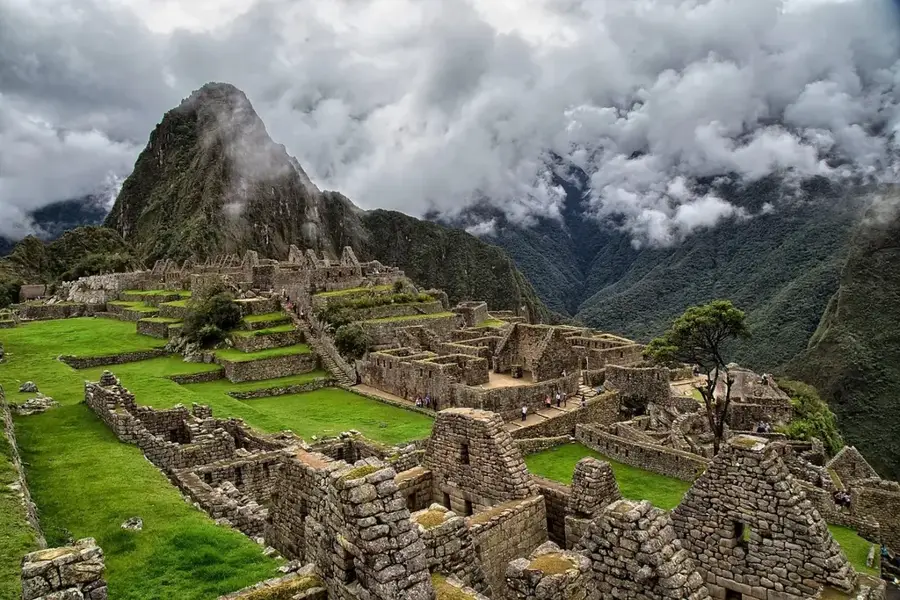
  • Visible from many parts of the Machu Picchu historical sanctuary on a clear day.
  • Traditional 'despacho' ceremonies (offerings to the earth) are still performed on its slopes.
  • The name 'Salkantay' is derived from the Quechua 'salka', meaning wild or uncivilized.

Explore nearby

Notable places around
Route planner — Car & Motorhome

Where do you start? We build the route here, with stops and country notes along the way.

Vehicle
Only stops with (optional):

© OpenStreetMap contributors · OpenRouteService

Sights in the town Salcantay (4)

Wamantay🌿 nature

Wamantay is a prominent snow-capped Andean peak towering majestically above the bright, glacier-fed turquoise waters of Lake Humantay.

Tukarway🌿 nature

Tukarway is a dramatic, glaciated mountain peak forming a visually striking part of the remote and rugged Vilcabamba mountain range.

Humantay Peak🌿 nature

Humantay Peak is a majestic, ice-clad mountain summit that provides the essential glacial meltwater for the famously bustling blue alpine lake situated at its base.

Inkaraqay🏺 historical

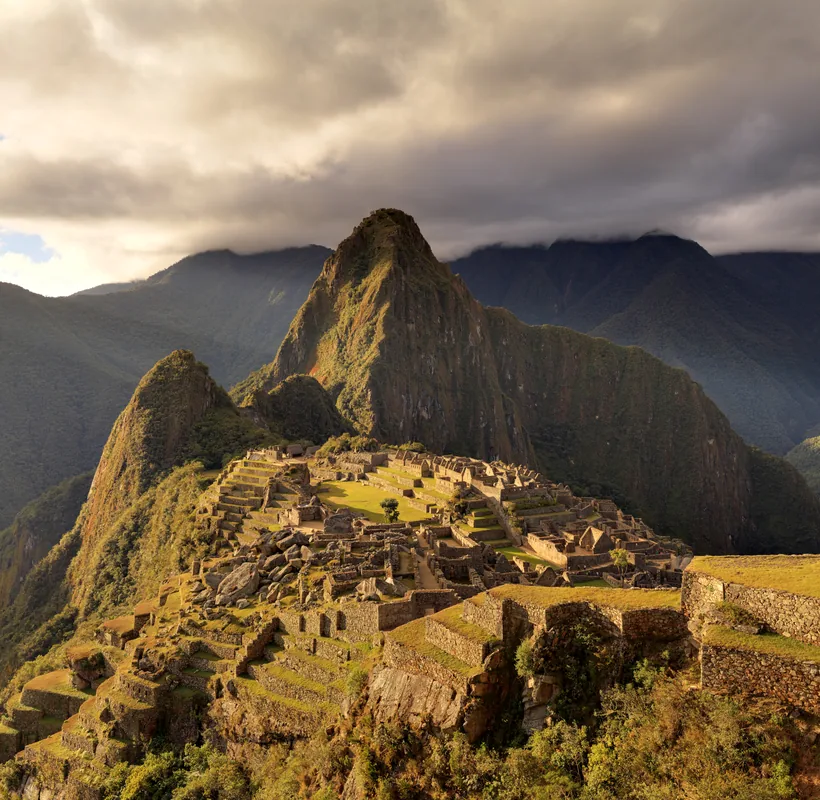
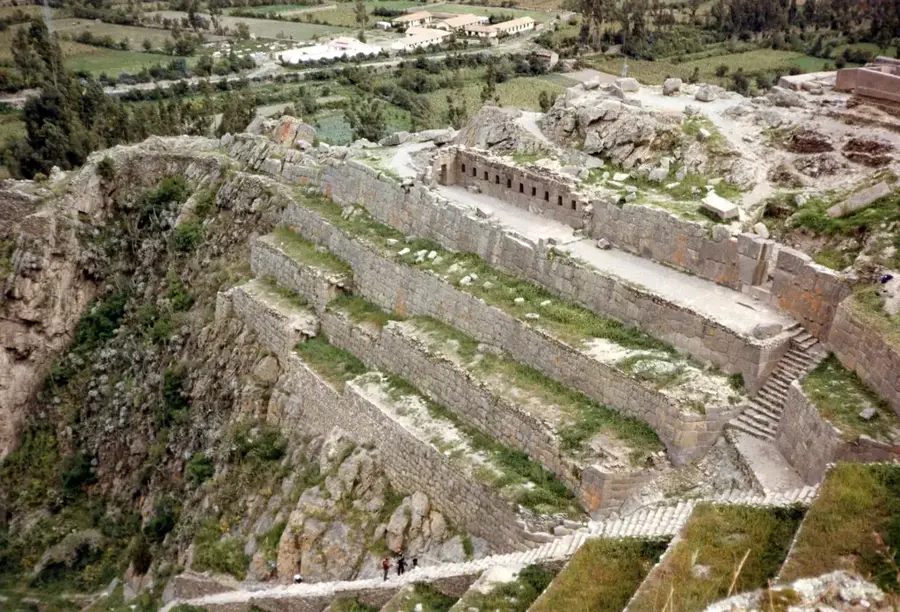
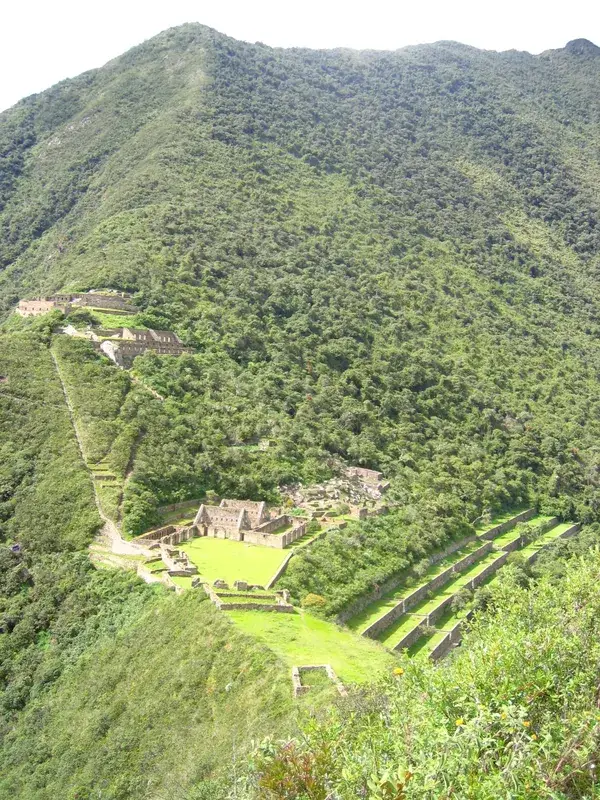
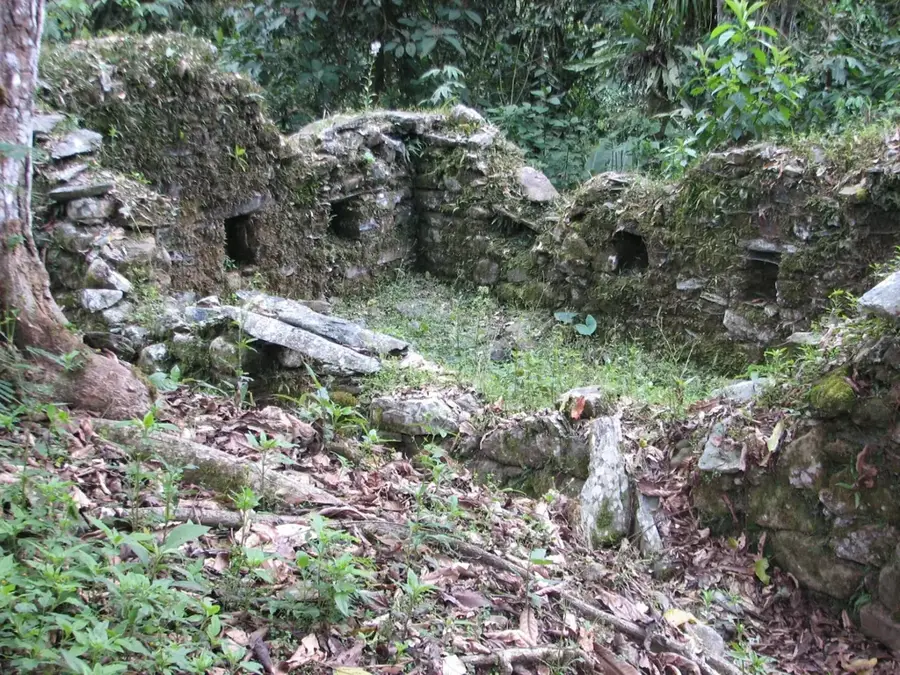
Inkaraqay is an ancient archaeological site featuring the stone ruins of a pre-Columbian settlement.

Sights nearby

Frequently asked questions

What makes the Salcantay trek special?
It is a more scenic and quieter alternative to the Inca Trail.
Do you need training for this hike?
Yes, good physical fitness and acclimatization to the altitude are essential.
Which season is ideal?
The dry season from April to October has clear views.
Do you have to book the tour in advance?
Recommended to guarantee availability and professional guides.
Are there accommodations there?
Yes, there are various lodges and campsites along the route.
Salcantay: where is it located?
Salcantay is located in Peru.
Salcantay: what is there to see?
Highlights include Wamantay, Tukarway, Humantay Peak.
Salcantay: when is the best time to visit?
The most pleasant time to visit is Jun, Aug, Sep.
Salcantay: why is it worth visiting?
Mount Salkantay is a majestic and sacred peak in the Cordillera Vilcabamba, standing as the highest mountain in the range at 6,271 meters.
View on map → The Top 50 Attractions → OpenStreetMap →
South America
Explore with Plizio Discover more places in South America
More places in Peru →

Nearby cities

History & landmarks
Nature

More places