Plizio Visual Lab

Urubamba River
Plizio editorial teamData Sources
River
—°5
Urubamba River (Peru)

Weather…

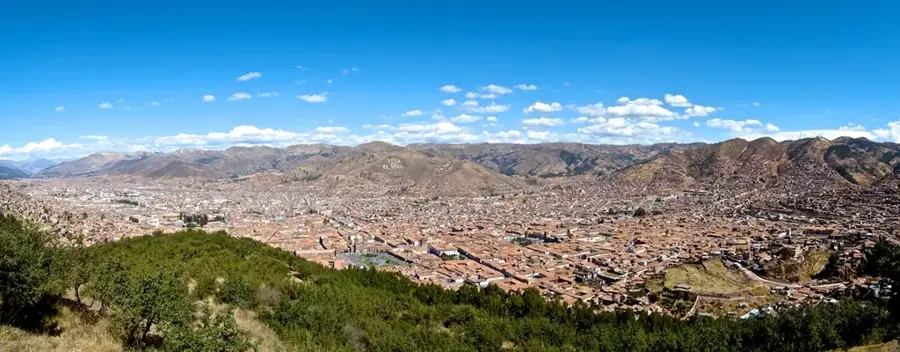
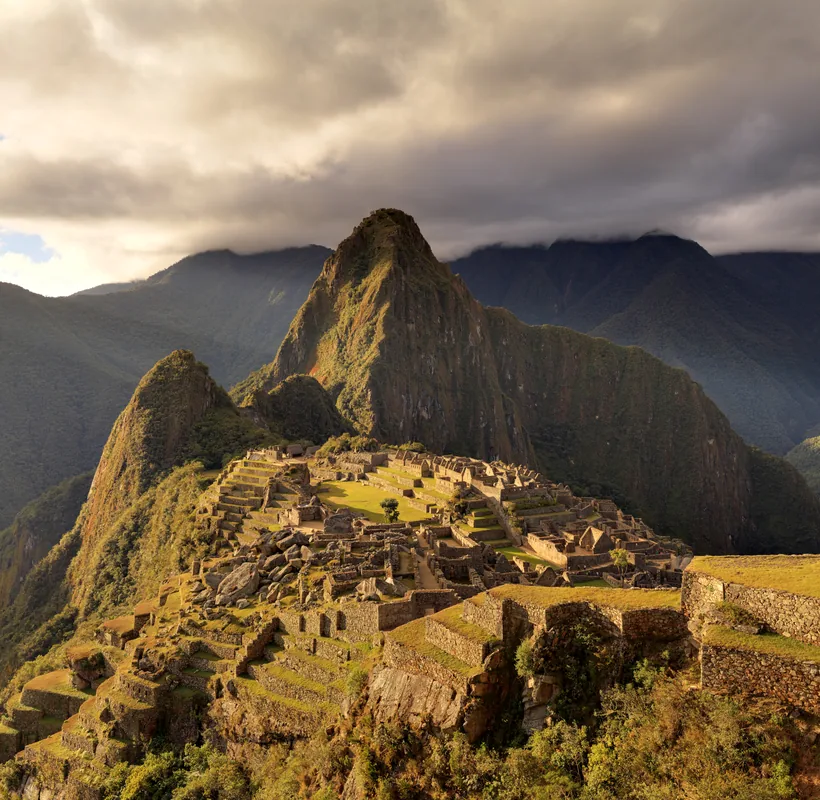
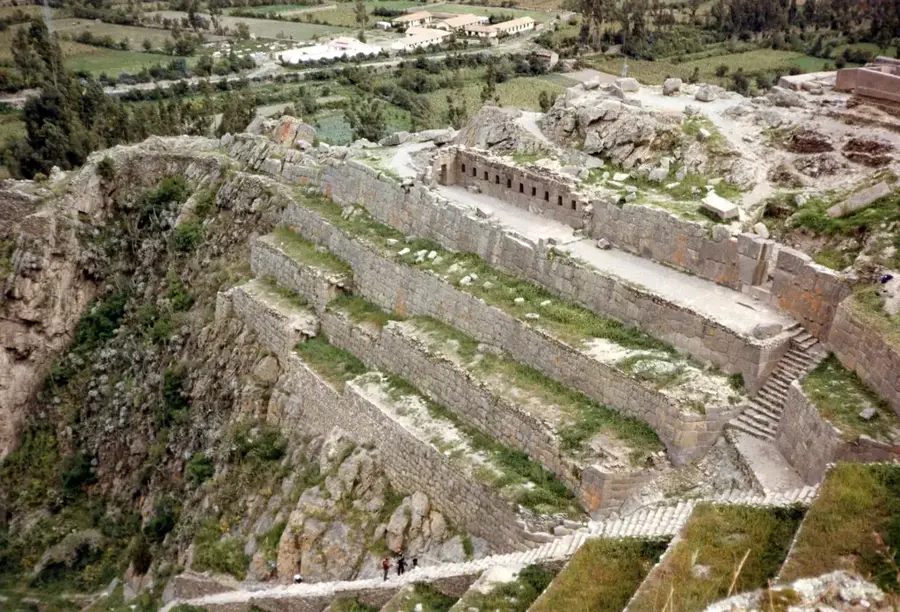
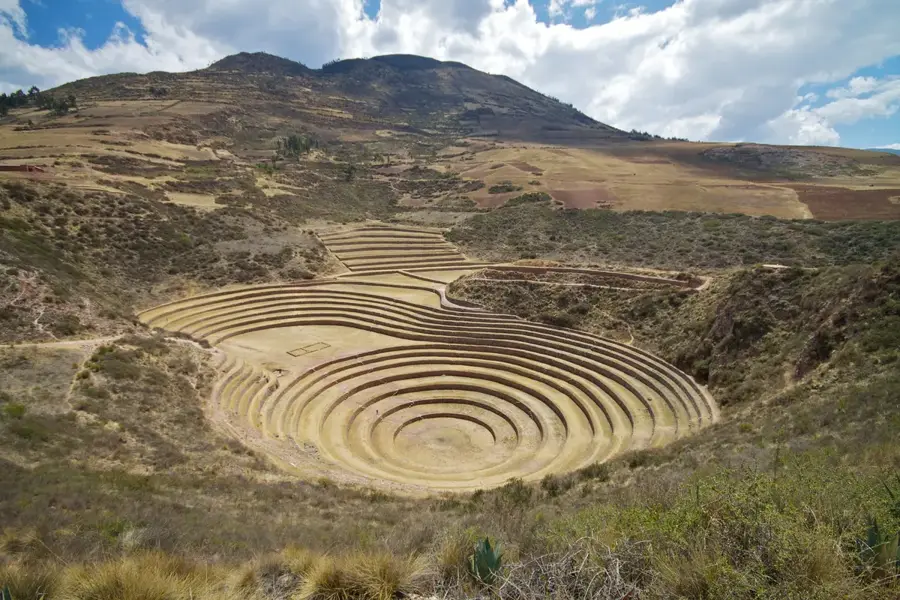
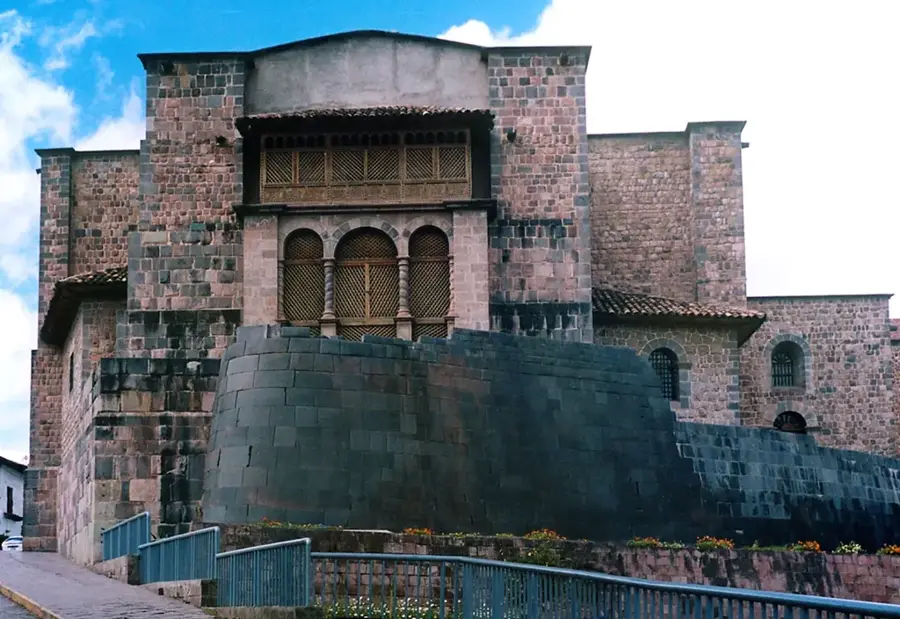
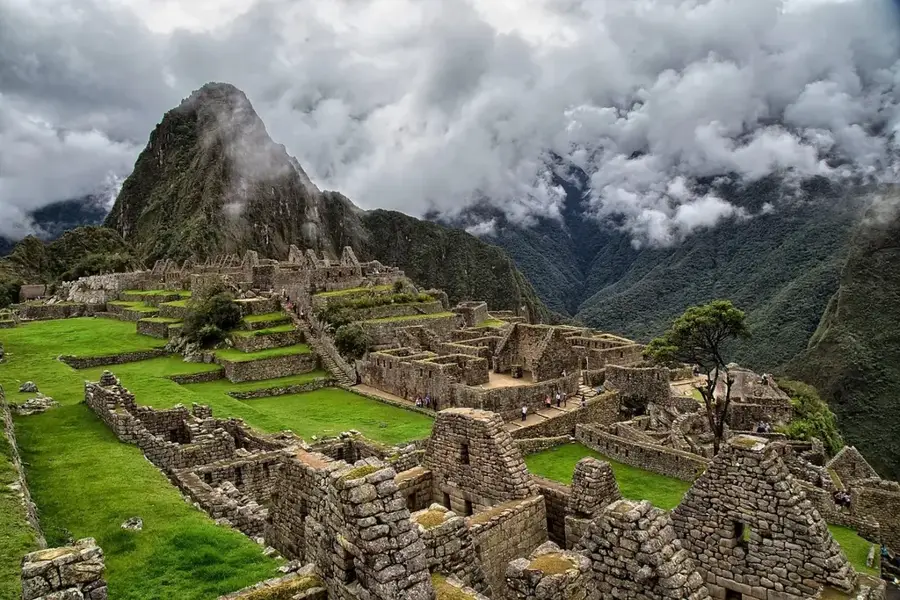
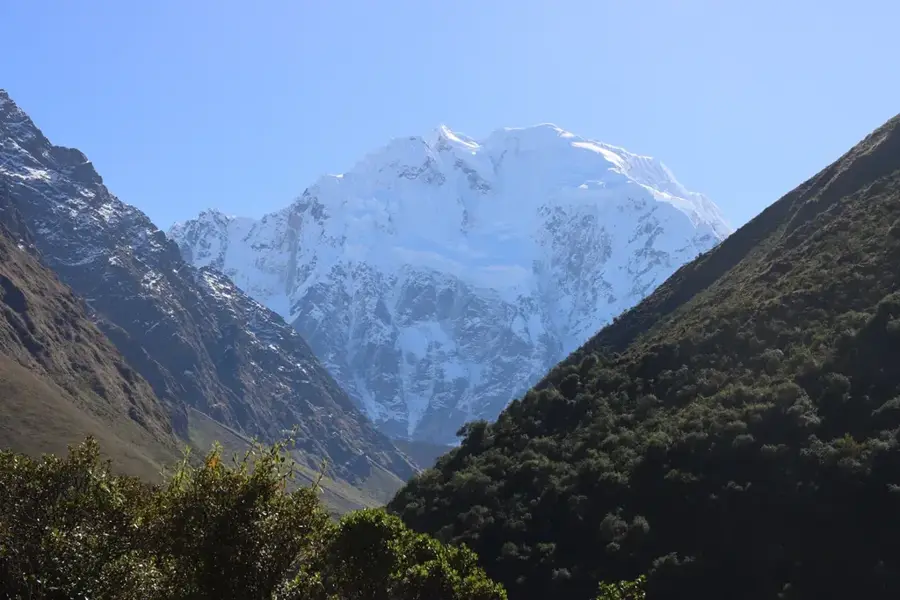
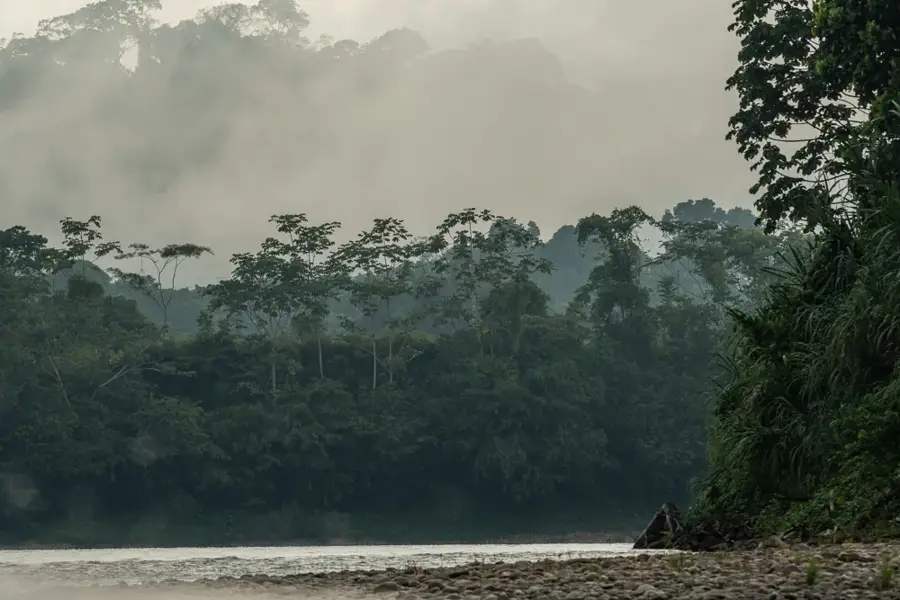
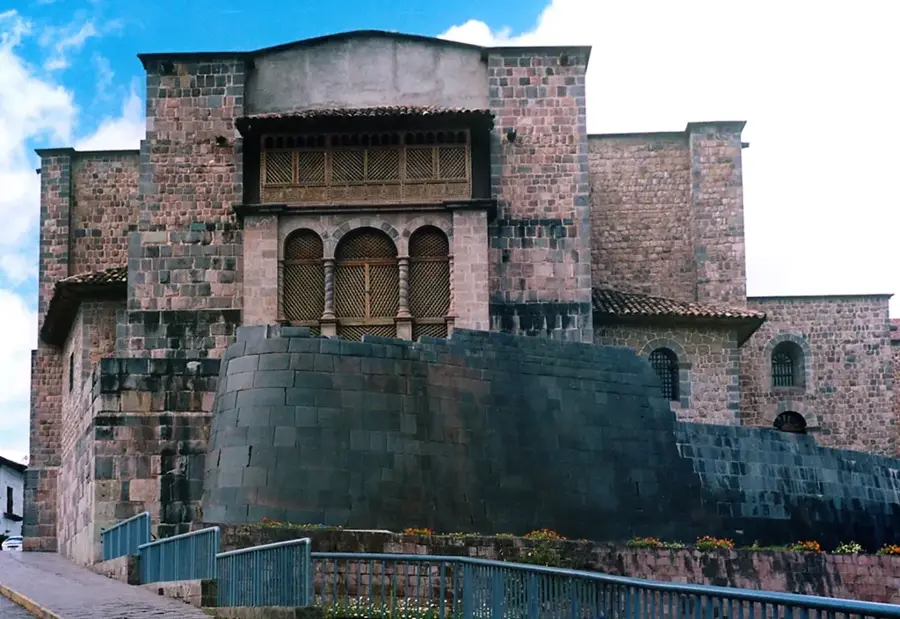
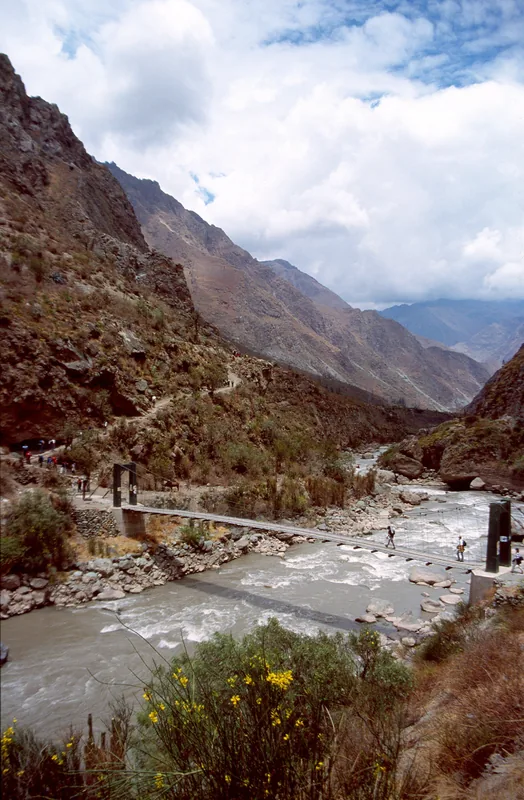
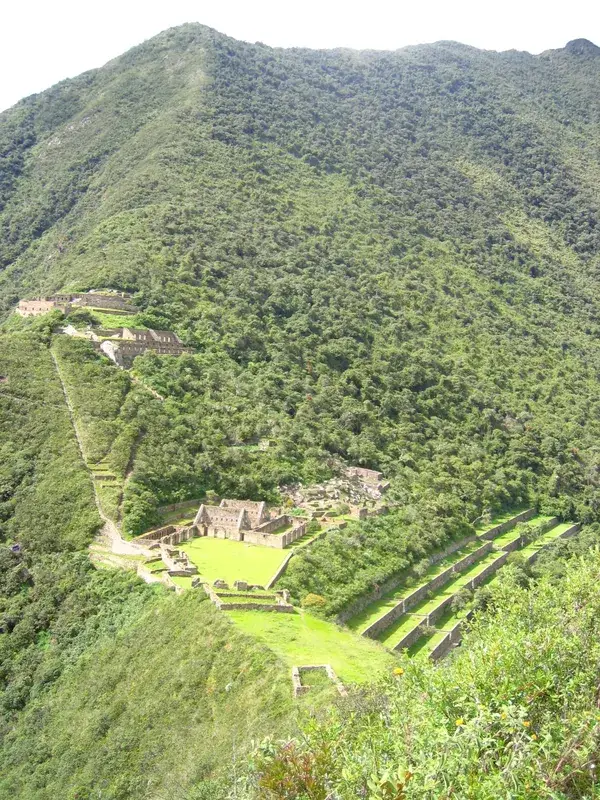
The Urubamba River is one of the most significant waterways in the Peruvian highlands and the central feature of the Sacred Valley of the Incas. It originates in the Andes southeast of Cusco, near the drainage divide between the Lake Titicaca basin and the Amazon basin. The river flows through deep canyons and fertile valleys before joining the Tambo River to form the Ucayali, one of the primary headwaters of the Amazon River. To the Incas, the river, which they called Willkamayu, held sacred status and was considered the terrestrial reflection of the Milky Way galaxy. Along its course lie numerous world-famous archaeological sites, including Pisac, Ollantaytambo, and the citadel of Machu Picchu, which towers over one of its meanders. The river valley has been renowned for centuries for the cultivation of high-quality maize and other agricultural products, supported by ancient irrigation systems. Geographically, the river is divided into the Upper Urubamba (Vilcanota) and the Lower Urubamba, separated by the Pongo de Mainique canyon. Today, the river is ecologically vital and serves as a major hub for whitewater rafting and tourism.

Best time to visit & climate

The most pleasant time to visit is Jun, Aug, Sep.

JanFebMarAprMayJunJulAugSepOctNovDec
Avg °C141313131313131414141414
Rain mm133131100411251210226073135

📋 Practical info

🧭
Getting there
The river is easily accessible from multiple towns along the Sacred Valley, such as Pisac, Urubamba, and Ollantaytambo, which are well-connected by paved roads and regular minibus services from Cusco.
📅
Best season
Whitewater rafting and general sightseeing are most popular and safest during the dry season from May to October, as the rainy season can swell the river to dangerously high and muddy levels.
⛰️
Terrain & paths
The riverbanks vary greatly, featuring gentle, flat agricultural terraces near the main valley towns and narrowing into steep, jagged, and heavily forested gorges as it flows closer to Machu Picchu.
🎒
What to bring
For land-based visits, comfortable walking shoes and basic sun protection are sufficient, but those participating in river rafting excursions will be provided with necessary helmets, life vests, and specialized splash jackets.
🅿️
Parking
Safe, designated parking areas are generally abundant at the various tourist restaurants, designated viewpoints, and prominent historical archaeological sites located alongside the river route.
⚠️
Safety
Visitors must exercise caution near the river edges, which can be slippery and unstable, and those booking rafting trips should strictly verify the safety credentials and reviews of the chosen tour operator beforehand.
⏱️
Time needed
While casual sightseeing along the river can occupy just a pleasant hour or two during a valley tour, a dedicated whitewater rafting adventure usually takes up half a day including safety briefings and transport.

Geography

Coordinates
-13.00000, -72.50000

Facts

  • The total length of the river is approximately 862 kilometers.
  • In its upper reaches, it is known as the Vilcanota River until Urubamba.
  • The Pongo de Mainique canyon marks the transition to the Amazon lowlands.
  • The citadel of Machu Picchu is located 450 meters above the river bed.
  • The river drains a massive basin of over 60,000 square kilometers.
  • Peru's largest natural gas project, Camisea, is located in the Urubamba basin.

Explore nearby

Notable places around

Route planner — Car & Motorhome

Where do you start? We build the route here, with stops and country notes along the way.

Vehicle
Only stops with (optional):

© OpenStreetMap contributors · OpenRouteService

Sights in the town Urubamba River (5)

The Guardian Farm📍 landmark

The Guardian Farm is a rural agricultural attraction offering visitors a glimpse into local farming practices.

Parador turistico📍 landmark

This roadside tourist pavilion serves as a scenic resting point for travelers exploring the Urubamba valley.

Chochapata📍 landmark

Chochapata is a high-altitude Andean attraction offering sweeping views of the surrounding rugged terrain.

Incatambo🏺 historical

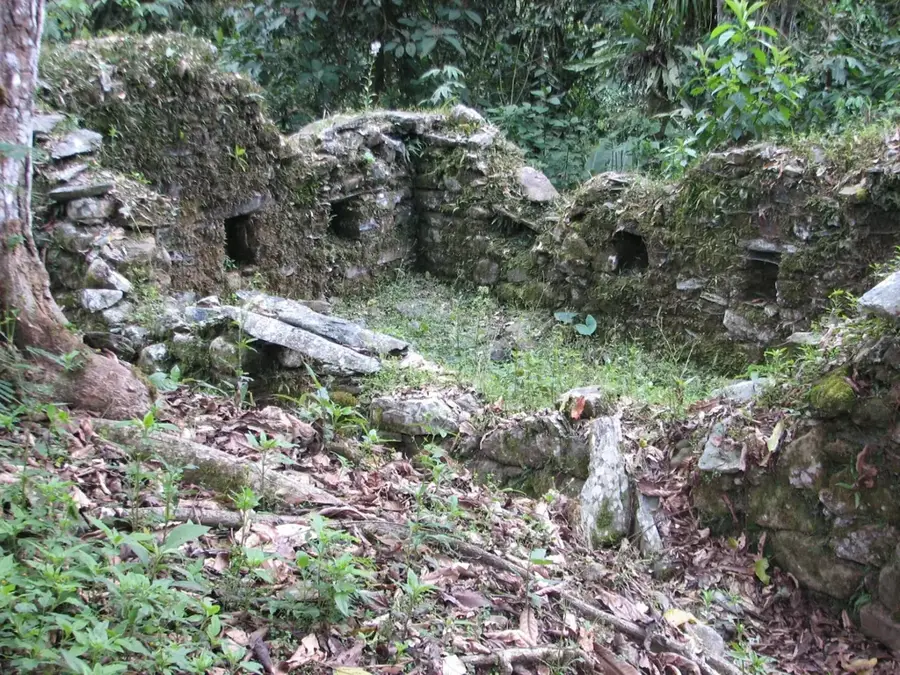
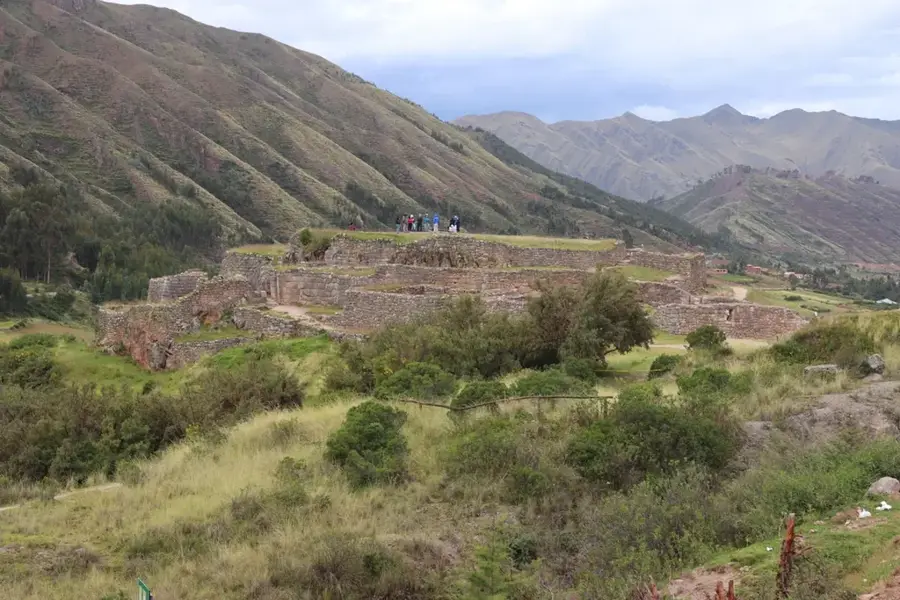
The archaeological site of Incatambo features the terraced stone remains of an ancient Incan waystation.

Wamanmarka🏺 historical

The heritage-listed archaeological site of Wamanmarka encompasses extensive pre-Columbian stone ruins and ceremonial platforms.

Sights nearby

Frequently asked questions

Why is the Urubamba valley called 'Sacred Valley'?
Due to its spiritual significance for the Incas and the many archaeological sites.
What is the best way to get to the valley?
From Cusco airport by taxi or organized minibus transfer.
Can you do water sports on the river?
Yes, rafting tours for various difficulty levels are very popular.
Is the climate there pleasant?
Yes, it is milder than in Cusco, which is handy for acclimatization.
Is it worth a visit for families?
Very much so, there are many cultural and natural activities for all ages.
Urubamba River: where is it located?
Urubamba River is located in Peru.
Urubamba River: what is there to see?
Highlights include The Guardian Farm, Parador turistico, Chochapata.
Urubamba River: when is the best time to visit?
The most pleasant time to visit is Jun, Aug, Sep.
Urubamba River: why is it worth visiting?
The Urubamba River is one of the most significant waterways in the Peruvian highlands and the central feature of the Sacred Valley of the Incas.
View on map → The Top 50 Attractions → OpenStreetMap →
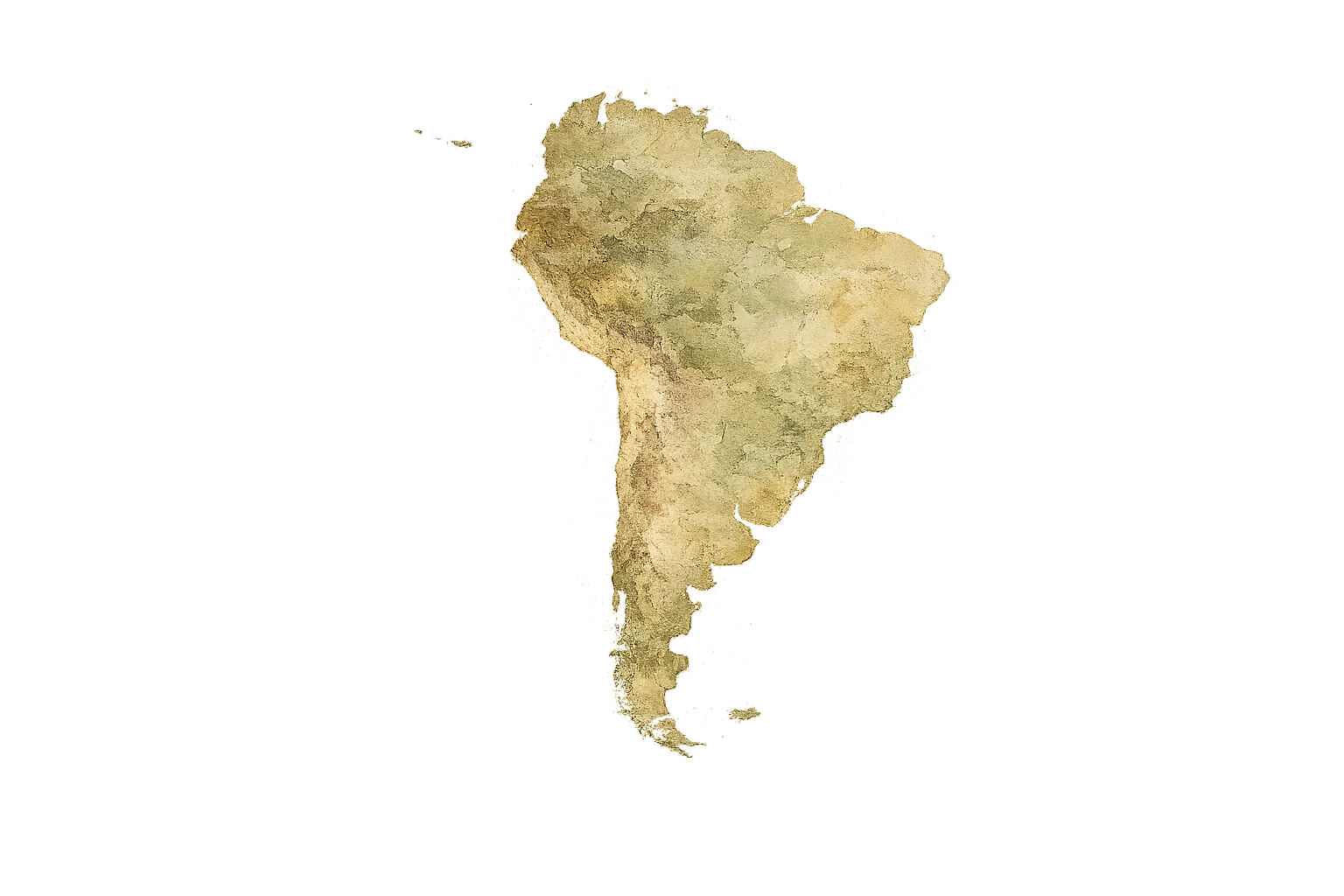
South America
Explore with Plizio Discover more places in South America
More places in Peru →

Nearby cities

History & landmarks
More places