Plizio Visual Lab
Q'enqo
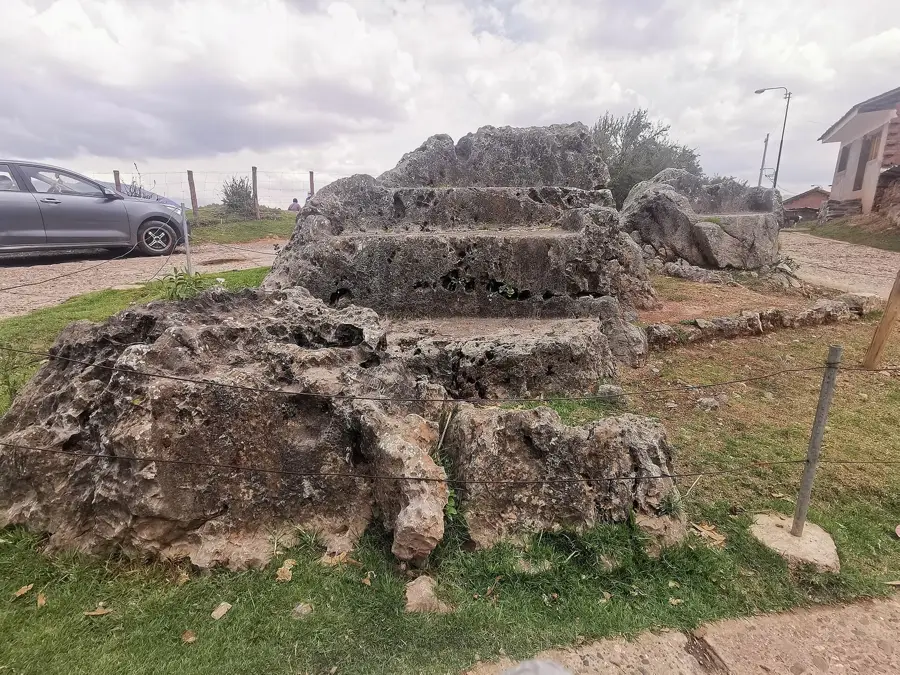
Q'enqo is one of the most enigmatic Inca sanctuaries, consisting of a massive limestone rock that has been intricately carved with channels, steps, and altars. Its name, which means 'zigzag' or 'labyrinth' in Quechua, likely refers to the winding channels carved into its surface, possibly used for ritual libations of chicha or blood. The most fascinating part of the site is its semi-enclosed underground chamber, which contains a large stone altar where mummification or other sacred ceremonies may have taken place. Unlike the massive built structures of other Inca sites, Q'enqo is an example of 'carved rock' architecture, where the natural form of the stone was modified for spiritual purposes. Surrounded by a forest of eucalyptus trees, it has a quiet and mystical feel that stands in contrast to the nearby fortress of Sacsayhuamán. It remains a key site for understanding Inca religious practices and their connection to the earth.
- Location: Peru
- Top sights: Chuspiyoq · Sillarumiyoq · Kusilluchayoq
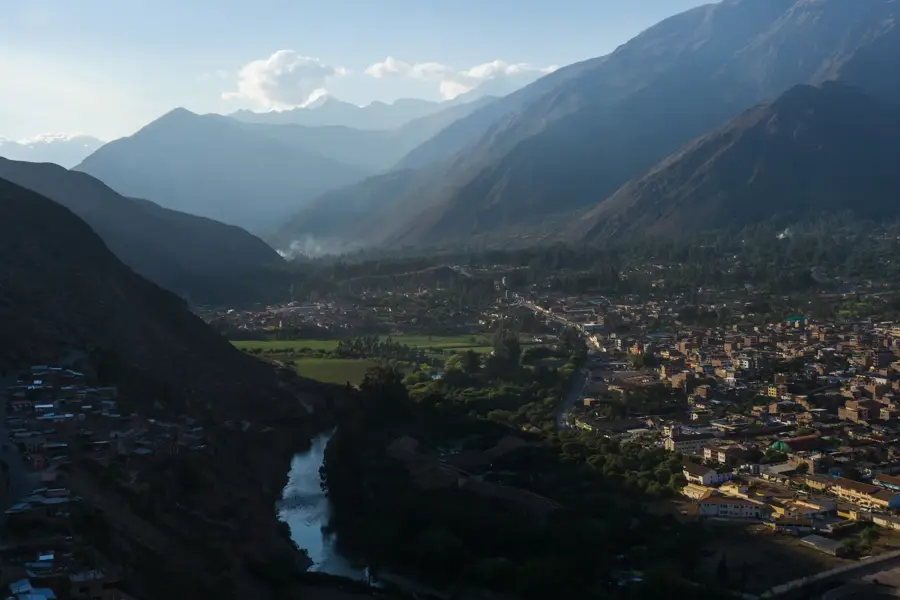
- Nearby: Urubamba (18 km)
Best time to visit & climate
The most pleasant time to visit is May, Aug, Sep.
| Jan | Feb | Mar | Apr | May | Jun | Jul | Aug | Sep | Oct | Nov | Dec | |
|---|---|---|---|---|---|---|---|---|---|---|---|---|
| Avg °C | 9 | 9 | 8 | 8 | 8 | 8 | 7 | 8 | 9 | 9 | 9 | 9 |
| Rain mm | 129 | 127 | 96 | 44 | 9 | 4 | 11 | 8 | 18 | 63 | 72 | 137 |
📋 Practical info
Geography
Facts
- The main rock is a massive natural limestone monolith.
- Features a 'sacrificial room' located inside a natural cave within the rock.
- The zigzagging channels on top may have been used to predict the future based on how liquids flowed.
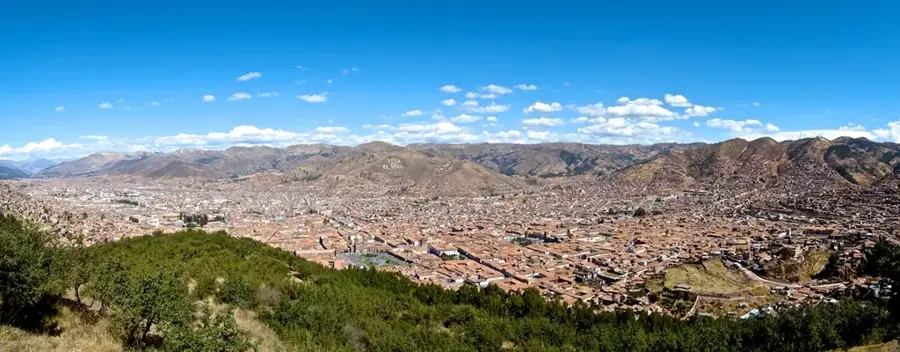
- Located just a few minutes' drive or a short hike from the city of Cusco.
- Part of the UNESCO World Heritage listed archaeological area of Cusco.
- Spanish accounts mention the site was once used for the worship of the puma.
- Includes a large stone pillar that may have served as a solar observatory.
- The interior chamber remains cool and constant in temperature, ideal for ritual use.
Explore nearby
Notable places around
Route planner — Car & Motorhome
Where do you start? We build the route here, with stops and country notes along the way.
© OpenStreetMap contributors · OpenRouteService
Sights in the town Q'enqo (4)
Sights nearby
Frequently asked questions
What is Q'enqo?
Are there guided tours available?
Is Q'enqo accessible?
What is the best time to visit?
Is there a separate entrance fee?
Q'enqo: where is it located?
Q'enqo: what is there to see?
Q'enqo: when is the best time to visit?
Q'enqo: why is it worth visiting?
Nearby cities
History & landmarks
Nature
More places