Plizio Visual Lab
San Pedro de Ycuamandiyú
ℹ️Practical info — San Pedro de Ycuamandiyú
▾
🌤 Weather — 5 days
📍 Nearby
Sights nearby
💡 Tips
- Explore the town early in the morning when the temperature is pleasant and the local agricultural life is active.
- Cash is essential here; make sure to bring enough Guaraníes, as ATMs can be unreliable or scarce.
- Respect the siesta time; many local shops close in the early afternoon.
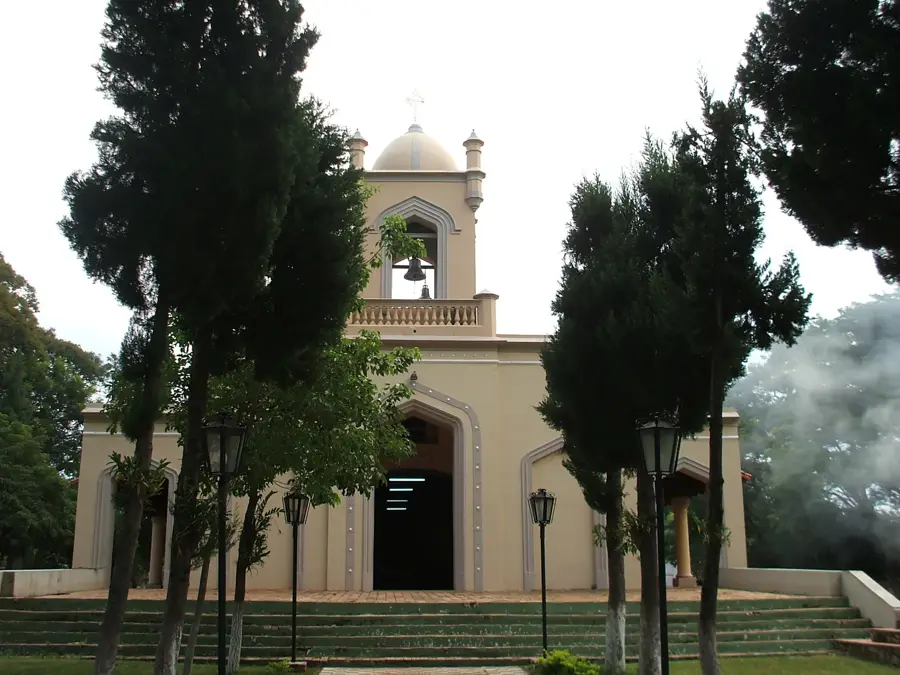
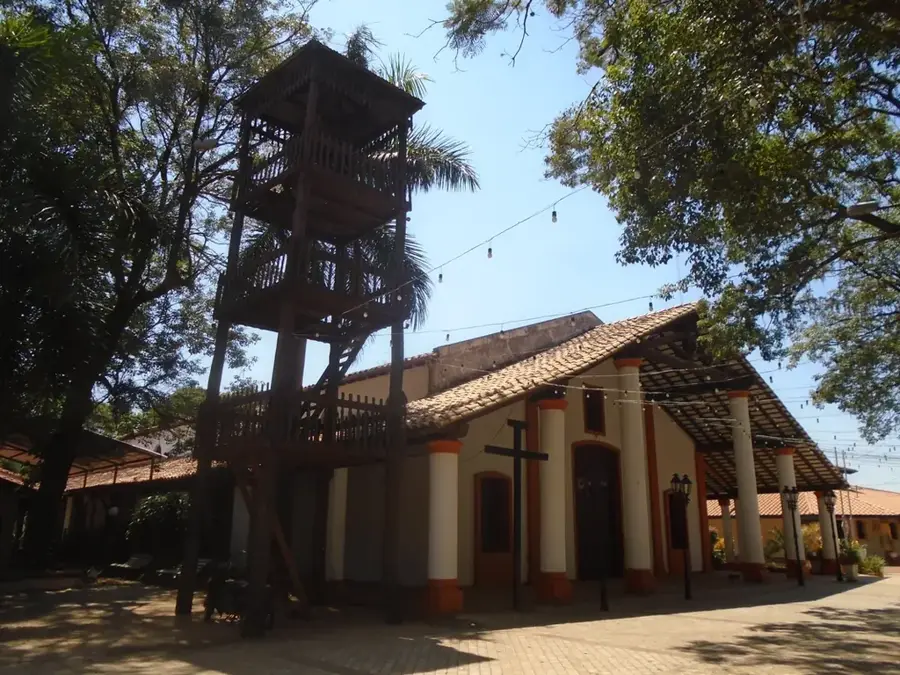
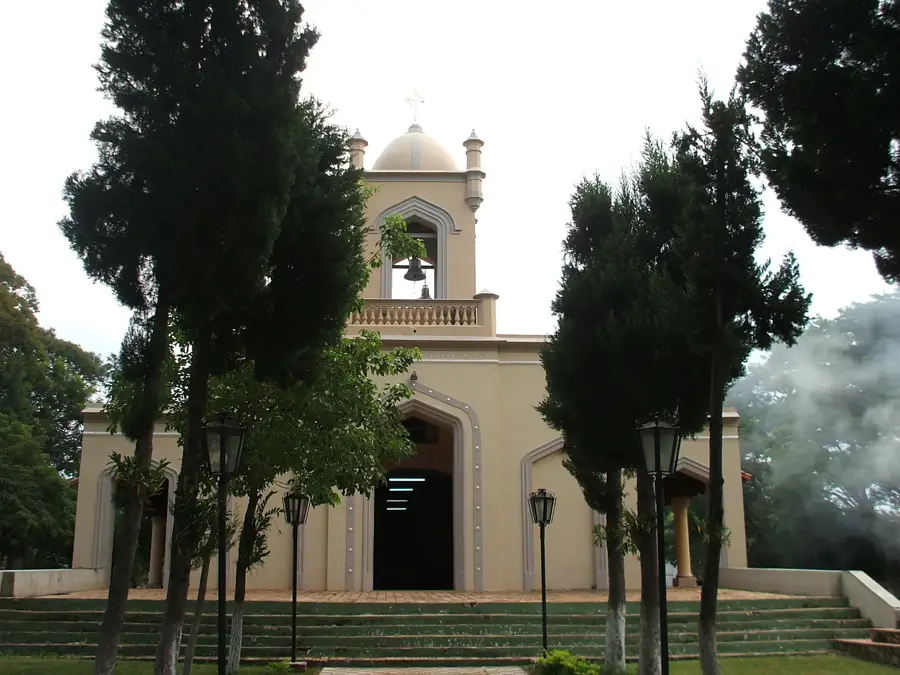
- Visit the historic church built in the colonial era, a rare sight in this rural agricultural region.
🍽 Food
A traditional, savory solid cornbread, widely available in local comedores and family-run bakeries.
A delicious cheese bread often sold fresh by street vendors in the early morning.
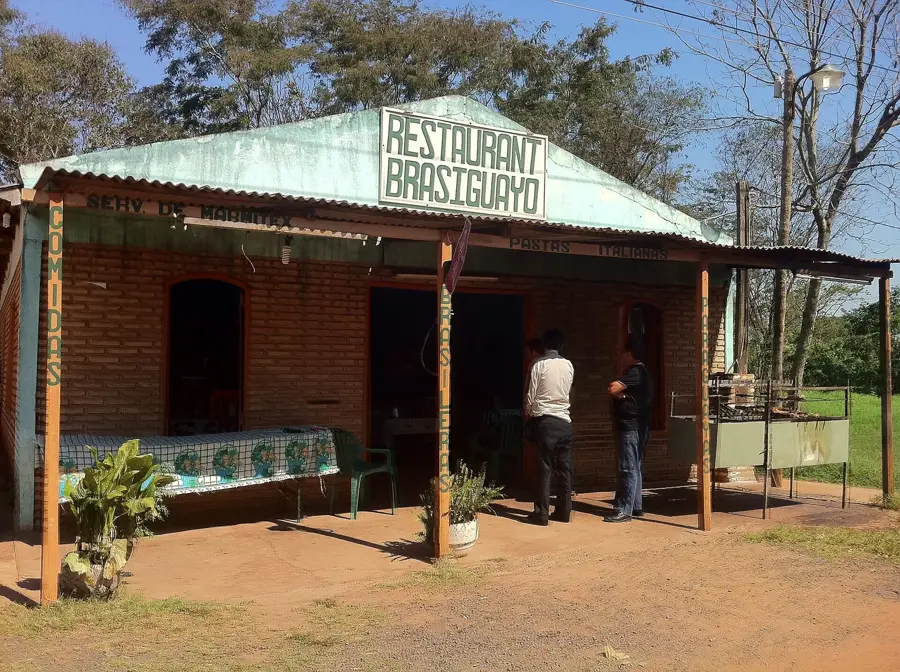
Paraguayan barbecue is a weekend staple; enjoy it at informal roadside grills just outside the town center.
🛍 Shopping · 🧘 Quiet spots
The best place to buy fresh, locally grown fruits, vegetables, and everyday goods directly from farmers.
Look for small artisanal workshops in town that produce durable, traditional leather saddles and belts.
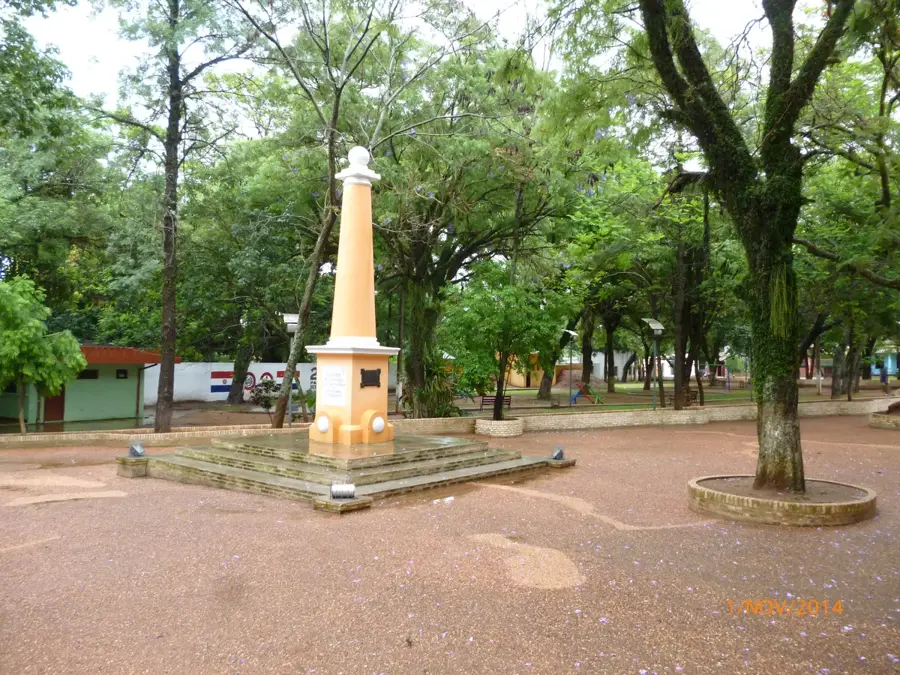
The central square with large shade trees, well-suited for sitting on a bench and people-watching.
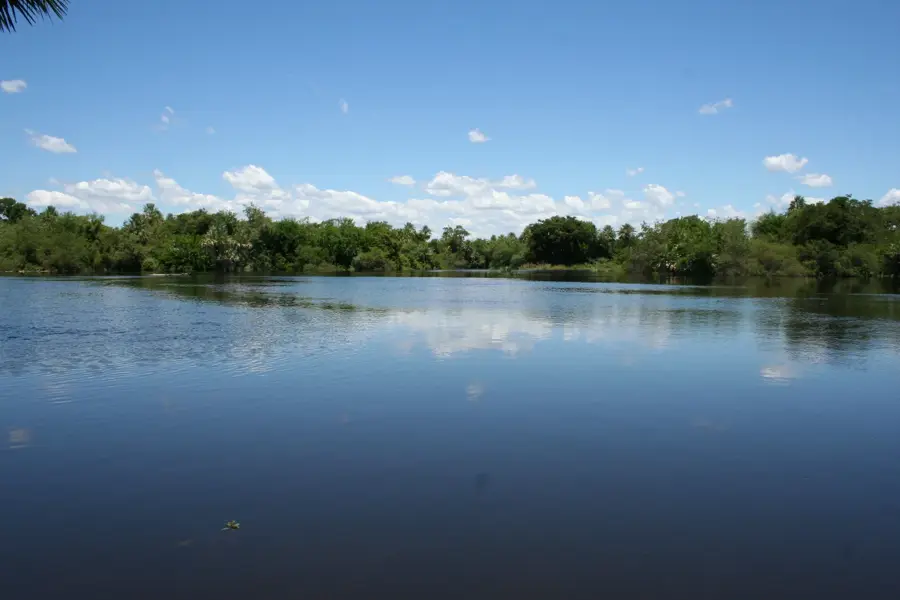
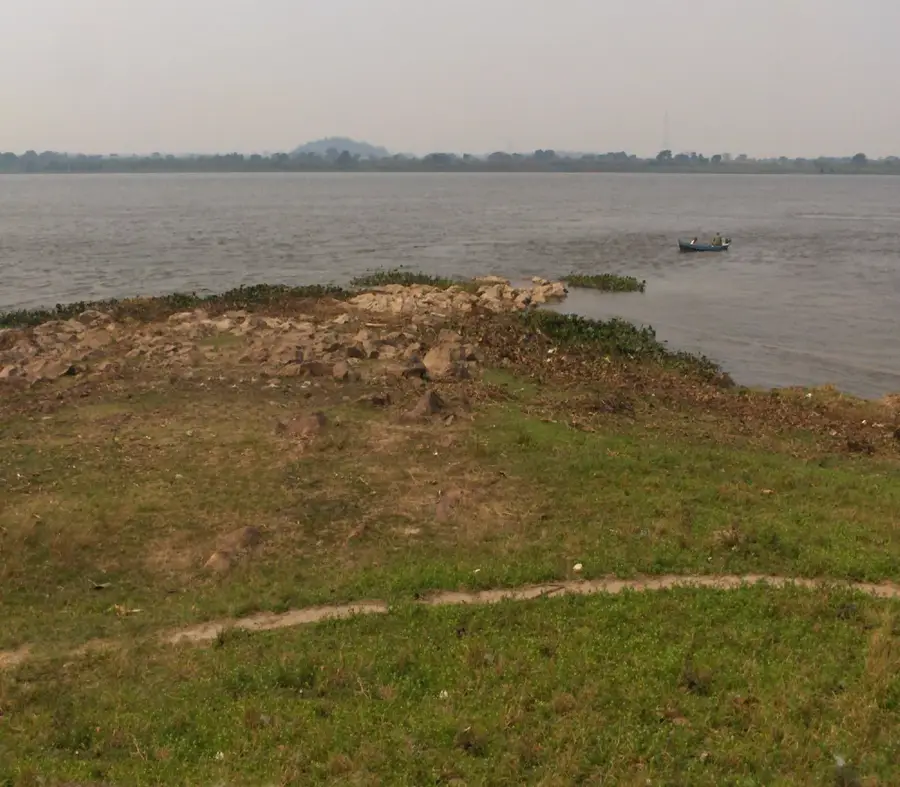
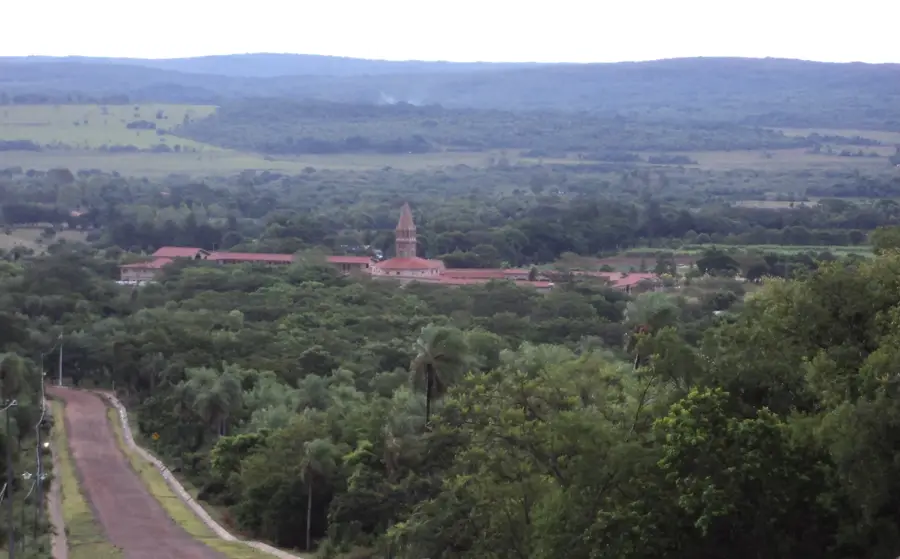
Take a short walk just outside the town to the riverbanks for a peaceful retreat into nature.
Water temperature…
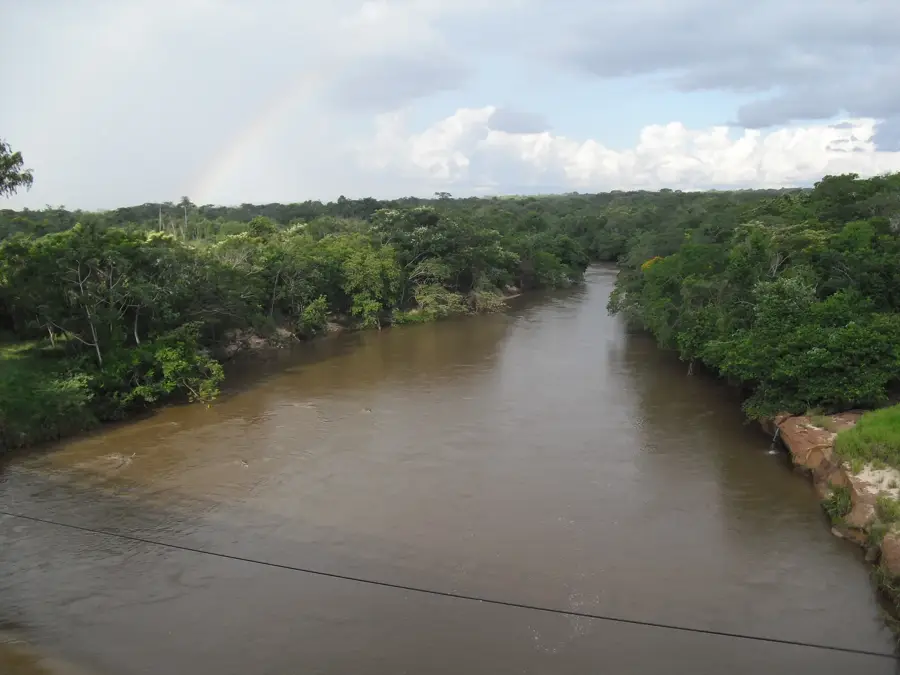
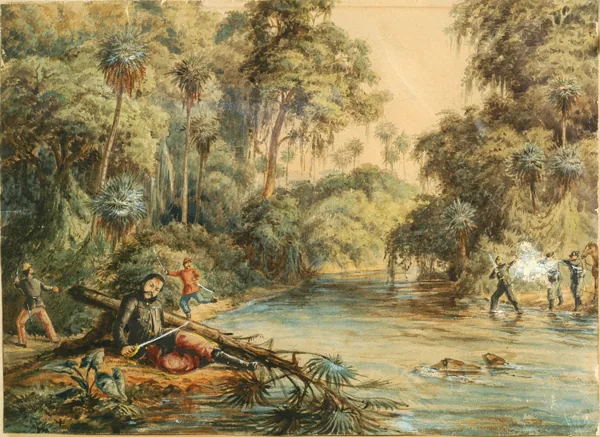
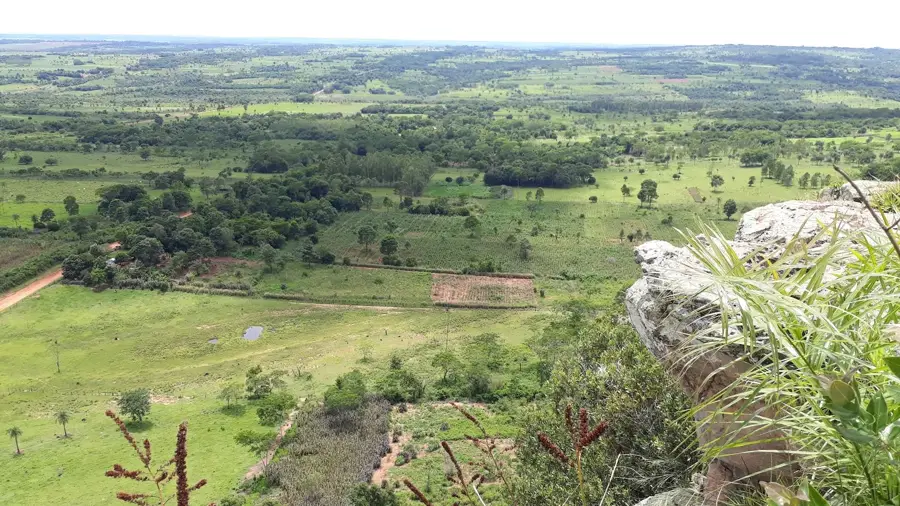
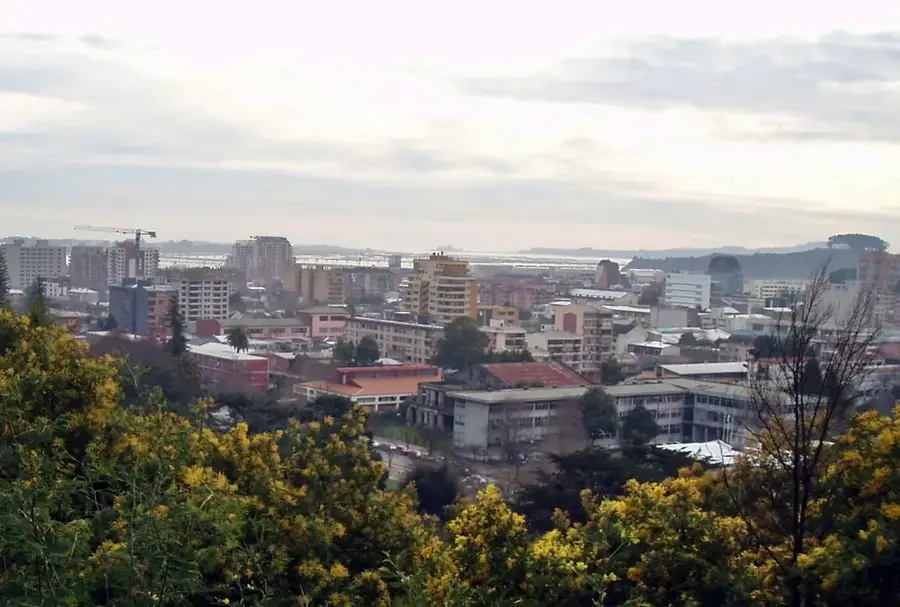
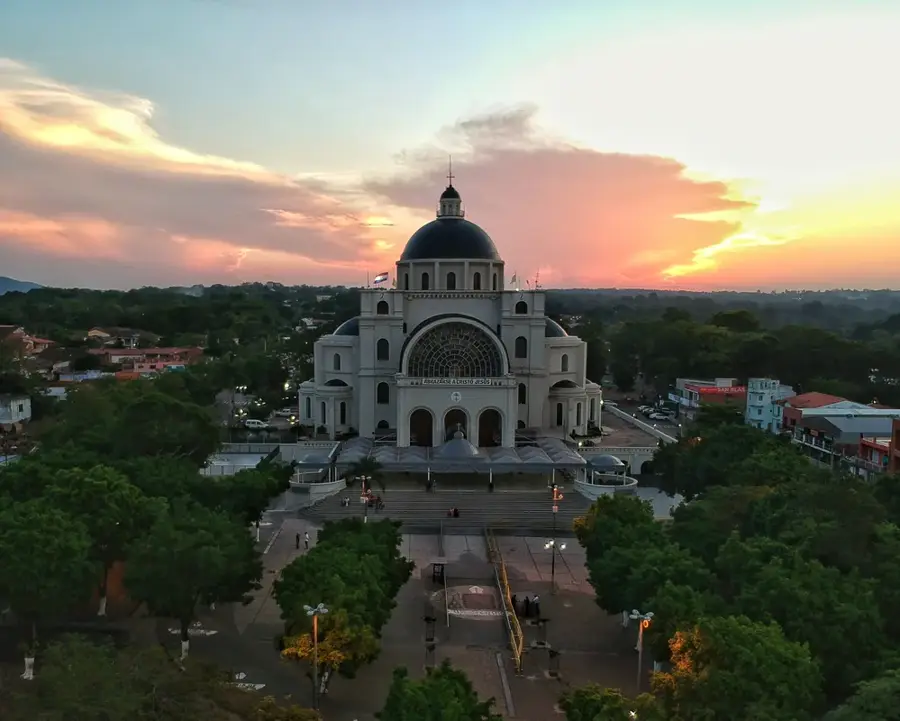
San Pedro de Ycuamandiyú serves as the historic capital of the San Pedro Department in central Paraguay. Established on March 16, 1786, the city was founded during the Spanish colonial era as part of a strategic effort to consolidate the eastern territories. The name 'Ycuamandiyú' translates from Guaraní as 'Well of the Cotton Field,' a poetic reference to the natural spring and the fertile lands that surround the settlement. Geographically, the city is situated near the Jejuí Guazú River, which was once the primary artery for transporting agricultural goods to the Paraguay River. The city's architectural heritage is remarkably well-preserved, featuring stately mansions with high ceilings and expansive verandas that offer a glimpse into the lifestyle of the 19th-century elite. The Cathedral of San Pedro is a centerpiece of colonial art, containing intricate wooden carvings and religious relics that date back to the town's early years. Economically, San Pedro de Ycuamandiyú is the nerve center for one of Paraguay's most productive agricultural departments. While cattle ranching is ubiquitous, the region is also a major producer of cotton, tobacco, and more recently, soybeans. The city plays a vital role in the political landscape of Paraguay, often serving as a focal point for agrarian reform discussions and social movements. Educational opportunities in the city have expanded significantly, with several universities established branches to serve the growing population. The local culture is a spirited mix of Spanish and Guaraní traditions, celebrated through festivals, music, and the pervasive ritual of sharing tereré (cold herbal tea). Efforts to boost eco-tourism and historical tourism have focused on the scenic banks of the Jejuí River and the restoration of colonial buildings. As the city moves into the 21st century, it balances the need for industrial development with the preservation of its quiet, garden-city character and its status as a symbol of Paraguayan rural resilience.
- Location: Paraguay
- Nearby: Horqueta (46 km)
- Population: ~11.548 (2026)
Best time to visit & climate
The most pleasant time to visit is Jul–Sep.
| Jan | Feb | Mar | Apr | May | Jun | Jul | Aug | Sep | Oct | Nov | Dec | |
|---|---|---|---|---|---|---|---|---|---|---|---|---|
| Avg °C | 29 | 28 | 27 | 24 | 20 | 18 | 18 | 20 | 23 | 26 | 26 | 28 |
| Rain mm | 136 | 152 | 114 | 142 | 140 | 80 | 59 | 37 | 83 | 166 | 196 | 168 |
Geography
Facts
- Founded in 1786, it is one of the oldest colonial cities in Paraguay.
- The city's name reflects both Catholic and Guaraní cultural roots.
- It is located in the central-eastern part of the Oriental Region of Paraguay.
- The city serves as the judicial and administrative seat of San Pedro Department.
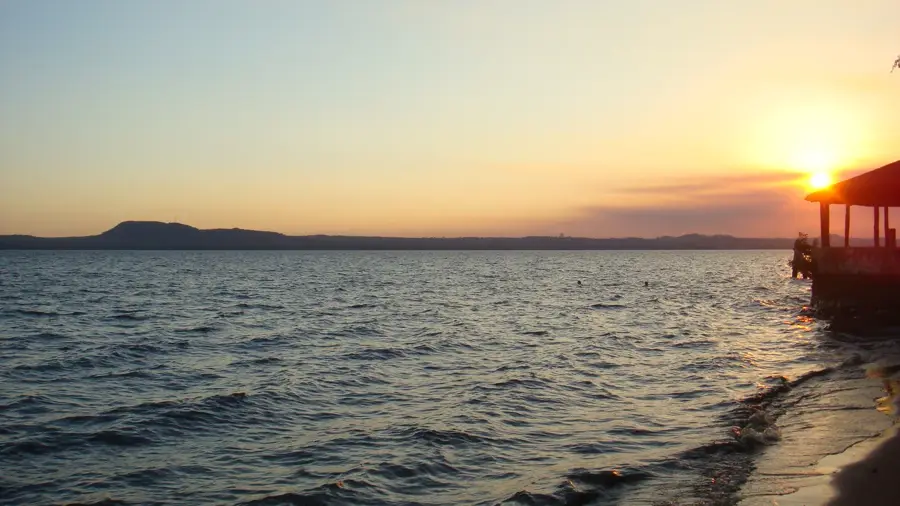
- The Jejuí Guazú River near the city is famous for its white sand beaches.
- The region is a major producer of petitgrain oil, extracted from bitter orange leaves.
- Annual rainfall in San Pedro de Ycuamandiyú averages around 1,500 mm.
- The town is a key center for the traditional Paraguayan woodcarving industry.
Explore nearby
Notable places around

Route planner — Car & Motorhome
Where do you start? We build the route here, with stops and country notes along the way.
© OpenStreetMap contributors · OpenRouteService
Sights in the town San Pedro de Ycuamandiyú (1)
Frequently asked questions
Is a stay in San Pedro worth it?
How is the infrastructure?
Are there cultural events?
How to reach the city?
Is it family friendly?
San Pedro de Ycuamandiyú: where is it located?
San Pedro de Ycuamandiyú: when is the best time to visit?
San Pedro de Ycuamandiyú: why is it worth visiting?
Nearby cities

History & landmarks
Nature