Plizio Visual Lab

Jostedalsbreen
Plizio editorial teamData Sources
Lake
—°2
Jostedalsbreen (Norway)

Weather…

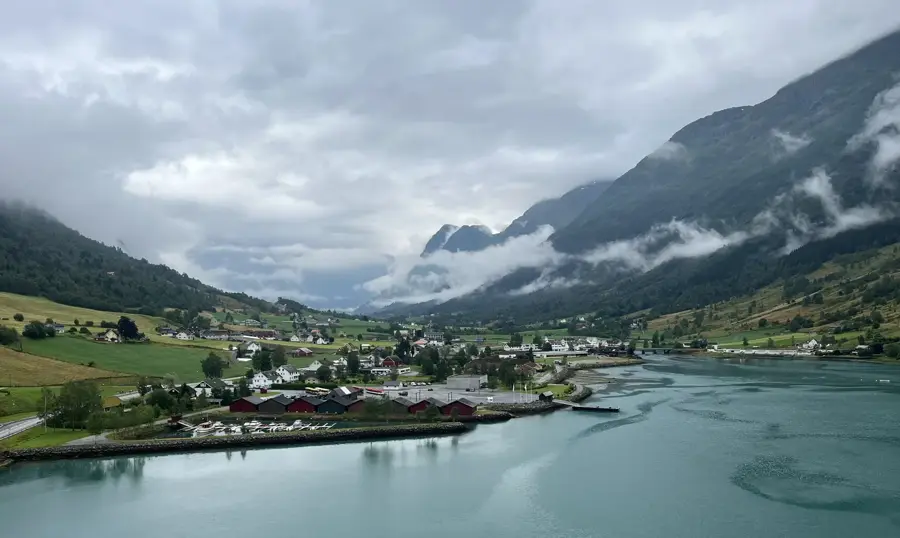
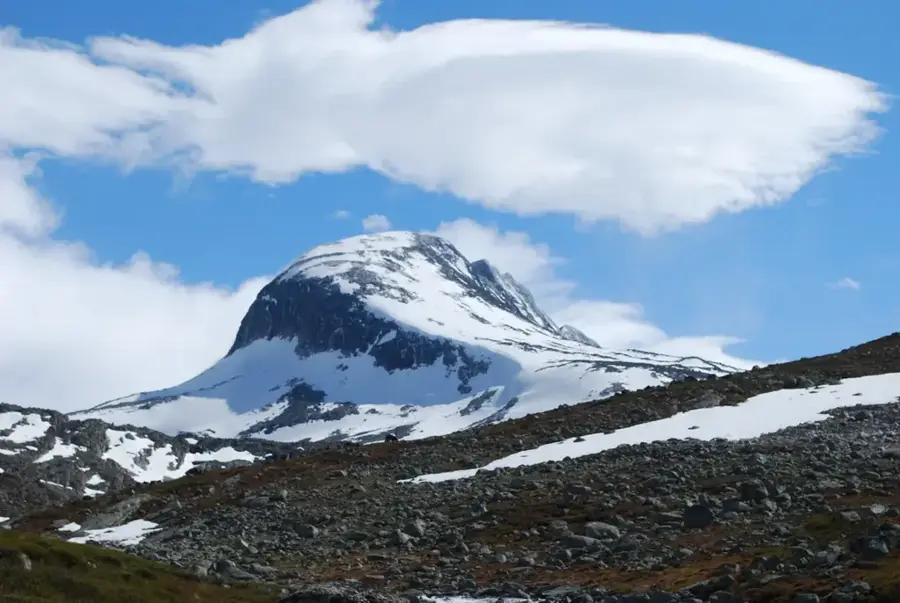
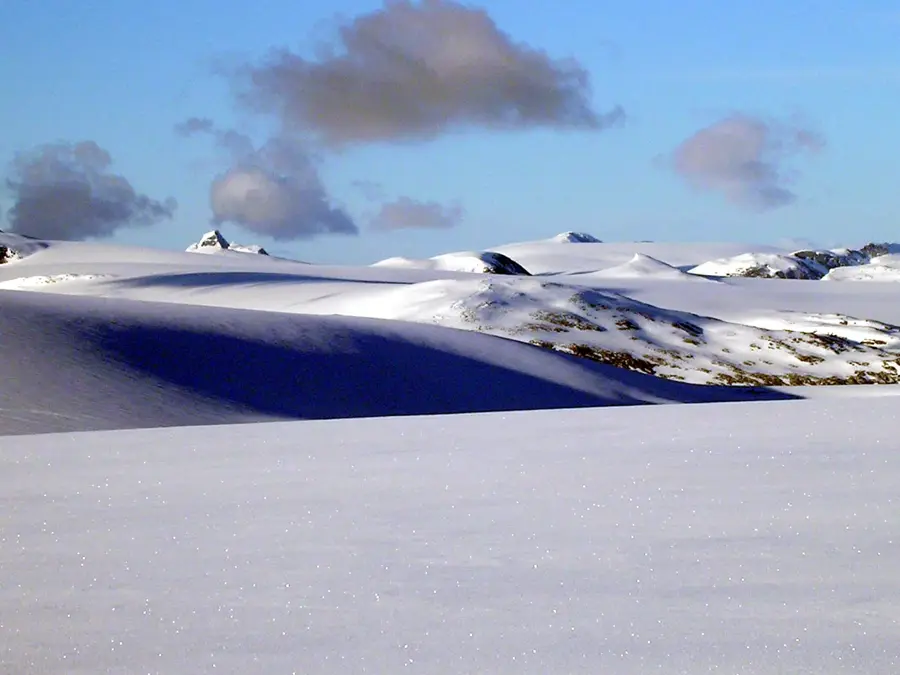
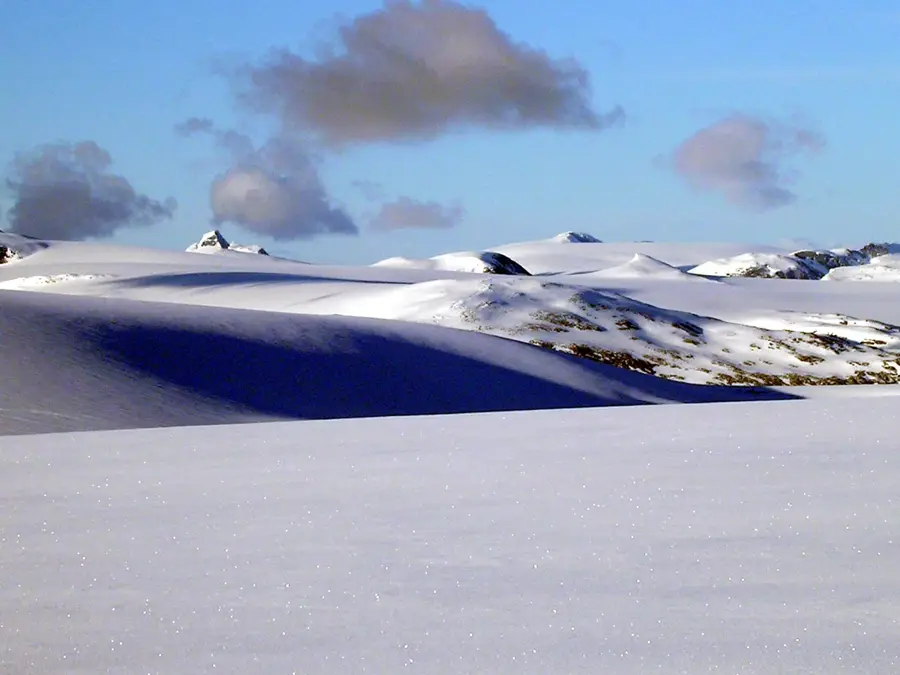
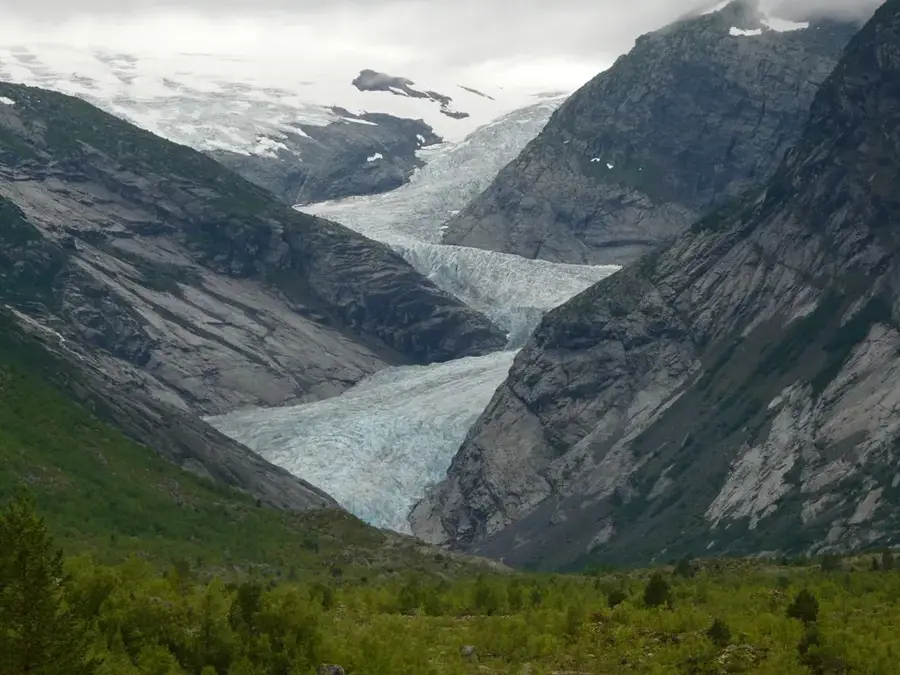
Jostedalsbreen is the largest glacier in continental Europe, situated in Vestland county. It covers an area of approximately 487 square kilometers and is the centerpiece of the national park established in 1991 to safeguard the unique glacial environment. The glacier extends for nearly 60 kilometers, with the ice reaching a maximum thickness of 600 meters at its deepest points. Several spectacular glacier tongues, including Briksdalsbreen and Nigardsbreen, descend into the surrounding valleys and serve as major tourist attractions. The area's geology exhibits profound signs of erosion caused by the advance and retreat of the ice over thousands of years. The region is of immense scientific value for climate research, as fluctuations in the glacier's mass balance are directly linked to global temperature changes. Historically, the glacier posed a challenge to travel, yet local farmers used to herd livestock across the ice between valleys. Today, park management focuses on visitor safety and environmental preservation as the glacier faces significant melting due to climate shifts.

Best time to visit & climate

The most pleasant time to visit is Jun–Aug.

JanFebMarAprMayJunJulAugSepOctNovDec
Avg °C-7-7-5-228111061-4-7
Rain mm207156155119114126152168203187202222

📋 Practical info

🧭
Getting there
Reaching the fringes of the European mainland's largest glacier typically involves driving through the scenic fjords and valleys of Vestland province. Numerous visitor centers and designated trailheads offer structured starting points for guided walks or viewing platforms near the various glacier arms.
📅
Best season
Summer, from June to August, is the only viable season for standard tourist visits, providing accessible roads and safer conditions on the ice margins. Outside of these months, heavy snowfall and treacherous conditions make the area inaccessible to all but specialized winter mountaineering expeditions.
⛰️
Terrain & paths
The approach trails often wind through dramatic, rocky moraines and glaciated valleys before reaching the imposing, heavily crevassed ice mass. The terrain is rugged, uneven, and constantly shifting due to glacial retreat, requiring extremely careful footing on loose rocks and slippery surfaces.
🎒
What to bring
Even for short walks to the viewpoints, sturdy mountain boots, warm layers, and wind-resistant jackets are essential due to the chilling katabatic winds. Anyone intending to walk onto the ice itself must do so with a certified guide and utilize provided technical gear like crampons and heavy ice axes.
🅿️
Parking
Well-organized parking facilities are available at the main visitor centers and popular trailheads, though a fee is often required. During the peak summer tourist season, these lots can fill up quickly, so arriving early in the day is highly recommended to secure a spot close to the start of the hiking trail.
⚠️
Safety
The most critical safety rule is never to approach the glacier snout too closely without a guide, as sudden, massive ice falls are a constant, deadly threat. Visitors must rigorously respect all warning signs, stay behind safety barriers, and never attempt unguided travel on the dangerously crevassed ice.
⏱️
Time needed
A visit can range from a two-hour round trip hike to a viewpoint, to a comprehensive full-day guided glacier trek on the ice itself. Most visitors spend at least half a day in the area to fully appreciate the massive scale of the glacier and take time to visit the highly informative local educational centers.

Geography

Coordinates
61.66670, 7.00000

Facts

  • The total area of the glacier is approximately 487 km².
  • The ice reaches a maximum thickness of about 600 meters.
  • The national park was officially opened on October 25, 1991.
  • The highest point on the glacier is located at 2,018 meters.
  • Some glacier tongues descend to just 300 meters above sea level.
  • It is the largest plateau glacier on the European mainland.

Explore nearby

Notable places around
Route planner — Car & Motorhome

Where do you start? We build the route here, with stops and country notes along the way.

Vehicle
Only stops with (optional):

© OpenStreetMap contributors · OpenRouteService

Sights in the town Jostedalsbreen (2)

Jostedalsbreen National Park📍 landmark

Høgste Breakulen📍 landmark

Sights nearby

Frequently asked questions

What is Jostedalsbreen?
It is the largest glacier on the European mainland, with an area of nearly 500 km².
Which glacier arm is the most easily accessible?
Bøyabreen and Briksdalsbreen are very easily accessible and offer great photo opportunities.
Can you hike on the glacier?
Yes, but only as part of guided glacier tours with crampons and rope. The risk for solo hikers is extremely high.
Is there a museum about the glacier?
The Norwegian Glacier Museum in Fjærland gives interactive exhibitions about Jostedalsbreen.
Is the glacier melting?
Yes, like most glaciers, Jostedalsbreen is retreating significantly due to climate change.
Jostedalsbreen: where is it located?
Jostedalsbreen is located in Norway.
Jostedalsbreen: what is there to see?
Highlights include Jostedalsbreen National Park, Høgste Breakulen.
Jostedalsbreen: when is the best time to visit?
The most pleasant time to visit is Jun, Aug.
Jostedalsbreen: why is it worth visiting?

Jostedalsbreen is the largest glacier in continental Europe, situated in Vestland county.
View on map → The Top 50 Attractions → Most beautiful beaches → OpenStreetMap →
Europe
Explore with Plizio Discover more places in Europe
More places in Norway →

Nearby cities

History & landmarks