Attractions in Norway
The finest attractions in Norway at a glance: castles, natural wonders, historic old towns and more. Each place links to a detailed page with map, tips and photos.
Culture & History
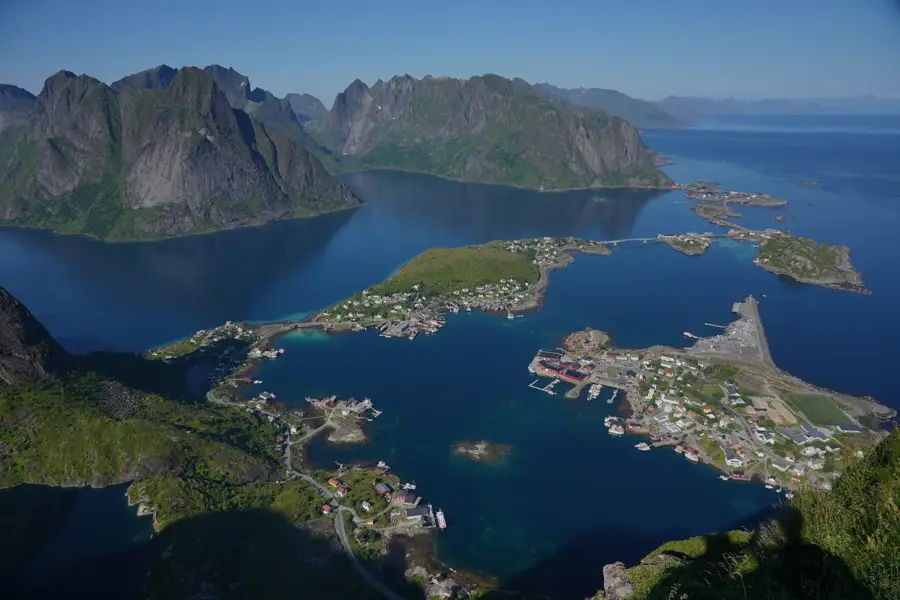
Lofoten Islands
The Lofoten Islands are an archipelago in northern Norway, known for their dramatic scenery with jagged mountain peaks, sheltered bays, and untouched…
Learn more →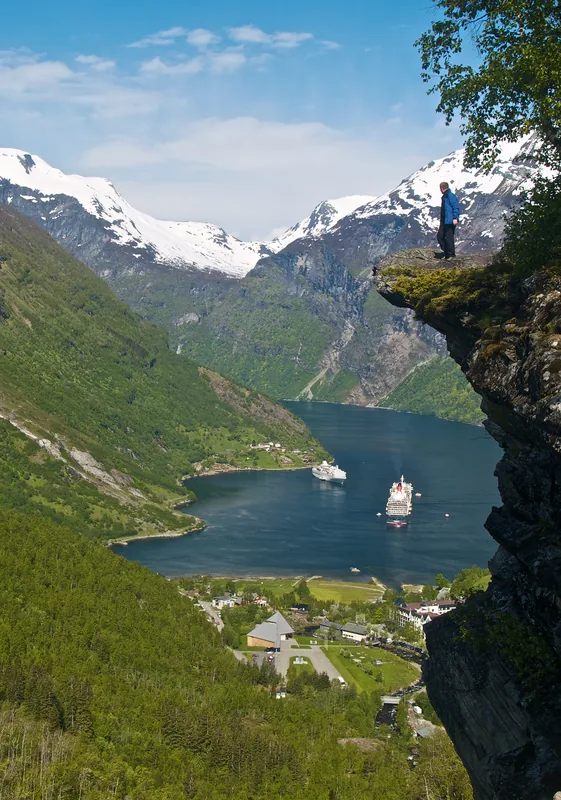
Norwegian Fjords
The Norwegian fjords are world-famous for their breathtaking beauty, characterized by deep blue waters surrounded by steep, snow-capped mountains and…
Learn more →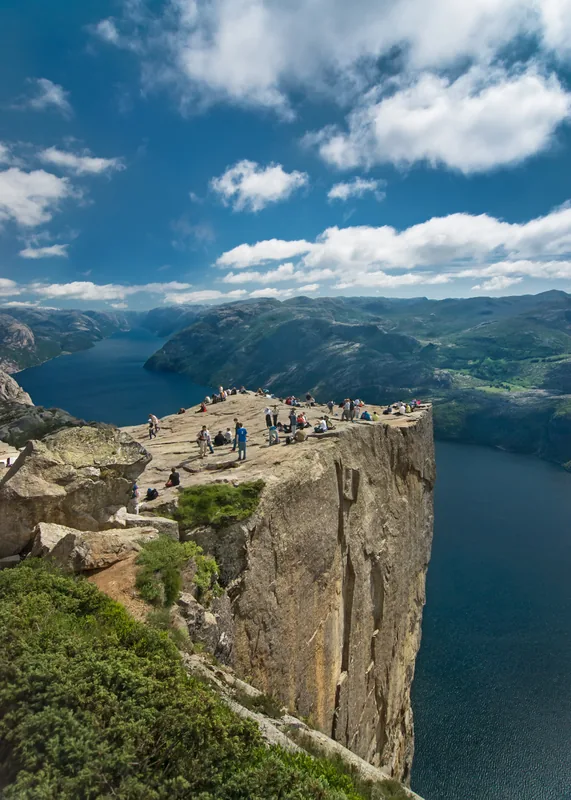
Preikestolen
Preikestolen, also known as Pulpit Rock, is a famous cliff rising above the Lysefjord and one of Norway's most photographed natural landmarks.
Learn more →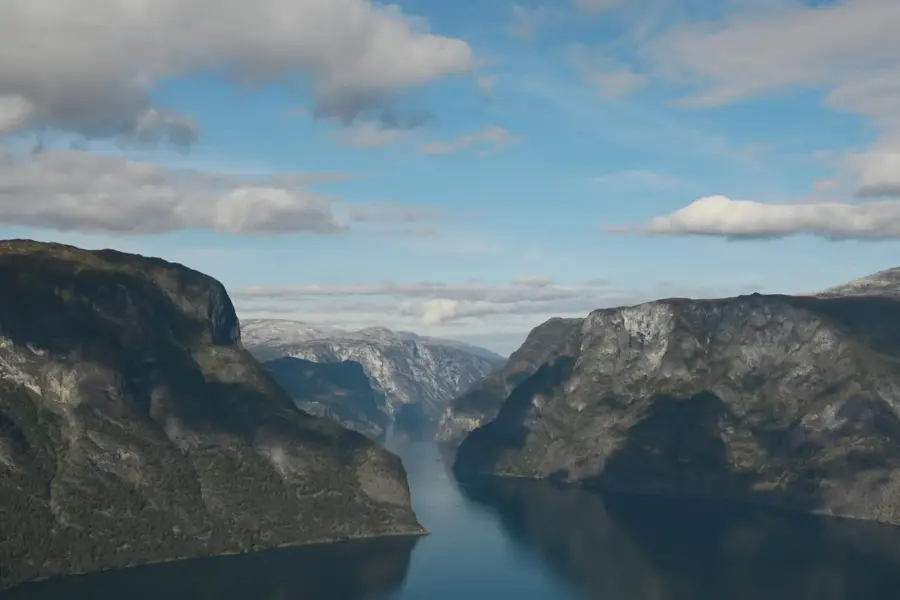
Sognefjord
Sognefjord is the longest fjord in Norway and one of the deepest in the world, stretching far inland through dramatic mountain scenery.
Learn more →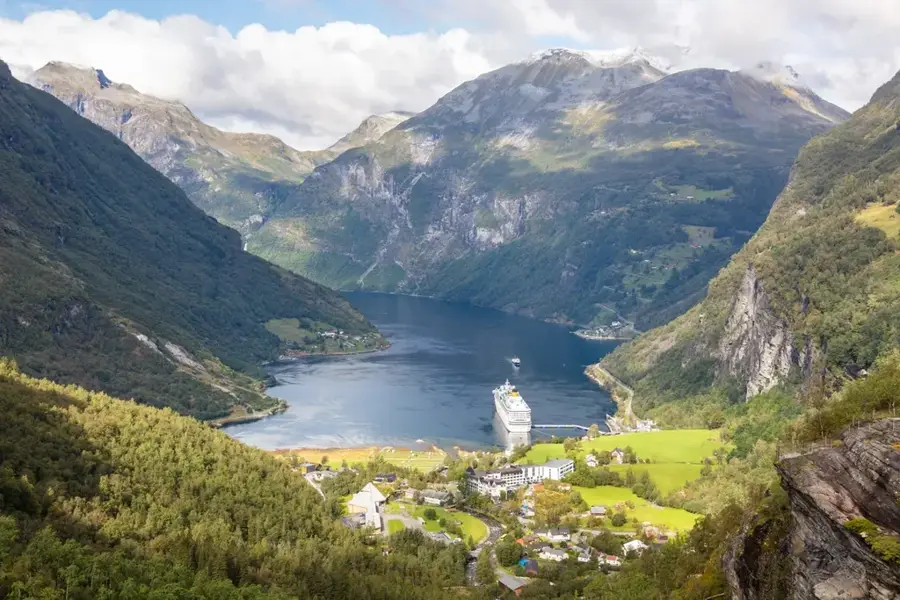
Geirangerfjord
Geirangerfjord is one of Norway's most iconic fjords and a UNESCO World Heritage site, famous for its steep cliffs and dramatic waterfalls.
Learn more →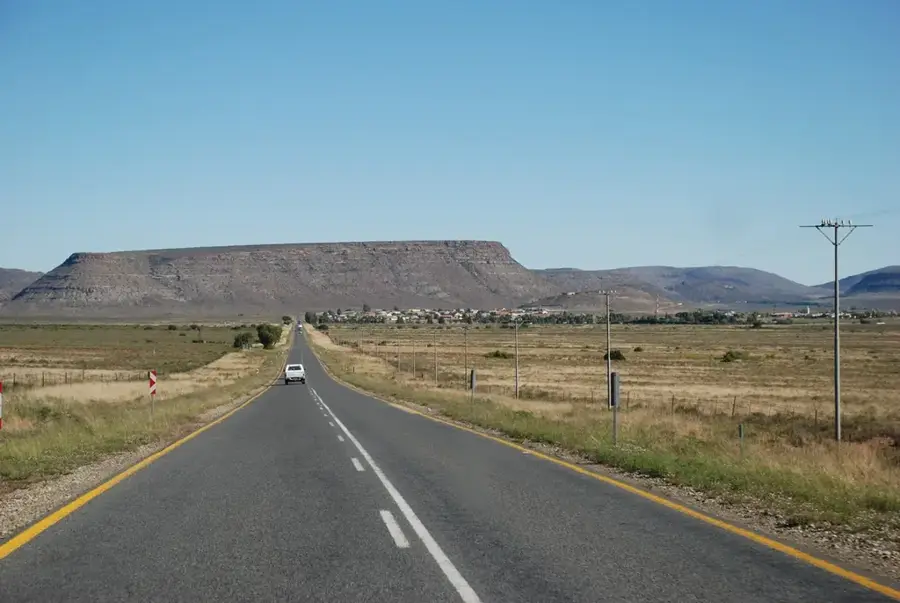
North Cape
North Cape is the famous northern landmark of mainland Europe, standing high above the Barents Sea and drawing visitors for its Arctic horizon.
Learn more →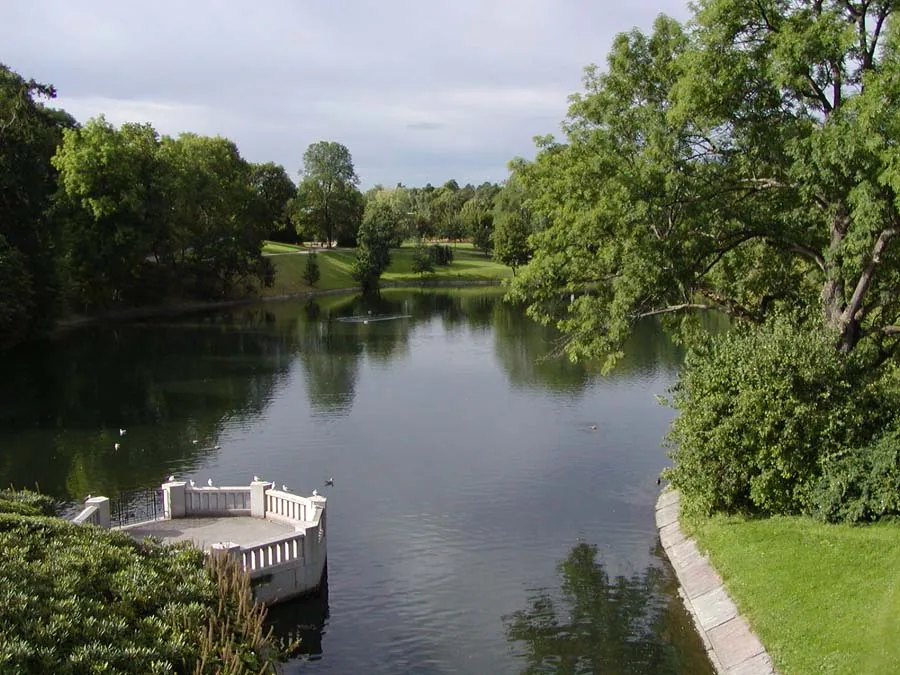
Vigeland Park
Vigeland Park is Oslo's iconic sculpture park, filled with works by Gustav Vigeland and a major symbol of Norwegian public art.
Learn more →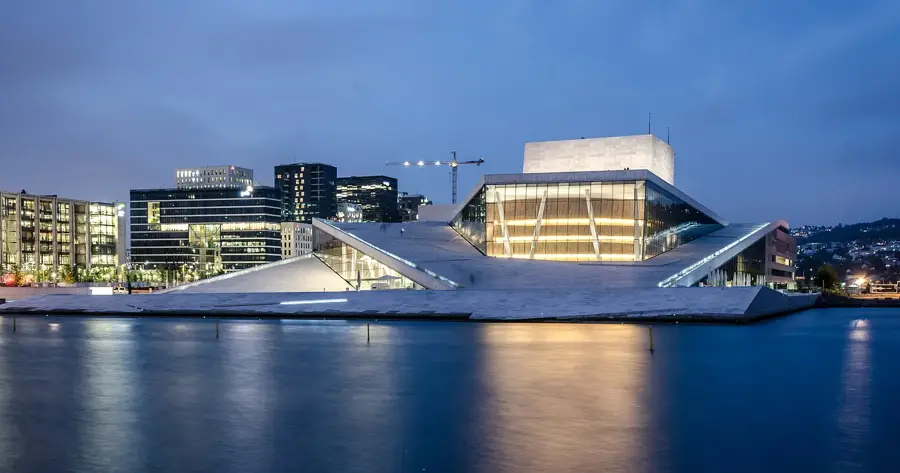
Oslo Opera House
The Oslo Opera House is a modern waterfront landmark whose sloping roof invites visitors to walk up to the top.
Learn more →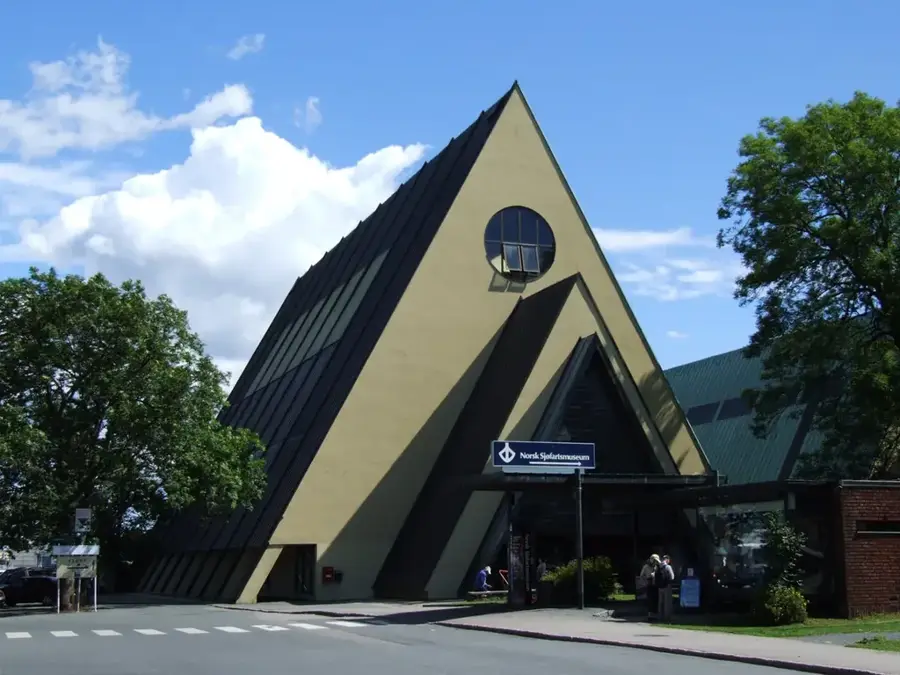
Fram Museum
The Fram Museum on Bygdøy tells the story of Norwegian polar exploration through the original ship Fram.
Learn more →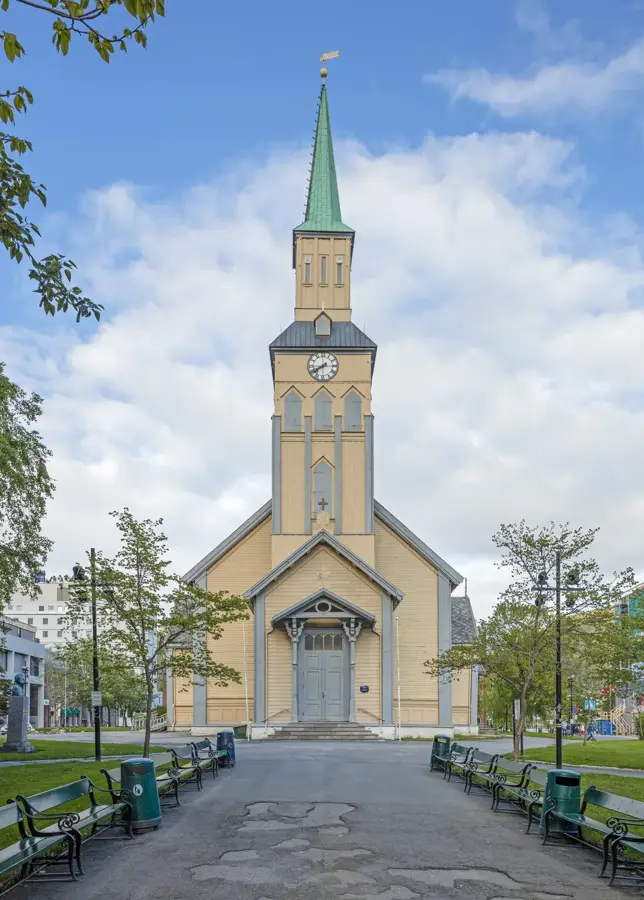
Arctic Cathedral
The Arctic Cathedral is Tromsø's most iconic building and one of the most photographed landmarks in northern Norway.
Learn more →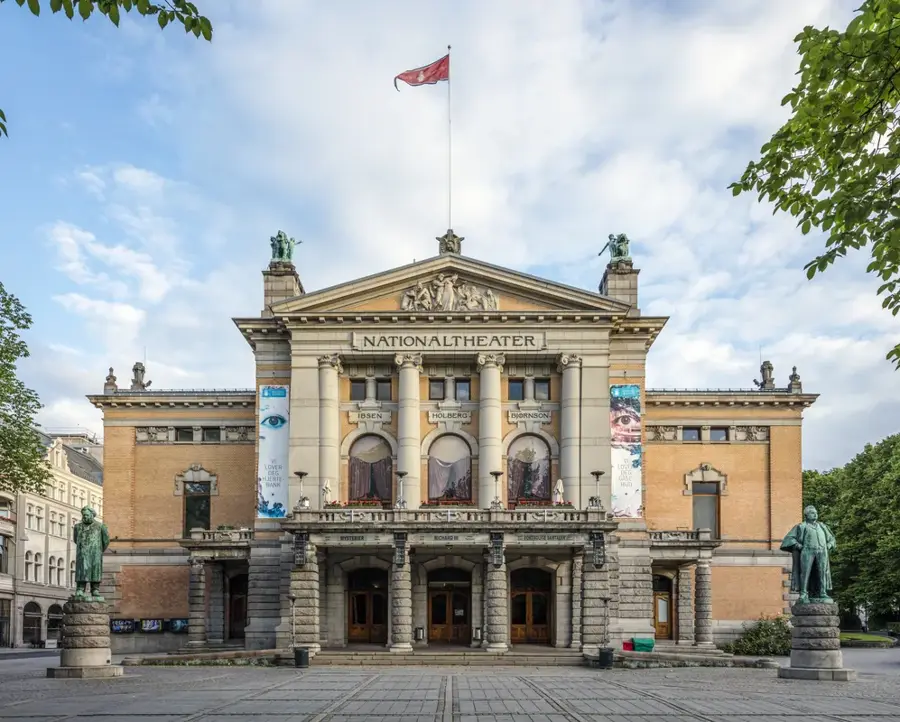
Nationaltheatret
Nationaltheatret is one of Norway's most important theatre landmarks and a cultural anchor in central Oslo.
Learn more →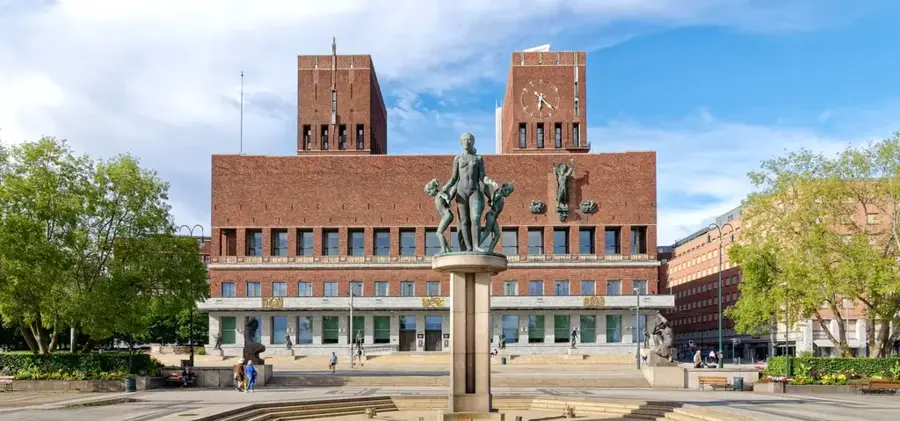
Oslo City Hall
Oslo City Hall is one of the capital's most recognizable buildings and a major landmark on the waterfront.
Learn more →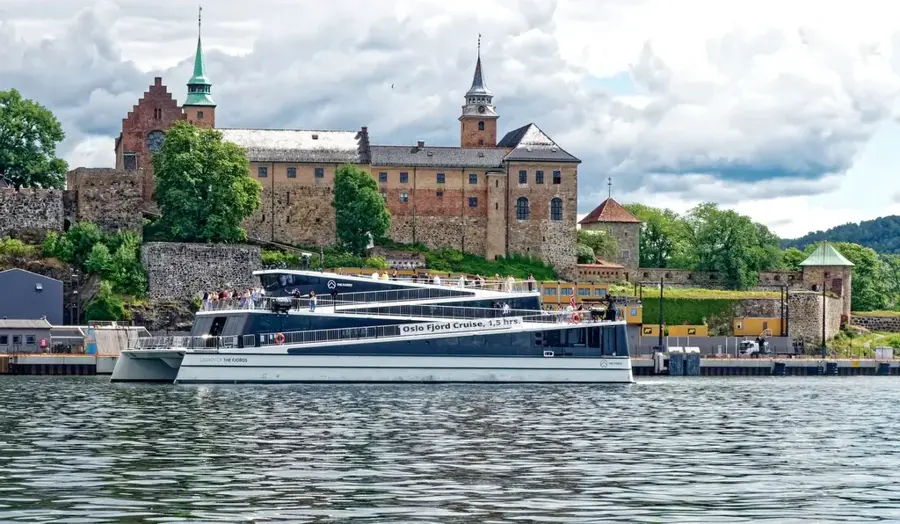
Oslo Fortress
This medieval fortress has served to protect the city of Oslo since its foundation in 1299.
Learn more →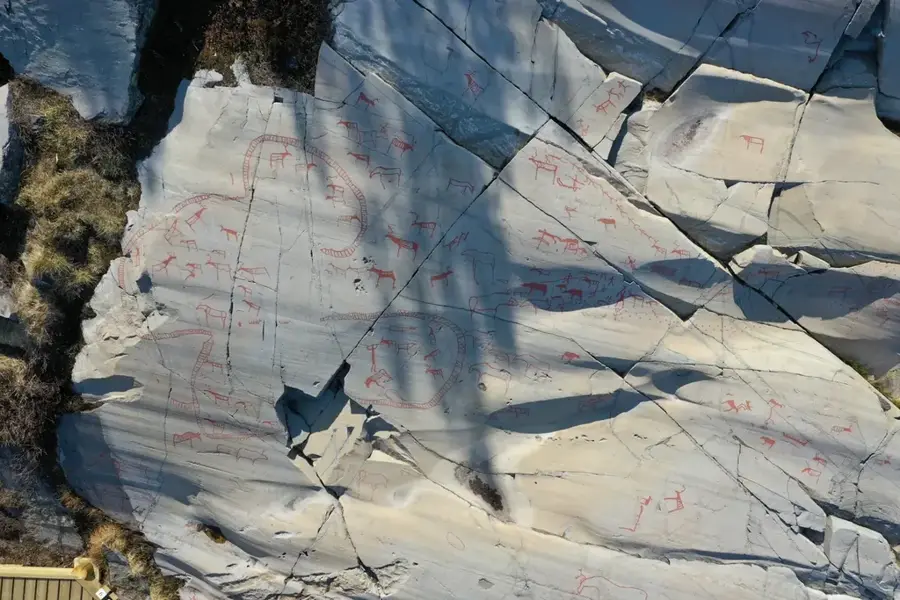
Hjemmeluft Rock Carvings
These prehistoric rock carvings in Alta are a UNESCO World Heritage site.
Learn more →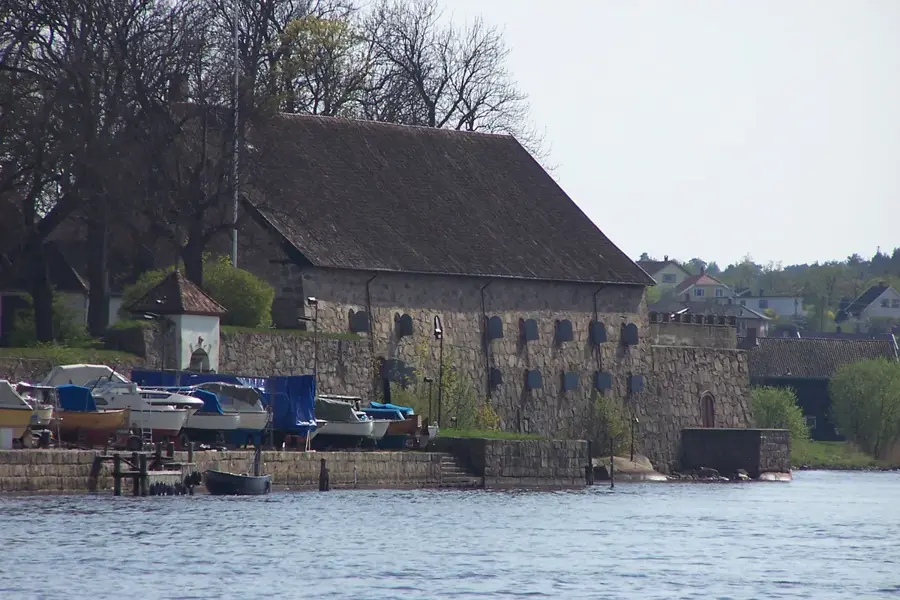
Fredrikstad Fortress
This star-shaped fortress was built in the 17th century for defense against Sweden.
Learn more →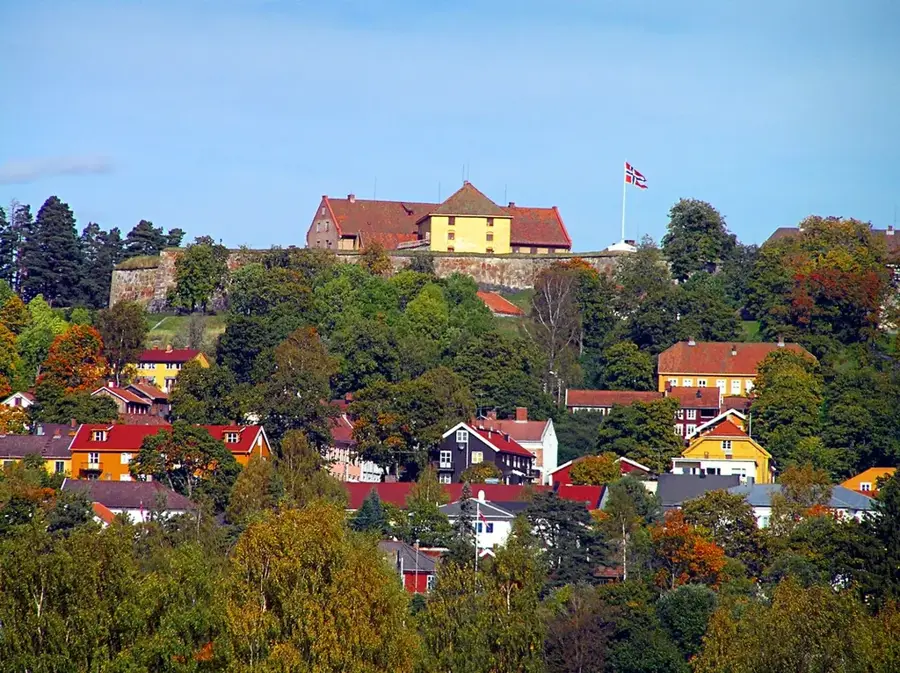
Kongsvinger Fortress
Kongsvinger Fortress is situated on a hill above the town of Kongsvinger.
Learn more →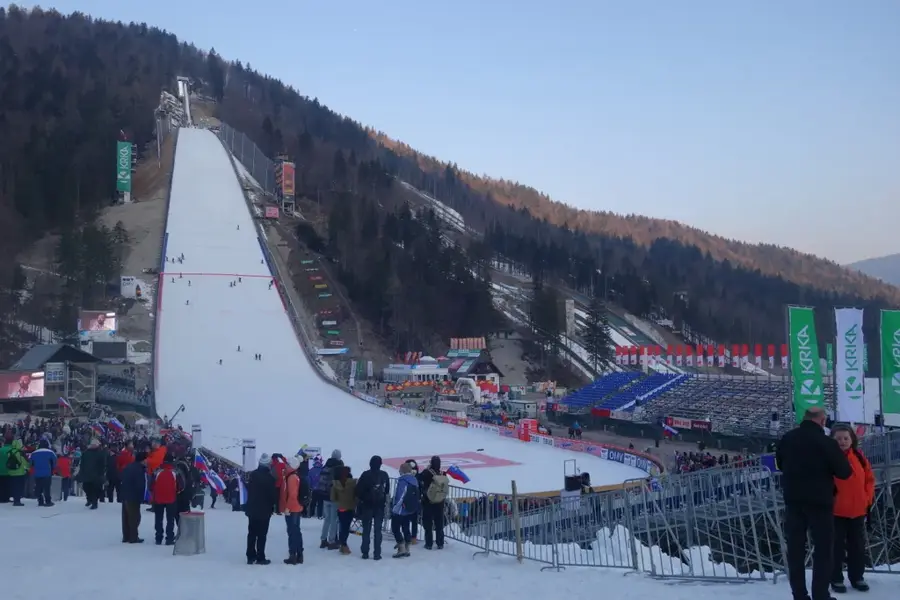
Vikersund Ski Flying Hill
The Vikersund Ski Flying Hill is one of the largest ski jumping hills in the world.
Learn more →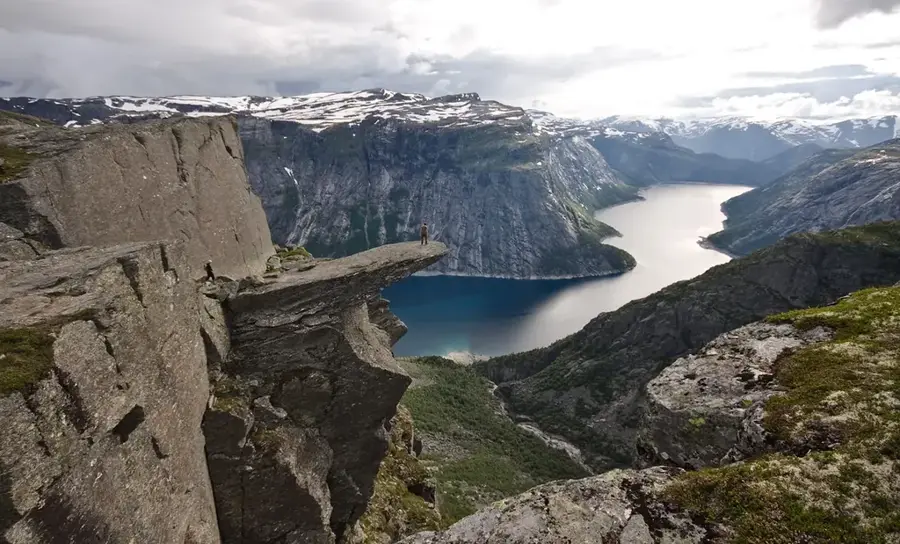
Trolltunga
Trolltunga is a horizontal rock formation protruding over the Ringedalsvatnet lake.
Learn more →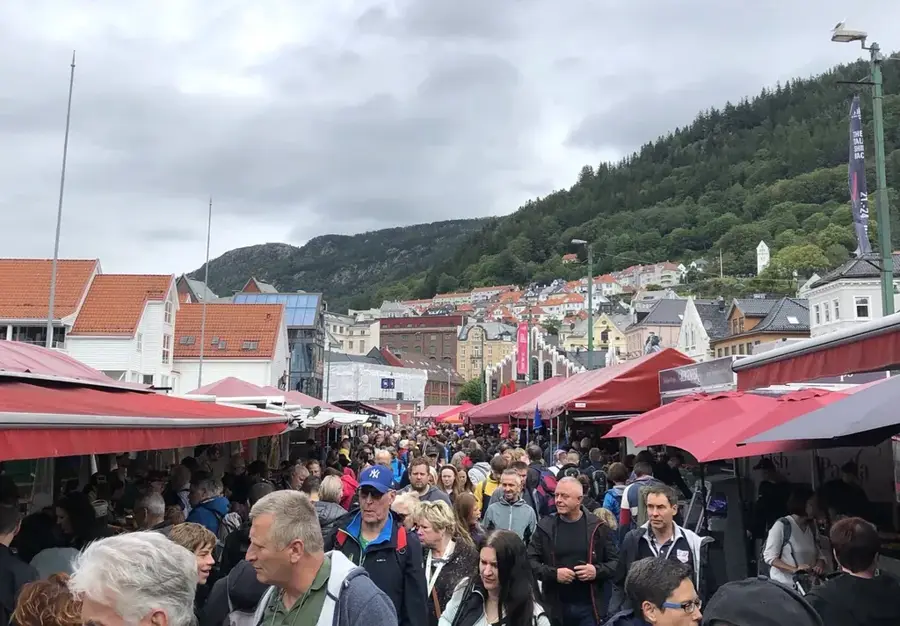
Bergen Fish Market
The Fish Market in Bergen is one of Norway's most famous markets.
Learn more →Nature
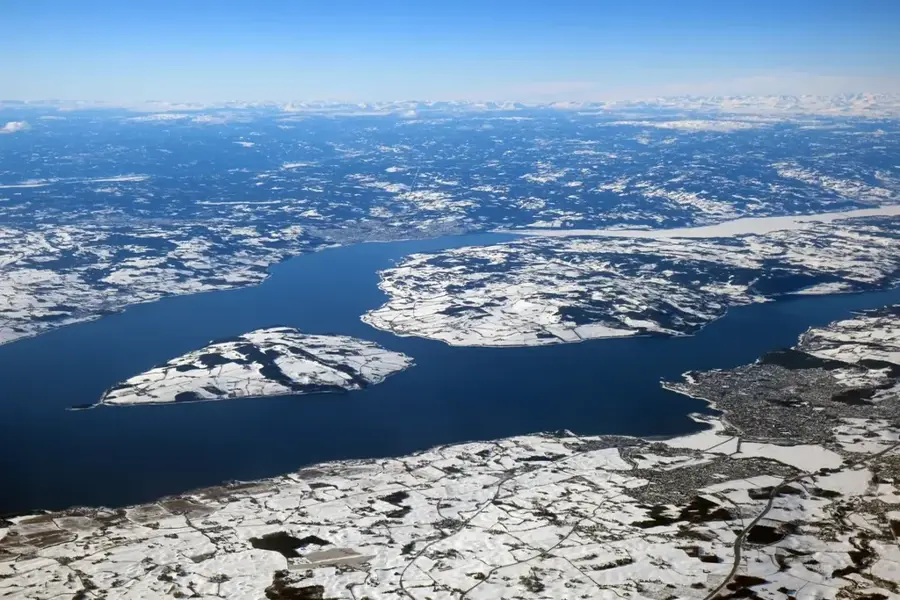
Lake Mjøsa
Lake Mjøsa is Norway's largest lake and a central freshwater landscape in eastern Norway.
Learn more →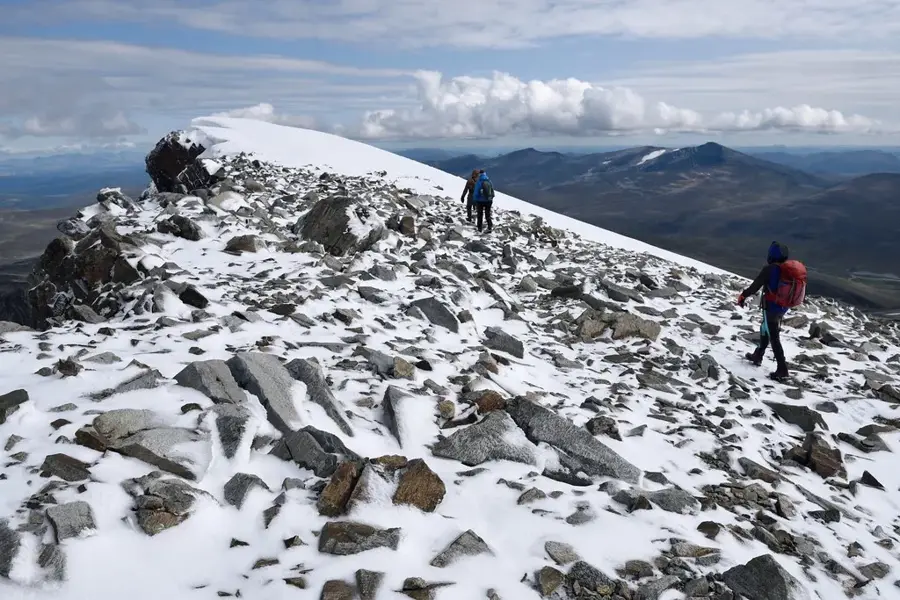
Glittertind
Glittertind is one of Norway's best-known peaks and a dramatic neighbor to Galdhøpiggen in Jotunheimen.
Learn more →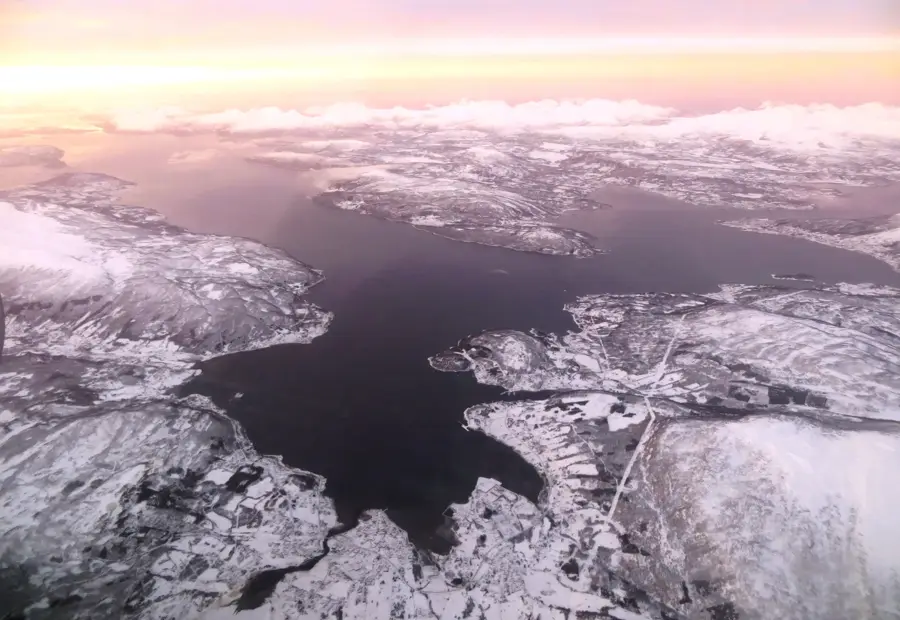
Senja
Senja is often called a miniature version of Norway because it packs fjords, peaks, beaches, and fishing villages into one island.
Learn more →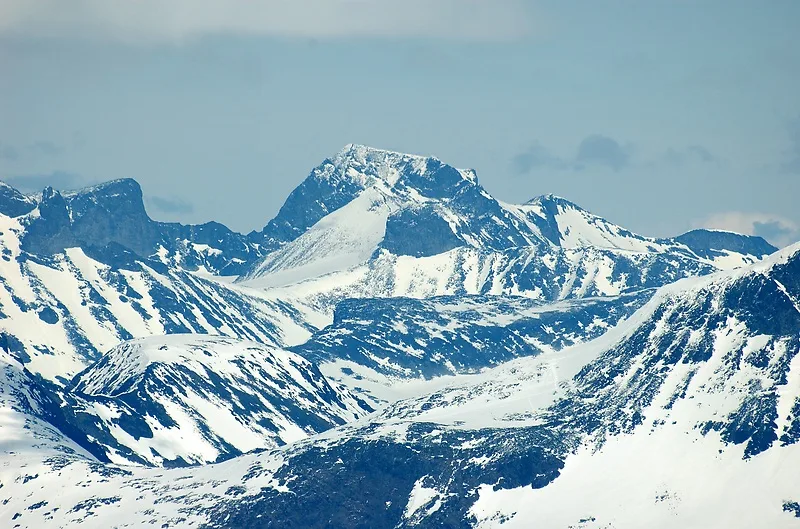
Galdhøpiggen
Galdhøpiggen is the highest mountain in Norway and the entire Nordic region.
Learn more →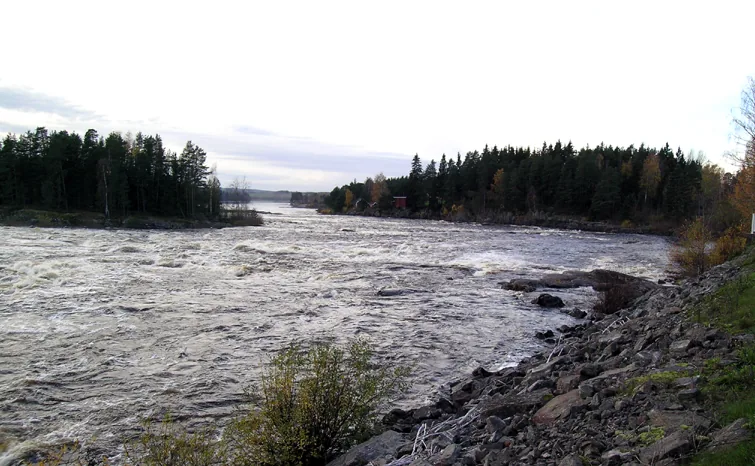
Glomma River
The Glomma is Norway's longest river and one of the most important waterways in the country.
Learn more →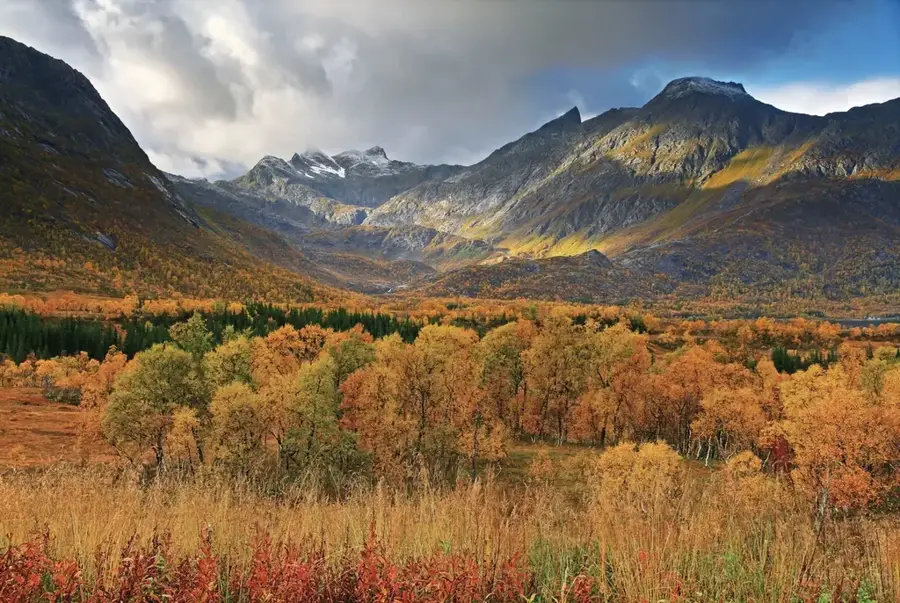
Hinnøya
Hinnøya is Norway's largest island outside the Svalbard area and a major northern landscape feature.
Learn more →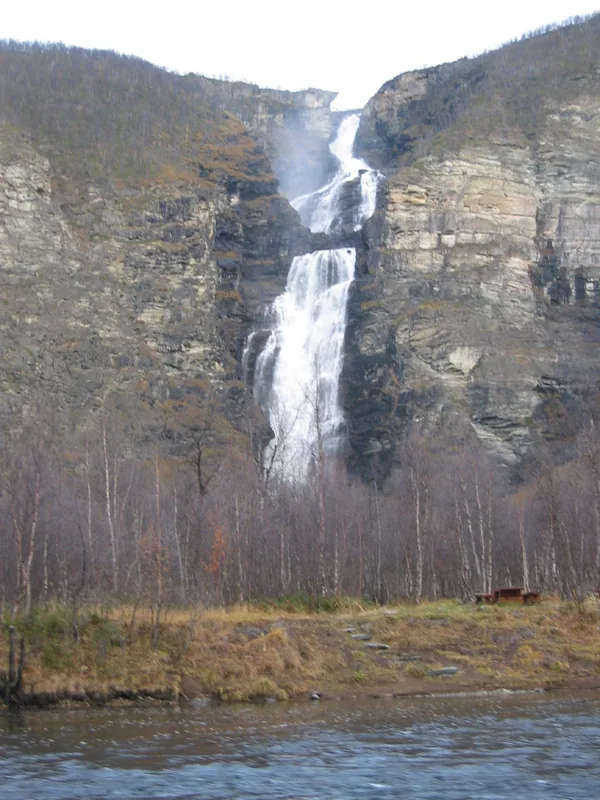
Reisa National Park
This national park in Troms og Finnmark is known for deep canyons and the impressive Mollisfossen waterfall.
Learn more →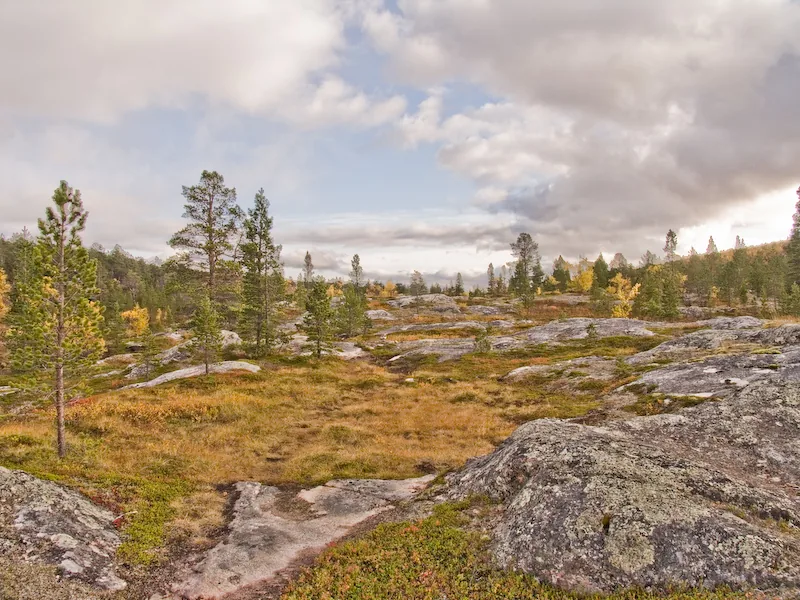
Dividalen National Park
Dividalen National Park is characterized by its diverse flora and protected birch forests.
Learn more →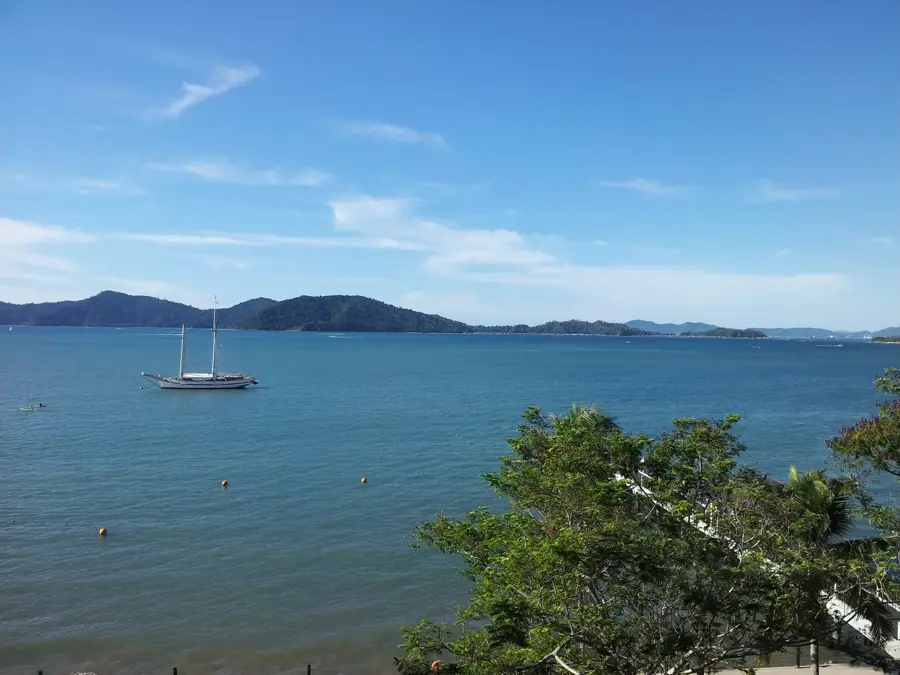
Ytre Hvaler National Park
This marine national park is located on the border with Sweden.
Learn more →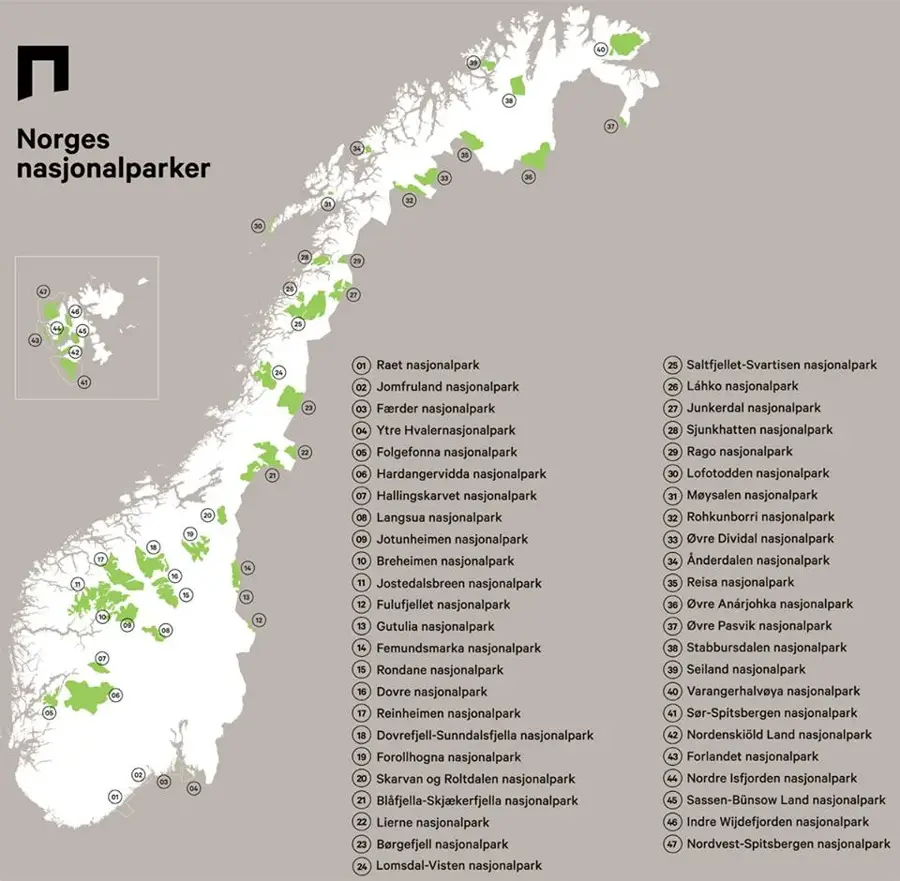
Børgefjell National Park
Børgefjell is one of the most untouched national parks in Norway.
Learn more →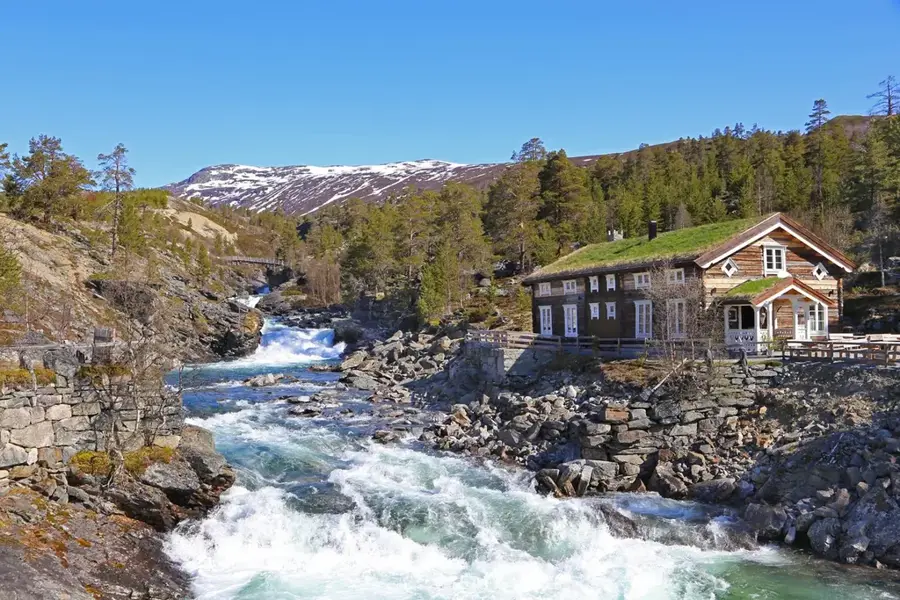
Reinheimen
Reinheimen is a large national park in the provinces of Innlandet and Møre og Romsdal.
Learn more →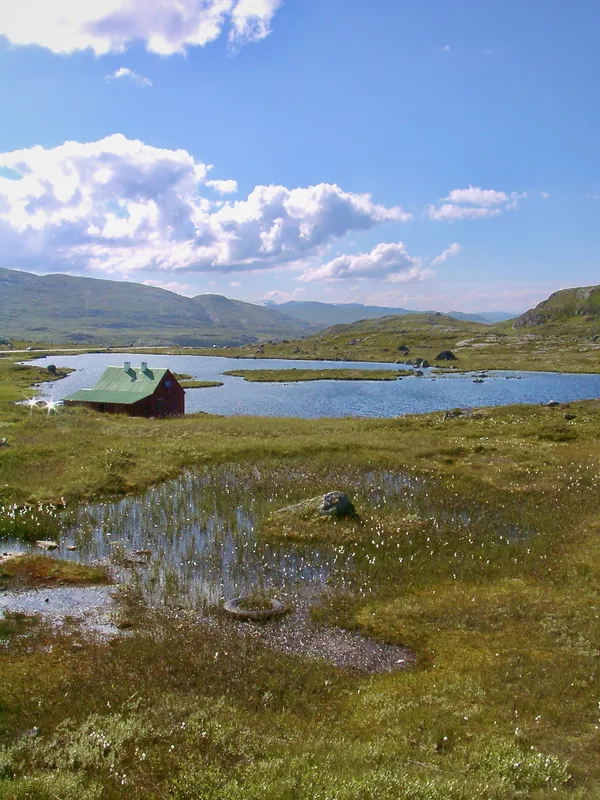
Hardangervidda Plateau
Hardangervidda is Europe's largest mountain plateau and provides the most important habitat for Norway's largest wild reindeer herd.
Learn more →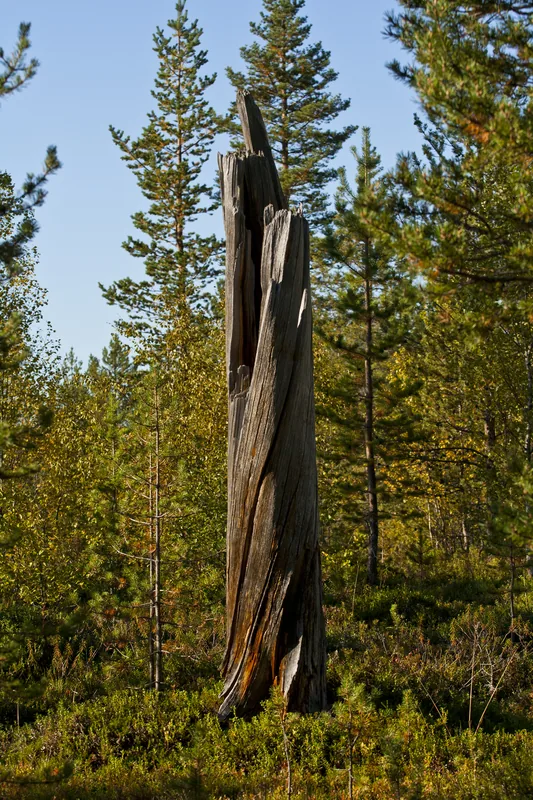
Øvre Pasvik National Park
This park protects a unique taiga landscape in the far northeast of Norway.
Learn more →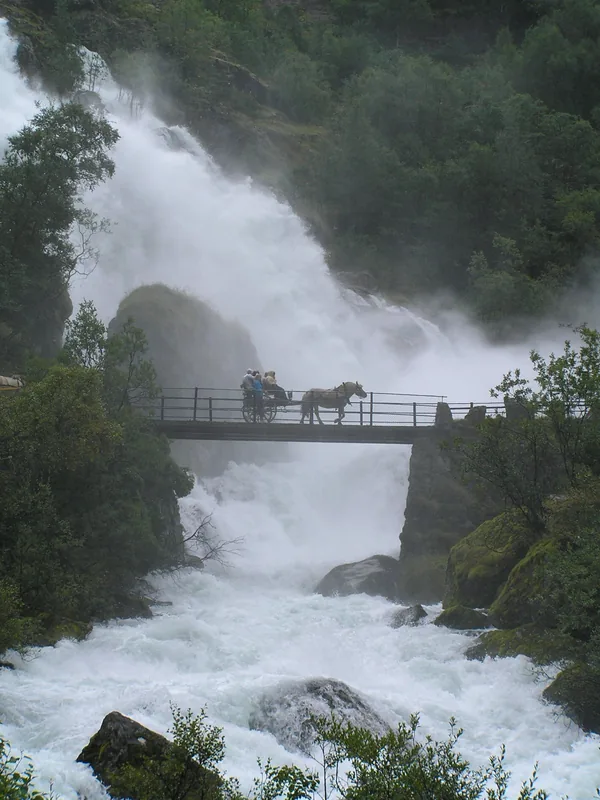
Jostedalsbreen National Park
Jostedalsbreen is the largest glacier on the European mainland.
Learn more →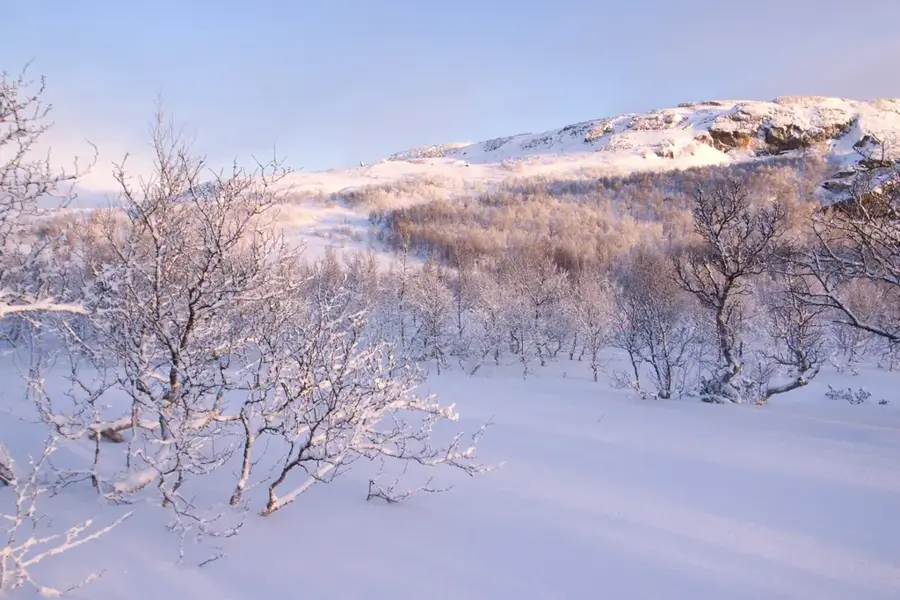
Femundsmarka National Park
Femundsmarka is known for its lake landscapes and boulder fields.
Learn more →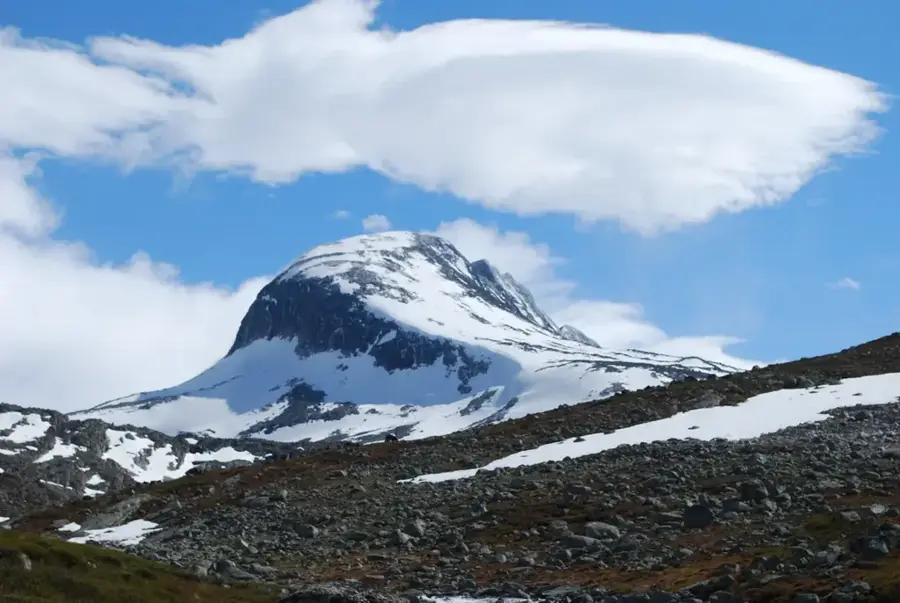
Breheimen National Park
Breheimen means 'home of the glaciers'.
Learn more →More highlights
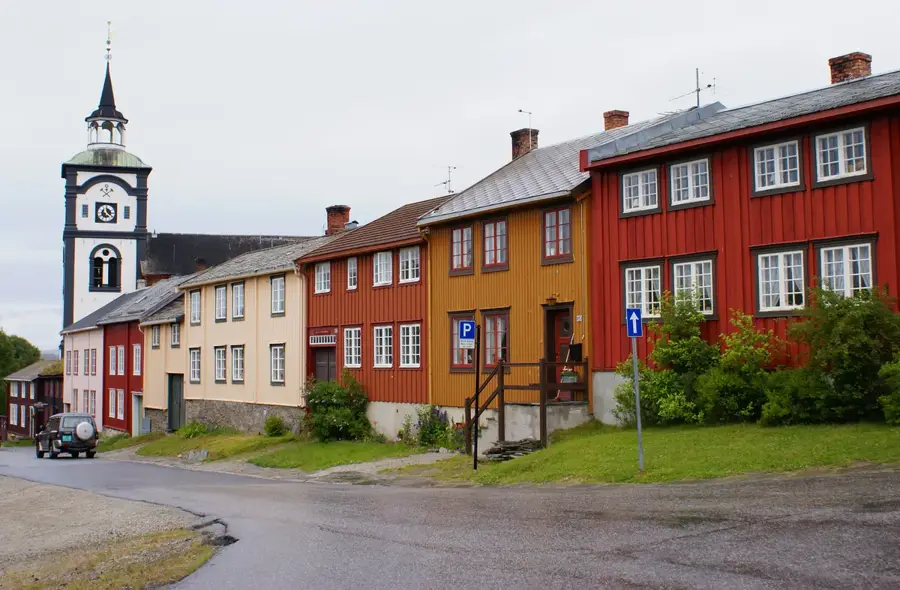
Røros Mining Town
Røros is a preserved mining town in central Norway, known for its wooden houses and historic copper-mining heritage.
Learn more →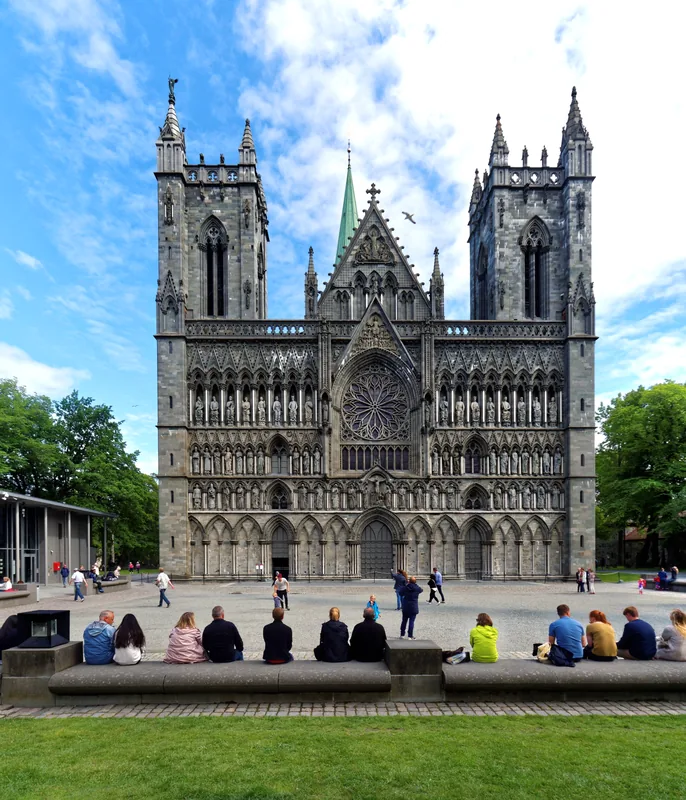
Nidaros Cathedral
Nidaros Cathedral in Trondheim is Norway's most important medieval church and a major pilgrimage destination.
Learn more →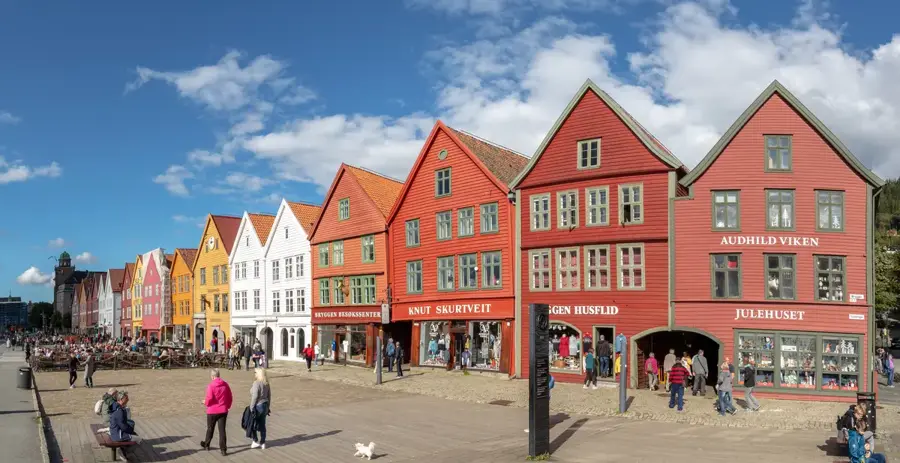
Bryggen Bergen
Bryggen is the old Hanseatic wharf in Bergen, famous for its wooden row of colorful historic buildings.
Learn more →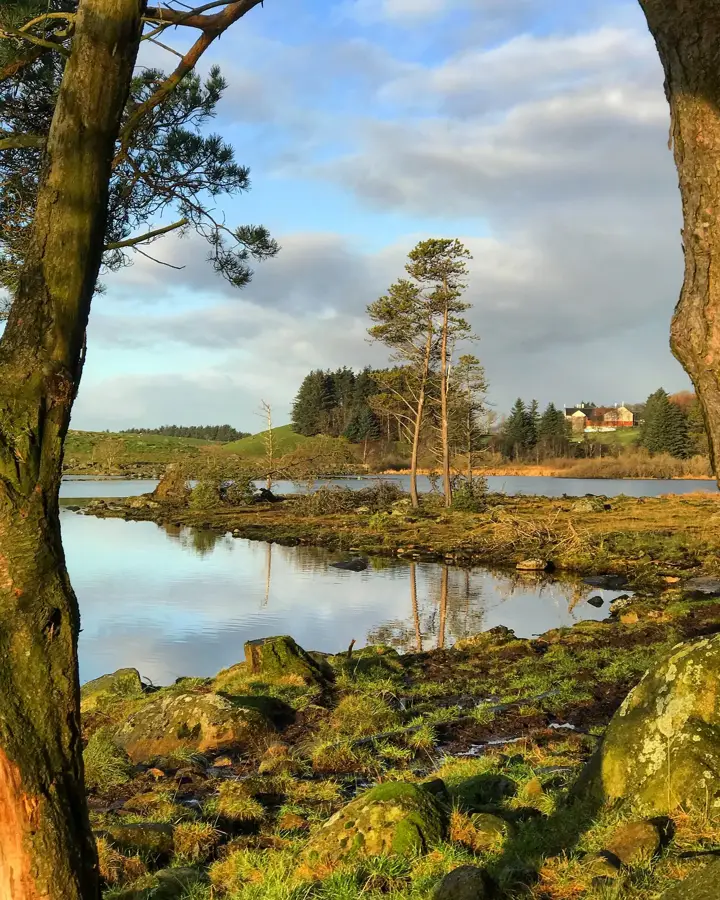
Jæren Agriculture Belt
Jæren is one of Norway's most important agricultural regions and a wide fertile landscape south of Stavanger.
Learn more →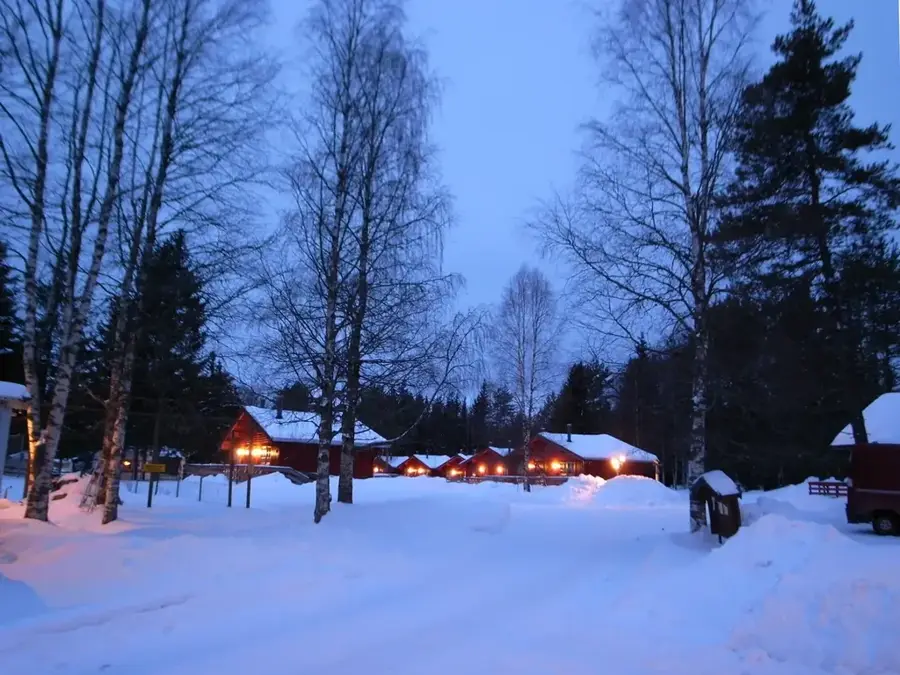
Finnskogen Forest
Finnskogen is a long forest region on the Norwegian-Swedish border with a strong cultural and natural identity.
Learn more →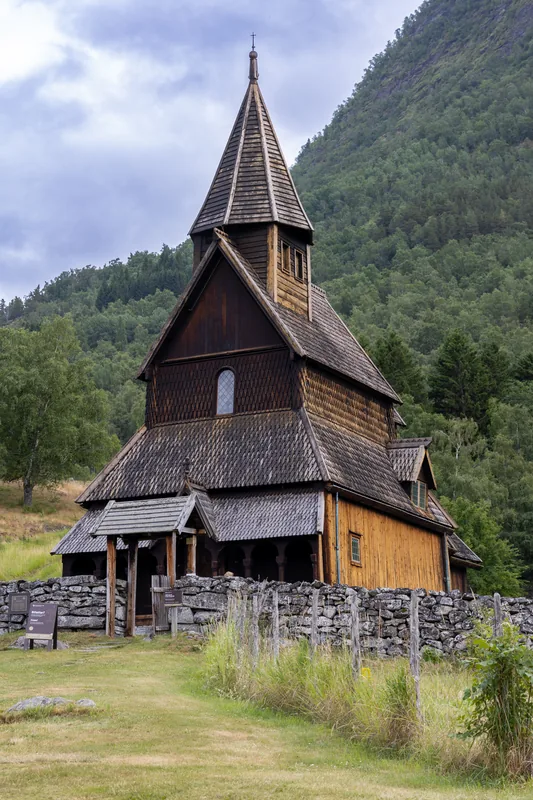
Urnes Stave Church
Urnes Stave Church is the oldest stave church in Norway and a UNESCO World Heritage treasure.
Learn more →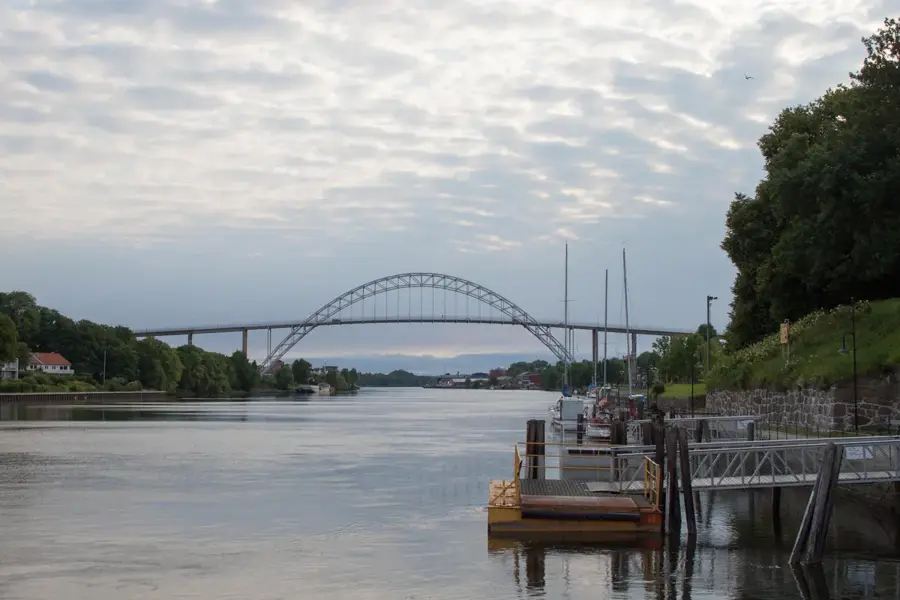
Fredrikstad Old Town
Fredrikstad Old Town is one of the best-preserved fortified towns in Northern Europe.
Learn more →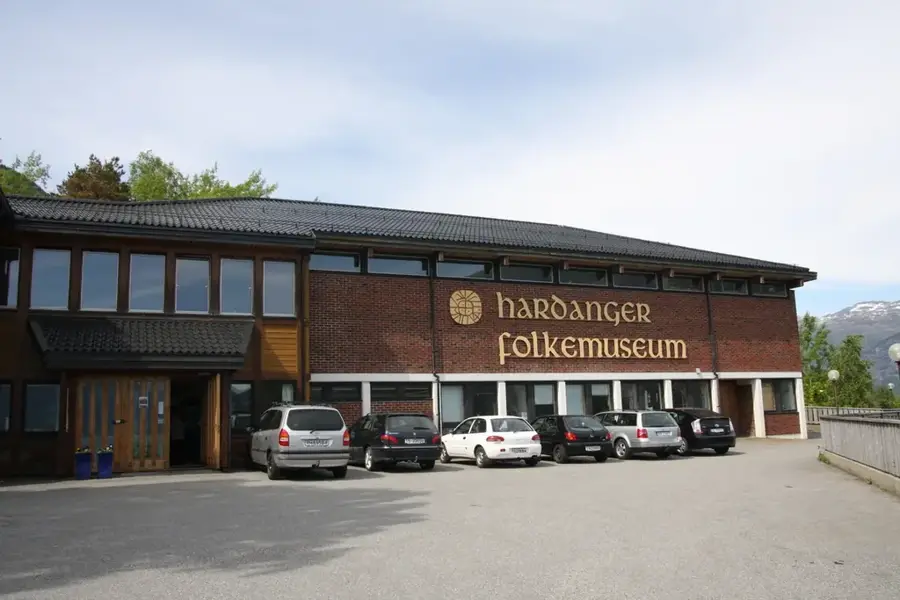
Hardanger Fruit Orchards
The Hardanger orchards are a famous fruit-growing landscape along the Hardangerfjord.
Learn more →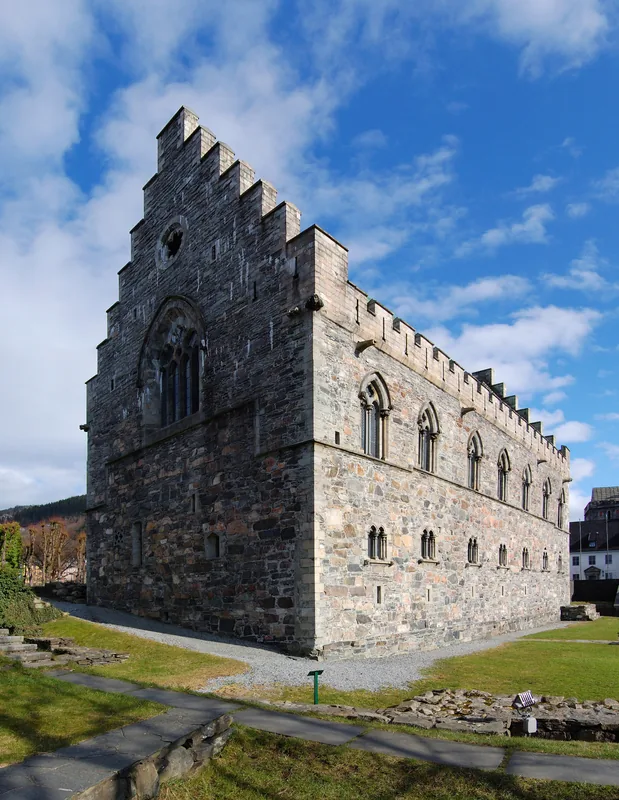
Håkon's Hall
Håkon's Hall is a grand medieval stone hall in Bergen and a rare survivor from Norway's royal past.
Learn more →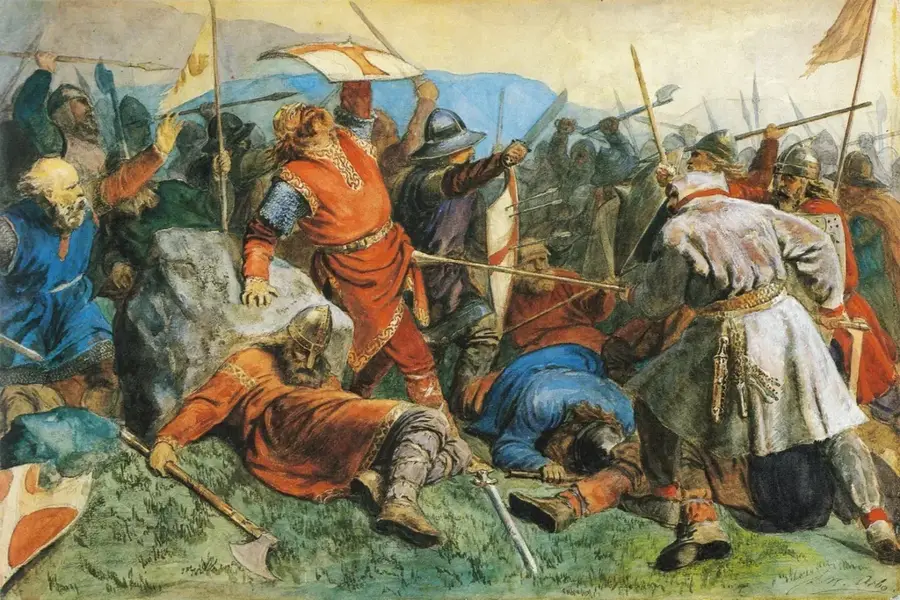
Stiklestad Battlefield
Stiklestad Battlefield is one of the most symbolic historical places in Norway.
Learn more →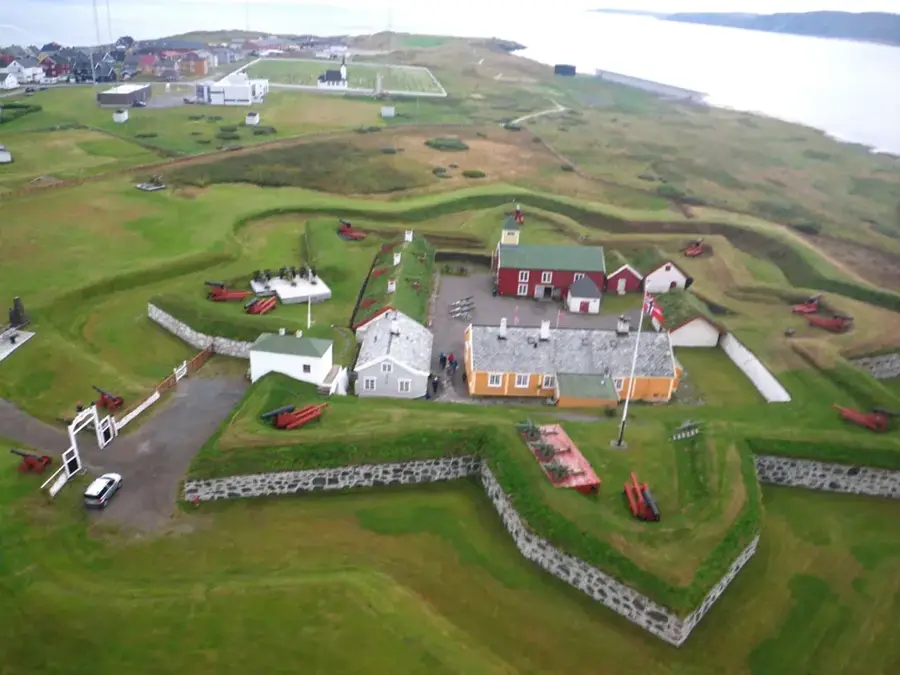
Vardøhus Fortress
Vardøhus Fortress sits in the far north and is often described as Norway's northernmost fortress.
Learn more →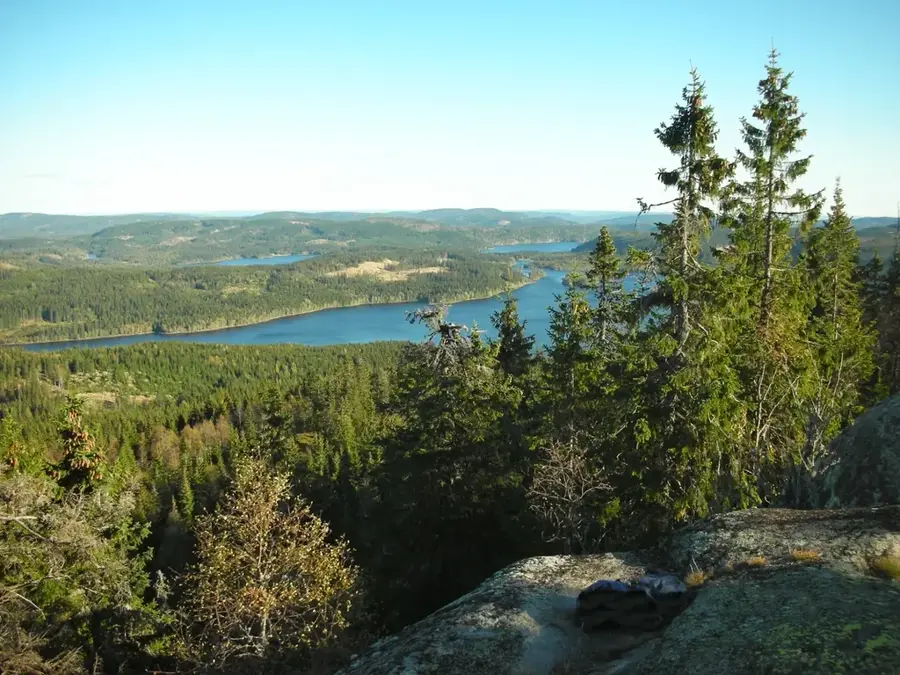
Nordmarka
Nordmarka is Oslo's great forest region and a defining outdoor space for the capital.
Learn more →
Kongsberg Silver Mines
The Kongsberg Silver Mines tell the story of Norway's industrial and royal mining past.
Learn more →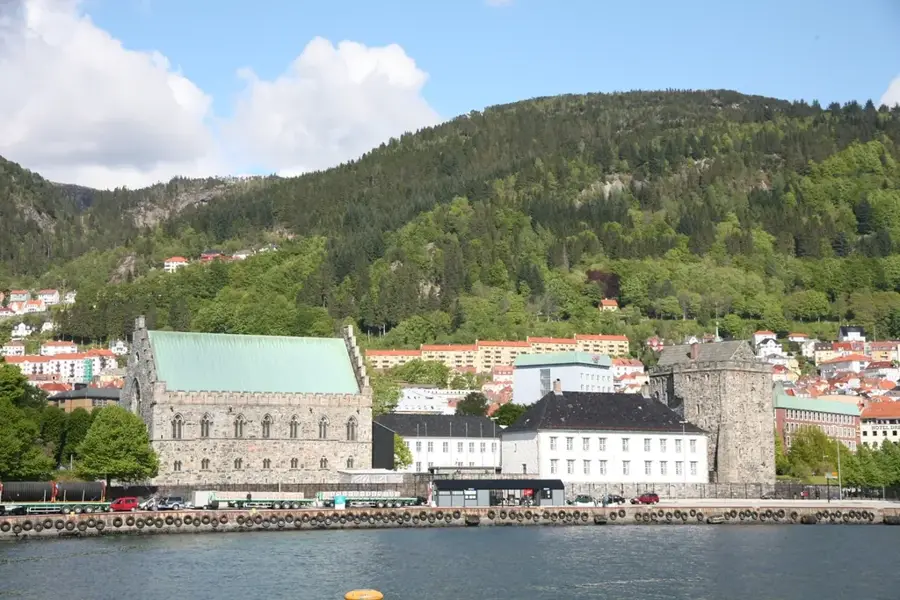
Bergenhus Fortress
Bergenhus Fortress is one of the oldest and best-known fortifications in Norway.
Learn more →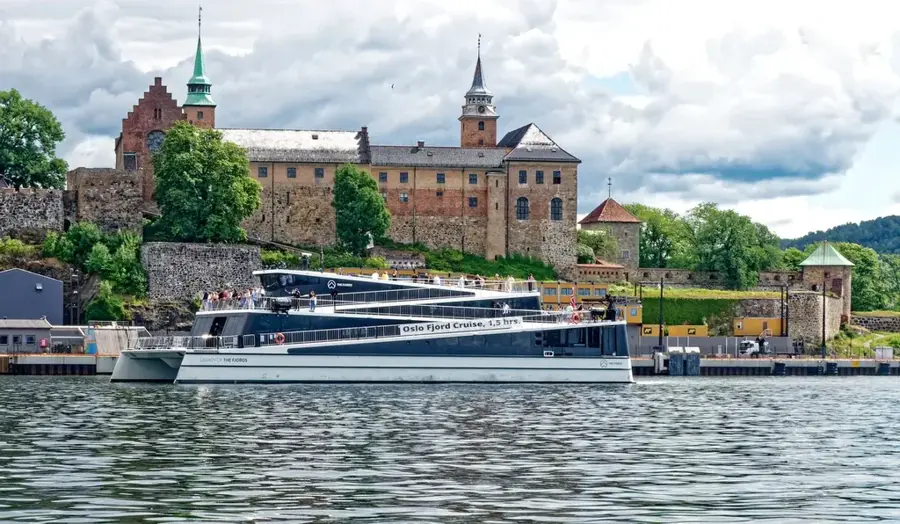
Akershus Fortress
Akershus Fortress is Oslo's medieval stronghold and one of Norway's most important historical sites.
Learn more →Frequently asked questions
What are the top attractions in Norway?
Among the most popular are Lofoten Islands, Norwegian Fjords, Preikestolen, Sognefjord, Geirangerfjord and many more – the full top 50 list is on this page.
When is the best time to visit Norway?
May to October offers the most pleasant weather; July and August are warmest and busiest.