Hamar Medieval Festival
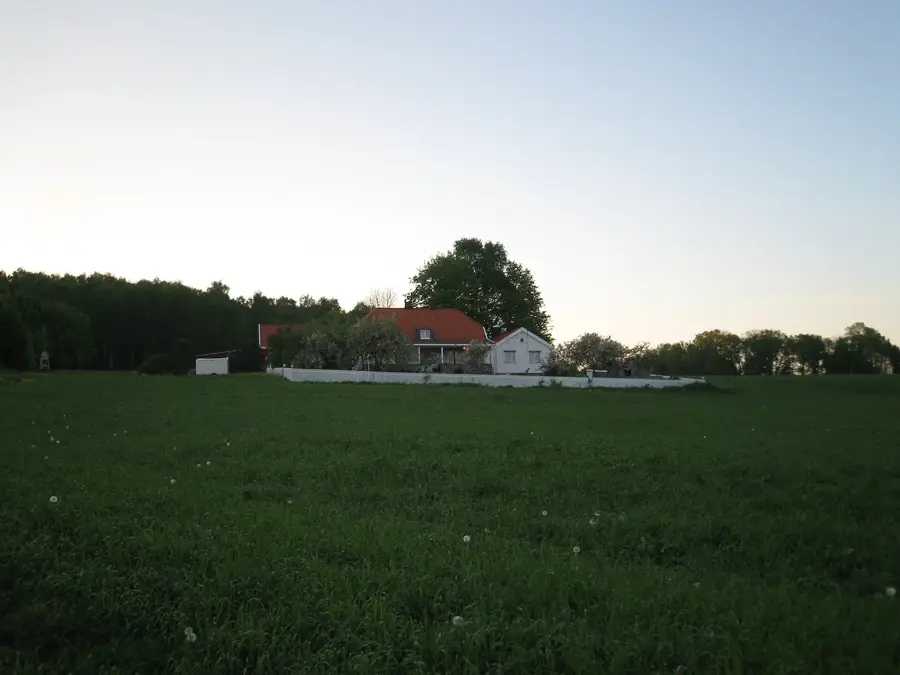
Every year on the second weekend of June, thousands experience the Middle Ages at Domkirkeodden in Hamar with crafts, jousting, music, archery and a historical market.
PlizioGo
Look for traditional Norwegian menus in the city center to try this acquired taste.
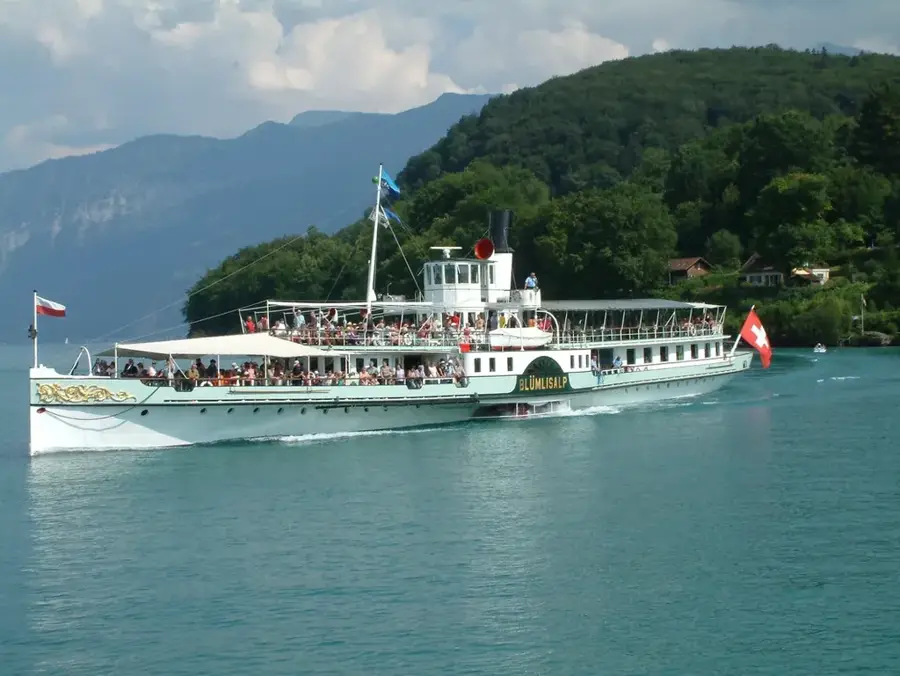
If taking a trip on the historic paddle steamer, order their traditional salmon and strawberries.
Stop by a local bakery on the main square for a morning coffee and a sweet treat.
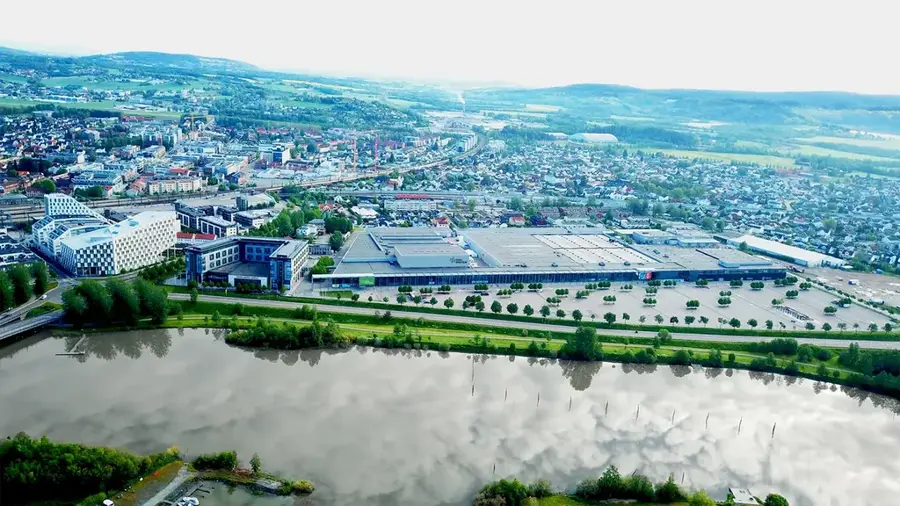
A large shopping center just outside the core where you can find everything from clothes to local groceries.
Check the main square for farmers' markets, especially in the summer months.
Wander around the glass-enclosed cathedral ruins and the surrounding open-air museum park.
A waterfront recreational area great for a peaceful walk or a relaxing sit by the lake.
Water temperature…
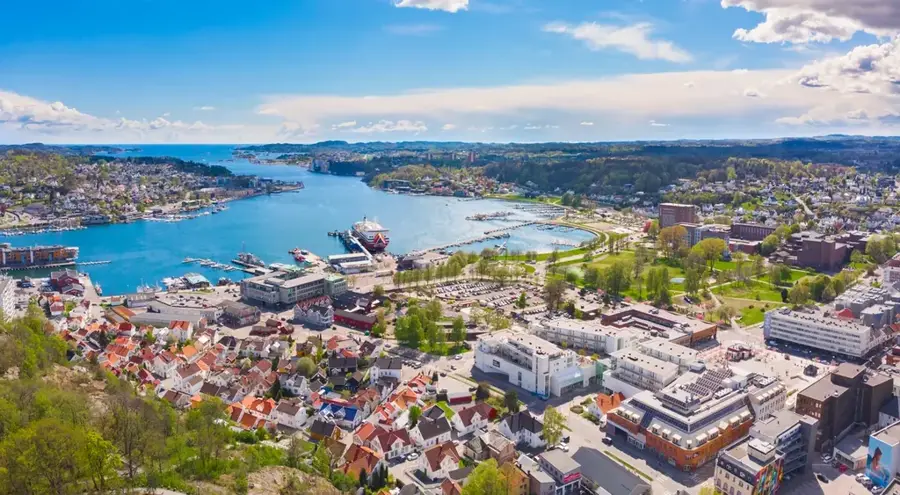
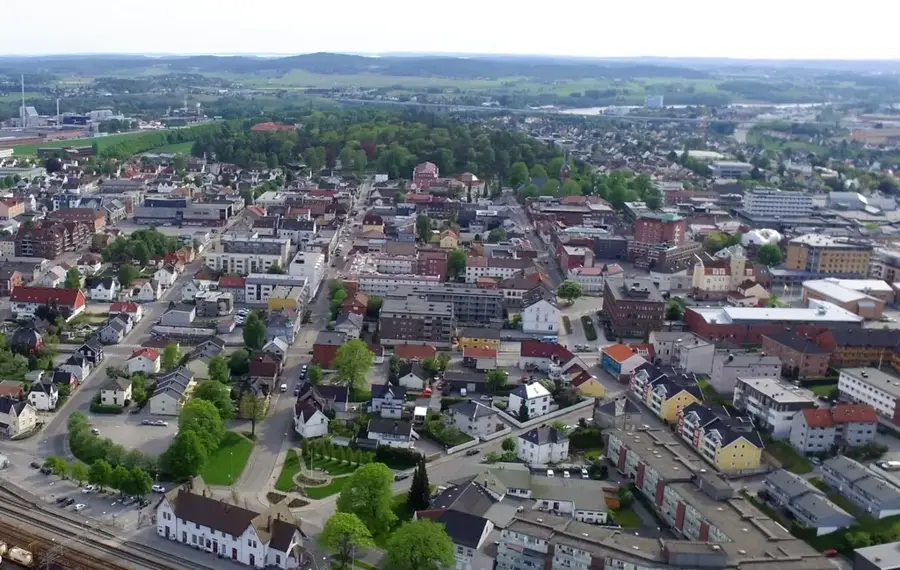
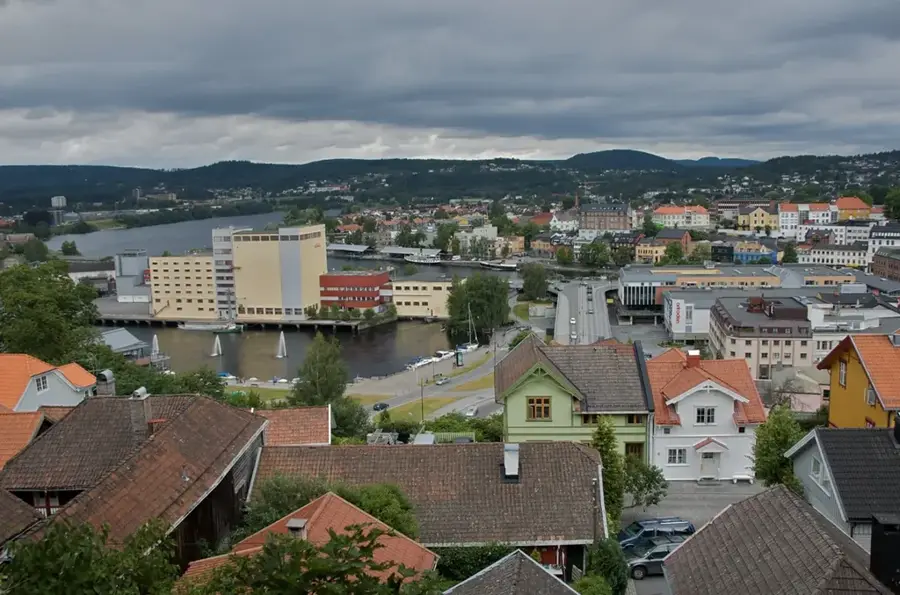
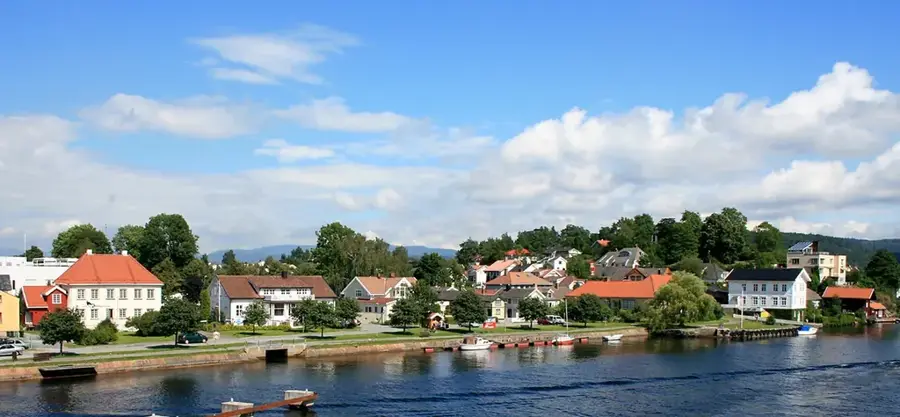
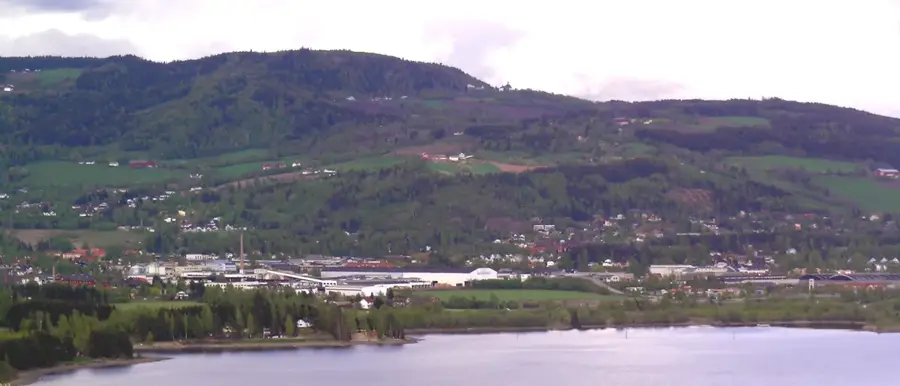
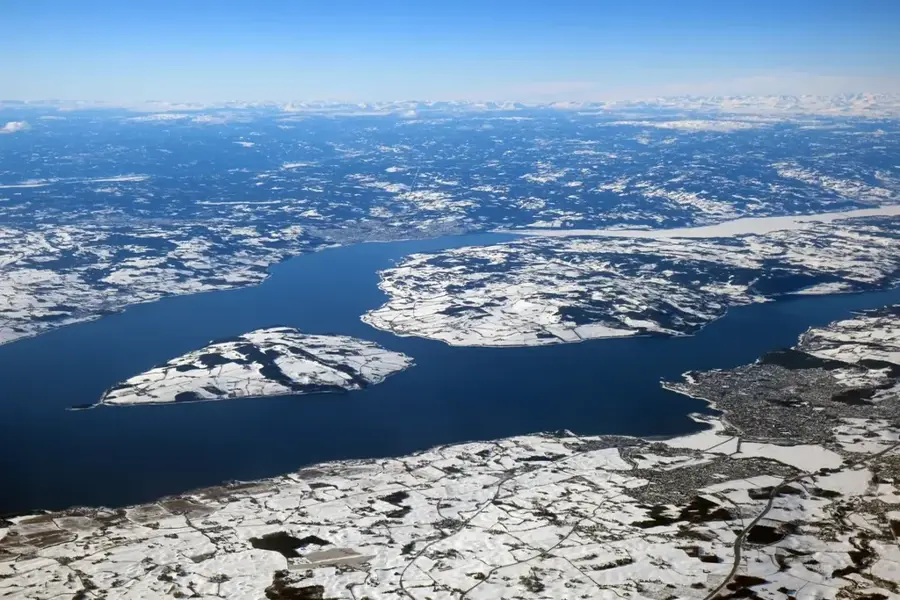
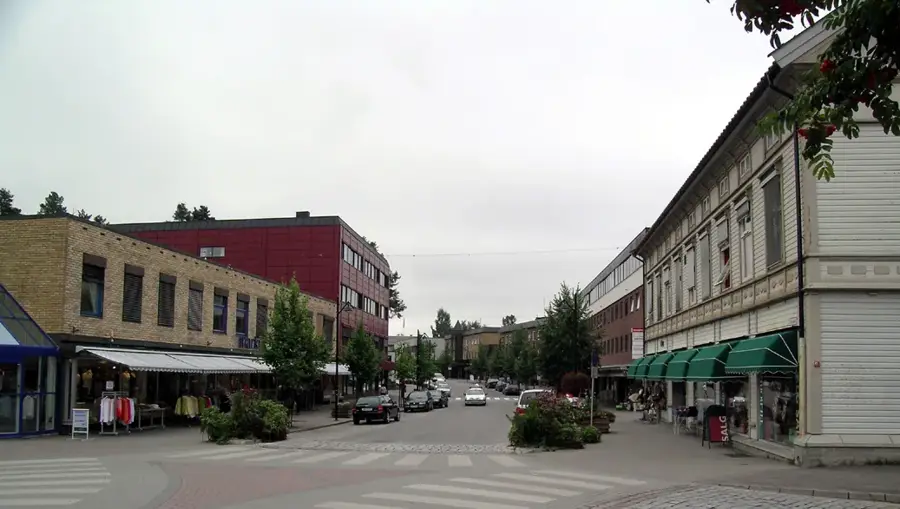
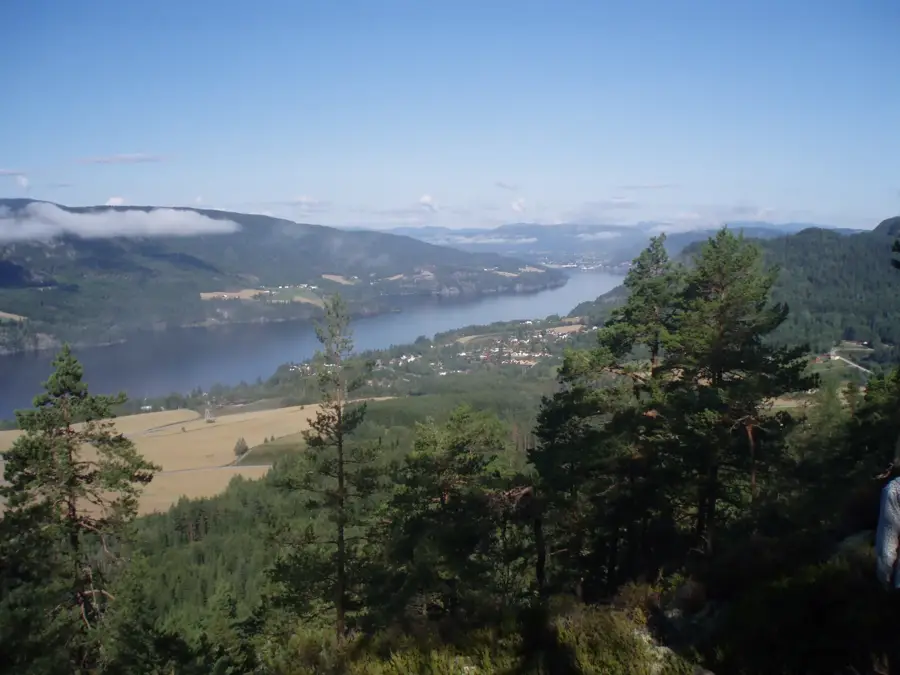
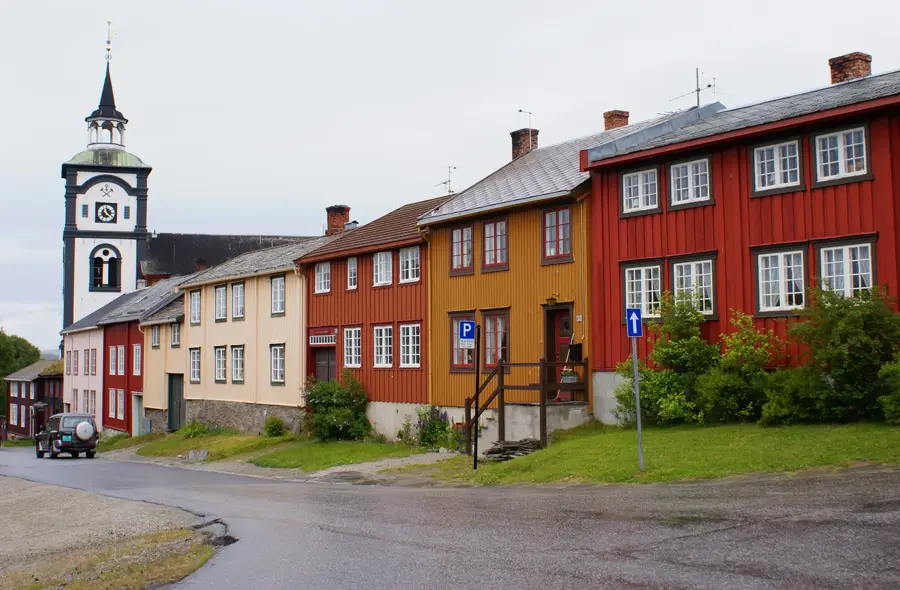
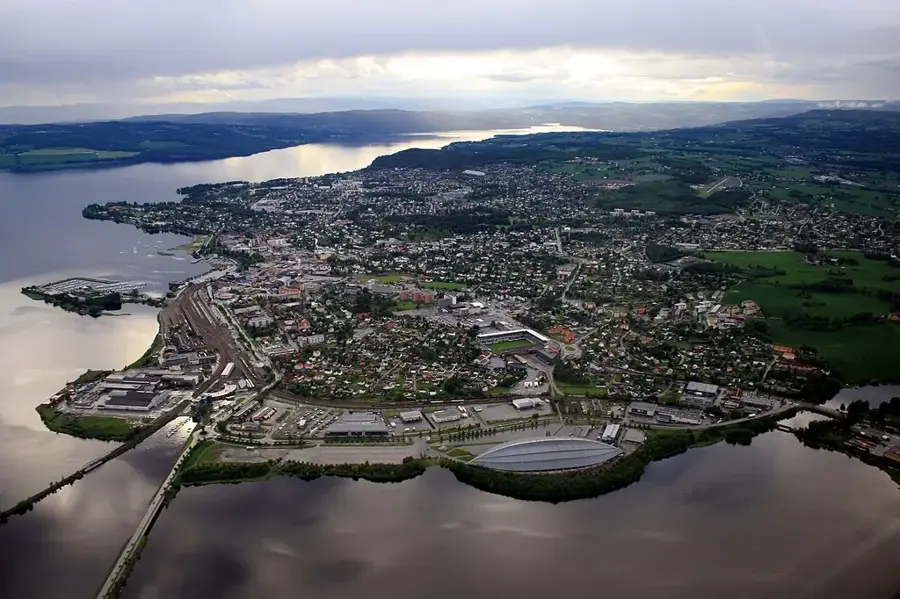
Hamar is situated on the eastern shore of Lake Mjøsa, Norway's largest lake, in Innlandet county. The city has a rich medieval history dating back to 1050, when it served as a crucial religious and commercial hub. A prominent testament to this era is the ruins of the old Hamar Cathedral, now protected by a modern glass structure and part of the Hedmark Museum. The modern city of Hamar was established in 1849 and quickly evolved into a transport gateway on the railway line between Oslo and Trondheim. Hamar gained international fame as a host city for the 1994 Winter Olympics, for which the iconic 'Vikingskipet' (The Viking Ship) speed skating arena was constructed. The city is also a major center for agricultural technology and regional administration. Hamar provides a high quality of life with extensive lakeside parks and an animated cultural scene. The architecture spans from historical wooden buildings to innovative modern structures that honor the region's heritage.
The most pleasant time to visit is Jun–Aug.
| Jan | Feb | Mar | Apr | May | Jun | Jul | Aug | Sep | Oct | Nov | Dec | |
|---|---|---|---|---|---|---|---|---|---|---|---|---|
| Avg °C | -8 | -8 | -4 | 2 | 8 | 13 | 15 | 14 | 9 | 3 | -3 | -7 |
| Rain mm | 71 | 52 | 52 | 55 | 100 | 103 | 123 | 130 | 93 | 93 | 86 | 69 |
See what it looks like near Hamar right now.
Hamar › South · 0.5 km · Open webcam on Windy · Webcams provided by Windy.com
Notable places around
Where do you start? We build the route here, with stops and country notes along the way.
© OpenStreetMap contributors · OpenRouteService
Start your walking tour in the heart of Hamar at Basaren before admiring the modern cathedral. In the morning, stroll along the Mjøsa Promenade, enjoying the fresh lake air. The afternoon is dedicated to cultural heritage with a long visit to the fascinating Domkirkeodden museum, housing medieval ruins under a spectacular glass roof. Later, learn about the opera legend Kirsten Flagstad. End the day with a relaxing dinner downtown.
Start your rainy day in Hamar inside the sheltered Basaren. The short walk to the cathedral leads you to the impressive glass structure protecting the ruins from the wet. At noon, the Mjøsa promenade offers a moody view of the grey lake before seeking cover in Koigen Park. Spend the afternoon in the extensive indoor areas of Domkirkeodden and the Flagstad Museum, staying dry while exploring history.
Experience Hamar as a winter wonderland. The day starts at Basaren before trudging through crunching snow to the cathedral. The promenade by the frozen Mjøsa lake offers crystal-clear air. Warm up at Domkirkeodden at noon as the daylight fades early. With sunset around 3:30 PM, catch the golden hour by the lake before heading to the warmth of the Flagstad Museum.
Your bike tour starts in the city center before an interesting ride to the Norwegian Railway Museum. In the late morning, you'll cycle along the lakeside to the historic site of Domkirkeodden for a thorough exploration. After lunch, a leisurely ride along the Mjøsa Promenade takes you back towards the center. In the afternoon, you'll take a final long trip to the iconic Vikingskipet arena, a masterpiece of modern architecture, before returning to the center for the evening.
A bike ride in the rain requires good gear but rewards you with empty paths. From Basaren, cycle to the Railway Museum to see historic trains under cover. The ride to Domkirkeodden follows the lake where spray meets rain. Conclude your tour at the Vikingskipet, a massive indoor arena that provides perfect shelter in the late afternoon.
Winter biking in Hamar is an adventure on packed snow. Start in the center and use cleared paths towards the Railway Museum. The cold ride to Domkirkeodden is rewarded by stunning views of the white lake. After visiting the cathedral, cycle to the impressive Vikingskipet. Daylight fades fast, so good lighting is essential for the ride back in the late afternoon.
Maximize your time by driving between the more distant sights. Start your morning at the iconic Vikingskipet, then head to the Railway Museum. In the afternoon, drive to Domkirkeodden, park, and explore the museum and Koigen park on foot. To finish the day, drive to the city center, park again, and enjoy an evening stroll through the Basaren area and along the Mjøsa Promenade to soak up the central atmosphere.
By car, Hamar is very comfortable during rain. Start at the imposing Vikingskipet and drive to the Railway Museum while wipers clear the view of Lake Mjøsa. Reach Domkirkeodden at noon, where you can move from the car to the exhibitions almost entirely dry. After a stop at Basaren, end your day at the cathedral, where the glass roof looks particularly dramatic in the rain.
Enjoy Hamar's winter splendor from the warmth of your car. Start at the Vikingskipet and drive through the snowy town to the Railway Museum. The route along Mjøsa offers spectacular views of the ice. At noon, reach Domkirkeodden, where the ruins look magical in the snow. Visit the center and end your day at the promenade to catch the last light over the frozen lake.
An important wetland nature reserve on Lake Mjøsa, known for its diverse birdlife.