Plizio Visual Lab

Bardiya National Park
Plizio editorial teamData Sources
national-park
—°3
Bardiya National Park (Nepal)

Weather…

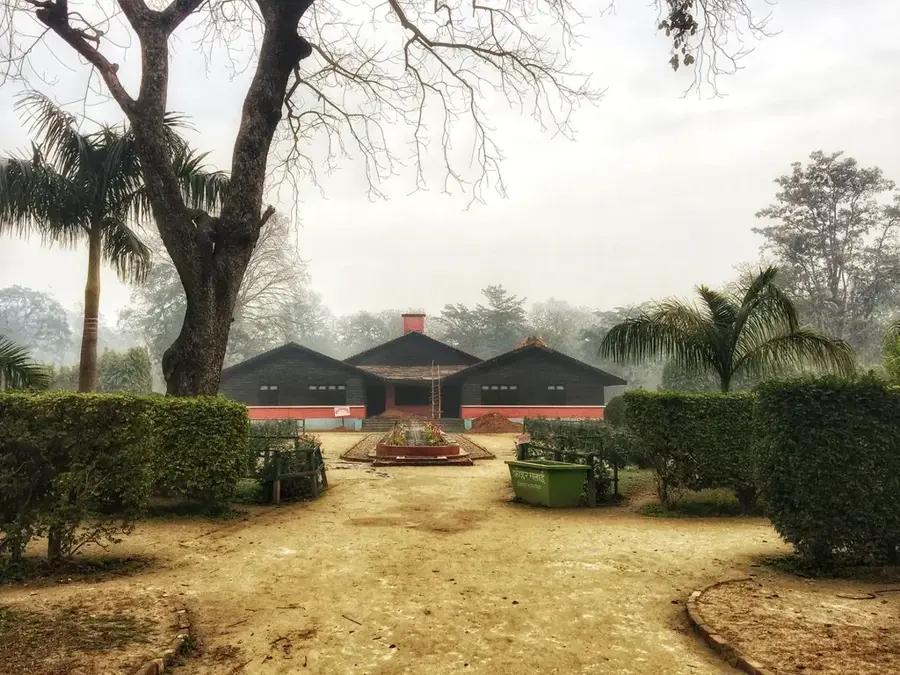
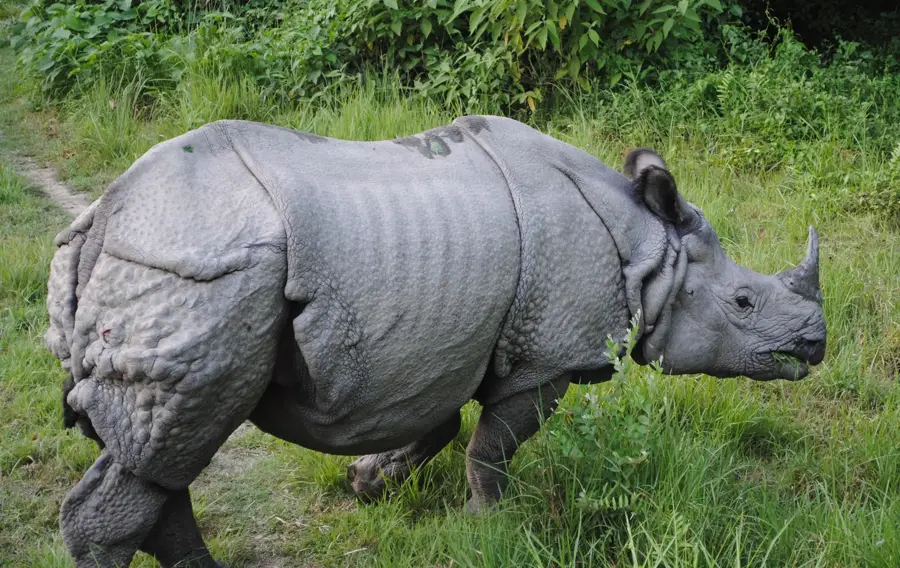
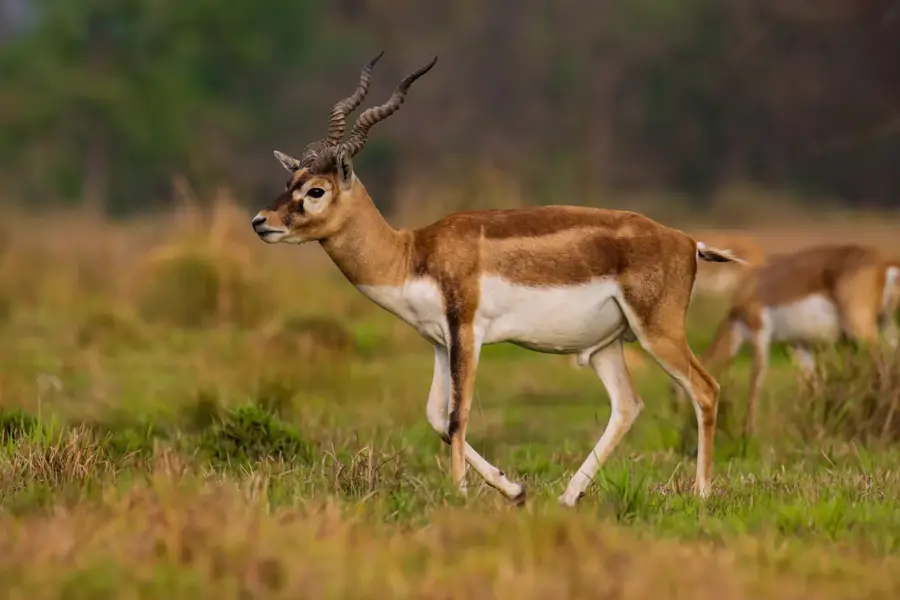
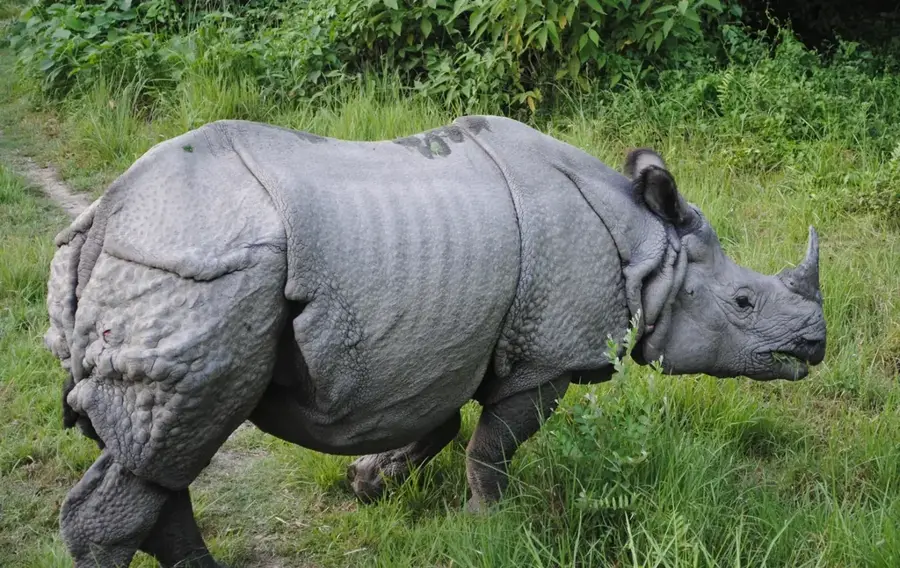
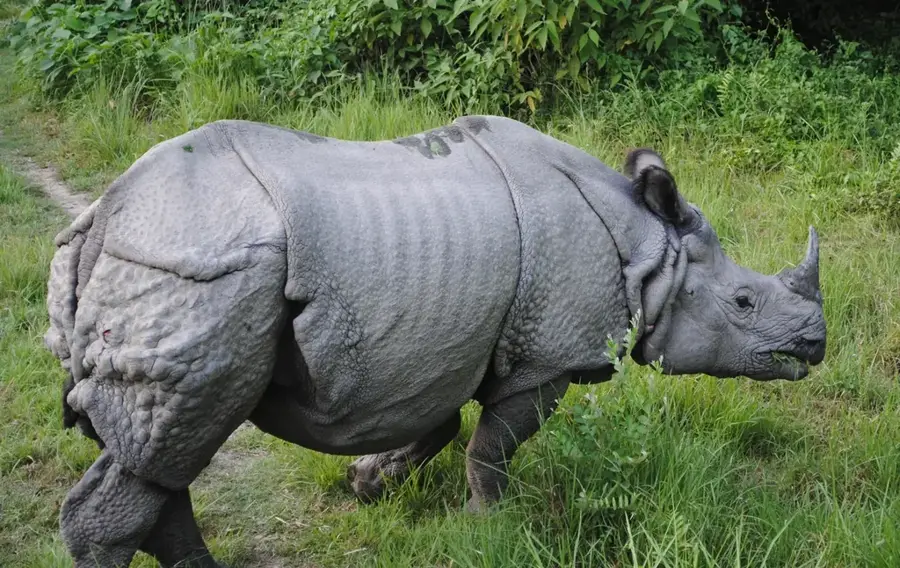
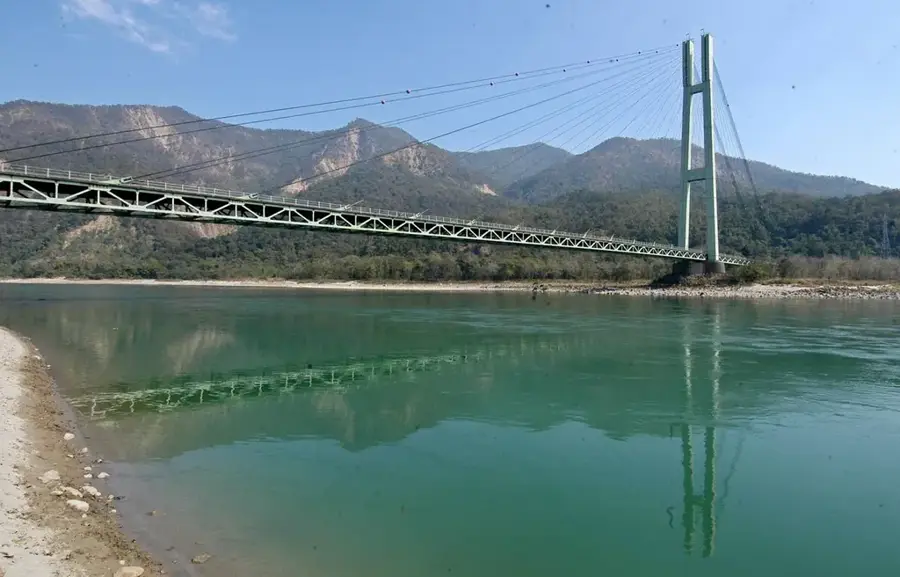
Bardiya National Park is the largest and most undisturbed protected area in Nepal's Terai lowlands. Originally designated as a Royal Hunting Reserve in 1968, it was officially declared a national park in 1988 and covers an area of 968 square kilometers. The park is situated on the eastern bank of the Karnali River and is bisected by the Babai River. It serves as a crucial sanctuary for the Royal Bengal Tiger, the Greater One-horned Rhinoceros, and the Asian elephant. The vegetation is dominated by sal forests and vast savannahs, providing a handy habitat for large herbivores. Bardiya is renowned for its remote wilderness, distinguishing it from the more heavily visited parks in central Nepal. The area plays a central role in the trans-boundary conservation corridor between Nepal and India. The preservation of its natural river systems also supports rare aquatic species such as the Gangetic dolphin.

Best time to visit & climate

The most pleasant time to visit is Feb, Mar, Nov.

JanFebMarAprMayJunJulAugSepOctNovDec
Avg °C151824293233292827242016
Rain mm273725256518840028215827510

📋 Practical info

🧭
Getting there
Access is usually via a domestic flight to Nepalgunj, followed by a land transfer to the park entrance at Thakurdwara. Local buses and private jeeps provide standard onward travel from the regional airport.
📅
Best season
The optimal time to visit is generally from mid-September to December and from February to May, when weather is favorable. During the monsoon, heavy rains can make roads impassable and disrupt wildlife viewing.
⛰️
Terrain & paths
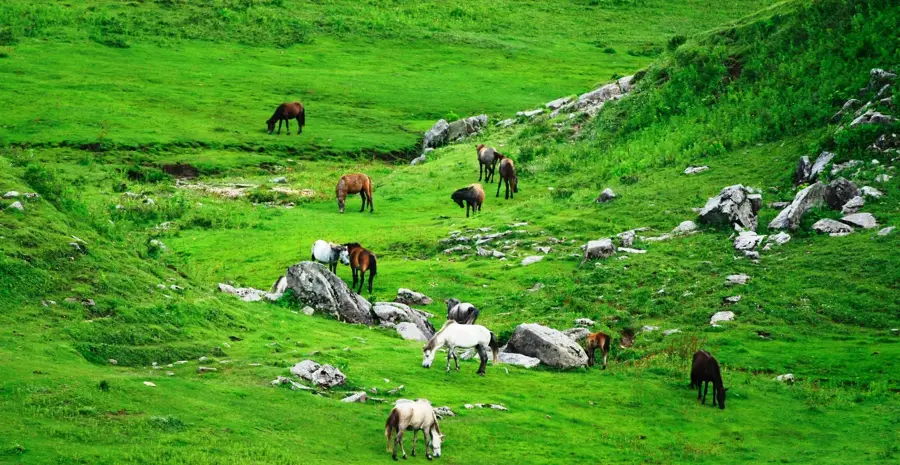
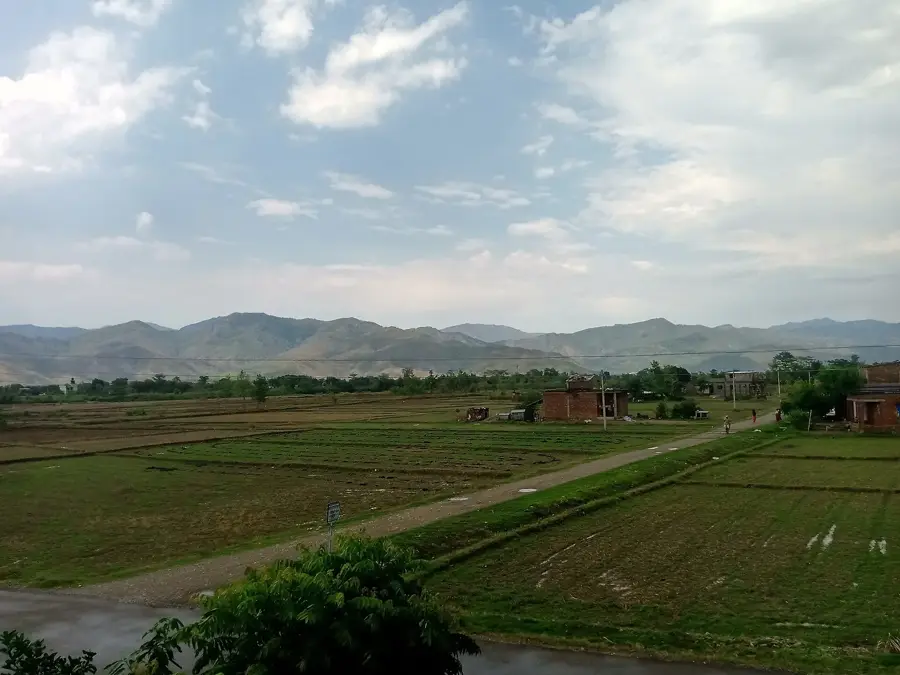
The landscape consists largely of flat plains, dense sal forests, and tall elephant grass alongside winding rivers. Exploration is mostly conducted via guided jeep safaris or walks along established dirt trails.
🎒
What to bring
Visitors should consider packing lightweight, neutral-colored clothing, comfortable walking shoes, and reliable sun protection. Insect repellent, binoculars, and sufficient drinking water are absolutely essential.
🅿️
Parking
Vehicles are usually parked near the various lodges, guesthouses, or the main park headquarters at the Thakurdwara entrance. Guided safari transport typically departs directly from these designated accommodation zones.
⚠️
Safety
It is highly recommended to strictly follow the instructions of licensed local guides due to the presence of wild tigers and rhinos. Wandering off the trails without professional supervision is strongly discouraged.
⏱️
Time needed
A typical itinerary involves a stay of around two to four days to adequately explore the diverse ecosystems and increase sighting chances. Shorter trips only allow a brief glimpse of the park's immense natural wealth.

Geography

Coordinates
28.38330, 81.33330

Facts

  • Bardiya was officially upgraded to national park status in 1988.
  • The park encompasses a total area of 968 square kilometers.
  • It is home to the Karnali River, the longest river in Nepal.
  • Over 70% of the park's territory is covered by sal forests.
  • More than 400 species of birds have been identified in the area.
  • The massive Asian elephant 'Rajagaj' was one of its most famous residents.

Explore nearby

Notable places around
Route planner — Car & Motorhome

Where do you start? We build the route here, with stops and country notes along the way.

Vehicle
Only stops with (optional):

© OpenStreetMap contributors · OpenRouteService

Sights in the town Bardiya National Park (3)

Bhagawati mills📍 landmark

Bhagawati Mills is a rural windmill site contributing to local grain processing near the edge of Bardiya National Park.

Krishna Mandir📍 landmark

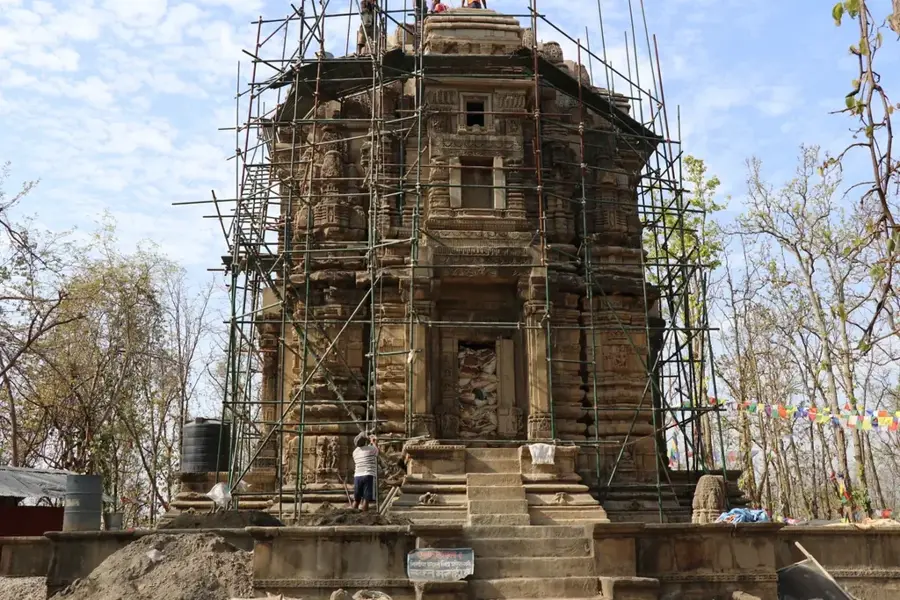
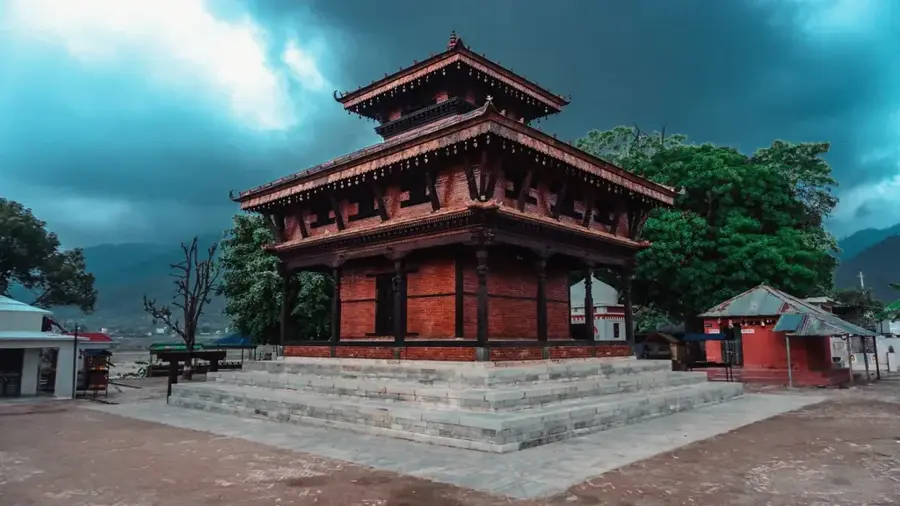
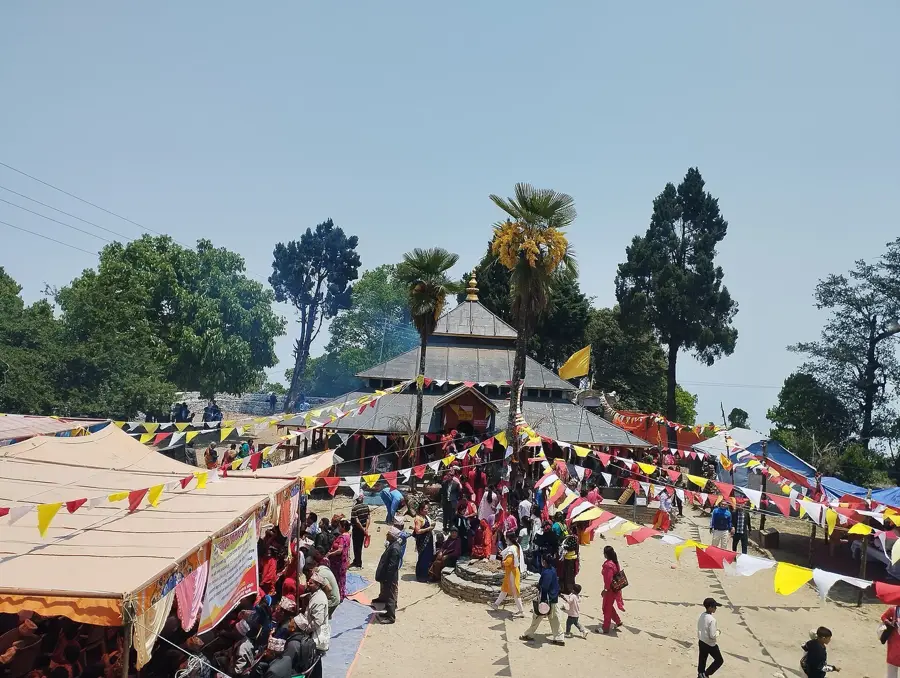
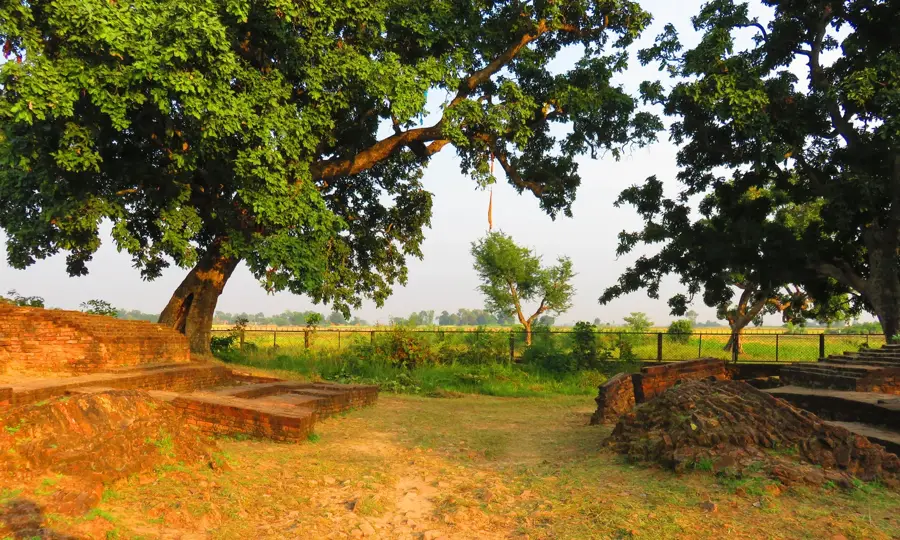
Krishna Mandir is a local Hindu temple dedicated to Lord Krishna, located in the buffer zone of the wild Bardiya National Park.

🕒 24/7

shiva mandir📍 landmark

Shiva Mandir serves the spiritual needs of the surrounding communities with its traditional Hindu shrines near Bardiya's wildlife reserves.

🕒 5:00-8:00,17:00-19:00

Sights nearby

Frequently asked questions

Why visit Bardiya National Park?
It is less crowded than Chitwan and features good chances for tiger sightings.
How is the travel?
Usually by domestic flight to Nepalgunj, then transfer by car.
Best time for safari?
The period after the monsoon (October to December) is handy.
Do I need a guide?
Yes, a guide is mandatory for hikes or jungle safaris.
Are there accommodations?
There are simple lodges and resorts near the park entrance.
Bardiya National Park: where is it located?
Bardiya National Park is located in Nepal.
Bardiya National Park: what is there to see?
Highlights include Bhagawati mills, Krishna Mandir, shiva mandir.
Bardiya National Park: when is the best time to visit?
The most pleasant time to visit is Feb, Mar, Nov.
Bardiya National Park: why is it worth visiting?

Bardiya National Park is the largest and most undisturbed protected area in Nepal's Terai lowlands.
View on map → The Top 50 Attractions → OpenStreetMap →
Asia
Explore with Plizio Discover more places in Asia
More places in Nepal →

Nearby cities

History & landmarks
More places