Plizio Visual Lab

Banke National Park
Plizio editorial teamData Sources
wildlife-area
—°
Banke National Park (Nepal)

Weather…

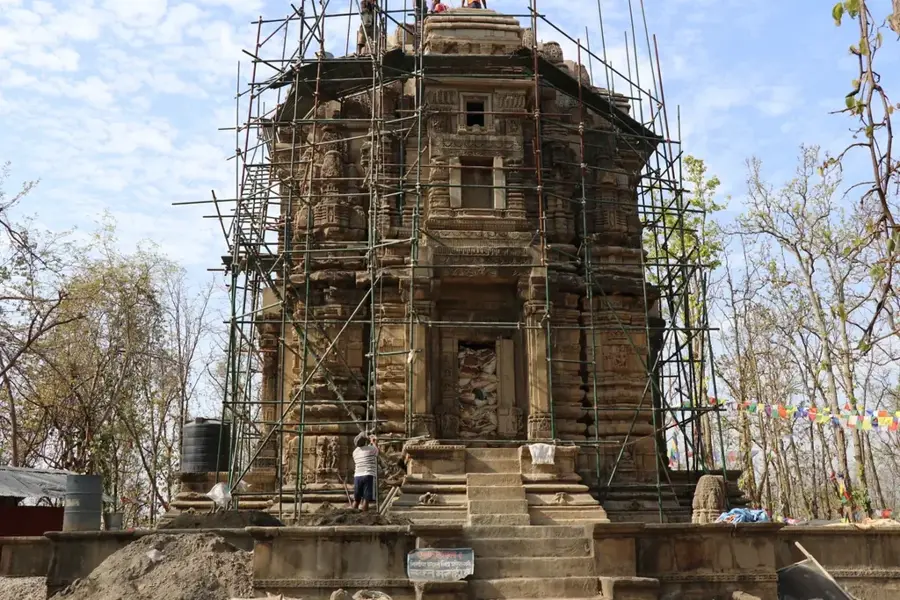
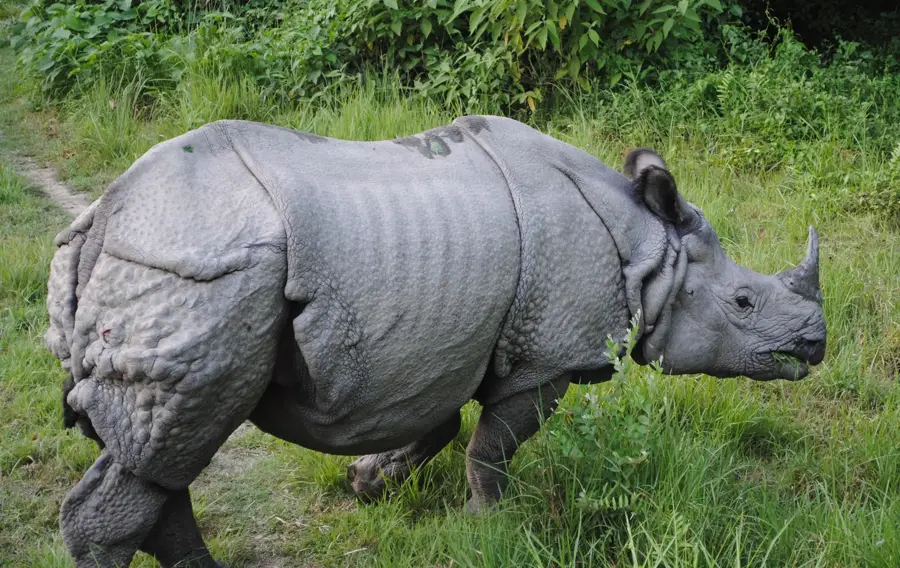
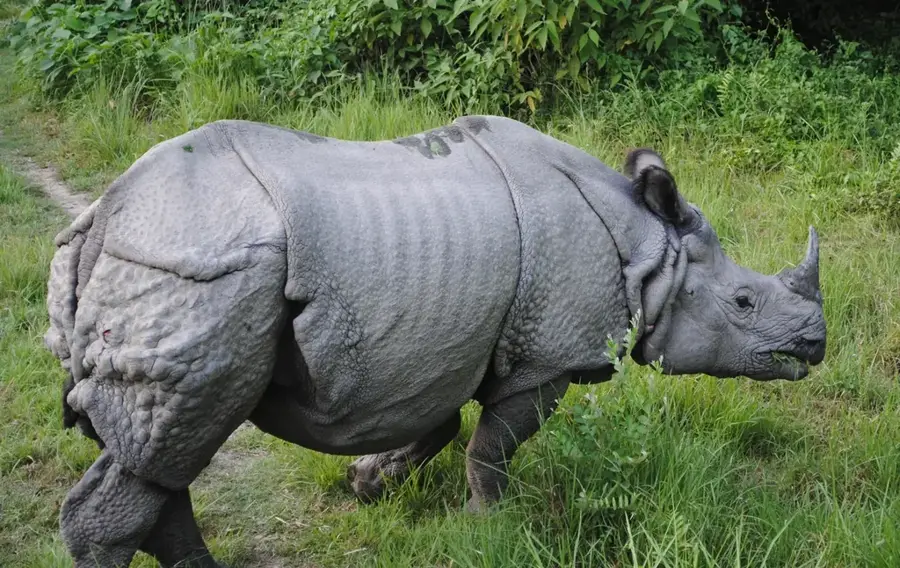
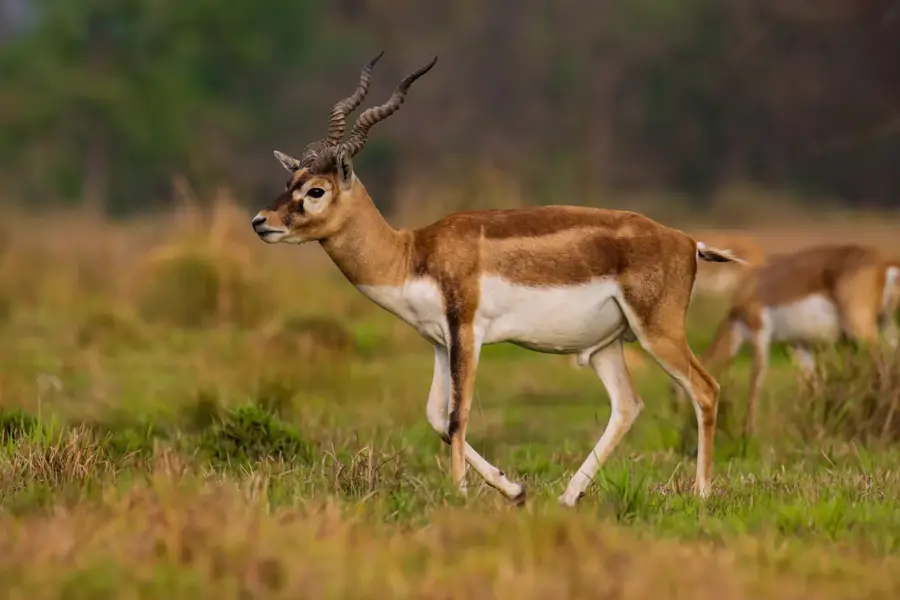
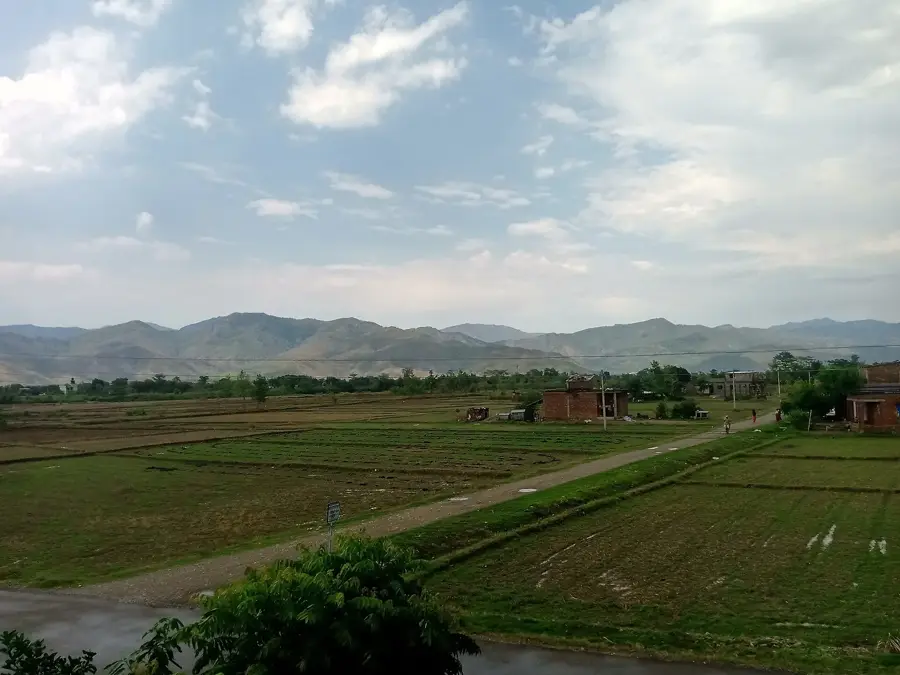
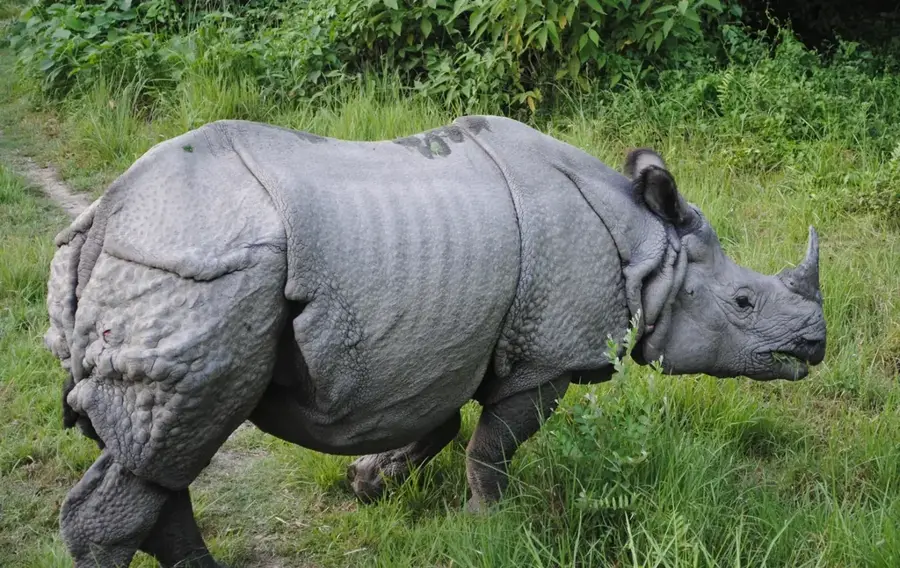
Banke National Park is located in mid-western Nepal, in Banke District, near the Indian border. It was established in 2010 and covers an area of about 550 square kilometers. The park is part of the Banke-Bardia complex and serves as an important wildlife corridor between Bardia National Park and India's Katarniaghat Wildlife Sanctuary. Vegetation includes Sal forests, grasslands, and riverine floodplains. Wildlife includes Bengal tigers, Asian elephants, greater one-horned rhinoceroses, sloth bears, axis deer, and Gangetic dolphins in adjacent rivers. The park is also known for its bird species, including the Bengal florican. Access is limited to guided tours. Banke National Park is managed by the Department of National Parks and Wildlife Conservation and has buffer zones for local communities.

Best time to visit & climate

The most pleasant time to visit is Feb, Mar, Nov.

JanFebMarAprMayJunJulAugSepOctNovDec
Avg °C151924303333302827252116
Rain mm24302221621914072901733248

📋 Practical info

📅
Best season
The prime season to visit the expansive Terai landscapes is between late autumn and early spring, offering pleasant temperatures and clear skies. The dry months significantly improve visibility through the vegetation, making it easier to spot wildlife traversing this crucial protected habitat.
🌅
Best time of day
Dawn excursions capitalize on the heightened activity of nocturnal species returning to rest and early risers beginning their daily foraging routines. Exploring the park during the fading light of dusk is equally rewarding, as the cooling temperatures encourage movement near watering holes.
📜
Etiquette
Exploring the national park strictly requires adherence to established routes, usually accompanied by an authorized local guide to minimize ecological disruption. Loud noises, sudden movements, and leaving behind any non-biodegradable waste are heavily restricted to protect the fragile environmental balance.
🎒
What to bring
Durable outdoor clothing in muted shades such as khaki or olive is convenient for remaining inconspicuous among the thick jungle flora. Comprehensive insect repellent, sturdy trekking boots, and reliable optics are crucial investments for navigating the rugged terrain safely and effectively.
🧭
Getting there
Reaching this emerging conservation area generally requires private transport from regional hubs, as public connections may be somewhat limited and infrequent. Arranging entry permits and securing a knowledgeable local ranger beforehand ensures a smooth start to your jungle expedition.
🦌
What to expect
As a newer and potentially less commercialized park, animal sightings rely heavily on tracking skills rather than predictable tourist routes. Embracing the wilderness experience, absorbing the profound silence of the forest, and trusting your guide's expertise make the eventual wildlife discoveries profoundly satisfying.

Geography

Coordinates
28.16330, 81.87940

Facts

  • Established in 2010
  • Area approx. 550 km²
  • Part of Banke-Bardia complex
  • Protects tigers, elephants, rhinoceroses
  • Serves as wildlife corridor
  • Managed by Department of National Parks and Wildlife Conservation

Explore nearby

Notable places around
Route planner — Car & Motorhome

Where do you start? We build the route here, with stops and country notes along the way.

Vehicle
Only stops with (optional):

© OpenStreetMap contributors · OpenRouteService

Sights nearby

Frequently asked questions

What is the main feature of Banke National Park?
The park is known for its diverse ecosystems.
What activities are available?
Hiking, jungle safaris, and bird watching are popular.
Is the park suitable for families?
Yes, with a guide, the park is a great experience for children.
Are there malaria-free zones?
The entire park is a risk area; prophylaxis is advisable.
How are the trails?
The trails are natural and can be very muddy.
Banke National Park: where is it located?
Banke National Park is located in Nepal.
Banke National Park: when is the best time to visit?
The most pleasant time to visit is Feb, Mar, Nov.
Banke National Park: why is it worth visiting?

Banke National Park is located in mid-western Nepal, in Banke District, near the Indian border.
View on map → The Top 50 Attractions → OpenStreetMap →
Asia
Explore with Plizio Discover more places in Asia
More places in Nepal →

Nearby cities

History & landmarks
More places