Plizio Visual Lab

Massa
Plizio editorial teamData Sources
River
—°4
Massa (Morocco)

Weather…

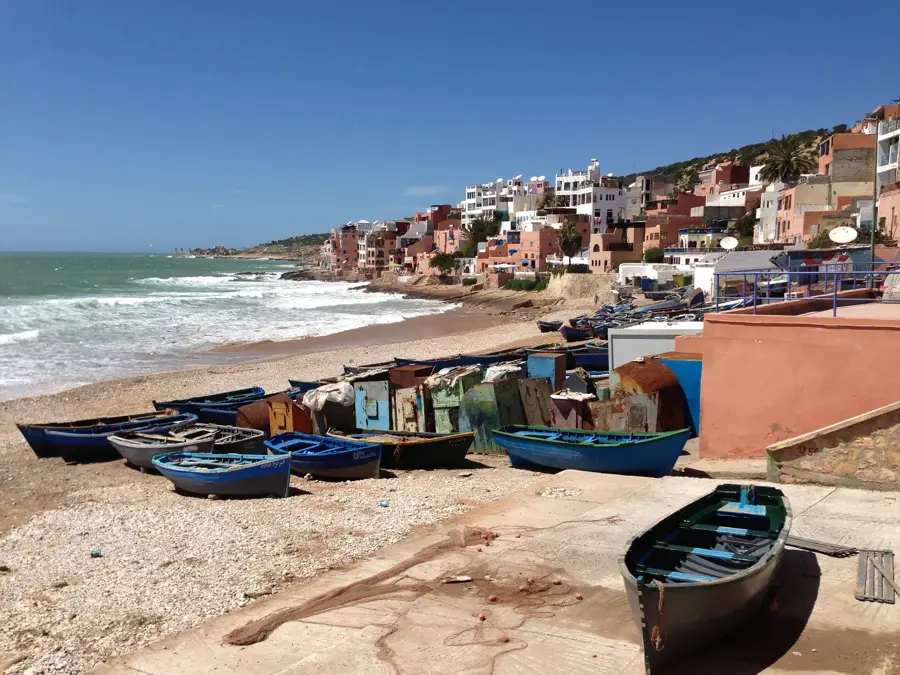
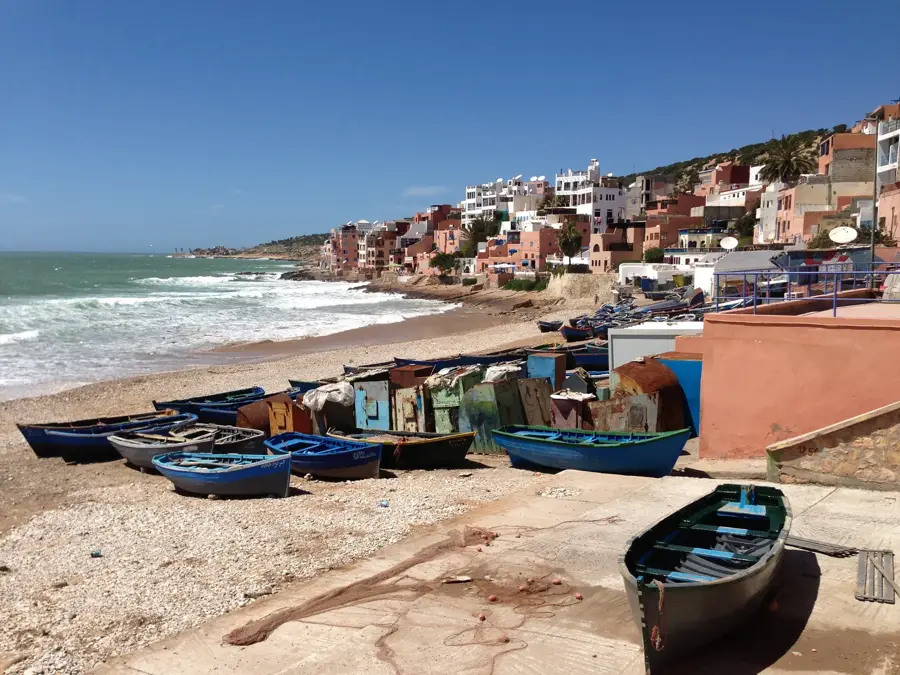
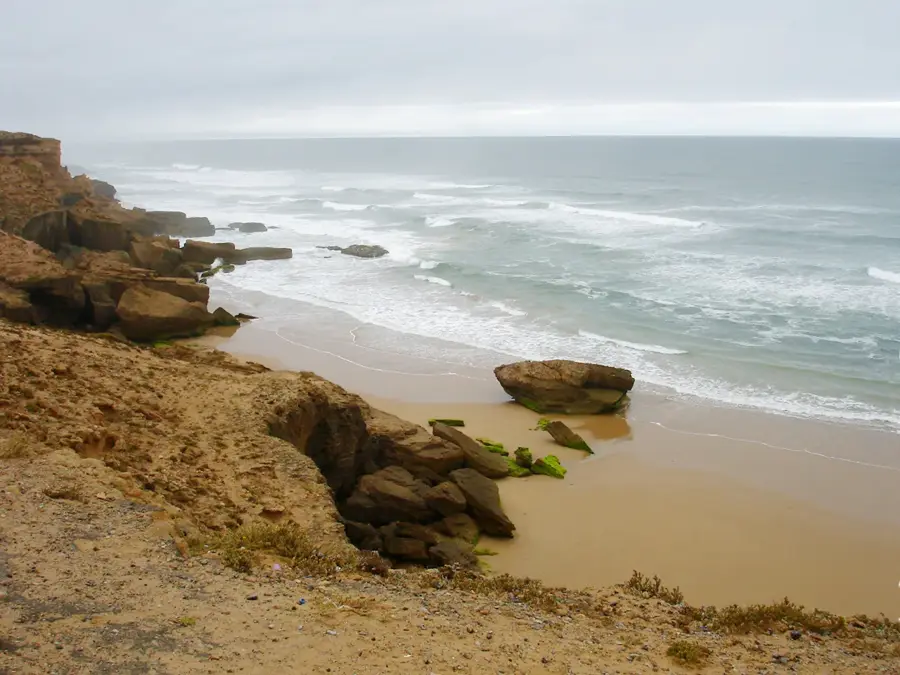
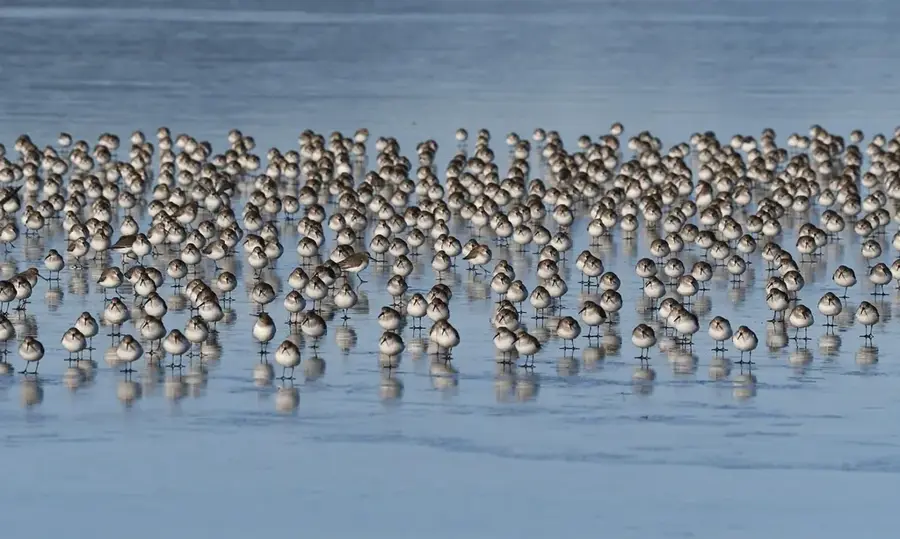
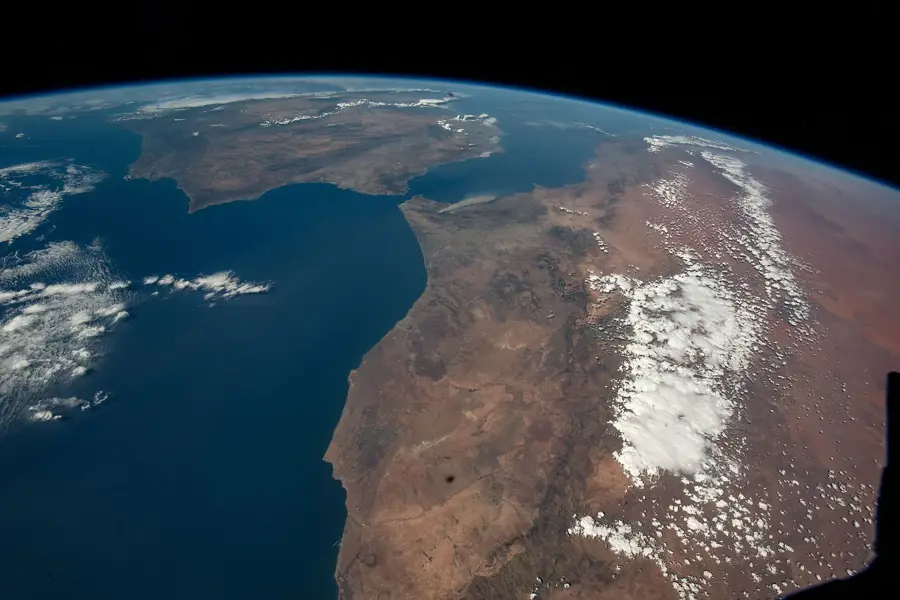
Oued Massa is a relatively short but ecologically vital river in southwestern Morocco, giving its name to the Souss-Massa National Park. It stretches for about 120 kilometers, originating in the Anti-Atlas mountains before flowing into the Atlantic Ocean south of Agadir. The unique feature of Oued Massa is its permanent estuary, which creates a lush green oasis within the arid coastal landscape. This region is world-renowned for its birdlife, particularly as the last natural breeding ground for the endangered Northern Bald Ibis. The lagoons and reed beds at the mouth serve as a critical resting point for thousands of migratory birds traveling between Europe and Africa. Since 2005, the area has been protected as a Ramsar wetland of international importance. Beyond its ecological role, the river sustains local villages and palm groves through traditional irrigation systems.

📋 Practical info

🧭
Getting there
This southern river is easily accessible from the city of Agadir, with well-maintained coastal roads leading to the Souss-Massa National Park area. The final stretches towards the river mouth and estuary often involve driving on smaller, sandy tracks.
📅
Best season
Visiting is pleasant year-round thanks to the cooling coastal breezes, but the months from September to April are particularly good. This period avoids the intense mid-summer heat and coincides with the spectacular migration of numerous bird species.
⛰️
Terrain & paths
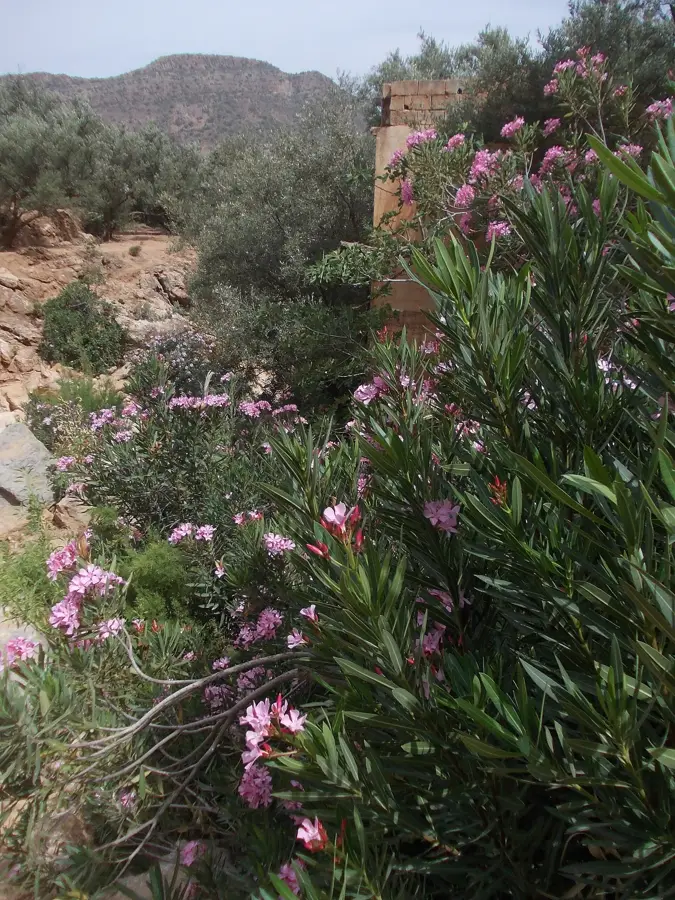
The terrain seamlessly shifts from sandy dunes near the Atlantic coast to lush, reedy wetlands and agricultural plots further inland. Walking trails along the river are generally flat and sandy, making for relatively easy but sometimes soft going.
🎒
What to bring
Comfortable walking shoes or sturdy sandals are perfectly adequate for the sandy trails bordering the water. Enthusiasts should absolutely bring a pair of high-quality binoculars for birdwatching, alongside the usual sun protection and drinking water.
🅿️
Parking
There are generally dedicated parking areas near the main entrances to the national park or near the local fishing villages at the estuary. Always follow local signage and avoid driving your vehicle directly onto fragile coastal dune ecosystems.
⚠️
Safety
The area is very safe for general tourism, though you should be cautious of strong sun exposure along the unshaded coast. When walking near the estuary, be mindful of tidal changes and avoid swimming due to the Atlantic's notoriously strong undertows.
⏱️
Time needed
A half-day trip from Agadir is popular for enjoying a relaxing walk and taking in the coastal scenery. Serious birdwatchers and nature photographers frequently spend a full day exploring the diverse habitats along the river's lower stretches.

Geography

Coordinates
30.10000, -9.60000

Facts

  • The river has a total length of approximately 120 kilometers.
  • Gives its name to and forms the heart of Souss-Massa National Park.
  • Home to the world's last wild colony of Northern Bald Ibises.
  • Designated as a Ramsar wetland of importance since 2005.
  • Features a permanent freshwater estuary on the Atlantic coast.
  • Major stopover for migratory birds on the Euro-African flyway.

Explore nearby

Notable places around

Route planner — Car & Motorhome

Where do you start? We build the route here, with stops and country notes along the way.

Vehicle
Only stops with (optional):

© OpenStreetMap contributors · OpenRouteService

Sights in the town Massa (4)

Fisherman's Cave🌿 nature

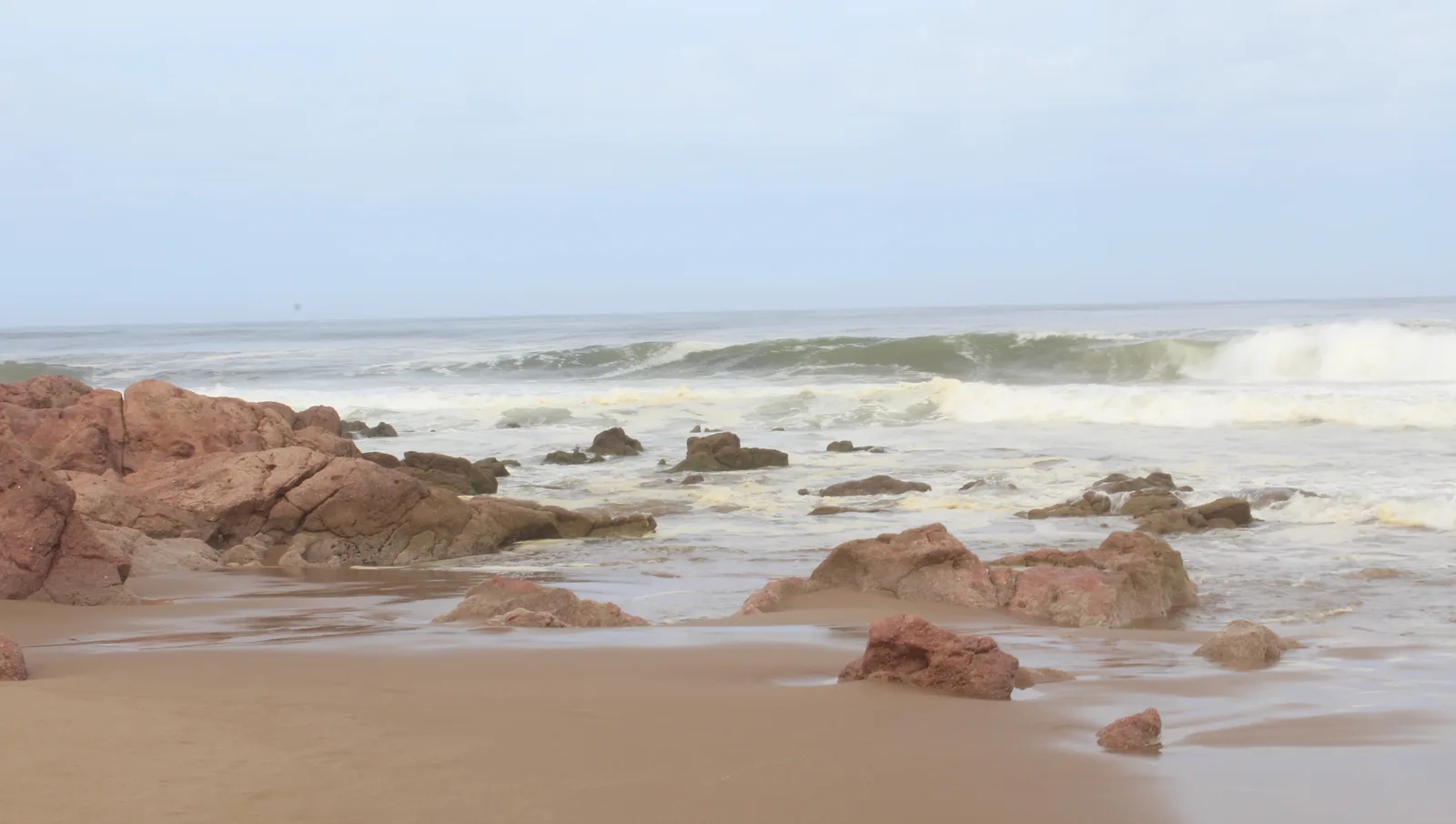
A weathered rocky overhang naturally carved by the ocean, offering a framed vista of the crashing waves.

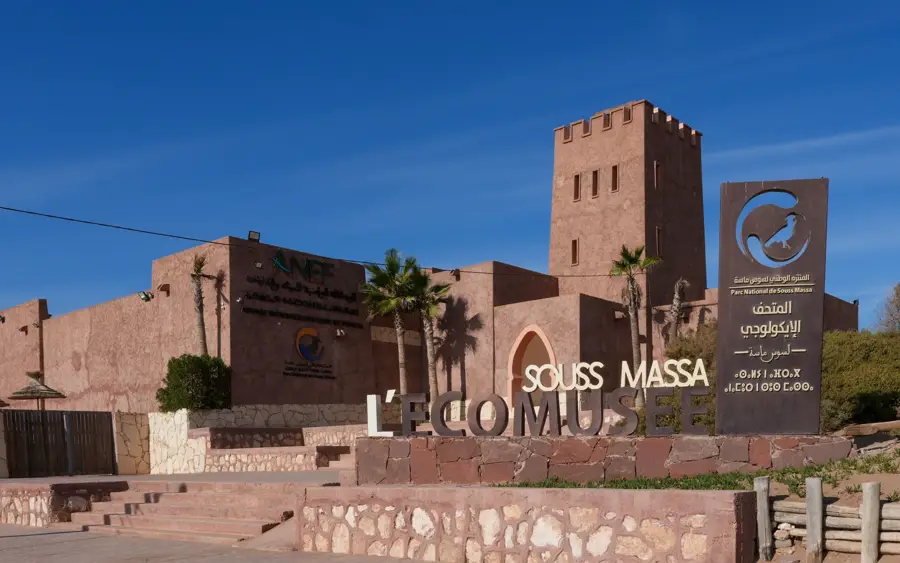
L‘Eco Musee Souss-Massa National Park🏛 museum

An educational center in the Souss-Massa National Park detailing the fragile coastal steppe ecosystem and its endangered wildlife.

Observatoire de l'Oued Massa🌿 nature

A tranquil birdwatching platform overlooking the Oued Massa river estuary, well-suited for spotting migratory wading birds.

Souss Massa National Park🌿 nature

A protected coastal reserve in Souss-Massa characterized by sandy dunes and estuarine habitats, famous for harboring the endangered northern bald ibis.

Sights nearby

Frequently asked questions

Why is the Massa reserve so important?
It is one of the last world sanctuaries for the rare Northern Bald Ibis (Geronticus eremita).
Can you visit the park on your own?
Yes, but an official guide is highly recommended to avoid disturbing protected birds and to spot them more easily.
What clothing should be worn?
Comfortable hiking shoes and inconspicuous light-colored clothing plus sunscreen are well-suited for observation.
Are there any dining options?
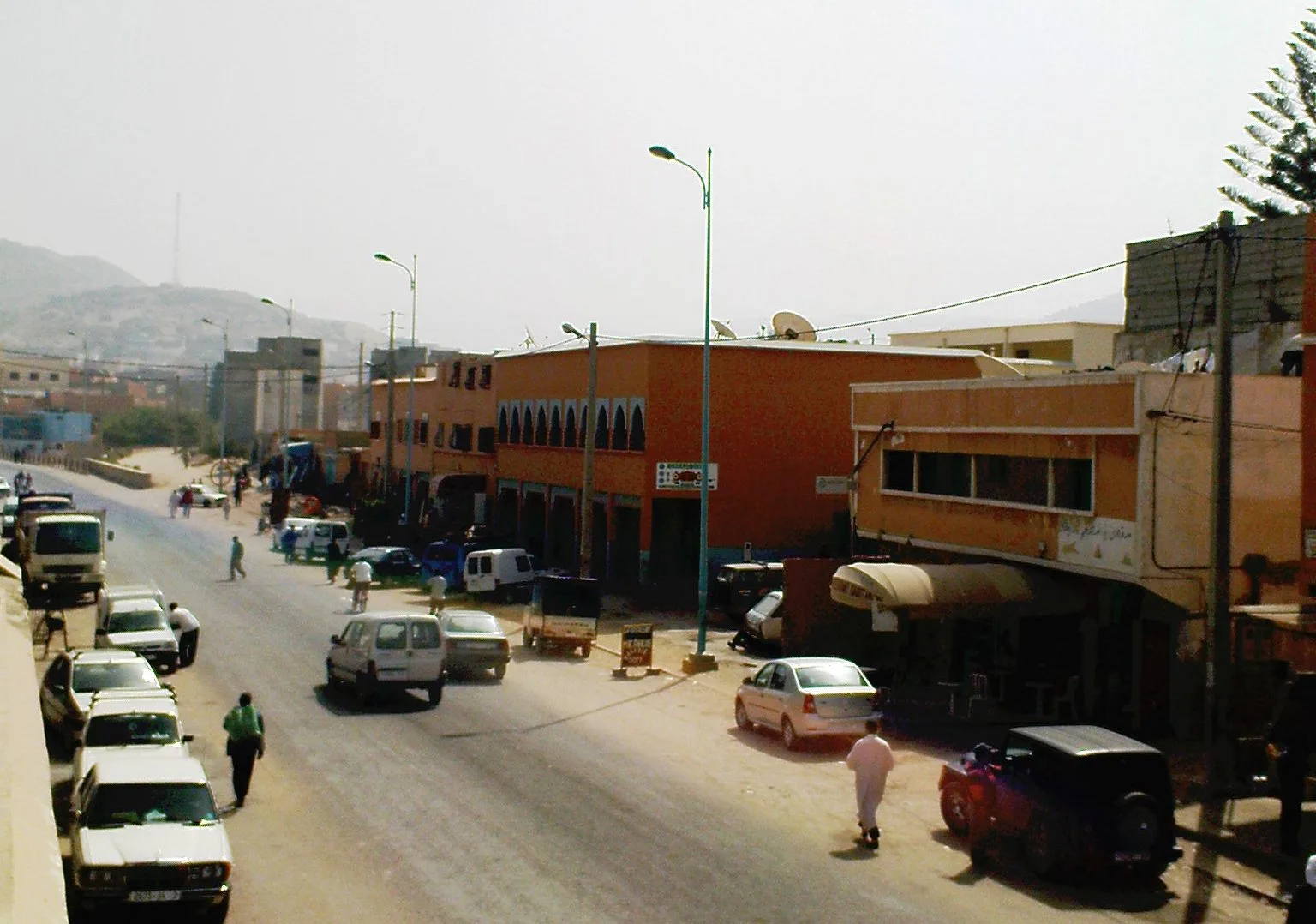
In the surrounding villages like Massa, there are small traditional restaurants, but none in the core area.
How long does a typical visit take?
Plan for about 3 to 4 hours to explore the riverside paths and dunes at a relaxed pace.
Massa: where is it located?
Massa is located in Morocco.
Massa: what is there to see?
Highlights include Fisherman's Cave, L‘Eco Musee Souss-Massa National Park, Observatoire de l'Oued Massa.
Massa: why is it worth visiting?
Oued Massa is a relatively short but ecologically vital river in southwestern Morocco, giving its name to the Souss-Massa National Park.
View on map → The Top 50 Attractions → OpenStreetMap →
Africa
Explore with Plizio Discover more places in Africa
More places in Morocco →

Nearby cities

History & landmarks
Nature

More places