Plizio Visual Lab
Sidi Ifni
ℹ️Practical info — Sidi Ifni
▾
🌤 Weather — 5 days
📍 Nearby
Sights nearby
💡 Tips
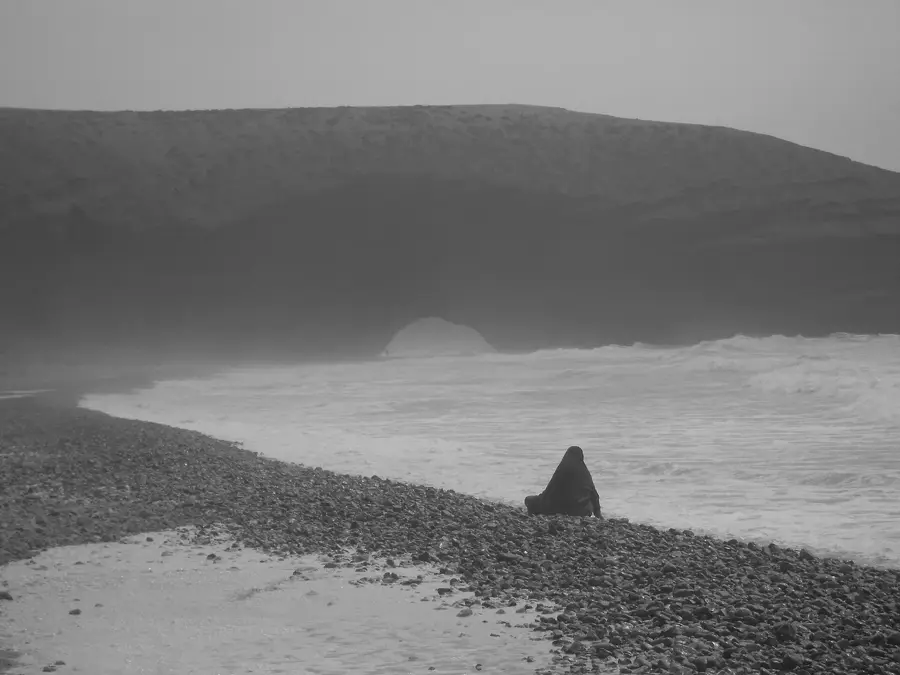
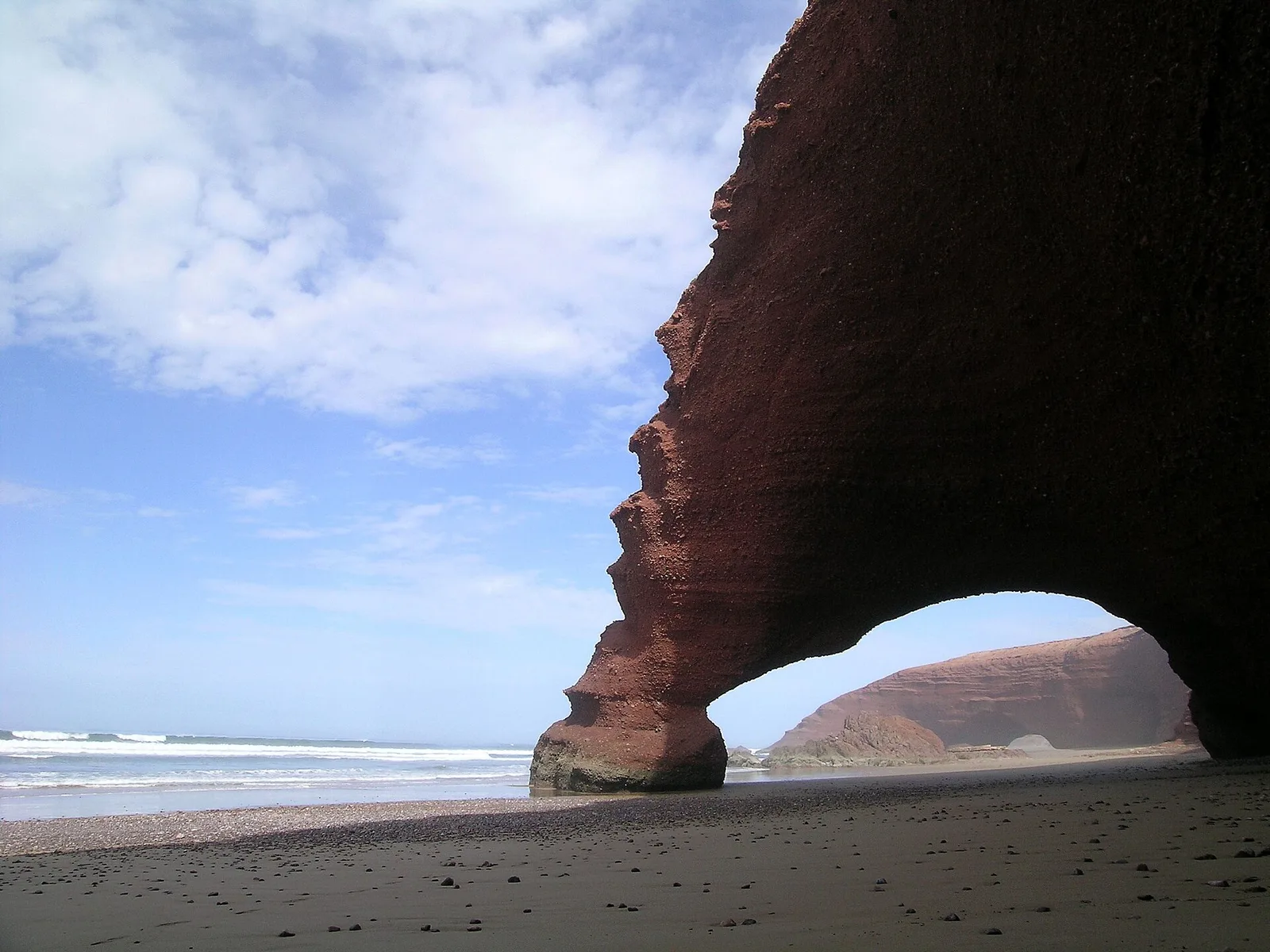
- The best time to visit the Legzira stone arches is during low tide.
- Be prepared for thick morning sea fog, locally known as the 'bruja'.
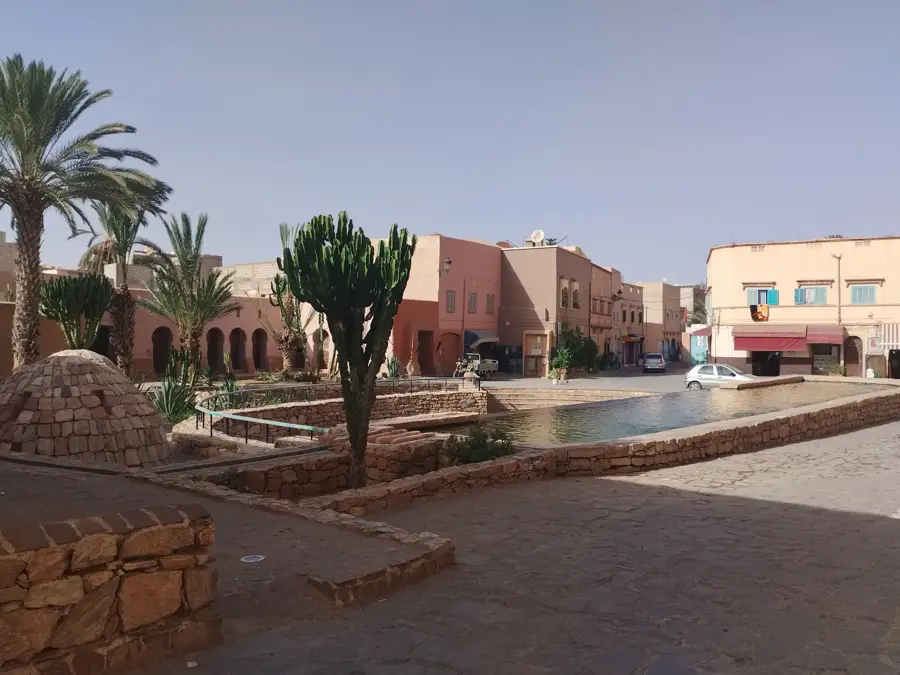
- Take time to explore the Spanish Art Deco buildings around Plaza Hassan II.
- The Sunday market (souk) is an animated and essential local experience.
🍽 Food
Find the simple eateries near the port.
Prickly pear, sold by street vendors in late summer.
At the Spanish-style cafes on the main square.
🛍 Shopping · 🧘 Quiet spots
At the Sunday market.
In the traditional market streets.
The elevated walk above the beach.
A vast open space offering ocean views.
Water temperature…
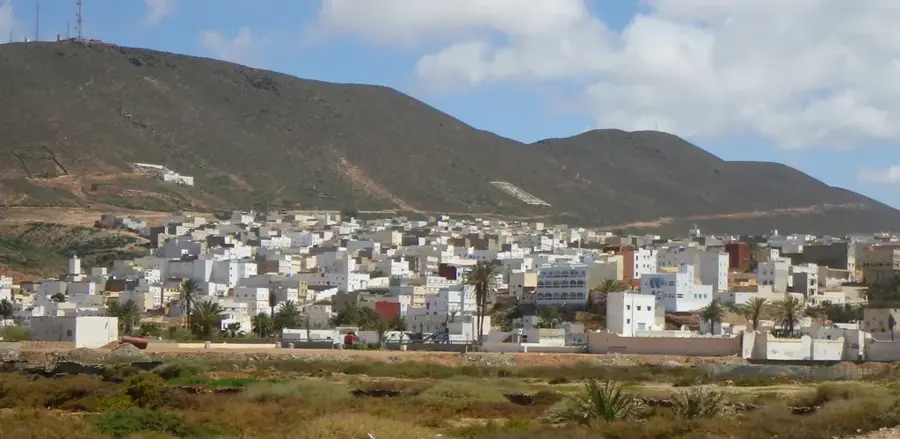
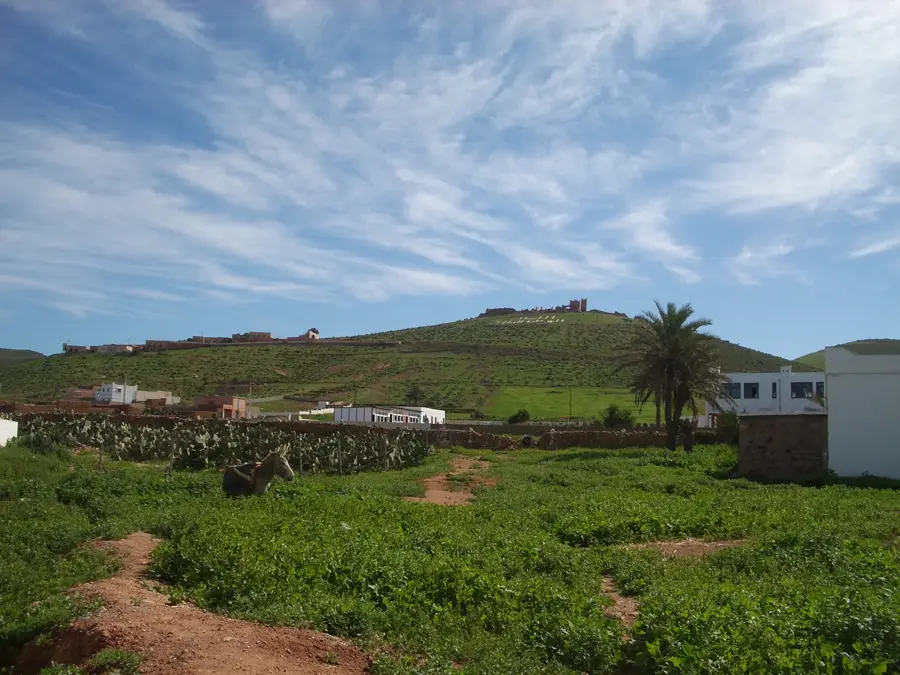
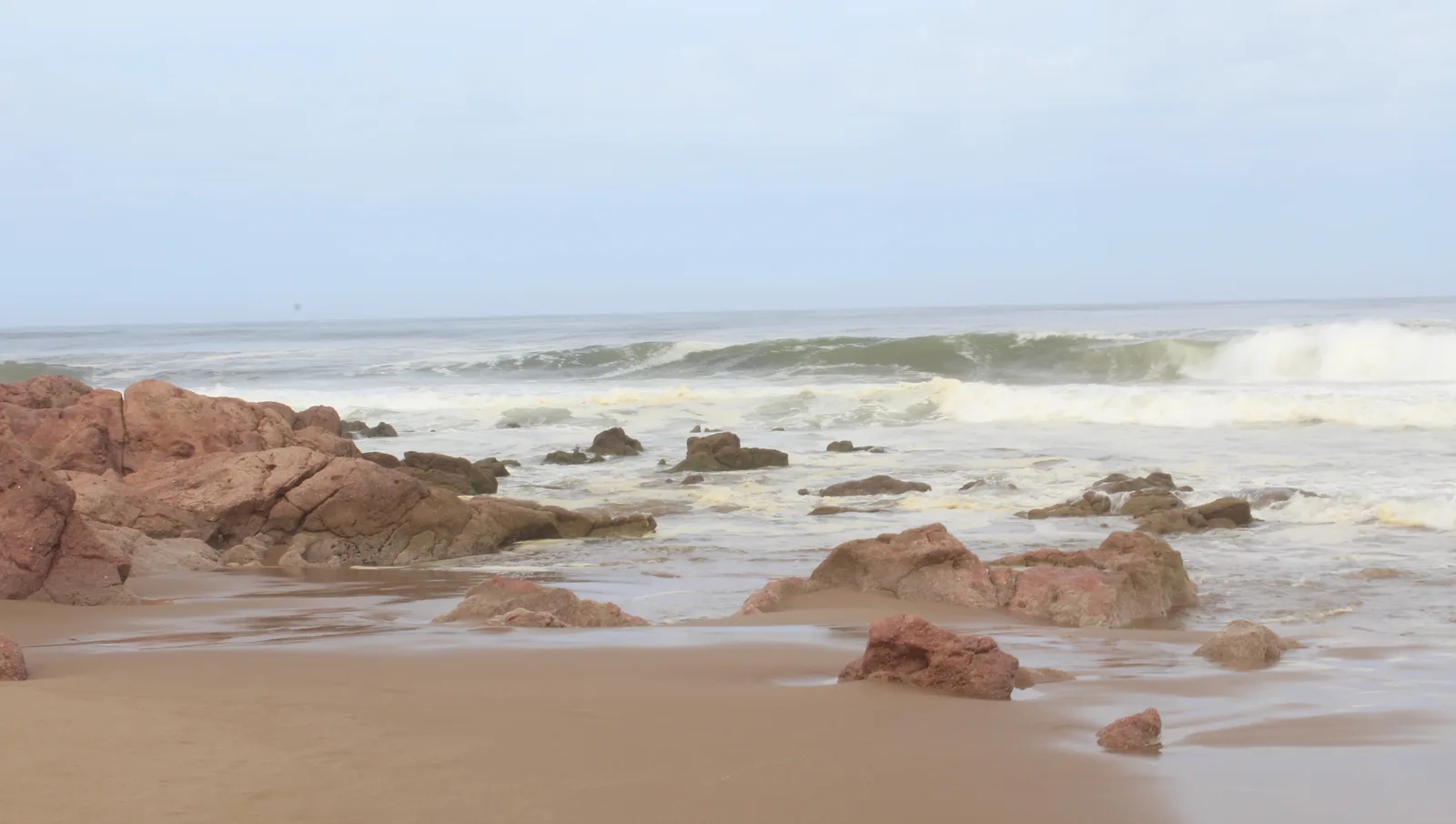
Sidi Ifni is a unique coastal city in southern Morocco, renowned for its striking Art Deco architecture and its complex Spanish colonial history. The city remained a Spanish enclave until 1969, bestowing upon it a distinct cultural heritage that is still visible today in its blue-and-white facades and street layouts. Perched dramatically on a plateau overlooking the Atlantic Ocean, the city is surrounded by rugged cliffs and vast sandy beaches like Legzira. Historically, it was the site of the Ifni War in the 1950s before being peacefully returned to Morocco. The local economy relies on fishing, cactus processing, and a burgeoning surf tourism industry. Sidi Ifni has maintained a laid-back atmosphere, attracting travelers seeking authenticity and history away from the major tourist circuits.
- Location: Morocco
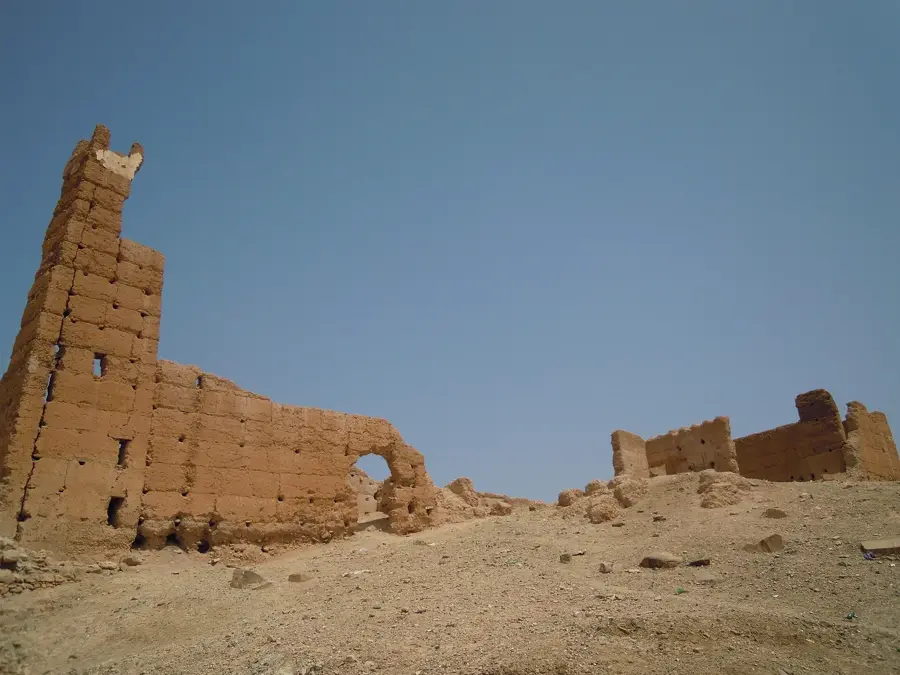
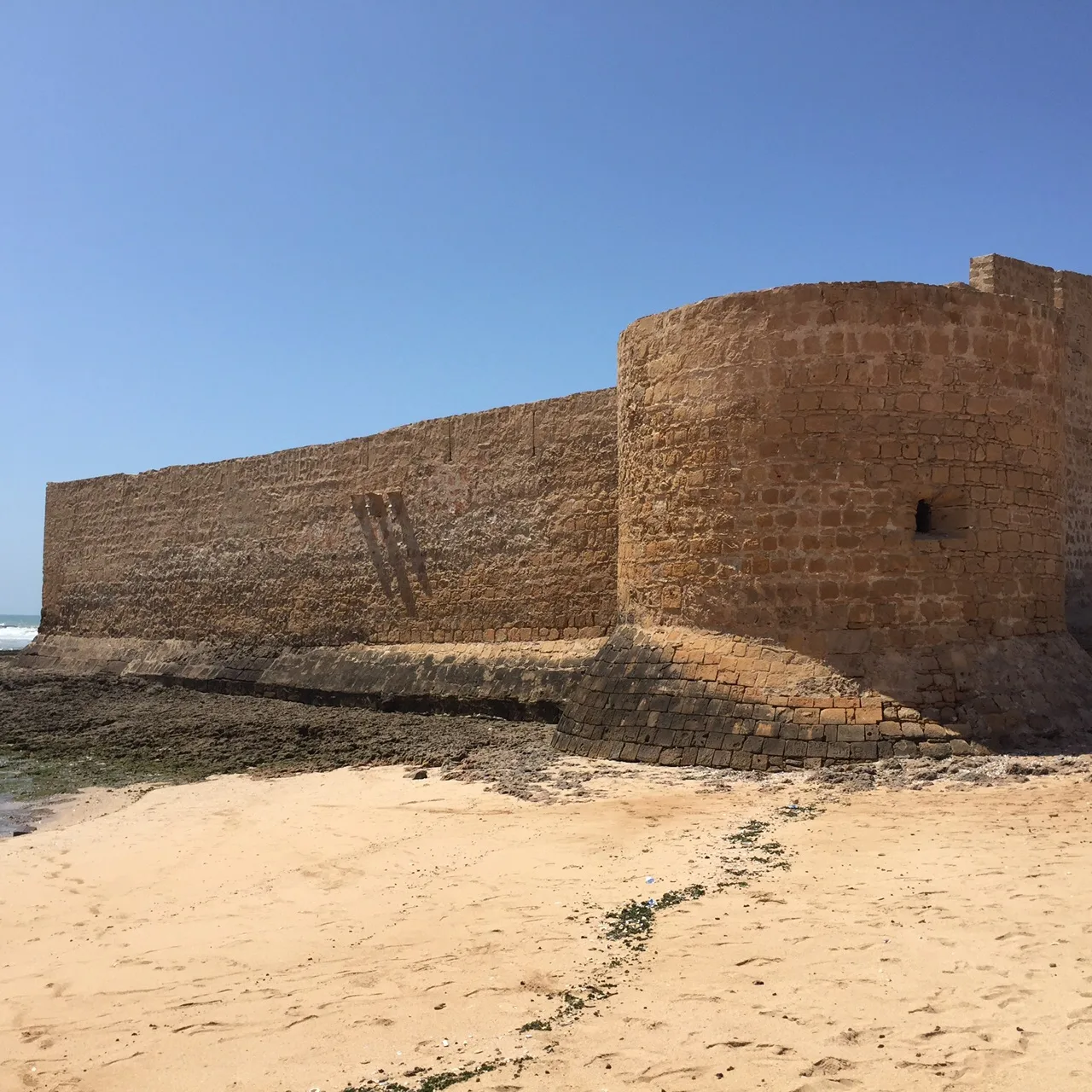
- Top sights: Sidi Ifni Military Treasury · Sidi Ifni Province
- Nearby: Legzira (9 km)
- Population: ~23.606 (2024)
Best time to visit & climate
The most pleasant time to visit is Jun, Sep, Oct.
| Jan | Feb | Mar | Apr | May | Jun | Jul | Aug | Sep | Oct | Nov | Dec | |
|---|---|---|---|---|---|---|---|---|---|---|---|---|
| Avg °C | 15 | 15 | 17 | 18 | 20 | 21 | 24 | 25 | 23 | 22 | 18 | 16 |
| Rain mm | 26 | 34 | 30 | 15 | 12 | 4 | 3 | 7 | 9 | 28 | 55 | 30 |
Geography
Facts
- Sidi Ifni was officially returned to Morocco only on June 30, 1969.
- The city contains one of the world's most significant collections of Art Deco architecture.
- The Ifni War between Spain and Morocco took place from 1957 to 1958.
- A former landmark was a cable car system used to transport goods from the sea to the plateau.
- The region is famous for the production of prickly pear cactus oil (Aknari).
- Sidi Ifni is located approximately 160 kilometers south of the city of Agadir.
Explore nearby
Notable places around

Route planner — Car & Motorhome
Where do you start? We build the route here, with stops and country notes along the way.
© OpenStreetMap contributors · OpenRouteService
Sights in the town Sidi Ifni (2)
Frequently asked questions
What is special about Sidi Ifni?
Is the beach recommended?
How to get there?
When is the best time to travel?
Is it crowded with tourists?
Sidi Ifni: where is it located?
Sidi Ifni: what is there to see?
Sidi Ifni: when is the best time to visit?
Sidi Ifni: why is it worth visiting?

Nearby cities
History & landmarks
Nature
More places