Plizio Visual Lab
Sahara
Weather…
Water temperature…
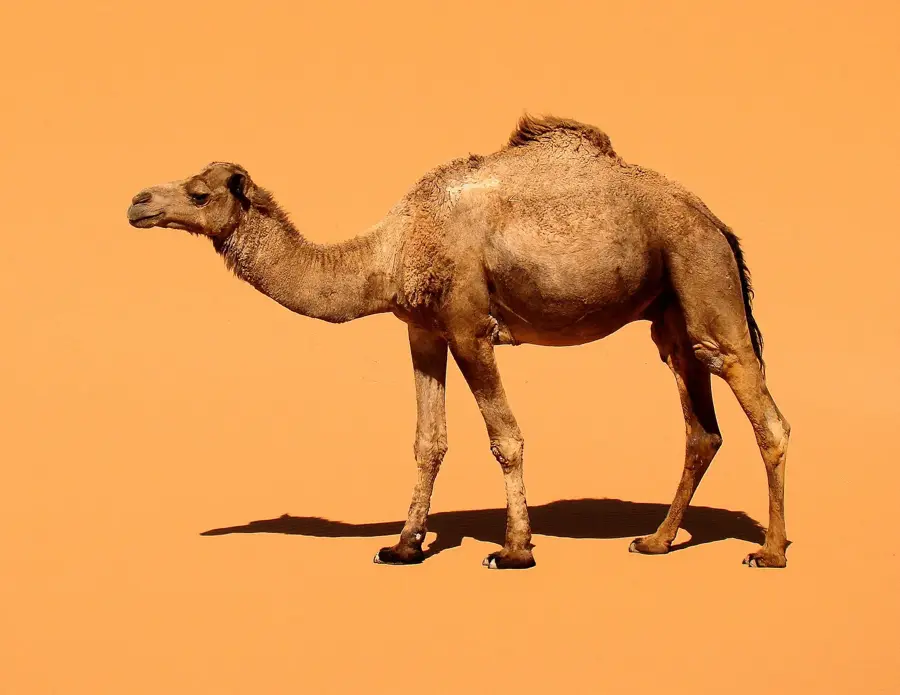
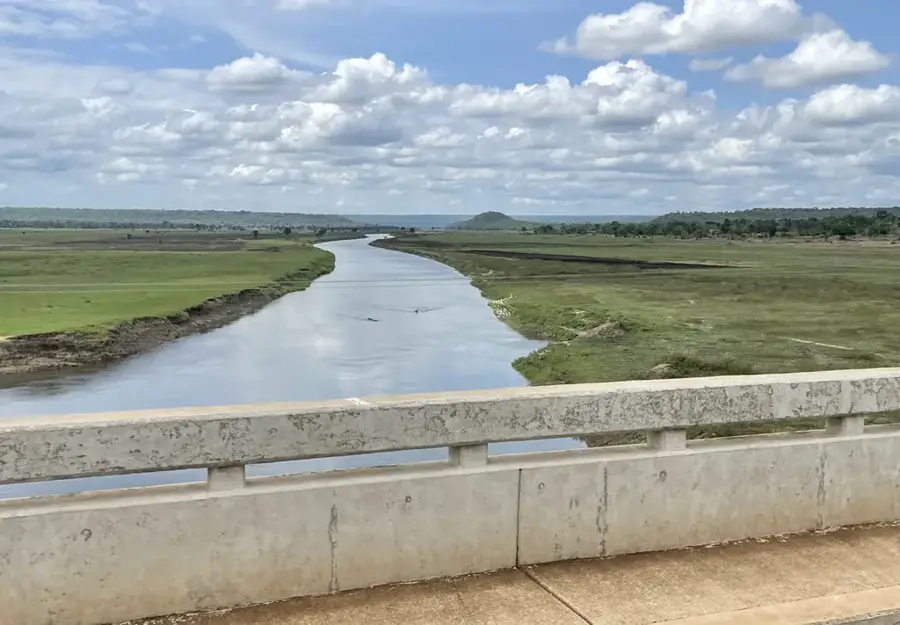
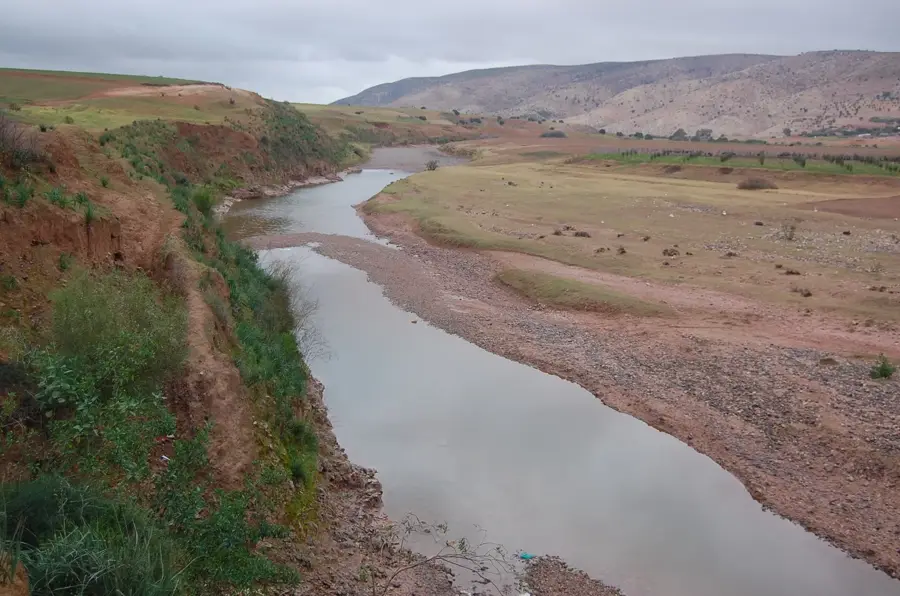
The Sahara is the largest hot desert on Earth, covering approximately 9.2 million square kilometers and spanning nearly the entire north of Africa. In Morocco, it forms the southeastern boundary, separated from the temperate coastal regions by the High Atlas Mountains. The landscape is incredibly diverse, ranging from vast sand dune fields (ergs) to stony plateaus (hamadas) and dry riverbeds (wadis). Geologically, the Sahara sits on an ancient shield that was once submerged under prehistoric seas, as evidenced by numerous marine fossils found across the terrain. The climate is characterized by extreme temperature fluctuations, with summer daytime heat exceeding 50 degrees Celsius and nighttime temperatures often dropping below freezing. Historically, the Sahara was a vital trade hub where trans-Saharan caravans transported gold, salt, and spices for centuries. Today, the desert is not only an ecologically sensitive habitat for specialized flora and fauna but also a major site for renewable energy production, particularly solar power. Morocco's portion of the Sahara features iconic locations like Erg Chebbi and Erg Chigaga, reflecting the enduring nomadic heritage of the Sahrawi people.
Best time to visit & climate
The most pleasant time to visit is Mar, Apr, Oct.
| Jan | Feb | Mar | Apr | May | Jun | Jul | Aug | Sep | Oct | Nov | Dec | |
|---|---|---|---|---|---|---|---|---|---|---|---|---|
| Avg °C | 10 | 13 | 17 | 22 | 27 | 32 | 36 | 35 | 30 | 24 | 16 | 11 |
| Rain mm | 7 | 6 | 10 | 5 | 3 | 2 | 1 | 2 | 8 | 13 | 14 | 6 |
📋 Practical info
Geography
Facts
- The Sahara is roughly the same size as the entire United States.
- Only about 20% of the Sahara consists of sand dunes (ergs).
- The highest recorded temperature in the Sahara reached 58°C (136°F).
- The Noor Ouarzazate complex is one of the world's largest solar power plants.
- There are approximately 500 species of flora that thrive in the Sahara.
- Sand dunes can migrate several meters per year due to prevailing winds.
Explore nearby
Notable places around


Route planner — Car & Motorhome
Where do you start? We build the route here, with stops and country notes along the way.
© OpenStreetMap contributors · OpenRouteService
Sights nearby
Frequently asked questions
Do I need a guide for the Sahara?
What is the best travel time?
What is the clothing recommendation?
Is there accommodation there?
Is it safe?
Sahara: where is it located?
Sahara: when is the best time to visit?
Sahara: why is it worth visiting?

Nearby cities
History & landmarks
Nature
More places