Jemaa el-Fnaa square transforms into a massive open-air food market at night. Keep small change handy for street performers.
Petit taxis here are beige. Many drivers refuse to use the meter, so firmly negotiate the price before getting in, or insist on the meter.
The Majorelle Garden is beautiful but gets extremely crowded; book tickets online and go right at opening time.
Despite the intense summer heat, respect local culture by avoiding overly revealing clothing in the medina.
🍽 Food
🍽
Tangia
A meat dish slow-cooked in a terracotta pot in the ashes of a hammam.
🍽
Street food at Jemaa el-Fnaa
Try grilled meats or snail soup from the numbered night stalls.
🍽
Fresh orange juice
The stalls in the main square offer incredibly sweet and cheap freshly squeezed juice.
🛍 Shopping · 🧘 Quiet spots
🛍
Spice Souks (Rahba Kedima)
Buy saffron, ras el hanout blends, and argan oil in this bustling square.
🛍
Berber Carpets
The medina has countless carpet shops. Bargaining is expected and part of the experience.
🛍
Artisanal Slippers (Babouches)
Find beautifully embroidered leather slippers in the Souk Smata.
🧘
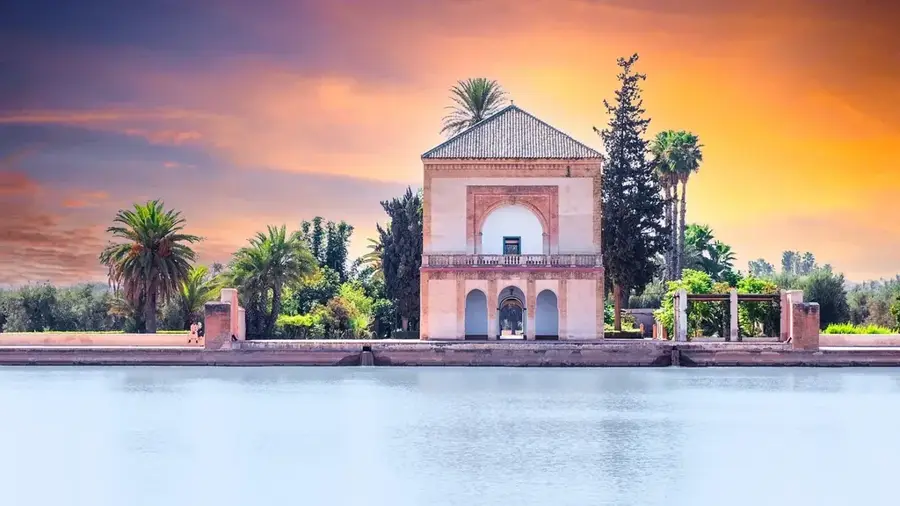
Menara Gardens
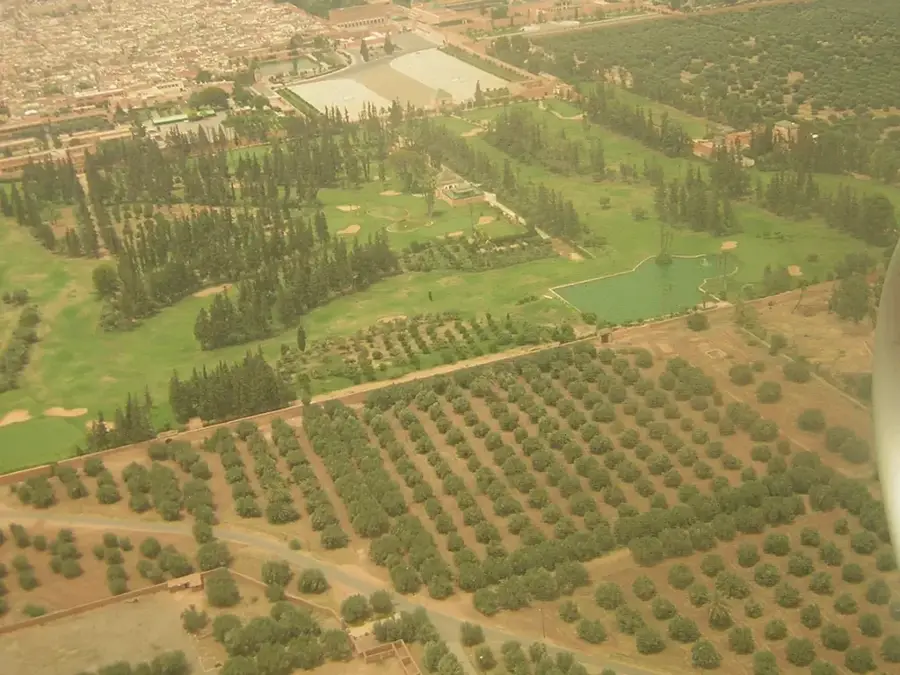
A vast, peaceful olive grove with a reflective pavilion and Atlas Mountain views.
🧘
Le Jardin Secret
A beautifully restored traditional Islamic garden hidden in the bustling medina.
🧘
The Palmeraie
The palm oasis just outside the city provides a quiet contrast to the medina.
Water temperature…
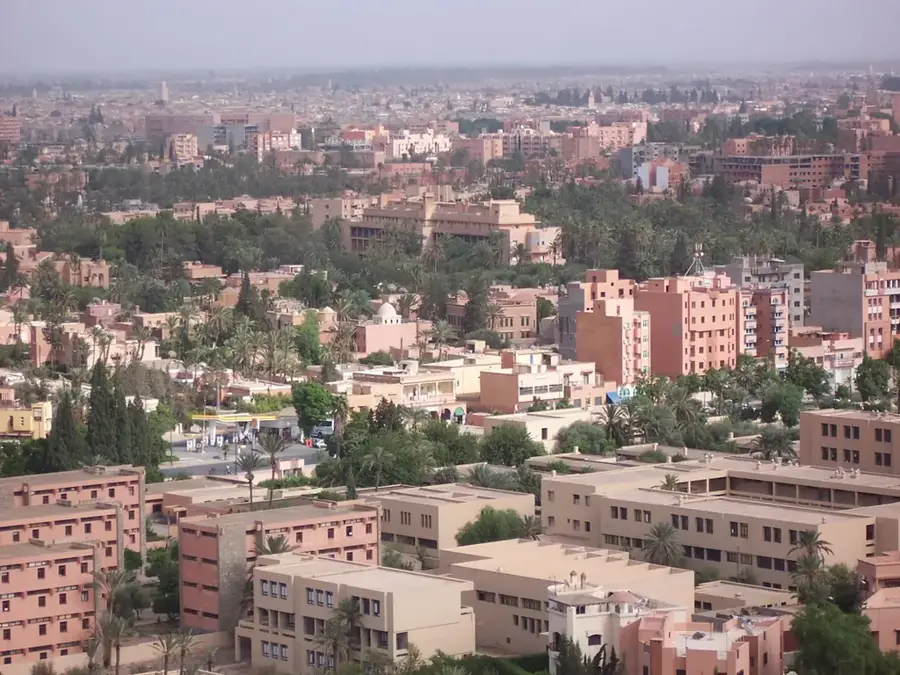
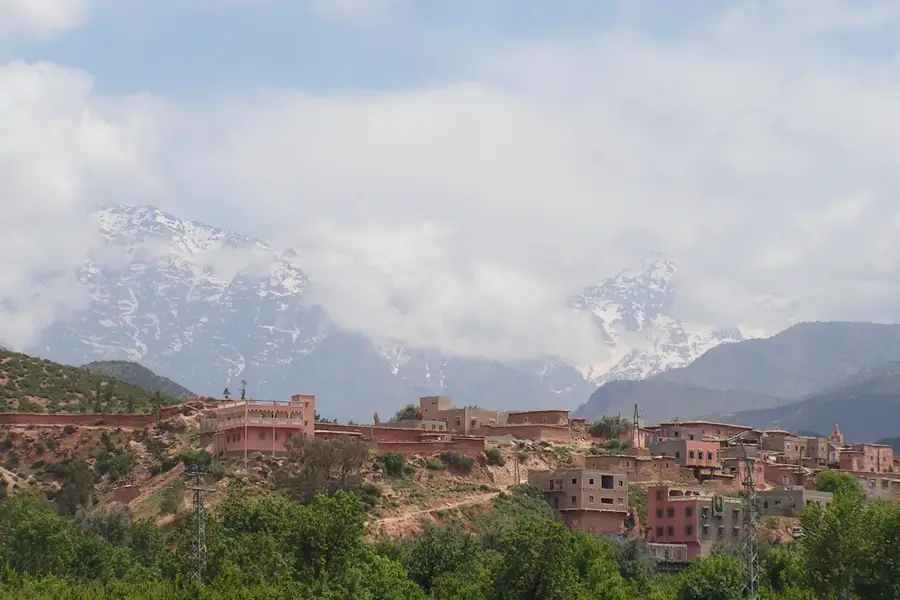
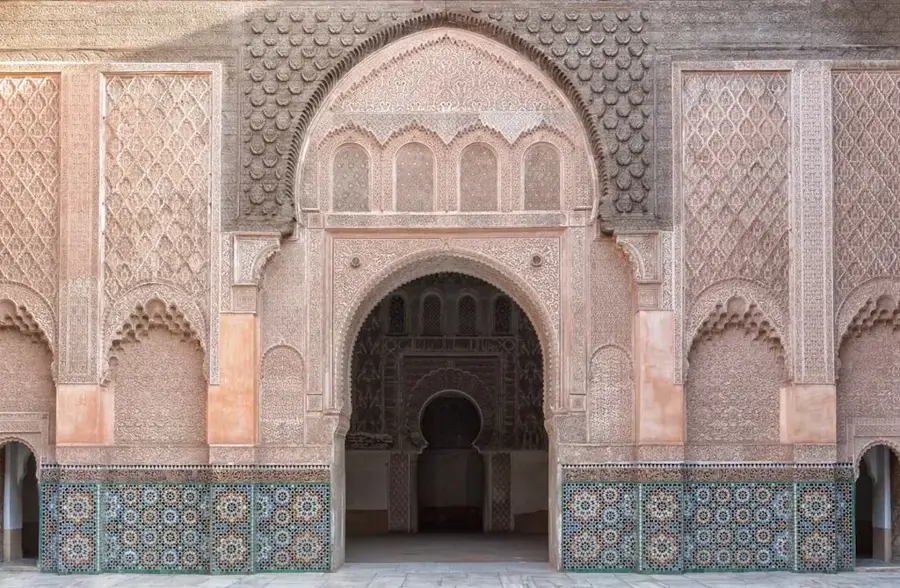
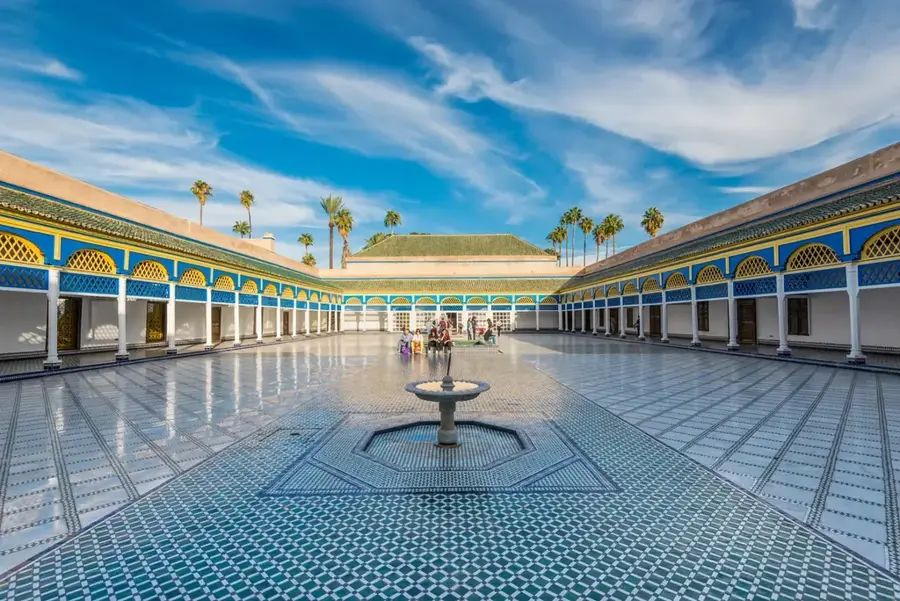
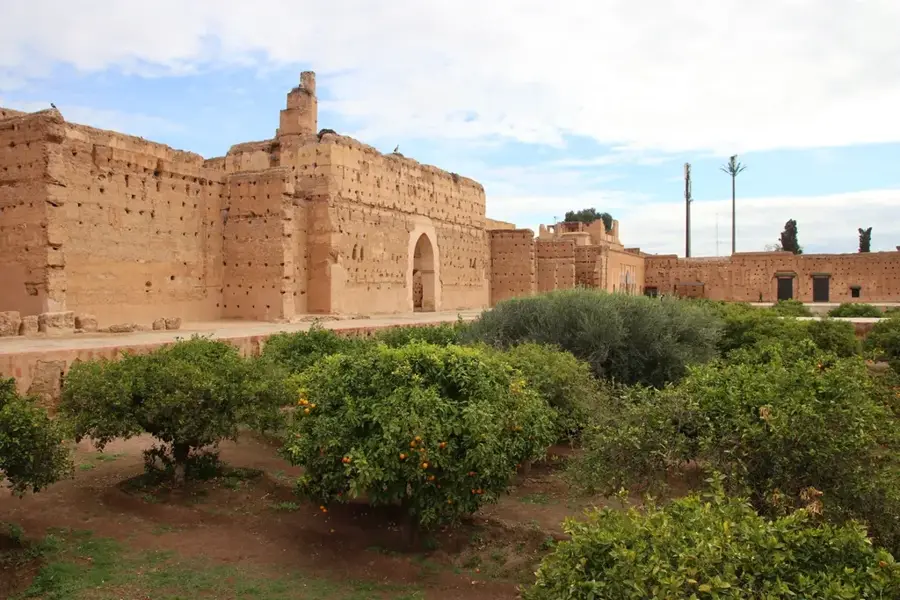
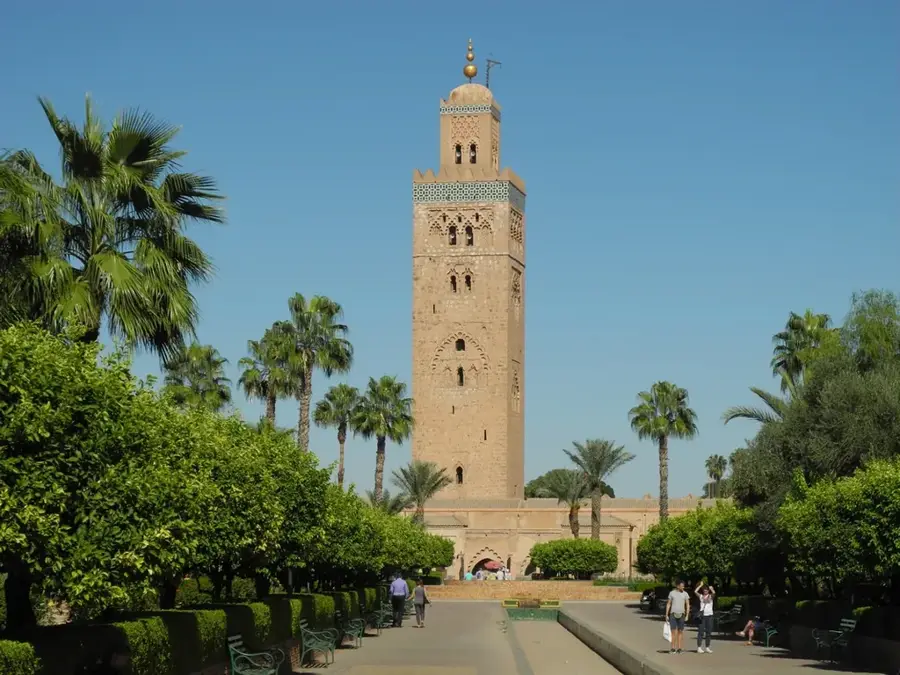
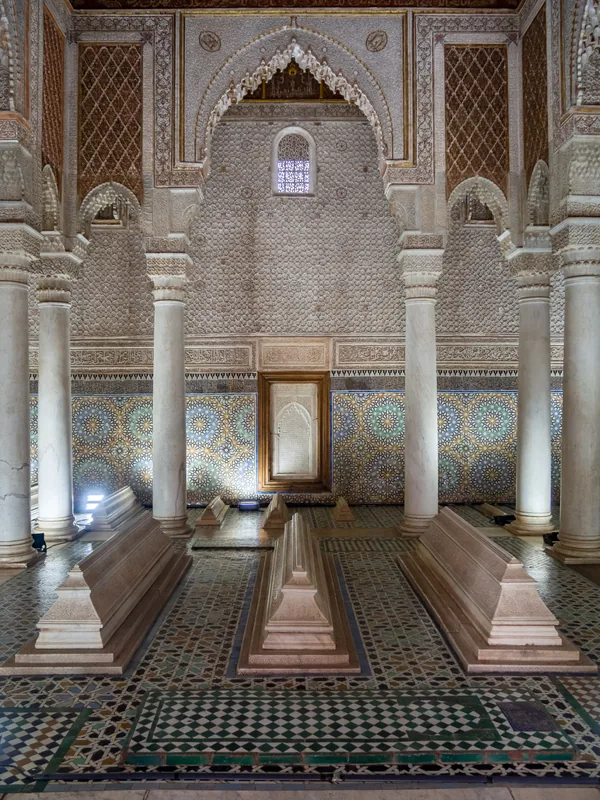
Marrakech, famously known as the 'Red City' for its ochre-colored ramparts and buildings, is a major cultural and historical center at the foothills of the Atlas Mountains. Founded in 1062 by the Almoravid dynasty, it has served as an imperial capital for centuries, leaving a legacy of grand palaces and mosques. The social heart of the city is Jemaa el-Fnaa, a vast square and marketplace recognized by UNESCO as a masterpiece of intangible heritage for its spirited display of traditional storytellers, musicians, and performers. Towering above the square is the Koutoubia Mosque's 77-meter minaret, a pinnacle of Almohad architecture. The fortified medina is a dense network of souks (markets) where artisans sell everything from spices to hand-woven carpets. Key historical sites include the Saadian Tombs and the Bahia Palace, showcasing the intricate geometric patterns and woodwork typical of Moroccan design. Marrakech is also celebrated for its lush gardens, most notably the Jardin Majorelle, which was restored by Yves Saint Laurent. Today, the city seamlessly blends its ancient traditions with high-end modern amenities, making it a premier destination for world travelers seeking an authentic yet luxurious North African experience.
Location: Morocco
Top sights: Dar Si Said Museum · The Tanneries of Marrakech · Zimroda Art's Galerie
Nearby: Asni (42 km)
Population: ~995.871 (2026)
Best time to visit & climate
The most pleasant time to visit is May, Jun, Oct.
Jan
Feb
Mar
Apr
May
Jun
Jul
Aug
Sep
Oct
Nov
Dec
Avg °C
10
11
14
17
20
24
29
29
24
21
15
11
Rain mm
36
31
40
27
16
4
7
7
14
23
54
32
Geography
Population
995,871 (2026)
Coordinates
31.62950, -7.98110
Facts
Marrakech was officially founded in 1062 by the Almoravid leader Abu Bakr.
Jemaa el-Fnaa square was proclaimed a UNESCO Masterpiece of Oral Heritage in 2001.
The Koutoubia Mosque's minaret stands at a height of 77 meters.
The city's ancient protective walls extend for approximately 19 kilometers.
Jardin Majorelle contains over 300 plant species from five continents.
The historic Saadian Tombs were rediscovered via aerial photography in 1917.
Pick weather + travel mode, get a concrete day plan.
09:00→19:192.1 km walk5 places0/5
Day budget: ≈ 34–46 €Entries 40€ · Transport 0€
Start your day at the edge of the great square, diving into local history at the Jamaâ el-Fna Museum. Next, stroll over to the Koutoubia Gardens for a relaxing break under the palm trees. Midday brings you to the historical Dar El Bacha residence. The afternoon is dedicated to culture, first at the Museum of Music and finally at the creative arts hub Dar Bellarj to end your day.
← swipe for more places →
🎨
09:10 · 105'
Jamaâ el-Fna Museum
Explore the intangible heritage of the famous square, but arrive early to enjoy the interactive exhibits in peace before the crowds gather.
Start your day in the shelter of museums while rain taps on the medina rooftops. At noon, the covered passages of the souks provide protection during your walk between sights. In the afternoon, atmospheric courtyards invite you for a dry rest. End the evening under dimmed lights, when the wet streets of the old city glisten in the lamplight and the city noise softens.
← swipe for more places →
🎨
09:10 · 105'
Jamaâ el-Fna Museum
Discover the square's history while staying dry indoors, and watch out for the marble tiles at the entrance made slippery by rain.
Enjoy the mild winter sun in the morning while the air stays fresh and clear in the narrow streets. At noon, sun-drenched courtyards provide pleasant warmth for exploration. The afternoon is ideal for visiting heated indoor spaces before the cold sets in. Since it gets dark around 17:00, plan to see the illuminated city early.
← swipe for more places →
🎨
09:10 · 105'
Jamaâ el-Fna Museum
Take advantage of the cool morning hours for the museum visit and wear layered clothing against the changing temperatures.
Your bike tour starts at the historic Bab Ghemat gate and leads to the impressive Synagogue Salat Al-Azama in the Jewish quarter. Around midday, dive deep into Berber culture and craftsmanship at the Tiskiwin and Dar Si Said Museums. In the afternoon, you pedal north to explore the world of scents at the Museum of Perfume before finishing your ride at the majestic Dar El Bacha Museum.
← swipe for more places →
📍
09:10 · 47'
Bab Ghemat
Take advantage of the morning light for photos of this historic city gate, while keeping an eye out for the bustling local traffic.
Cycling in the rain requires extra caution in the medina as the pavement becomes extremely slippery. Start your morning carefully and seek shelter under city gates during heavy downpours. At noon, museums offer long dry breaks. In the afternoon, ride slowly and watch out for deeper puddles that might hide potholes in the asphalt.
← swipe for more places →
📍
09:10 · 47'
Bab Ghemat
Use the wide arch of the city gate as a temporary rain shelter before carefully cycling further towards the city center.
Winter weather in Marrakech is perfect for cycling as the oppressive heat is absent. It is cool in the morning, so thin gloves are recommended for the ride. At noon, the sun is high, making pedaling very pleasant. In the late afternoon, temperatures drop quickly, so plan your return before the early 17:00 darkness.
← swipe for more places →
📍
09:10 · 47'
Bab Ghemat
Start from here wearing a light jacket as the wind from cycling is quite noticeable and chilly on winter mornings.
By car, you comfortably reach the Berber Museum in the morning to discover indigenous culture. Next, you drive to Galerie Sinya 28 for a touch of modern art. Midday allows you to admire the magnificent Dar El Bacha Museum. In the afternoon, head to the southern part of the old city to visit the fascinating MAP jewelry museum before ending your day at the peaceful Synagogue Salat Al-Azama.
← swipe for more places →
🎨
09:10 · 105'
Berber Museum
Admire the rich collection of traditional clothing and jewelry, which perfectly showcases the impressive diversity of Berber culture.
On rainy days, a car is the most comfortable way to get around Marrakech. You stay dry between stops but should expect slower traffic and slippery roads. At noon, museums provide a safe refuge from the weather. In the afternoon, visibility is more limited due to the rain, so drive with extra caution through the busy districts outside the medina.
← swipe for more places →
🎨
09:10 · 105'
Berber Museum
Use the covered entrance and admire the crafts while staying dry; the garden paths can be slippery in the rain.
In winter, a car provides a pleasant, climate-controlled environment for your city tour. On cool mornings, the heater will be a welcome luxury. At noon, you can enjoy the mild sun through the windows while traveling in comfort to your next destination. Since the sun sets at 17:00, use the car's flexibility during the last daylight hours.
← swipe for more places →
🎨
09:10 · 105'
Berber Museum
Enjoy the crisp, clear winter air in the garden before retreating into the museum's well-tempered exhibition rooms.
These traditional tanneries in Marrakech offer an authentic glimpse into the ancient craft of leather processing.
Zimroda Art's Galerie🏛 museum
This art gallery in Marrakech presents a diverse selection of regional artworks.
🆓
Concerie🌿 nature
From this viewpoint in Marrakech, one has a good view of the colorful bustle of the tanneries.
Frequently asked questions
When should you visit Jemaa el-Fnaa?
Best in the late afternoon, when the market comes alive and the food stalls open.
How to get to Jardin Majorelle?
The garden is in the new town (Guéliz) and easily accessible by taxi or on foot. Book tickets online.
Should you stay in a Riad or a hotel?
A Riad in the Medina gives an authentic Moroccan experience, while hotels offer more modern luxury.
How is the weather in summer?
It can be extremely hot (over 40°C). Plan activities for early morning or late evening.
Can you take day trips to the Atlas Mountains?
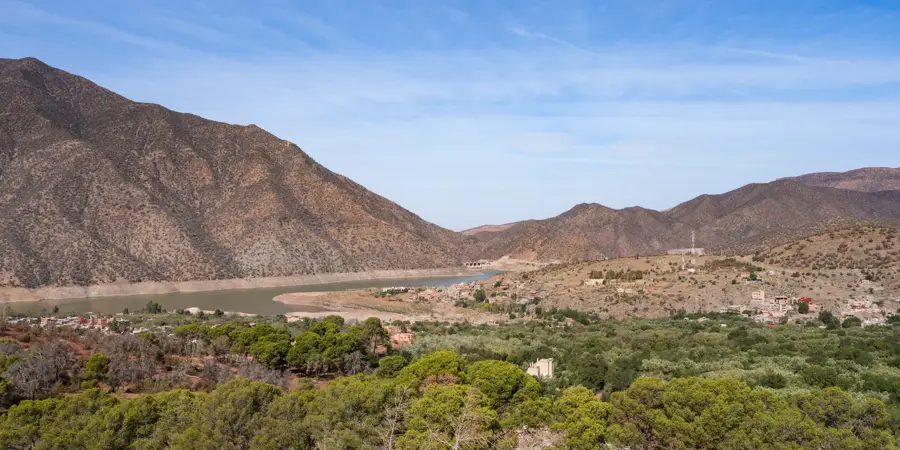
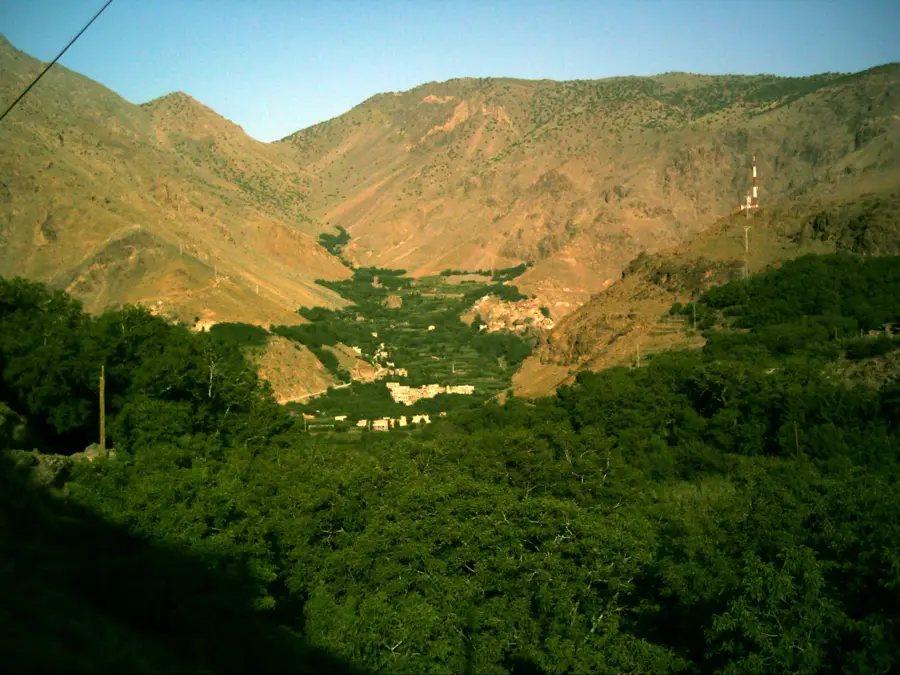
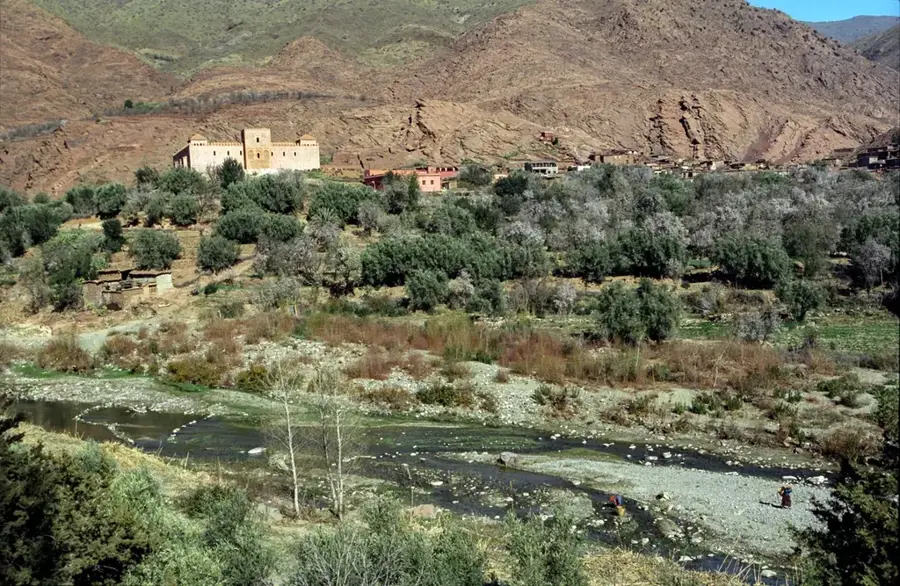
Yes, the Ourika Valley and Imlil are popular destinations, only about 1.5 to 2 hours away.
Marrakech: where is it located?
Marrakech is located in Morocco.
Marrakech: what is there to see?
Highlights include Dar Si Said Museum, The Tanneries of Marrakech, Zimroda Art's Galerie.
Marrakech: when is the best time to visit?
The most pleasant time to visit is May, Jun, Oct.
Marrakech: why is it worth visiting?
Marrakech, famously known as the 'Red City' for its ochre-colored ramparts and buildings, is a major cultural and historical center at the foothills of the Atlas Mountains.