Plizio Visual Lab
Oujda
ℹ️Practical info — Oujda
▾
🌤 Weather — 5 days
📍 Nearby
Sights nearby
💡 Tips
- Oujda has a strong Algerian influence; you'll notice it in the local music (Gharnati) and cuisine.
- Summers are extremely hot, so adopt the local rhythm: early morning activities and a long midday break.
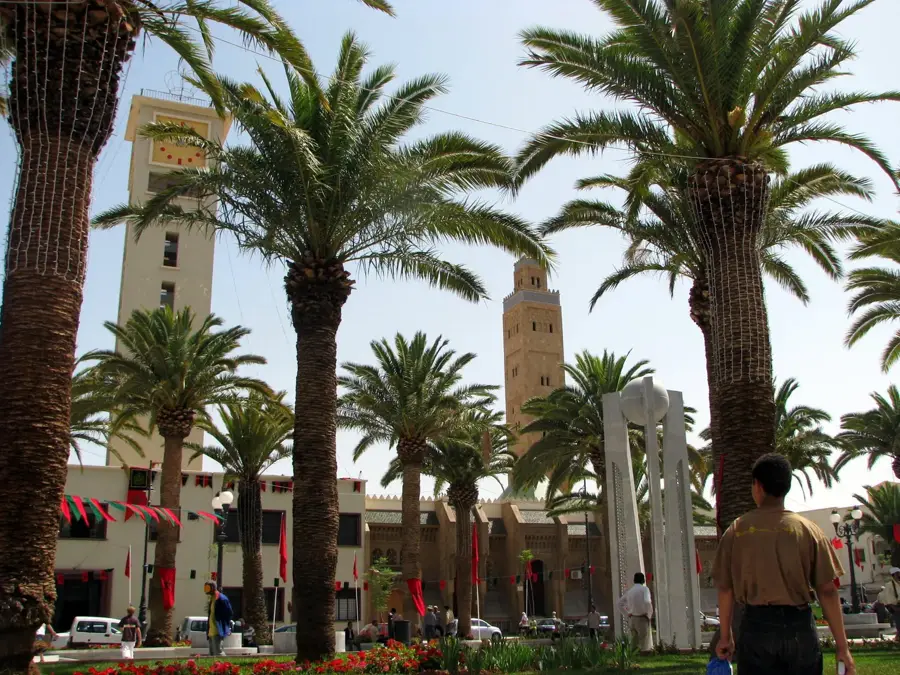
- Place du 16 Août is the heart of the city and first-rate for evening people-watching.
- Watch out for traditional water sellers (Guerrab) near Bab Sidi Abdelouahab.
- Taxis here are red and often shared; drivers might pick up others going in the same direction.
🍽 Food
A popular chickpea flour flan, usually sold as a street snack with cumin.
A traditional dish of stuffed sheep's stomach, unique to the eastern region.
Try the local pastries in the central market, heavily influenced by Algerian recipes.
🛍 Shopping · 🧘 Quiet spots
Browse for traditional Moroccan clothing and eastern textiles.
Best place for local dates, olives, and Algerian-style sweets.
A large, well-maintained park with shaded walkways.
Located on the outskirts, offering tranquil trails and fresh air.
Water temperature…
Oujda is the largest city in eastern Morocco, situated on the Angad plain just 15 kilometers west of the Algerian border. Established in 994 AD by Ziri ibn Atiyya, the leader of the Maghrawa tribe, the city has functioned for centuries as a strategic frontier post and a vital commercial link between the Maghreb and the rest of North Africa. The urban landscape of Oujda reflects a turbulent history, having been shaped by the Almohad and Merinid dynasties as well as Ottoman and French administrative influences. The historic medina retains its authentic traditional atmosphere, housing the Great Mosque which dates back to the late 13th century under Merinid rule. A significant cultural landmark is the Lalla Aicha Park, spanning 20 hectares, providing a lush urban retreat within the region's semi-arid environment. Today, Oujda is a prominent educational hub, home to the Mohammed I University, and plays a central role in the economic modernization of Morocco's Eastern region, particularly through international trade and specialized service sectors.
- Location: Morocco
- Top sights: Galerie D'Art Maghreb Al Arabi · Musée Ethnographique Lalla Aicha · Roma
- Nearby: Berkane (46 km)
- Population: ~539.711 (2026)
Best time to visit & climate
The most pleasant time to visit is May, Jun, Sep.
| Jan | Feb | Mar | Apr | May | Jun | Jul | Aug | Sep | Oct | Nov | Dec | |
|---|---|---|---|---|---|---|---|---|---|---|---|---|
| Avg °C | 7 | 8 | 11 | 14 | 18 | 23 | 27 | 26 | 22 | 17 | 11 | 8 |
| Rain mm | 61 | 45 | 49 | 56 | 39 | 10 | 7 | 21 | 35 | 60 | 71 | 53 |
Geography
Facts
- Oujda was founded in 994 AD, giving it a history spanning over a millennium.
- The border with Algeria is located only 15 kilometers from the city center.
- The Great Mosque of Oujda is one of the oldest standing Merinid-era structures.
- The Lalla Aicha Park covers an area of more than 20 hectares of urban land.
- The city is recognized as the capital of Rai music within Morocco.
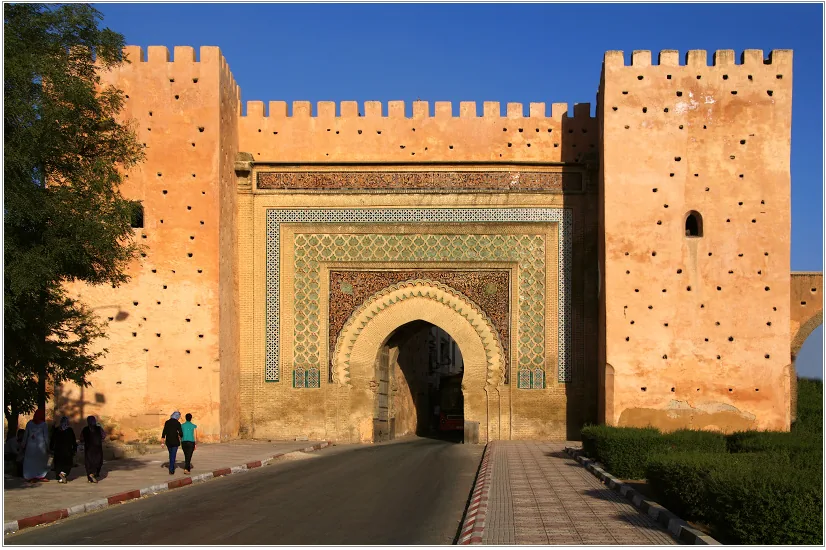
- The Bab Sidi Abdelouahab gate serves as the primary entrance to the historic medina.
Explore nearby
Notable places around
Route planner — Car & Motorhome
Where do you start? We build the route here, with stops and country notes along the way.
© OpenStreetMap contributors · OpenRouteService
Start at the imposing Bab Sidi Abdelwahab, the historic gateway to Oujda's medina. Dive into the bustling alleys to explore the traditional Souk El Ma and the charming Les Trois Fontaines. The afternoon is dedicated to culture, with deep insights at the Musée Lalla Meryem and the stunning Dar Sebti palace. In the evening, admire regional masterpieces at the Galerie D'Art Maghreb Al Arabi.
Bab Sidi Abdelwahab
Souk El Ma
Les Trois Fontaines
Musée Lalla Meryem
Dar Sebti
Galerie D'Art Maghreb Al Arabi
Start your day at Bab Sidi Abdelwahab, where the massive arches provide shelter from the morning drizzle. In the Medina, the covered souk sections act as a natural umbrella. At noon, find sanctuary in the Lalla Meryem Museum; its thick walls keep the dampness out while you explore the exhibits. Spend the afternoon enjoying art indoors at the Galerie D'Art Maghreb Al Arabi, a perfect spot to wait out the rain. In the evening, the wet cobblestones reflect the city lights, creating a cinematic atmosphere throughout the historic center.
Bab Sidi Abdelwahab
Souk El Ma
Les Trois Fontaines
Musée Lalla Meryem
Dar Sebti
Galerie D'Art Maghreb Al Arabi
In the morning, a cool breeze blows through Bab Sidi Abdelwahab, so dress in warm layers. The winter sun stays low, casting long shadows on the walls. At noon, the narrow Medina streets offer shelter from the wind, while the sun gently warms the open areas of the souk. Spend the afternoon at the Lalla Meryem Museum before the early sunset arrives around 17:00. In the evening, temperatures drop noticeably; enjoy the illuminated downtown streets, but make sure you have a warm coat ready.
Bab Sidi Abdelwahab
Souk El Ma
Les Trois Fontaines
Musée Lalla Meryem
Dar Sebti
Galerie D'Art Maghreb Al Arabi
Your cycling tour begins at the iconic Bab Sidi Abdelwahab gate before heading to the quieter Bab Ahl Jamel. At midday, discover Morocco's recent history at the National Movement Museum, then ride to the modern Mohamed VI Theatre. The late afternoon is perfect for exploring Oujda's Cultural Center, ending your active day at the Galerie d'Art enjoying the cool evening breeze.
Bab Sidi Abdelwahab
Bab Ahl Jamel
Mueée régional du mouvement national
Mohamed VI Theatre
Centre Culturel d'Oujda
Galerie d'Art
Cycling in the rain requires caution near Bab Sidi Abdelwahab due to slippery pavement. Ride slowly through the Medina area. At noon, museums like the Regional Museum provide essential dry breaks while you park your bike under a nearby overhang. In the afternoon, head for cultural centers with large indoor spaces to stay sheltered from the continuous rainfall. By evening, the streets are quieter, but stay alert for puddles and limited visibility on the dark, wet roads.
Bab Sidi Abdelwahab
Bab Ahl Jamel
Mueée régional du mouvement national
Mohamed VI Theatre
Centre Culturel d'Oujda
Galerie d'Art
A winter morning on a bike is refreshing, but gloves are a must. The air at Bab Sidi Abdelwahab is crisp and invigorating. At noon, the sun warms up enough for a ride between the city gates, though the wind remains cool while moving. In the afternoon, the sun sets early; aim to reach the Mohamed VI Theatre before the daylight fades around 17:00. By evening, good bike lights are mandatory, as the winter twilight in Oujda arrives quickly and brings a sharp chill.
Bab Sidi Abdelwahab
Bab Ahl Jamel
Mueée régional du mouvement national
Mohamed VI Theatre
Centre Culturel d'Oujda
Galerie d'Art
Start your drive in the south at the Roma historical site to experience a touch of antiquity. Continue to the Lalla Aicha Ethnographic Museum for deep local insights, followed by the grandeur of Dar Sebti palace. Your afternoon features the modern architecture of the Mohamed VI Theatre and the Cultural Center. In the evening, relax at the local amusement park and enjoy the city's vibrant lights.
Roma
Musée Ethnographique Lalla Aicha
Dar Sebti
Mohamed VI Theatre
Centre Culturel d'Oujda
Parc d'Attraction et d'Animation d'Oujda
In the rain, the car is the ideal way to get around Oujda. Start dry at Roma and enjoy driving through the glistening avenues. At noon, park as close as possible to the Ethnographic Museum to avoid large puddles when stepping out. In the afternoon, the city's cultural centers offer convenient parking and shelter from the steady rainfall. By evening, the drive to the Amusement Park is comfortable; even if some rides are closed, the illuminated scenery is lovely from the car.
Roma
Musée Ethnographique Lalla Aicha
Dar Sebti
Mohamed VI Theatre
Centre Culturel d'Oujda
Parc d'Attraction et d'Animation d'Oujda
A winter day in the car starts comfortably with the heater on. At Roma, you can plan your day in a cozy indoor setting. At noon, the drive to the Ethnographic Museum protects you from the biting wind that often sweeps through Oujda's streets. In the afternoon, the Mohamed VI Theatre is a warm sanctuary before the sun dips below the horizon around 17:00. By evening, the temperature drops sharply; use the comfort of your vehicle to explore the winter-lit city safely and warmly.
Roma
Musée Ethnographique Lalla Aicha
Dar Sebti
Mohamed VI Theatre
Centre Culturel d'Oujda
Parc d'Attraction et d'Animation d'Oujda
Sights in the town Oujda (10)
Frequently asked questions
Where is Oujda located?
What is the typical food in Oujda?
Are there green spaces in the city?
Can you go to the sea from here?
What is the atmosphere in the city?
Oujda: where is it located?
Oujda: what is there to see?
Oujda: when is the best time to visit?
Oujda: why is it worth visiting?

Nearby cities
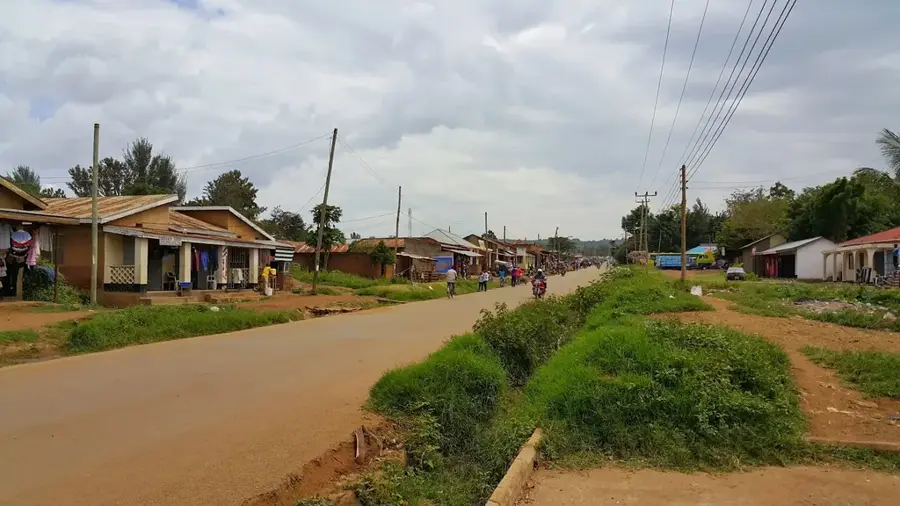
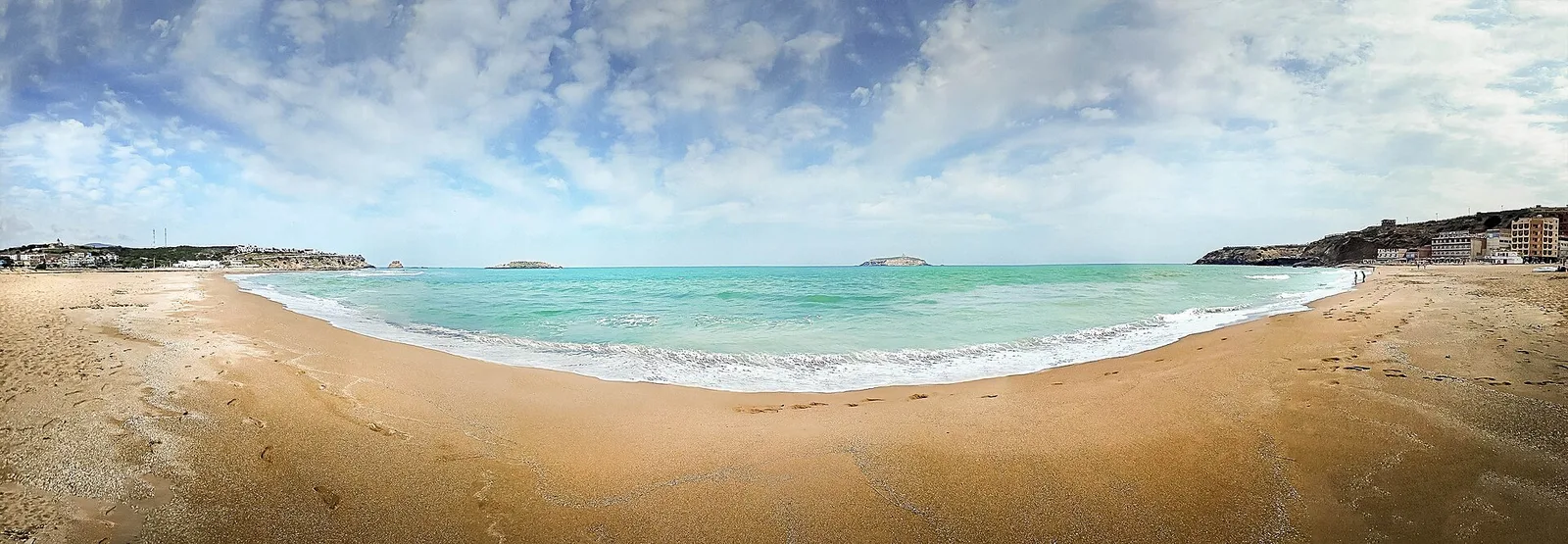
History & landmarks
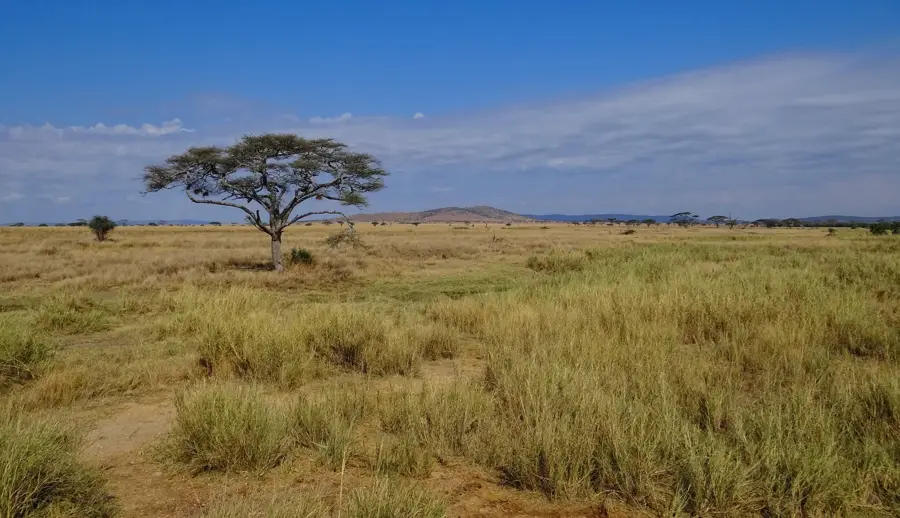
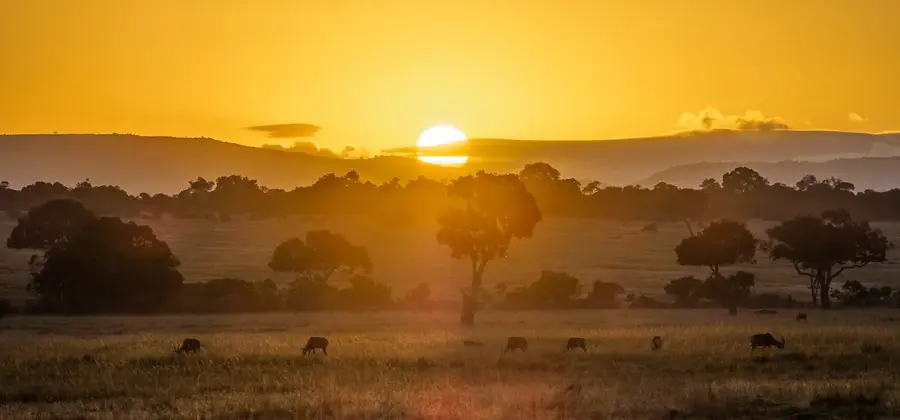
Nature
More places