Plizio Visual Lab

Serengeti Plain
Plizio editorial teamData Sources
Relief
—°3
Serengeti Plain (Tanzania)

Weather…

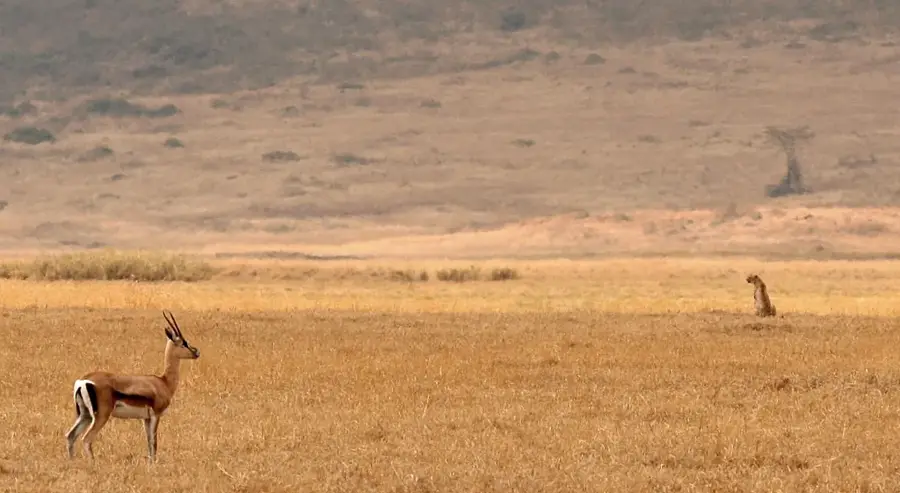
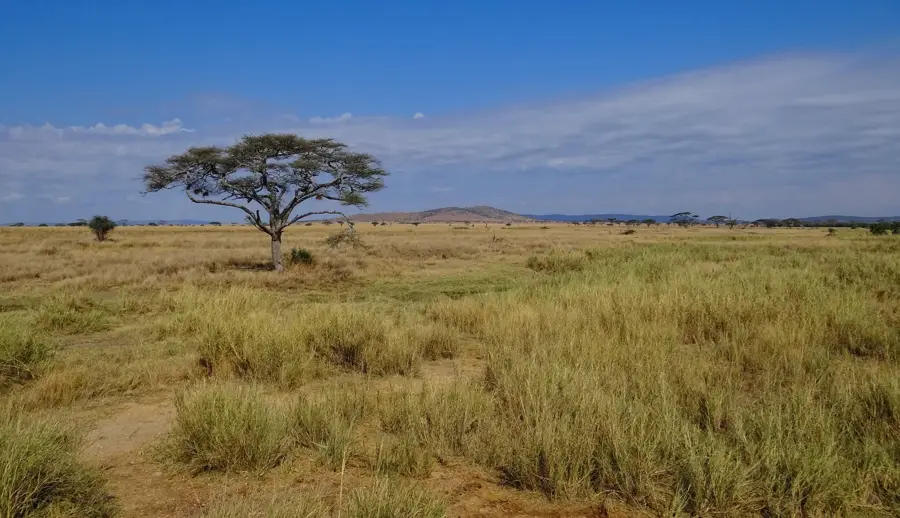
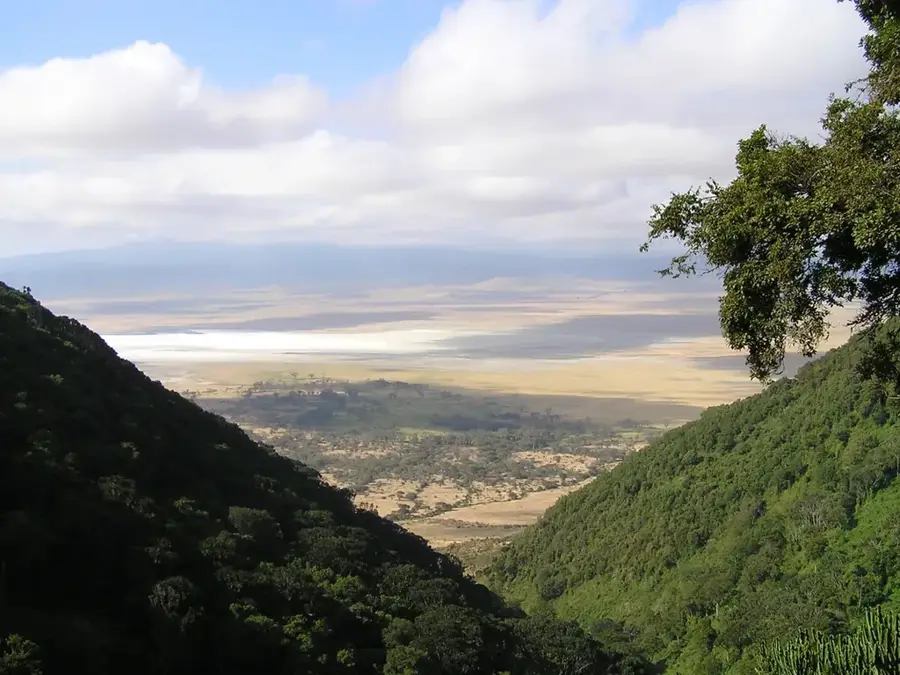
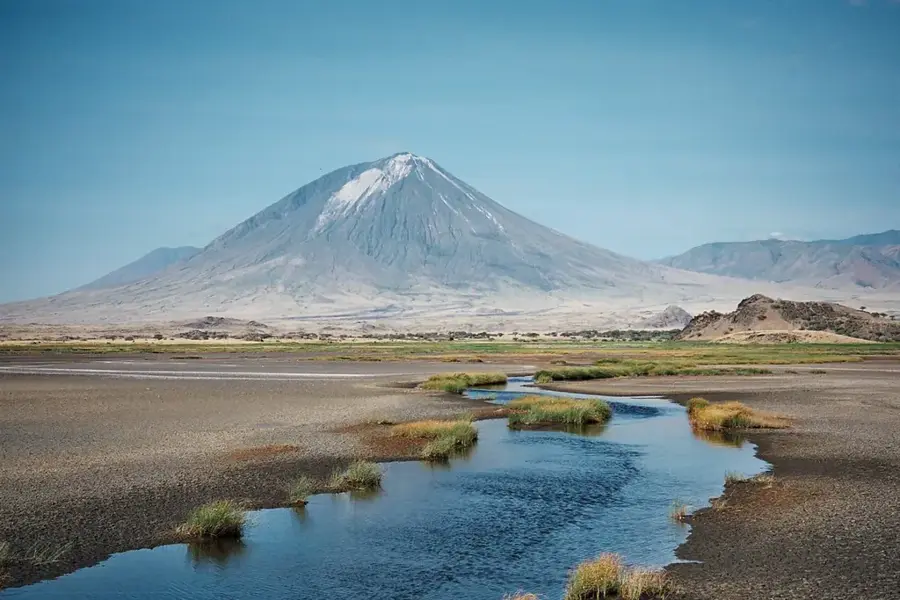
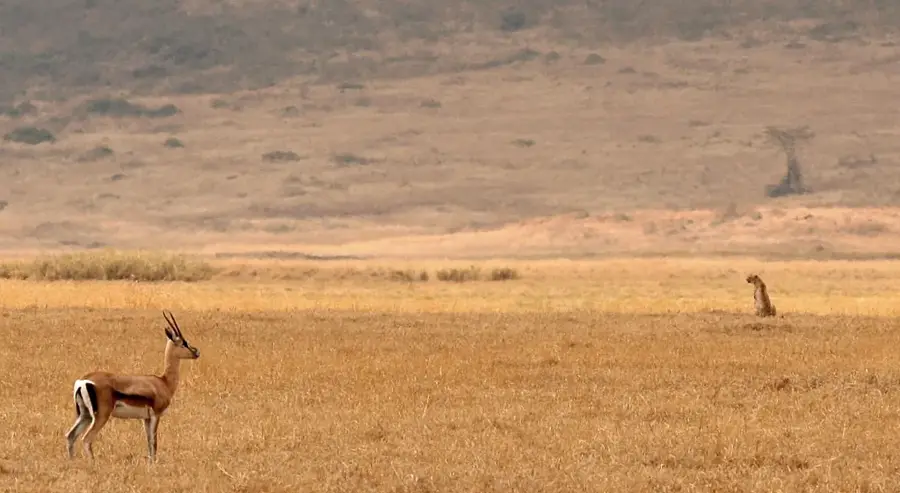
The Serengeti Plain is one of East Africa's most ecologically vital landscapes, stretching from northern Tanzania into southern Kenya. The plain is characterized by vast, treeless grasslands that developed on volcanic ash deposits from the nearby Ngorongoro volcanic highlands. This unique geological composition restricts the growth of deep-rooted forests while fostering nutrient-rich grasses that support the largest terrestrial mammal migration on Earth. Every year, over 1.5 million wildebeest, zebras, and gazelles travel clockwise across the ecosystem in search of fresh grazing lands. The name is derived from the Maasai word 'Siringet,' meaning 'endless plain.' Established as a National Park in 1951, it was designated a UNESCO World Heritage site in 1981 and covers an area of approximately 14,750 square kilometers. Beyond the migration, the area is renowned for its high density of large predators and its proximity to the paleoanthropological site of Olduvai Gorge.

Best time to visit & climate

The most pleasant time to visit is Jul–Sep.

JanFebMarAprMayJunJulAugSepOctNovDec
Avg °C202121201919192022222120
Rain mm1197914114266179202660140134

📋 Practical info

🧭
Getting there
Access to this vast savannah is typically arranged through organized safari tours initiating from Arusha, the primary gateway city. Visitors mostly travel via specialized off-road safari vehicles or use light aircraft flights to reach regional airstrips.
📅
Best season
The dry season, from June to October, is widely considered the best time for wildlife viewing as animals congregate around water sources. The great migration of herbivores presents spectacular sights, though the timing shifts based on annual rainfall patterns.
⛰️
Terrain & paths
The defining characteristic of this landscape is its seemingly endless, flat grassland plains punctuated by occasional rocky outcrops known as kopjes. The terrain is traversed exclusively via dirt tracks that can become severely rutted and muddy during heavy rains.
🎒
What to bring
Lightweight, neutral-colored clothing is recommended to blend in and cope with the intense equatorial daytime heat. Binoculars are absolutely essential for observing distant wildlife safely, along with high-factor sunscreen and robust dust protection for cameras.
🅿️
Parking
Self-driving is possible but demanding; vehicles must be parked only in designated safe zones or at established safari lodges. Leaving a vehicle unattended or outside of strictly regulated camp areas is dangerous and prohibited by park authorities.
⚠️
Safety
Visitors must remain strictly inside their safari vehicles at all times unless at clearly marked and secured resting points. Large predators and unpredictable herbivores roam freely, making independent walking extremely hazardous without an armed, professional guide.
⏱️
Time needed
Due to the massive scale of the plains and the distances involved, most visitors dedicate at least three to four days to exploring the region. Serious wildlife enthusiasts often book week-long expeditions to cover different zones and witness the migration fully.

Geography

Coordinates
-2.33330, 34.83330

Facts

  • The entire Serengeti ecosystem covers about 30,000 square kilometers.
  • Serengeti National Park was officially established in 1951.
  • Over 1.5 million wildebeest participate in the annual Great Migration.
  • The area was designated a UNESCO World Heritage site in 1981.
  • The soil is primarily composed of volcanic ash from the Ngorongoro.
  • The region hosts over 3,000 lions, the largest population in Africa.

Explore nearby

Notable places around
Route planner — Car & Motorhome

Where do you start? We build the route here, with stops and country notes along the way.

Vehicle
Only stops with (optional):

© OpenStreetMap contributors · OpenRouteService

Sights in the town Serengeti Plain (3)

Hippo Pool📍 landmark

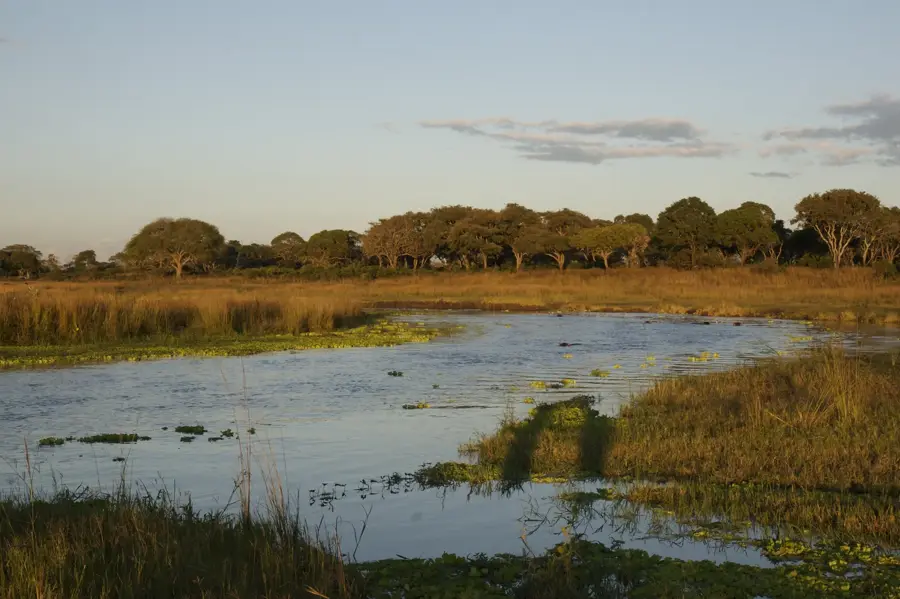
This popular viewing spot in the Serengeti allows visitors to observe large numbers of hippos wallowing in the muddy river waters.

Hippo Viewing Loop📍 landmark

A designated trail in the Serengeti offering excellent vantage points for watching hippos gathered in their natural aquatic habitats.

Serengeti National Park🌿 nature

This vast Tanzanian national park is globally celebrated for its sprawling plains and the massive annual migration of millions of grazing animals.

Sights nearby

Frequently asked questions

When is the Great Migration in the Serengeti?
The herds usually move through the region from June to October.
Is a safari expensive?
Yes, park fees and accommodations make safaris a luxury experience.
Do I need vaccinations?
Yellow fever and malaria prophylaxis are strongly recommended for Tanzania.
Are children welcome in the Serengeti?
Yes, but many camps have age restrictions for safety reasons.
What is the best time of day for game viewing?
Early morning and late afternoon, the animals are most active.
Serengeti Plain: where is it located?
Serengeti Plain is located in Tanzania.
Serengeti Plain: what is there to see?
Highlights include Hippo Pool, Hippo Viewing Loop, Serengeti National Park.
Serengeti Plain: when is the best time to visit?
The most pleasant time to visit is Jul, Sep.
Serengeti Plain: why is it worth visiting?

The Serengeti Plain is one of East Africa's most ecologically vital landscapes, stretching from northern Tanzania into southern Kenya.
View on map → The Top 50 Attractions → OpenStreetMap →
Africa
Explore with Plizio Discover more places in Africa
More places in Tanzania →

Nearby cities

History & landmarks

Nature
More places