Plizio Visual Lab

Moulouya
Plizio editorial teamData Sources
River
—°
Moulouya (Morocco)

Weather…

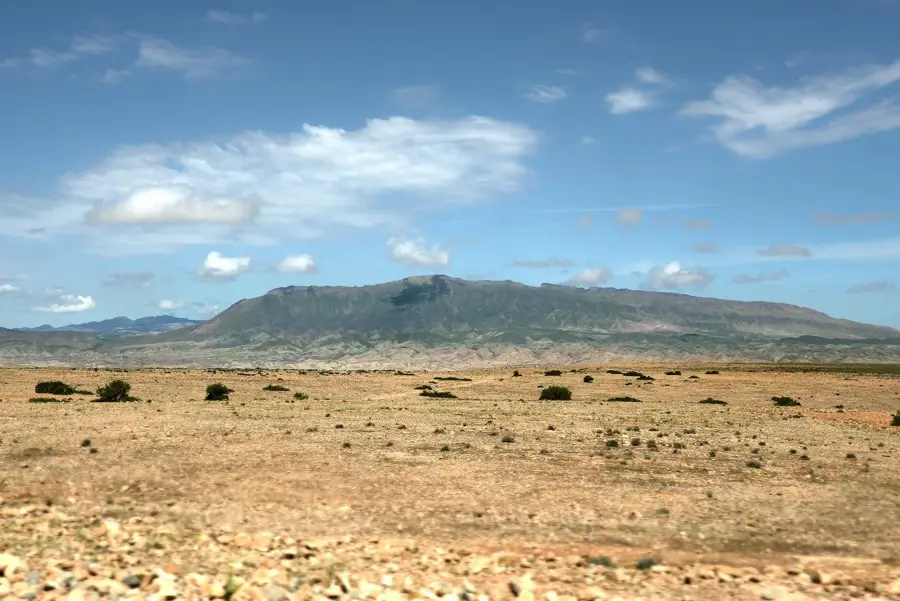
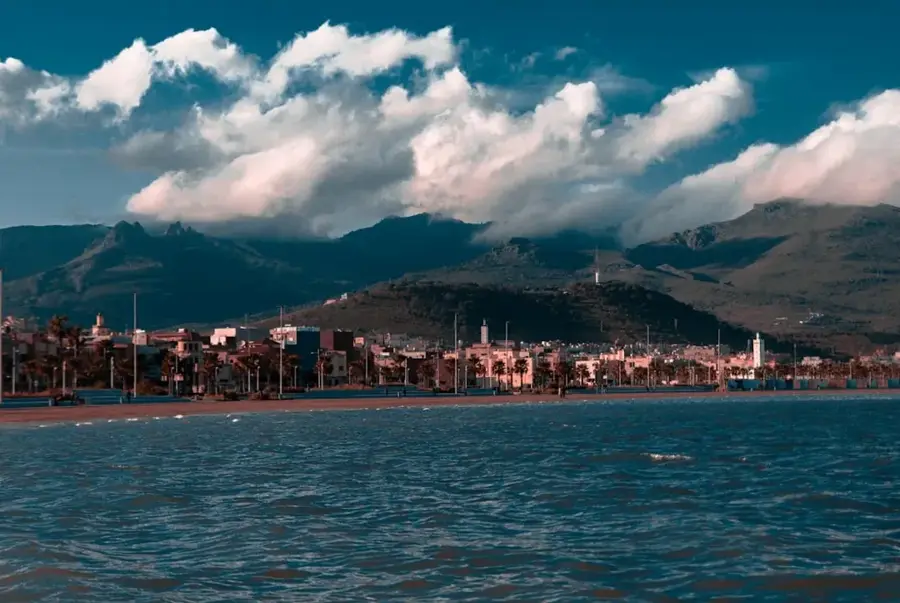
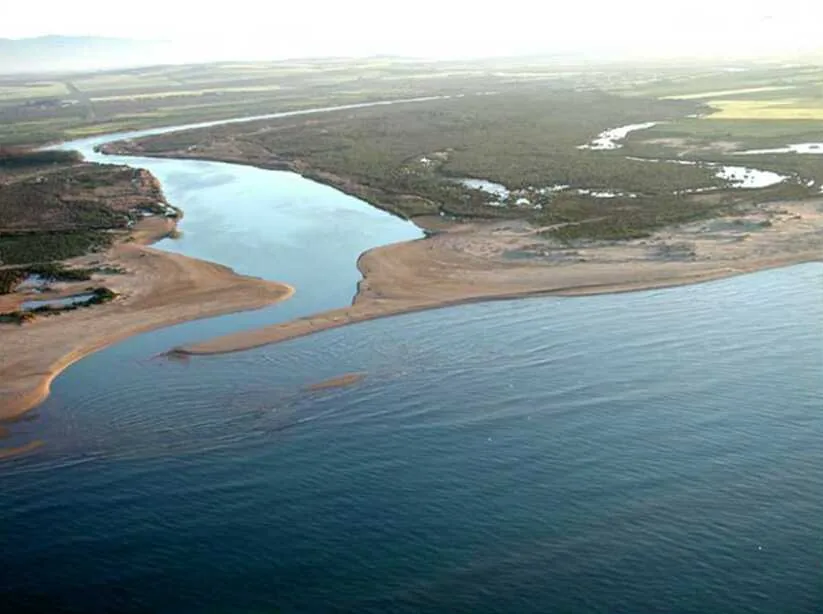
The Moulouya River, stretching approximately 520 kilometers, is one of Morocco's most significant rivers and the largest to flow into the Mediterranean Sea. It originates in the Middle Atlas at Jbel Ayachi and flows northeastward through arid territories before reaching the coast near Saïdia. The river plays a vital role in the agriculture of eastern Morocco, particularly by irrigating the expansive farmlands near Berkane. Several dams, such as the Mohamed V Dam completed in 1967, regulate its water levels and are used for hydroelectric power generation. The Moulouya estuary is protected as a Site of Biological and Ecological Interest (SIBE), providing a critical habitat for numerous migratory bird species. Despite its importance, the river faces challenges from seasonal flow fluctuations and increasing pollution from industrial runoff. Historically, the Moulouya often served as a border between various dynasties and tribal territories. Its drainage basin covers about 54,000 square kilometers, making it a key factor in the region's ecological stability.

Best time to visit & climate

The most pleasant time to visit is May, Jun, Sep.

JanFebMarAprMayJunJulAugSepOctNovDec
Avg °C111214161923262723201512
Rain mm64475159401171934587857

📋 Practical info

🧭
Getting there
The course of this significant river can be accessed at numerous points along its lengthy journey through eastern Morocco. Travelers typically approach the scenic riverbanks via regional roads intersecting the rural agricultural plains and dramatic gorges.
📅
Best season
Spring is often the most visually rewarding time for a visit, as the water levels are usually higher and the surrounding valleys turn remarkably green. Autumn also provides pleasant, mild conditions for exploring the ecological richness of the lower river basin.
⛰️
Terrain & paths
The environments along the river vary wildly, ranging from rocky mountain descents in the upper reaches to flat, marshy deltas near the Mediterranean coast. Visitors can expect uneven dirt paths, muddy shorelines, and occasionally dense riparian vegetation.
🎒
What to bring
Appropriate footwear depends largely on the chosen section; sturdy hiking boots are needed for the gorges, while water-resistant shoes suit the delta. Insect repellent and sun protection are universally important across all accessible stretches of the riverbanks.
🅿️
Parking
Formal parking infrastructure is virtually non-existent outside of nearby villages or designated bridge crossings. Visitors exploring the wilderness segments usually pull their vehicles safely onto wide shoulders or use informal dirt clearings near the water.
⚠️
Safety
Water levels and currents can fluctuate unpredictably, especially following heavy rains in the distant mountains. It is prudent to avoid swimming in unfamiliar sections and to keep a safe distance from crumbling or unstable earthen riverbanks.
⏱️
Time needed
Depending on the specific area of interest, visits can range from a brief thirty-minute photo stop at a scenic bridge to a full-day bird-watching excursion. Exploring the biologically diverse wetlands near the river mouth typically requires at least half a day.

Geography

Coordinates
35.12000, -2.15000

Facts

  • The river's total length is approximately 520 km.
  • Largest Moroccan river flowing into the Mediterranean.
  • Source is located at Jbel Ayachi in the Middle Atlas.
  • Mohamed V Dam began operations in 1967.
  • The drainage basin spans 54,000 square kilometers.
  • The estuary is a protected area for migratory birds.

Explore nearby

Notable places around

Route planner — Car & Motorhome

Where do you start? We build the route here, with stops and country notes along the way.

Vehicle
Only stops with (optional):

© OpenStreetMap contributors · OpenRouteService

Sights nearby

Frequently asked questions

Where does the Moulouya River originate?
The river originates in the Middle Atlas and flows for over 500 km to the Mediterranean Sea.
Can you swim in the Moulouya River?
In some sections yes, but the current and water quality vary greatly depending on the season.
What animals can be seen at the river?
The estuary is a paradise for birds, including flamingos and various species of herons.
Is the river suitable for canoeing?
It is possible in some areas, but there are very few local rental stations for equipment.
How do you reach the Moulouya estuary?
The protected area is located near Saidia and Berkane and is easily accessible by car.
Moulouya: where is it located?
Moulouya is located in Morocco.
Moulouya: when is the best time to visit?
The most pleasant time to visit is May, Jun, Sep.
Moulouya: why is it worth visiting?
The Moulouya River, stretching approximately 520 kilometers, is one of Morocco's most significant rivers and the largest to flow into the Mediterranean Sea.
View on map → The Top 50 Attractions → OpenStreetMap →
Africa
Explore with Plizio Discover more places in Africa
More places in Morocco →

Nearby cities

History & landmarks
Nature
More places