Plizio Visual Lab
Serengeti Habitat
Weather…
Water temperature…
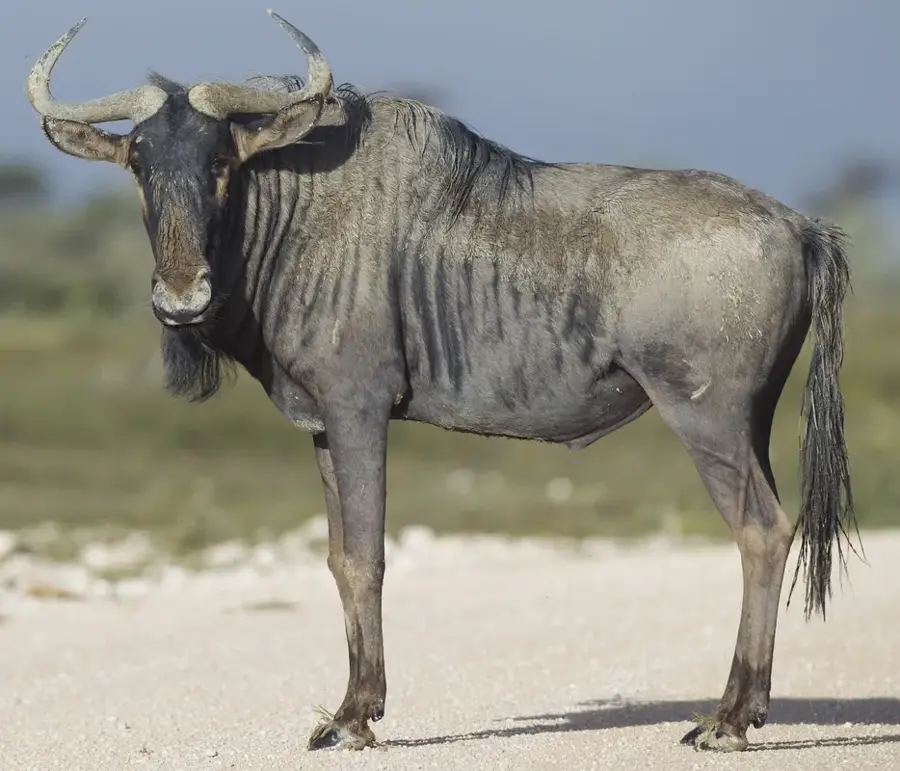
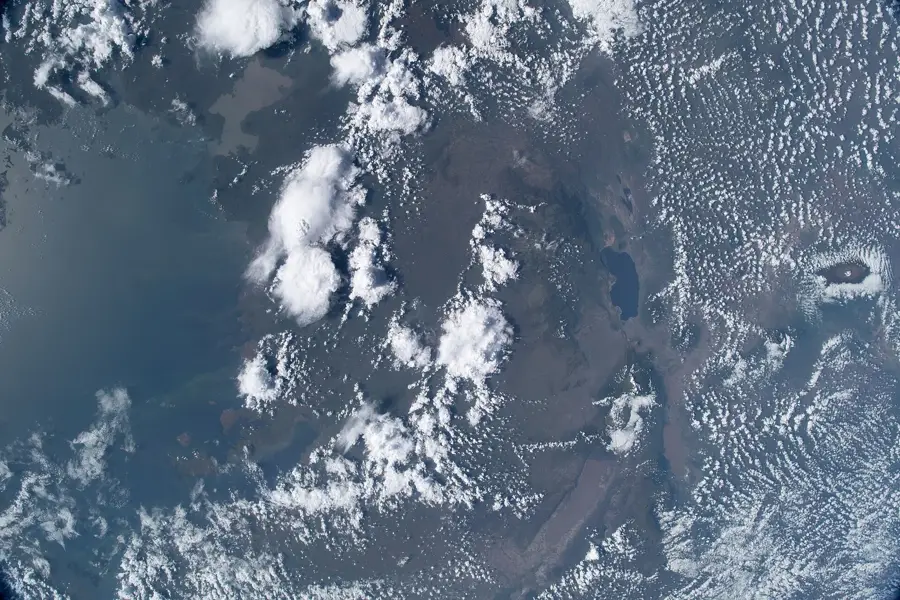
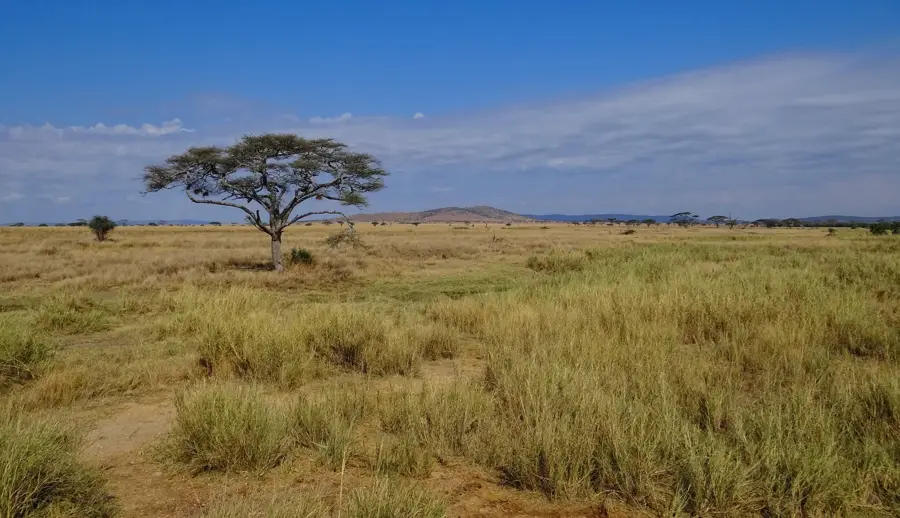
The Serengeti Habitat in northern Tanzania is one of the most complex and pristine ecosystems on Earth, world-renowned for the Great Migration. Covering 14,750 square kilometers, the national park hosts the annual movement of over 1.5 million wildebeest and hundreds of thousands of zebras searching for fresh grazing lands. Established as a national park in 1951, it was designated a UNESCO World Heritage site in 1981 due to its exceptional ecological value. The terrain transitions from short-grass plains in the south to acacia savannas in the center and hilly woodlands in the north. This environmental diversity supports the largest concentration of large predators in Africa, including lions, leopards, and hyenas. The ecosystem is inextricably linked to Kenya's Masai Mara Reserve, forming a vital corridor that remains essential for continental biodiversity conservation.
- Location: Tanzania
- Nearby: Bariadi (72 km)
Best time to visit & climate
The most pleasant time to visit is May–Jul.
| Jan | Feb | Mar | Apr | May | Jun | Jul | Aug | Sep | Oct | Nov | Dec | |
|---|---|---|---|---|---|---|---|---|---|---|---|---|
| Avg °C | 22 | 23 | 23 | 22 | 22 | 22 | 23 | 24 | 25 | 25 | 23 | 22 |
| Rain mm | 112 | 86 | 139 | 120 | 52 | 16 | 10 | 25 | 33 | 68 | 143 | 145 |
📋 Practical info
Geography
Facts
- Covers 14,750 square kilometers
- UNESCO World Heritage site since 1981
- Established as a national park in 1951
- Home to 1.5 million migrating wildebeest
- Highest concentration of lions in Africa
- Borders Kenya's Masai Mara Reserve
Explore nearby
Notable places around

Route planner — Car & Motorhome
Where do you start? We build the route here, with stops and country notes along the way.
© OpenStreetMap contributors · OpenRouteService
Sights nearby
Frequently asked questions
When is the best time to travel?
How is the weather?
Is a guide needed?
Is parking allowed?
Are toilets available?
Serengeti Habitat: where is it located?
Serengeti Habitat: when is the best time to visit?
Serengeti Habitat: why is it worth visiting?

Nearby cities



History & landmarks
Nature
More places