Plizio Visual Lab
Ouezzane
ℹ️Practical info — Ouezzane
▾
🌤 Weather — 5 days
📍 Nearby
Sights nearby
💡 Tips
- The medina is built on a hillside and is pedestrian-only with many steps; wear comfortable shoes.
- It's a spiritually significant city for both Muslims and Jews; dress modestly and behave respectfully, especially near shrines and zaouias.
- The town is painted in beautiful shades of green and white; the golden hour before sunset is excellent for photography.
- Look out for the locally produced high-quality olive oil, a staple of the region.
🍽 Food
At traditional restaurants near the medina entrance.
Available in the local market, best eaten with fresh bread.
At small cafes in the old town squares.
🛍 Shopping · 🧘 Quiet spots
Famous for high-quality jellabas and woven blankets in the medina workshops.
Buy directly from the pressing mills or the weekly souk (Thursday).
Quiet, painted green and white, first-rate for a peaceful stroll.
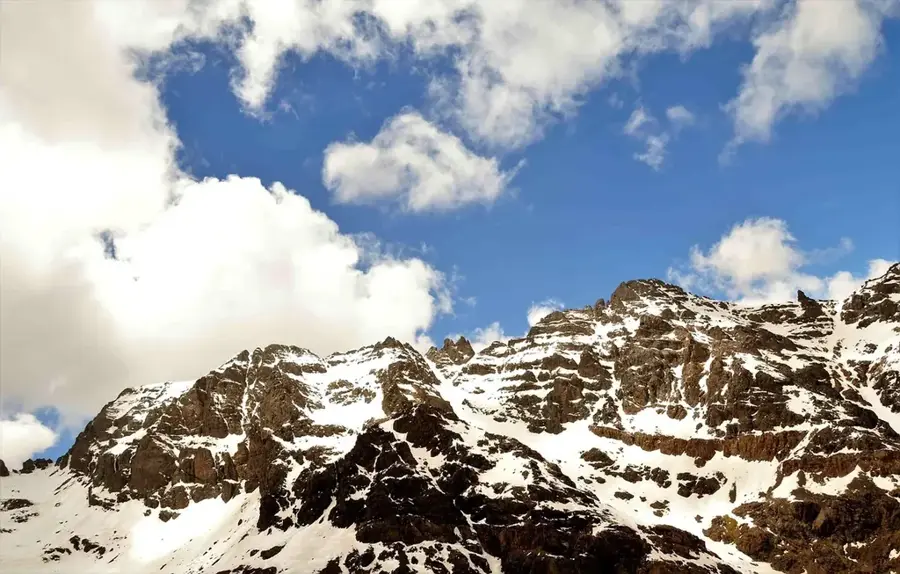
Take a walk just outside the city for tranquil nature and views of the Rif mountains.
Water temperature…
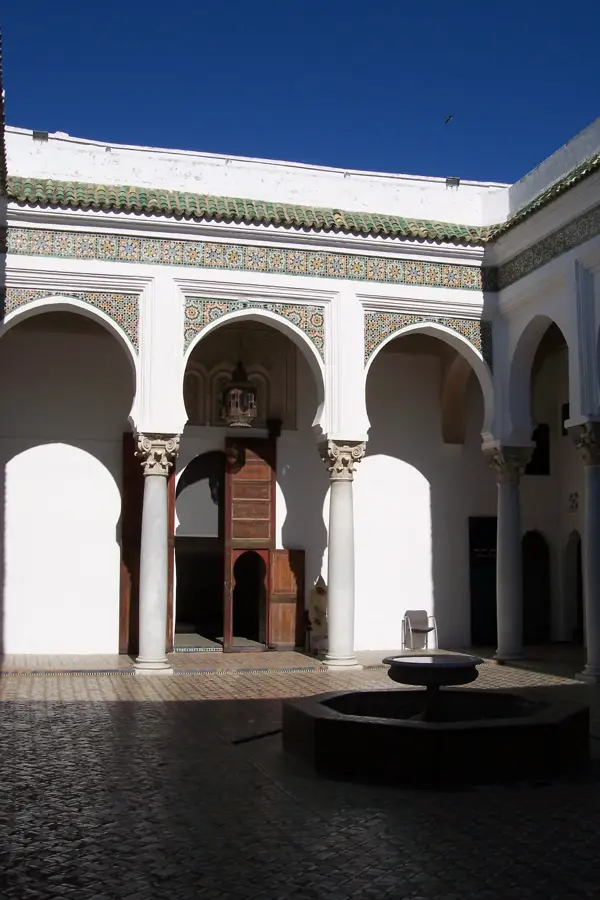
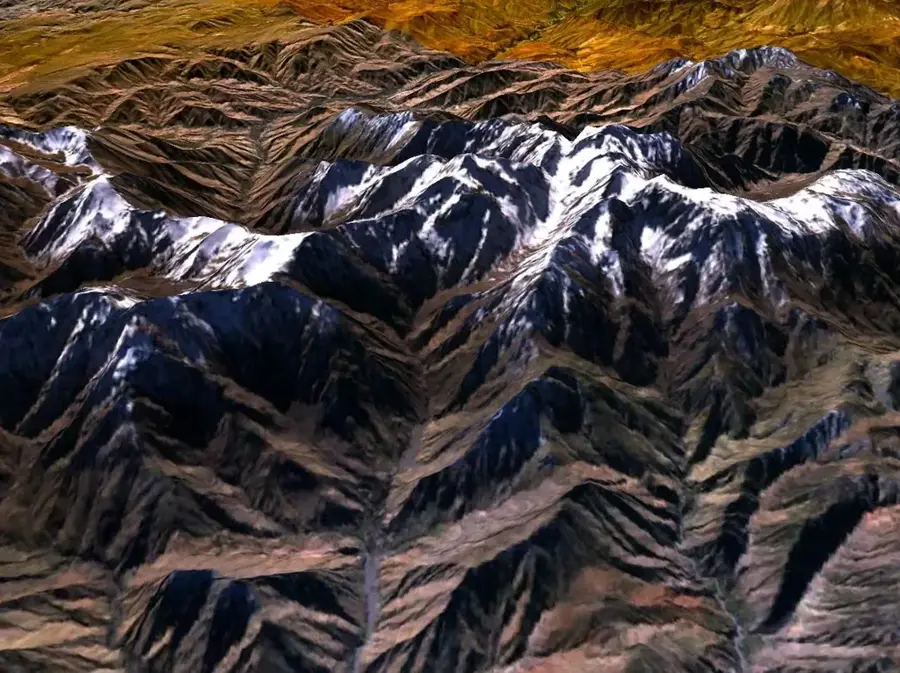
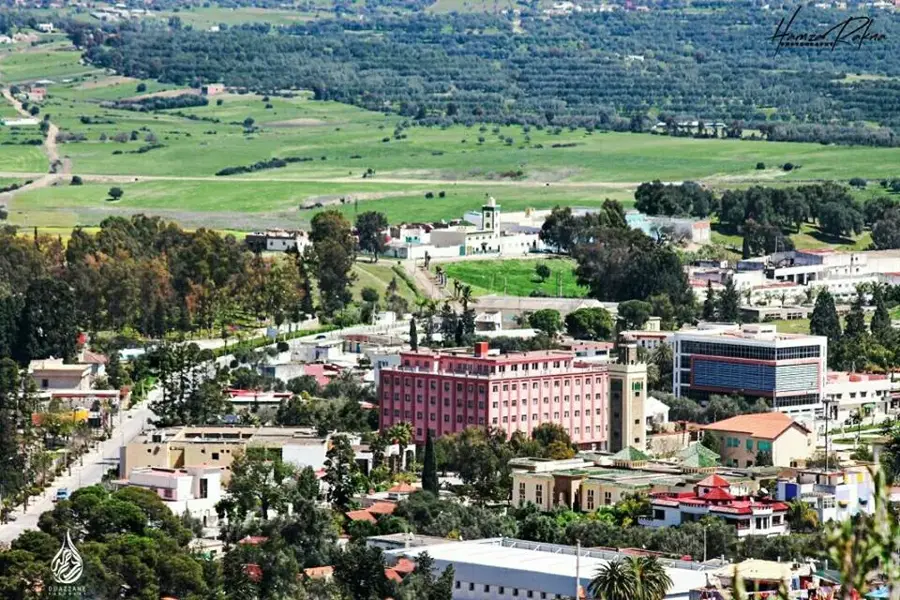
Ouezzane is located at the edge of the Rif Mountains in northwestern Morocco and is historically revered as a 'holy city.' Founded in 1727 by Sherif Moulay Abdallah, it became the base for the Tayyibiyya Sufi order, which held immense spiritual and political sway over Morocco for centuries. Unlike most historic Moroccan cities, Ouezzane was never surrounded by defensive walls, a choice that underscored its status as a sanctuary protected by divine grace. It is a significant pilgrimage site for both Muslims and Jews, notably housing the tombs of several venerated rabbis, making it a symbol of interfaith harmony. The city's architecture is distinguished by the frequent use of green, leading to its nickname 'Dar Dmana' (House of Security). Economically, Ouezzane is world-renowned for its textile heritage, particularly the heavy wool weave used for traditional djellabas, and for its premium olive oil production. The rolling hills surrounding the city are dominated by centuries-old olive groves and cereal fields, which form the backbone of the local economy. Traditional crafts, including the production of distinctive green pottery, remain central to the city's cultural identity.
- Location: Morocco
- Top sights: Magana Clock · Lala Oum Hani Monument
- Nearby: Ksar El Kebir (37 km)
- Population: ~65.088 (2024)
Best time to visit & climate
The most pleasant time to visit is May, Jun, Sep.
| Jan | Feb | Mar | Apr | May | Jun | Jul | Aug | Sep | Oct | Nov | Dec | |
|---|---|---|---|---|---|---|---|---|---|---|---|---|
| Avg °C | 10 | 11 | 13 | 15 | 19 | 24 | 28 | 28 | 24 | 20 | 14 | 11 |
| Rain mm | 100 | 91 | 107 | 80 | 40 | 7 | 2 | 4 | 26 | 94 | 139 | 117 |
Geography
Facts
- Ouezzane was founded in 1727 by the Sufi leader Moulay Abdallah.
- The city is the spiritual headquarters of the Tayyibiyya brotherhood.
- Ouezzane's lack of city walls is a unique feature in Moroccan urban history.
- The city is a major center for Jewish pilgrimage to the tomb of Rabbi Amram ben Diwan.
- Ouezzane's olive oil is awarded protected geographical indication status.
- Traditional weavers in Ouezzane produce a unique coarse wool fabric for winter cloaks.
Explore nearby
Notable places around


Route planner — Car & Motorhome
Where do you start? We build the route here, with stops and country notes along the way.
© OpenStreetMap contributors · OpenRouteService
Sights in the town Ouezzane (2)
Frequently asked questions
What is Ouezzane known for?
Is it a tourist destination?
What can you do here?
Which season is best?
What is the atmosphere like?
Ouezzane: where is it located?
Ouezzane: what is there to see?
Ouezzane: when is the best time to visit?
Ouezzane: why is it worth visiting?

Nearby cities
More places