Plizio Visual Lab
Tetouan
ℹ️Practical info — Tetouan
▾
🌤 Weather — 5 days
📍 Nearby
Sights nearby
💡 Tips
- The UNESCO-listed medina is built on a slope; wear comfortable shoes to navigate the steep alleys.
- Spanish is widely spoken here due to historical ties; you might find it more useful than French.
- Explore the Ensanche (Spanish quarter) for a striking architectural contrast to the whitewashed medina.
- The artisan school (Dar Sanaa) features a fascinating look at traditional crafts without the pressure to buy.
- The city gets very crowded in summer when Moroccan tourists flock to the nearby coastal resorts.
🍽 Food
Spanish-style sandwiches, very popular in the small shops of the Ensanche district.
Look for women in traditional Rif attire selling this fresh cheese in the market.
Enjoy fresh Mediterranean fish in the local restaurants outside the medina.
🛍 Shopping · 🧘 Quiet spots
Look for the distinctive red and white striped blankets and clothing typical of the region.
The medina's souks are excellent for authentic, locally made handicrafts.
A large, open square offering beautiful views of the medina and the Rif mountains.
Features a panoramic, peaceful viewpoint over the entire white city.
Water temperature…
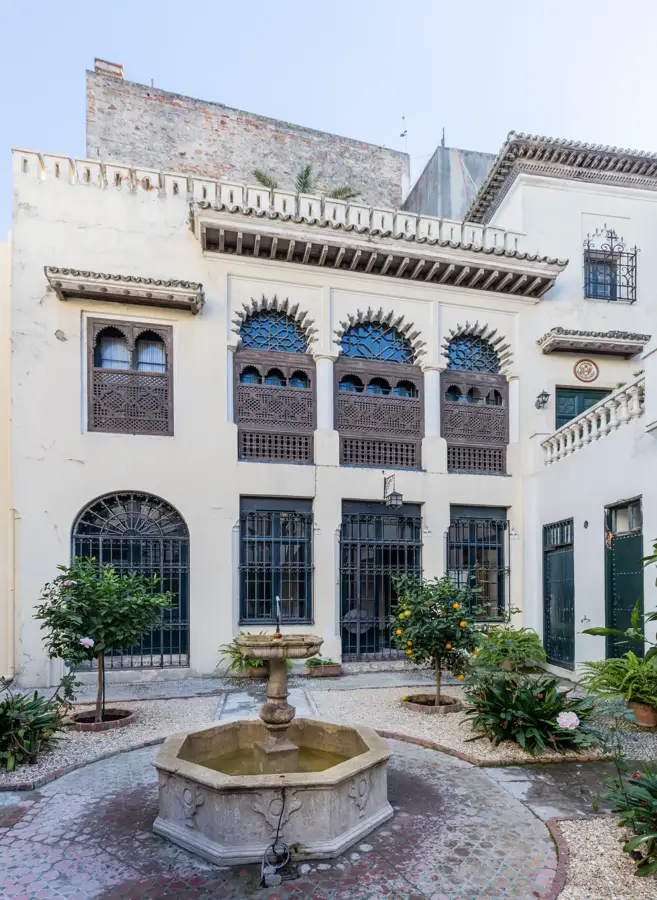
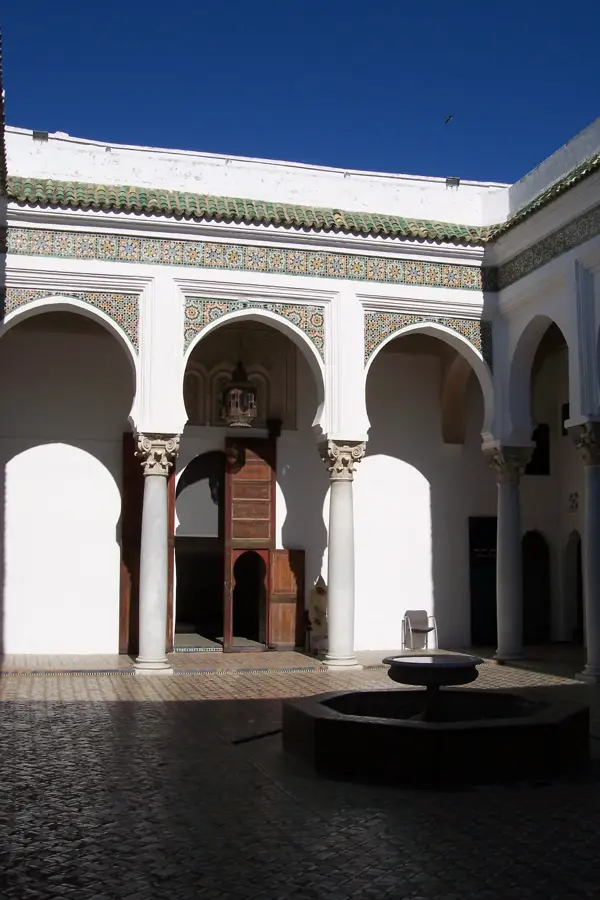
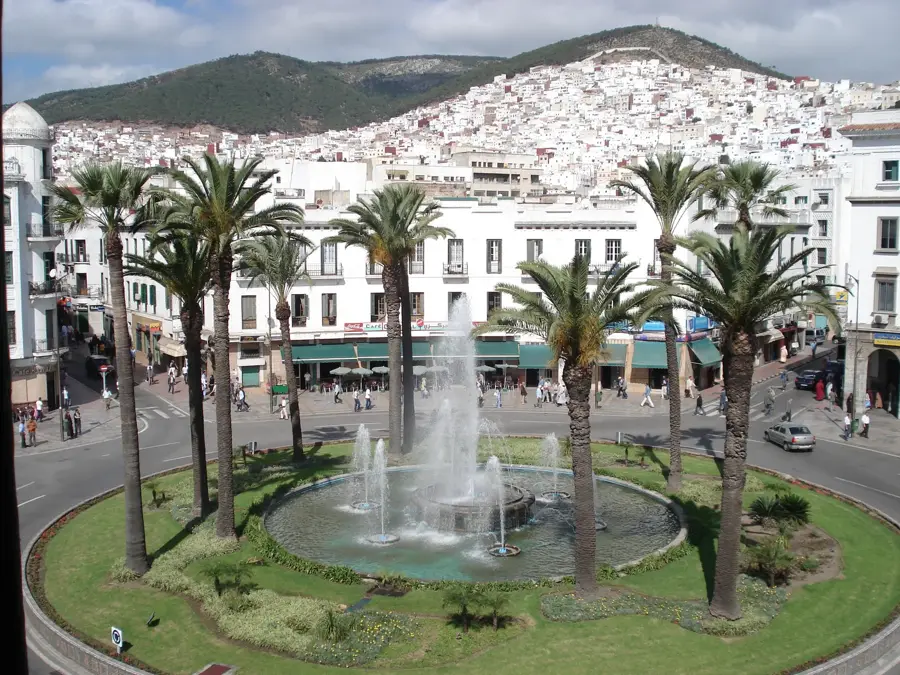
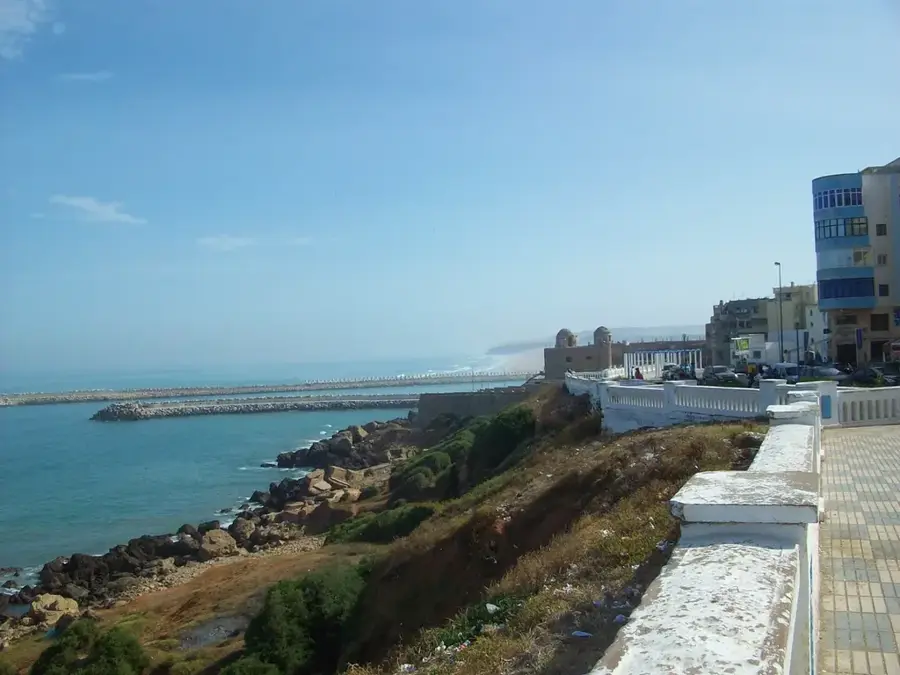
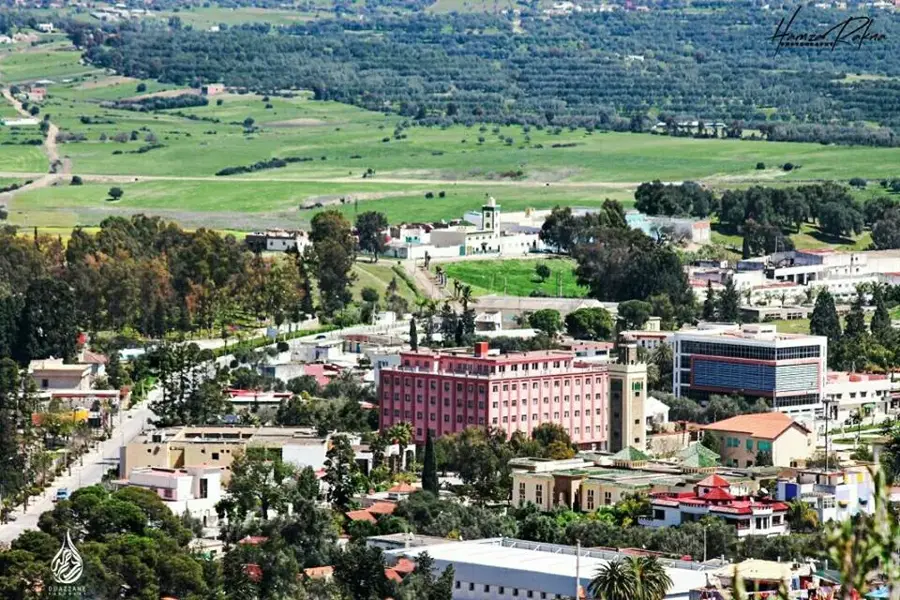
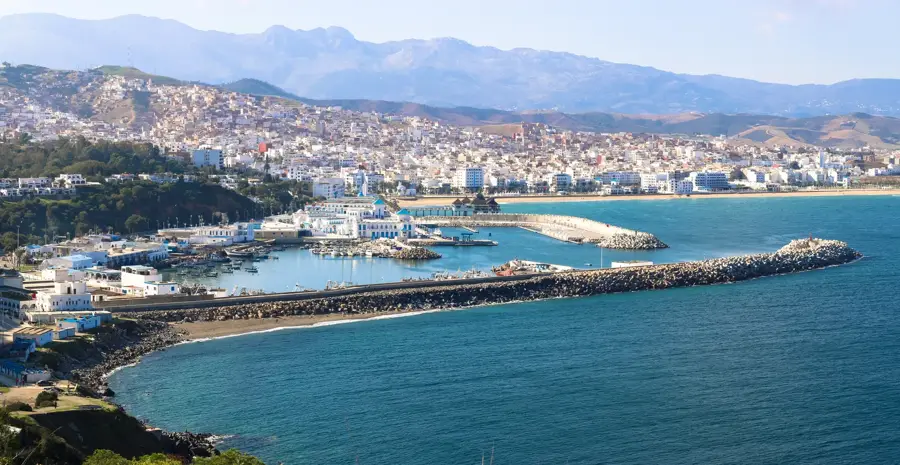
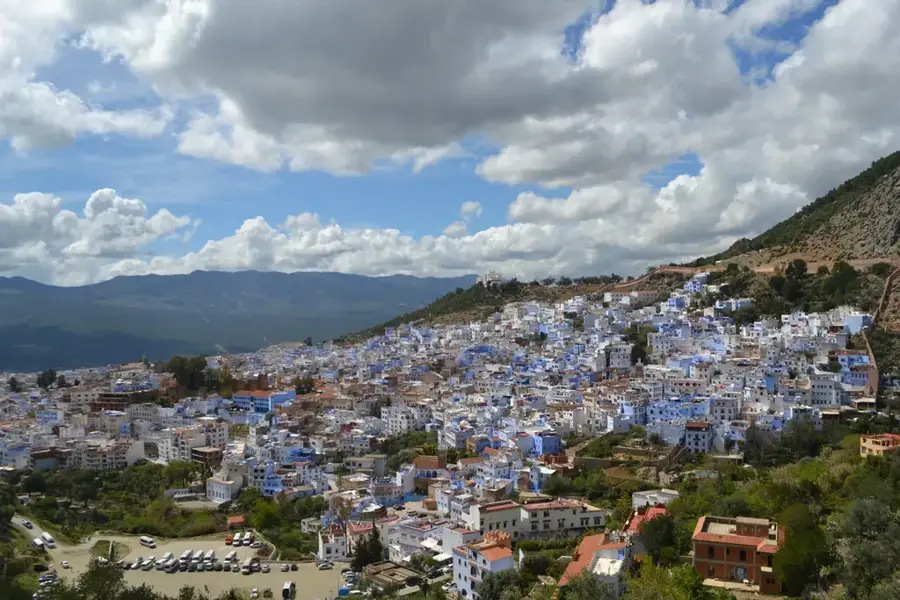
Tetouan, frequently referred to as the "White Pigeon," is tucked away in northern Morocco at the foot of the Rif Mountains, just a few kilometers from the Mediterranean coast. The city is distinguished by a profound Hispano-Moorish identity, largely shaped by Andalusian refugees who resettled there following the Reconquista in the late 15th century. This unique cultural heritage is reflected in the architecture of its medina, which was designated a UNESCO World Heritage site in 1997 and is considered one of the most complete and best-preserved historic centers in the country. During the Spanish protectorate from 1913 to 1956, Tetouan served as the capital of Spanish Morocco, leading to the creation of the Ensanche district, characterized by wide avenues and distinct colonial-era buildings. Culturally, the city remains a hub for traditional craftsmanship and is home to prestigious Mediterranean film festivals. In recent years, Tetouan's economic importance has surged due to significant infrastructure investments and the growth of high-end tourism along the Mediterranean shoreline, particularly around the Tamuda Bay area.
- Location: Morocco
- Top sights: Maison de Culture · Musée Archéologique · Bab er Rouah
- Nearby: Martil (10 km)
- Population: ~415.810 (2024)
Best time to visit & climate
The most pleasant time to visit is May, Jun, Sep.
| Jan | Feb | Mar | Apr | May | Jun | Jul | Aug | Sep | Oct | Nov | Dec | |
|---|---|---|---|---|---|---|---|---|---|---|---|---|
| Avg °C | 11 | 12 | 13 | 15 | 18 | 22 | 25 | 26 | 23 | 20 | 15 | 12 |
| Rain mm | 65 | 61 | 73 | 53 | 25 | 5 | 1 | 3 | 23 | 69 | 96 | 77 |
Geography
Facts
- Tetouan served as the capital of Spanish Morocco from 1913 to 1956.
- The Medina of Tetouan was added to the UNESCO World Heritage list in 1997.
- The city was extensively rebuilt in the 15th century by Andalusian refugees.
- The name Tetouan is derived from the Berber language, meaning 'the eyes'.
- The city is home to the Dar El Hanaa, a renowned school of traditional arts.
- The Ensanche district features exceptionally preserved Spanish colonial architecture.
Explore nearby
Notable places around

Route planner — Car & Motorhome
Where do you start? We build the route here, with stops and country notes along the way.
© OpenStreetMap contributors · OpenRouteService
Start your morning exploring the historic bastions and fortifications, feeling the ancient military presence that shaped Tetouan. Midday takes you deeper into the medina's spiritual and architectural core, visiting ornate mosques and rich archaeological collections. The afternoon shifts toward cultural immersion in restored traditional houses and bustling historic gates. Conclude your evening marveling at exquisite Moroccan crafts, surrounded by the vibrant energy of the old city as dusk falls over the winding alleys.
Bab Nouaber Bastion
Kasbah
El-Fasi Zaouia
Musée Archéologique
Dar El Oddi
Bab er Rouah
Musée d’Art Marocain
Morning brings a misty veil over the bastion, giving the mountain views a mystical quality. By noon, the narrow medina alleys provide some shelter, though the ancient stones become treacherous when wet. Afternoon is best spent inside the museums, staying dry while diving into local history. Evening light glimmers on the wet pavement, creating a dramatic and moody atmosphere across the city.
Bab Nouaber Bastion
Kasbah
El-Fasi Zaouia
Musée Archéologique
Dar El Oddi
Bab er Rouah
Musée d’Art Marocain
The winter morning is crisp and clear, offering the best visibility for the surrounding mountain peaks. By noon, the wind-sheltered patios of the medina hold the sun's warmth comfortably. As sunset arrives early around 17:00, spend the later hours in the well-lit museums. Evenings get chilly quickly, so layering up is essential for the walk home.
Bab Nouaber Bastion
Kasbah
El-Fasi Zaouia
Musée Archéologique
Dar El Oddi
Bab er Rouah
Musée d’Art Marocain
Kick off your cycling tour at the city's francophone cultural center, setting a modern yet historic tone for the day. By midday, pedal past iconic bastions and fortresses, connecting the broader historical dots of the medina's outer perimeter. The afternoon ride leads you to beautifully preserved city gates, offering perfect photo opportunities in the warm light. Wrap up at the modern art center, leaving your bike to wander through lush sculpture gardens as the sun sets.
Institut Français de Tétouan
Maison de Culture
Bab Nouaber Bastion
Kasbah
Bab Rmouz
Modern Art Center of Tetouan
Rain makes the paved roads outside the medina slippery, so ride with extra caution throughout the day. Start your morning with indoor cultural stops to avoid the heaviest showers. By noon, the distances between the city gates are short, but watch out for deep puddles. In the afternoon, the art center provides a safe, dry haven to conclude your cycling tour comfortably.
Institut Français de Tétouan
Maison de Culture
Bab Nouaber Bastion
Kasbah
Bab Rmouz
Modern Art Center of Tetouan
The clear winter air provides perfect visibility for your cycling tour around the historic city walls. Mornings are quite chilly in the shade, so be sure to wear gloves while riding. By noon, the low winter sun makes Tetouan's white facades glow brilliantly. As dusk arrives around 17:00, plan to finish your ride at the well-lit modern art center.
Institut Français de Tétouan
Maison de Culture
Bab Nouaber Bastion
Kasbah
Bab Rmouz
Modern Art Center of Tetouan
Your driving tour begins with sweeping natural vistas of the Riff Mountains overlooking the serene river valley below. Approaching midday, dive into the city's artistic soul at the modern art center before navigating towards the historic medina walls. In the afternoon, explore ancient gates and archaeological treasures that unveil Morocco's complex past. Finish with a scenic drive up Jbel Dersa, where panoramic sunset views across the white city provide a truly unforgettable finale.
Oued Martil Viewpoint of Riff Mountains
Modern Art Center of Tetouan
Bab er Rouah
Musée Archéologique
Jbel Dersa
A car tour is the most comfortable way to explore Tetouan during rainy weather. In the morning, fog at the viewpoint might limit visibility, so drive carefully on the slick mountain roads. At noon, the city center museums offer convenient nearby parking to keep you dry. In the afternoon, the drive to Jbel Dersa is scenic, even if the peaks are often hidden in the clouds.
Oued Martil Viewpoint of Riff Mountains
Modern Art Center of Tetouan
Bab er Rouah
Musée Archéologique
Jbel Dersa
Winter offers the clearest views for your drive to the panoramic viewpoints around Tetouan. In the morning, you'll appreciate the car's heater while observing the frosty landscape along the Oued Martil. By noon, the light is perfect for photographing the white city against a deep blue sky. As sunset is around 17:00, plan to be at Jbel Dersa for the best twilight colors.
Oued Martil Viewpoint of Riff Mountains
Modern Art Center of Tetouan
Bab er Rouah
Musée Archéologique
Jbel Dersa
Sights in the town Tetouan (14)
Frequently asked questions
What is special about Tetouan's Medina?
What languages are spoken here?
Are there beaches nearby?
Can you go hiking in the Rif Mountains?
When is the best time to visit Tetouan?
Tetouan: where is it located?
Tetouan: what is there to see?
Tetouan: when is the best time to visit?
Tetouan: why is it worth visiting?

Nearby cities
More places