
Plizio Visual Lab

Bay of Kotor Flora

Plizio editorial teamData Sources
Forest
—°2
Bay of Kotor Flora (Montenegro)

Weather…

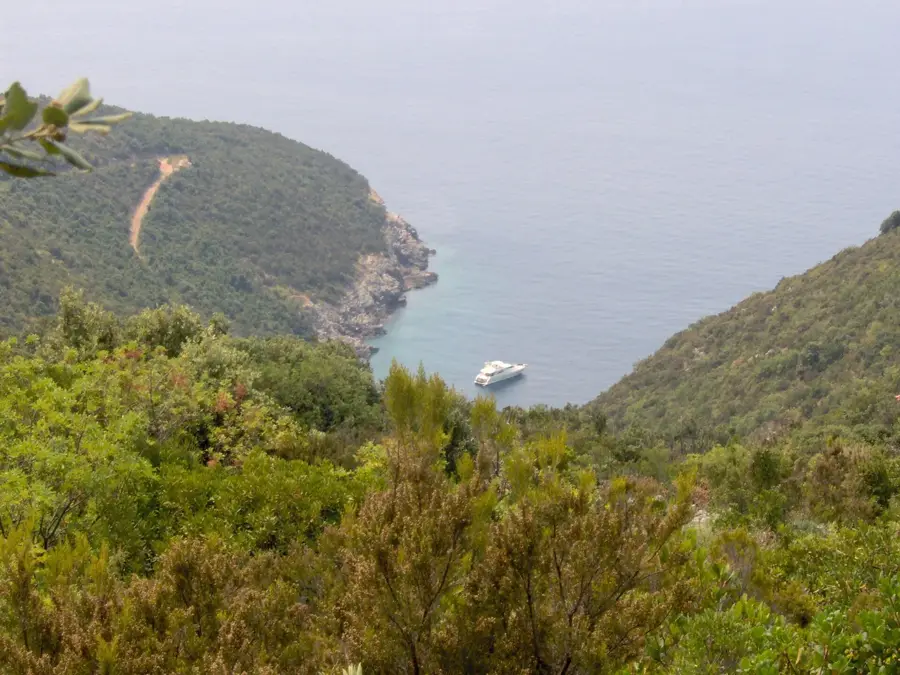
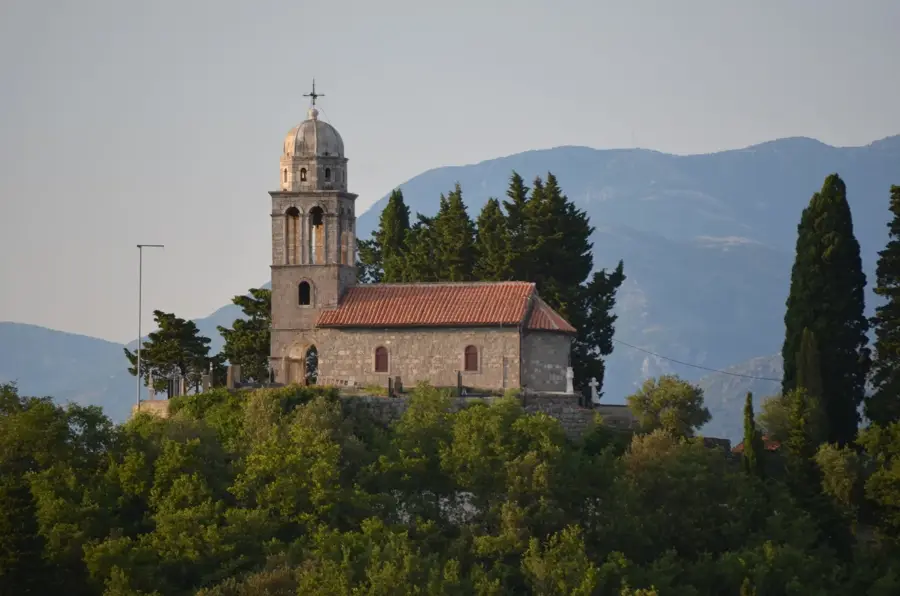
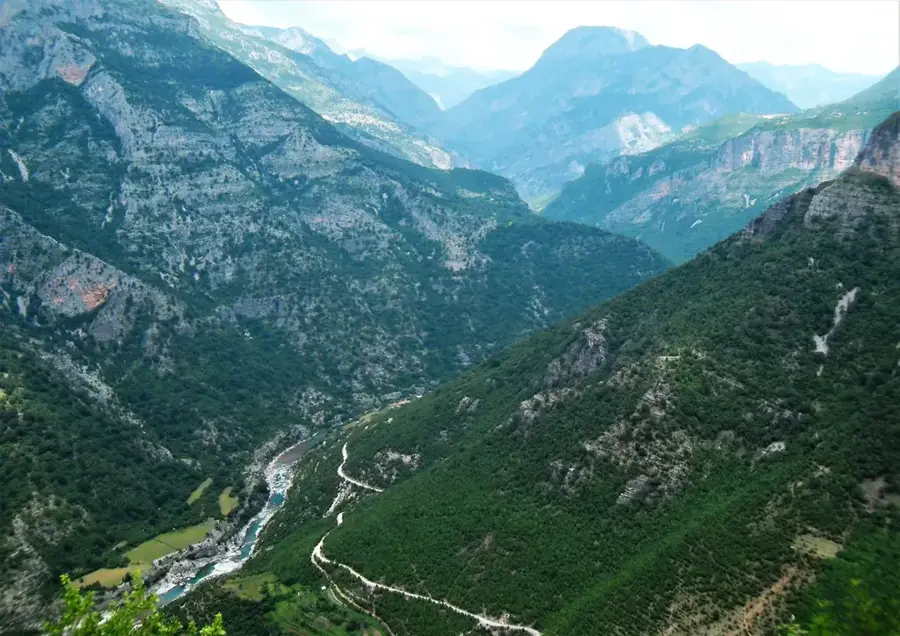
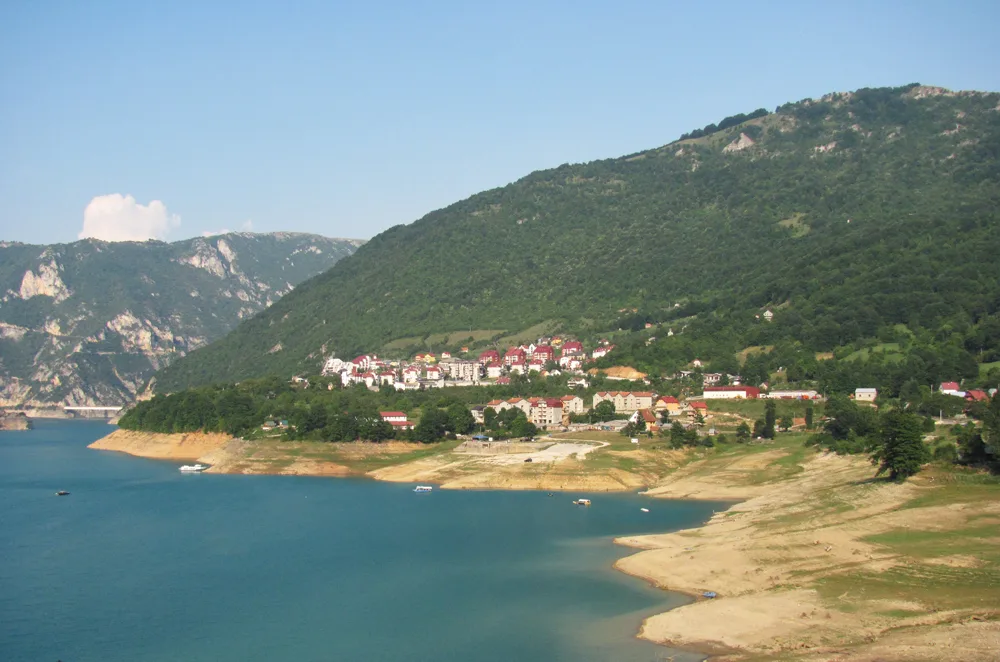
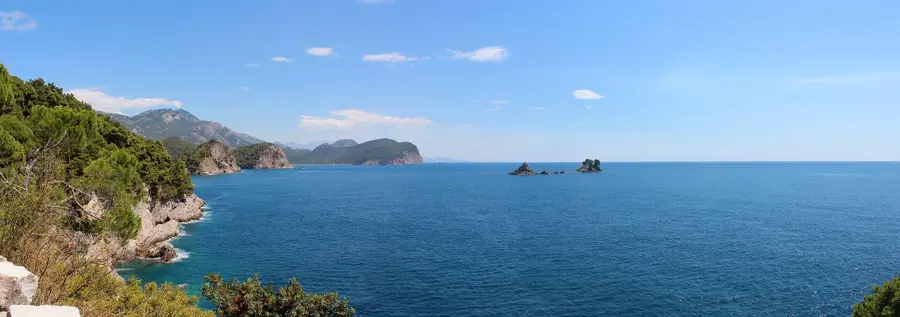
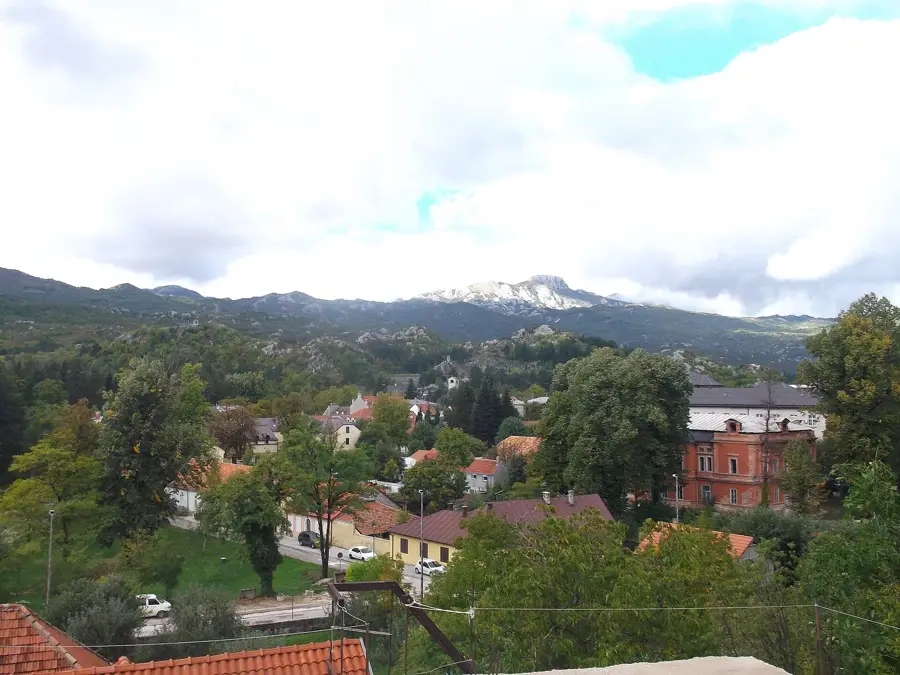
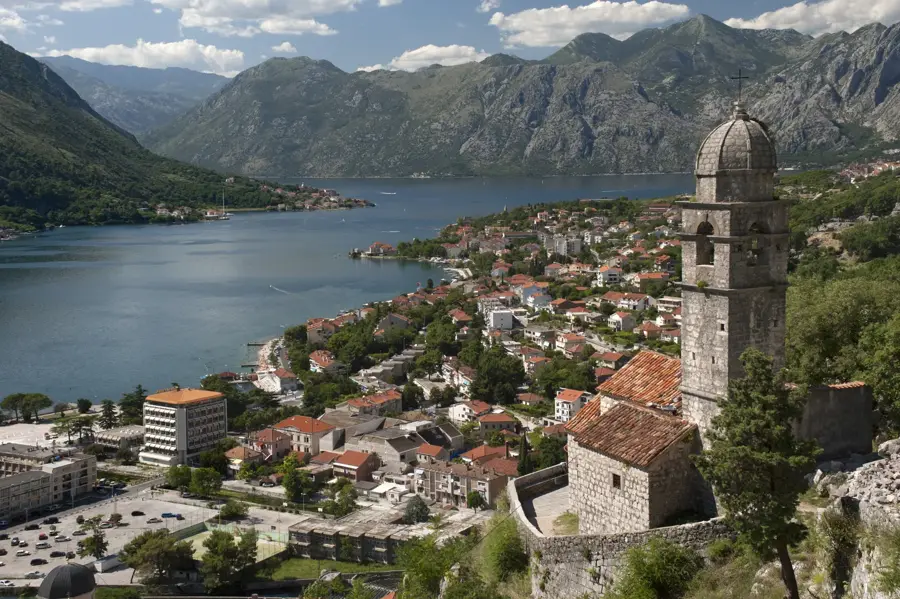
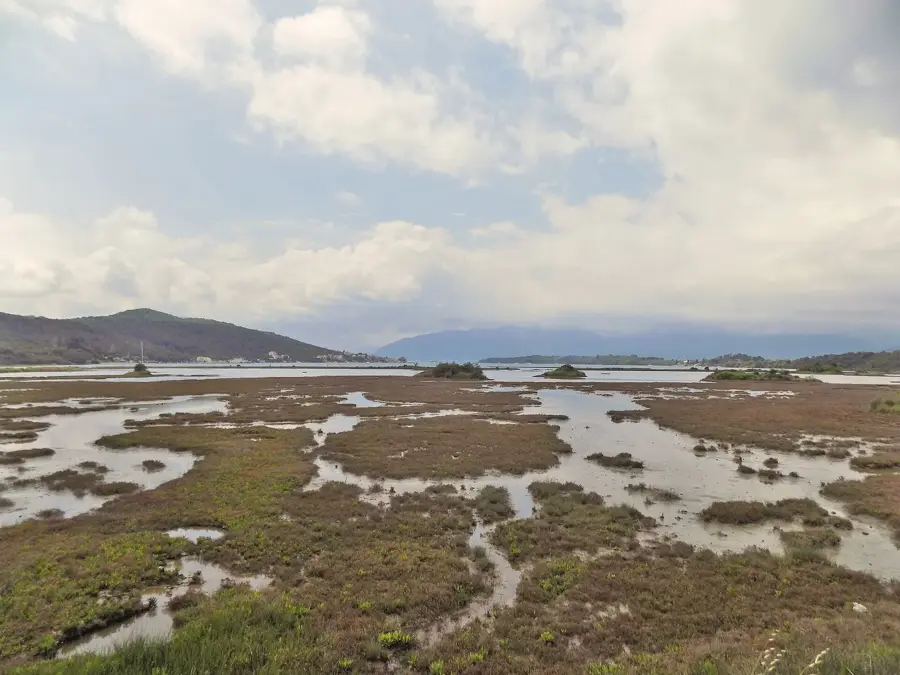
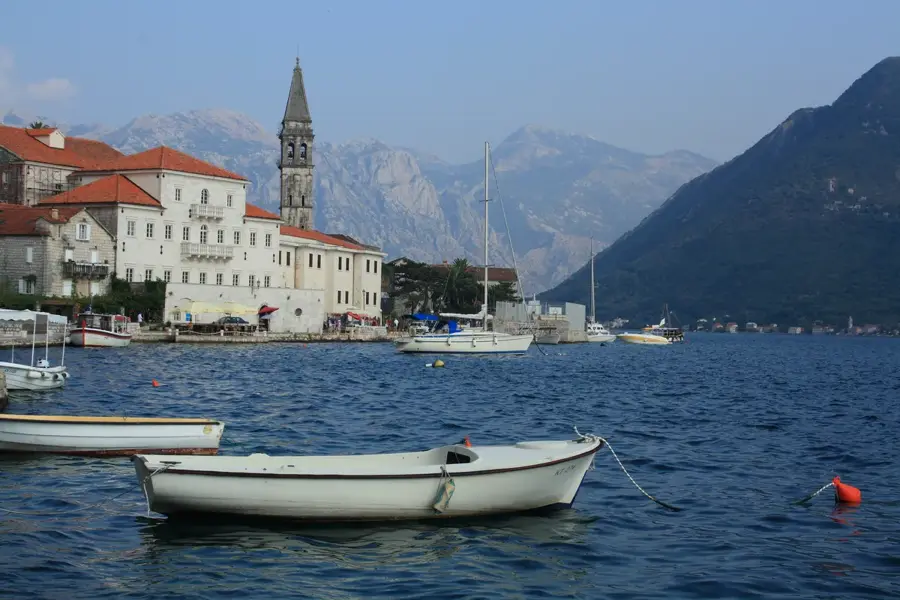
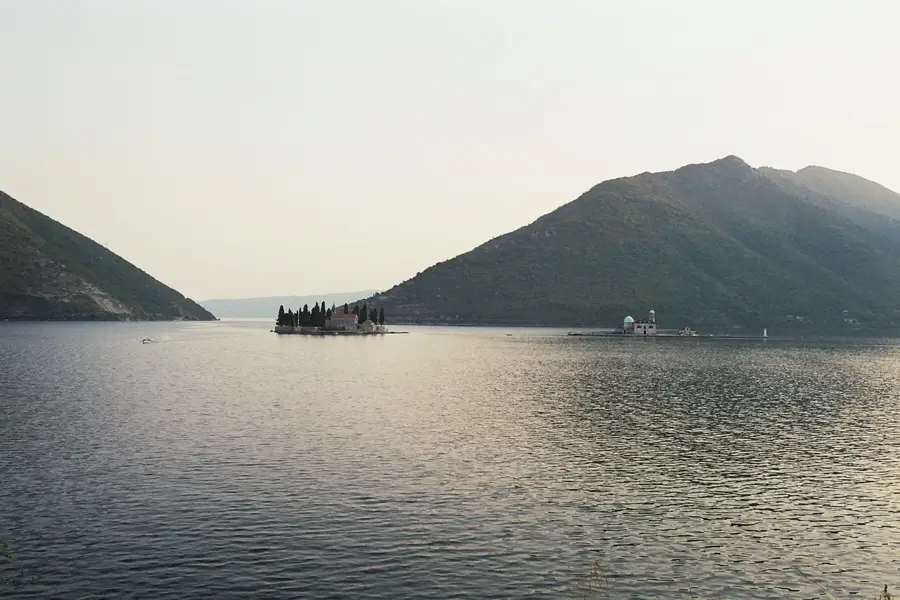
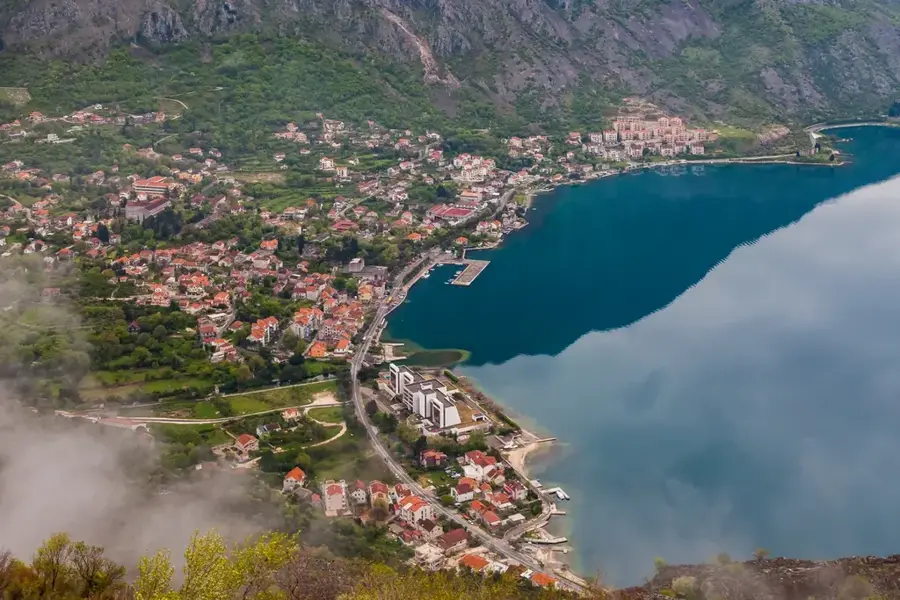
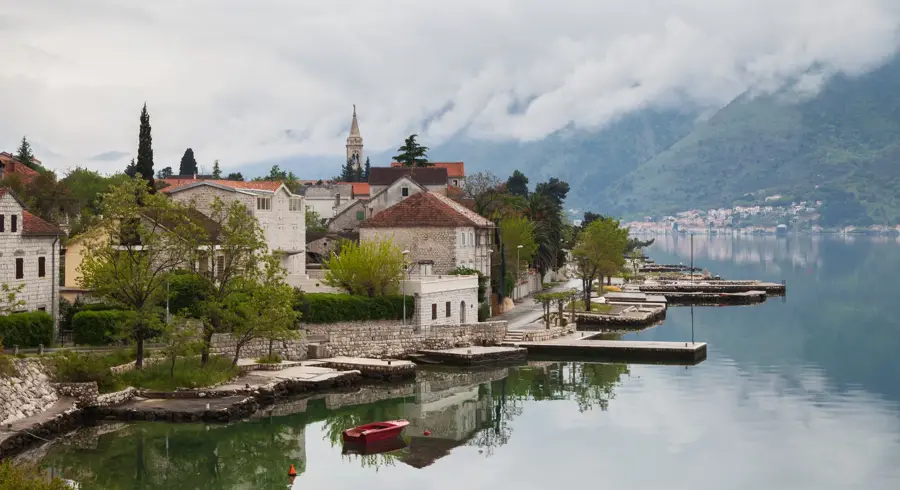
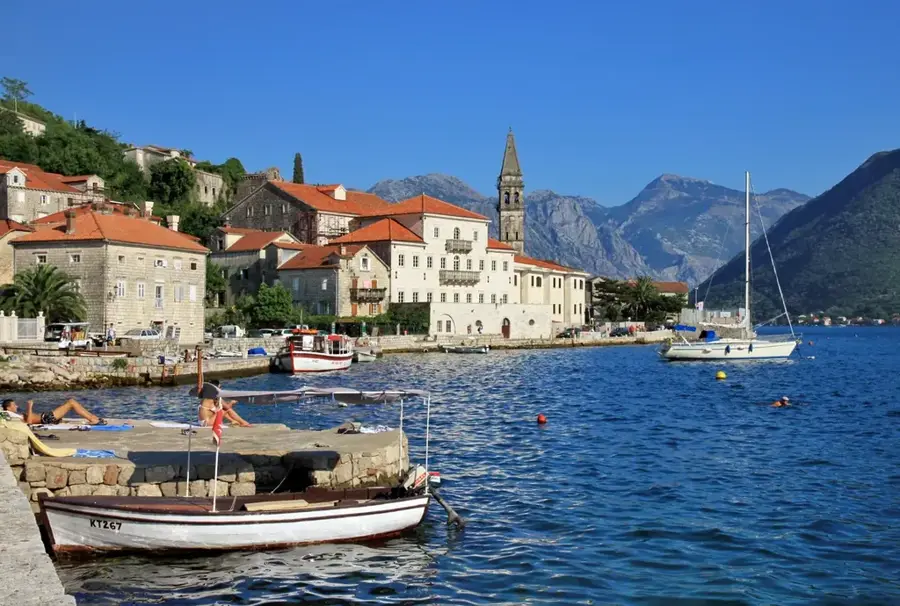
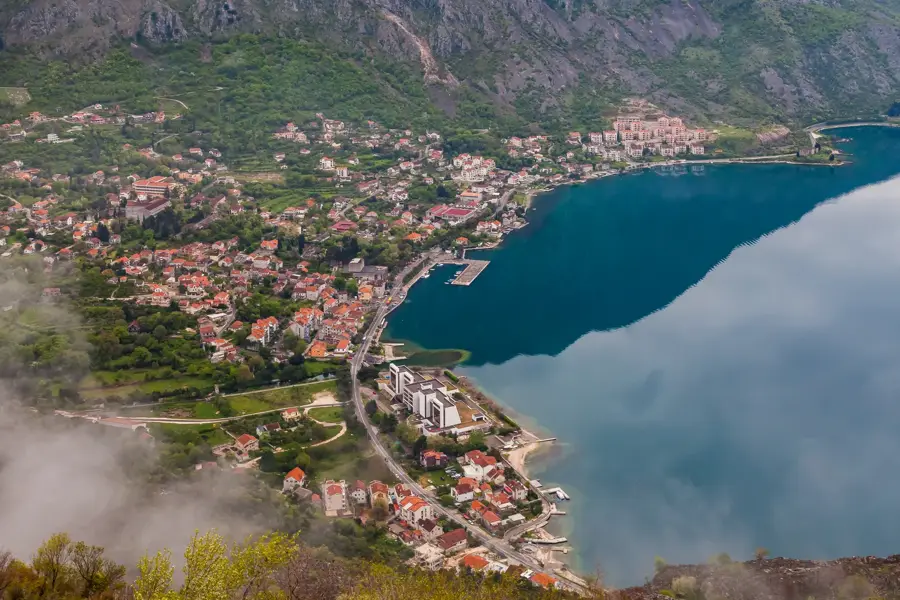
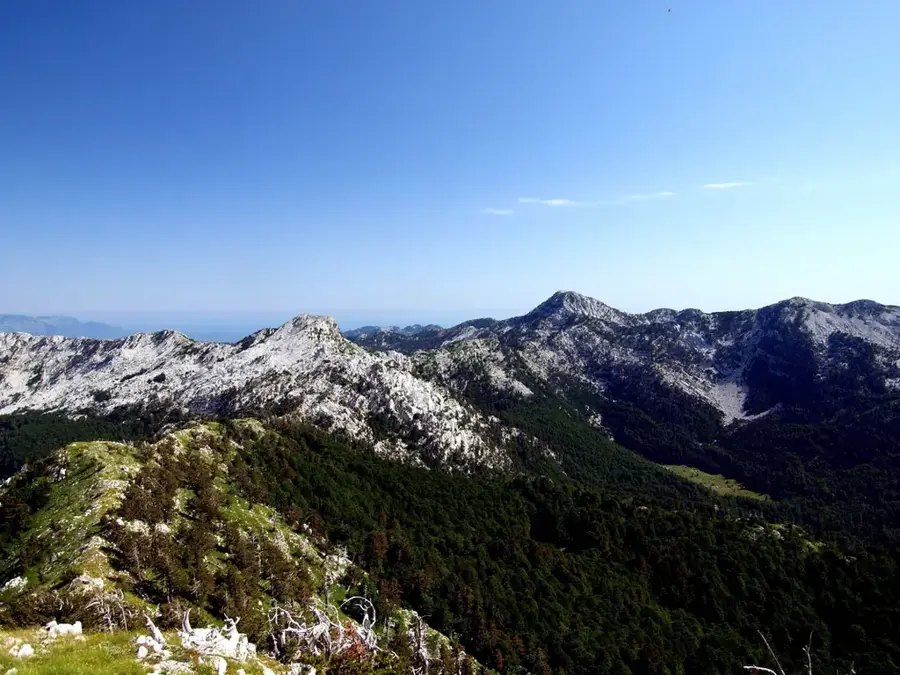
The flora of the Bay of Kotor is characterized by a lush Mediterranean profile, fostered by a subtropical microclimate and high precipitation levels on the mountain slopes. In historical gardens and along coastal paths, exotic plants such as palms, agaves, and camellias thrive, having been originally introduced by seafarers from distant lands. The natural vegetation comprises dense sclerophyllous forests featuring holm oaks, laurel, and wild olive trees. Geographically, the bay forms a fjord-like indentation where humid maritime air meets steep limestone walls, creating handy conditions for ferns and mosses. Historically, the region was a significant hub for the trade of exotic seeds and plants within the Mediterranean basin. Today, preserving coastal vegetation is central to maintaining the landscape's aesthetic integrity amidst increasing tourism and urban development. During spring, the scent of mimosa and oleander becomes a hallmark of the coastal towns.

Best time to visit & climate

The most pleasant time to visit is Jun–Aug.

JanFebMarAprMayJunJulAugSepOctNovDec
Avg °C45812162024241914106
Rain mm15615213810389674243116138187178

📋 Practical info

🧭
Getting there
The forested slopes are usually accessible from various trails originating near the coastal towns. Many paths start directly from the settlements surrounding the Bay of Kotor.
📅
Best season
Spring and autumn are generally the most pleasant seasons to explore the Mediterranean microclimate. Summers can be quite hot, though the evergreen canopy provides some welcome shade.
⛰️
Terrain & paths
The slopes can be surprisingly steep, featuring old stone paths and dirt trails winding through the vegetation. The ground is often a mix of loose soil, fallen leaves, and rocky steps.
🎒
What to bring
Lightweight hiking shoes with decent traction are typically best for these coastal mountain paths. It is usually wise to carry plenty of water and insect repellent during the warmer months.
🅿️
Parking
Vehicles are mostly left in the coastal towns, from where visitors typically start their ascent on foot. Finding parking near the actual trailheads can be very challenging during the busy season.
⚠️
Safety
The primary typical risk is heat exhaustion during the hotter parts of the day on exposed sections. Wildlife, including occasionally venomous snakes, may be present, so watching one's step is advised.
⏱️
Time needed
A typical botanical walk along these slopes generally requires anywhere from two to four hours. The exact time varies depending on how far up the steep mountain flanks visitors choose to climb.

Geography

Coordinates
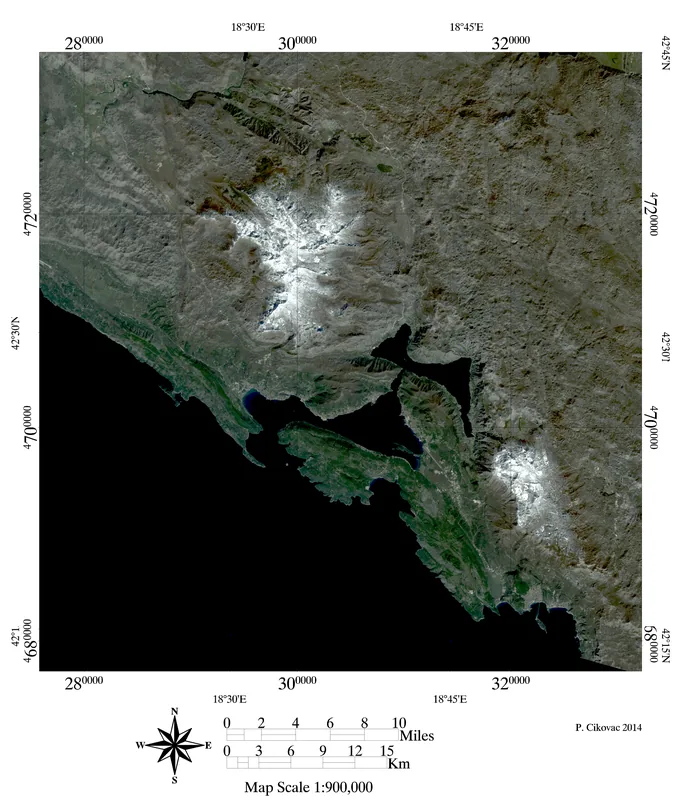
42.48330, 18.75000

Facts

  • The region enjoys a mild, subtropical microclimate.
  • Many exotic plants were historically introduced by seafarers.
  • High humidity levels promote the dense growth of mosses.
  • A famous Mimosa Festival is held annually in the area.
  • Home to centuries-old, traditional olive groves.
  • Dense laurel and holm oak forests cover the mountain slopes.

Explore nearby

Notable places around

Route planner — Car & Motorhome

Where do you start? We build the route here, with stops and country notes along the way.

Vehicle
Only stops with (optional):

© OpenStreetMap contributors · OpenRouteService

Sights in the town Bay of Kotor Flora (2)

Ljuta Beach🎡 recreation

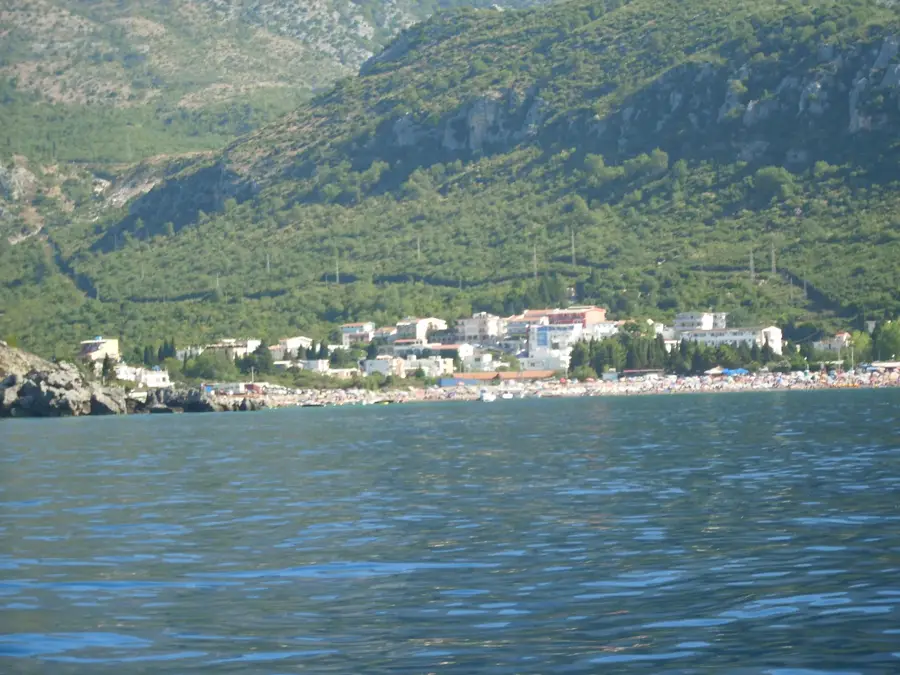
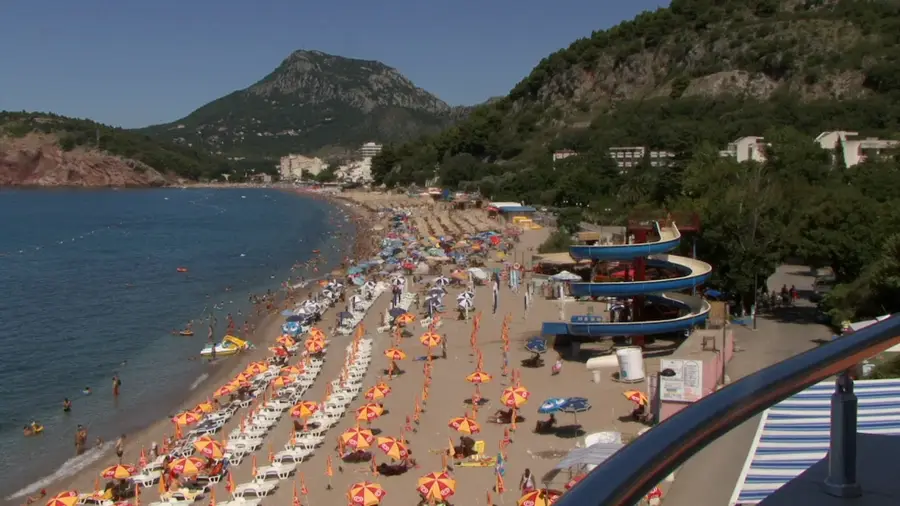
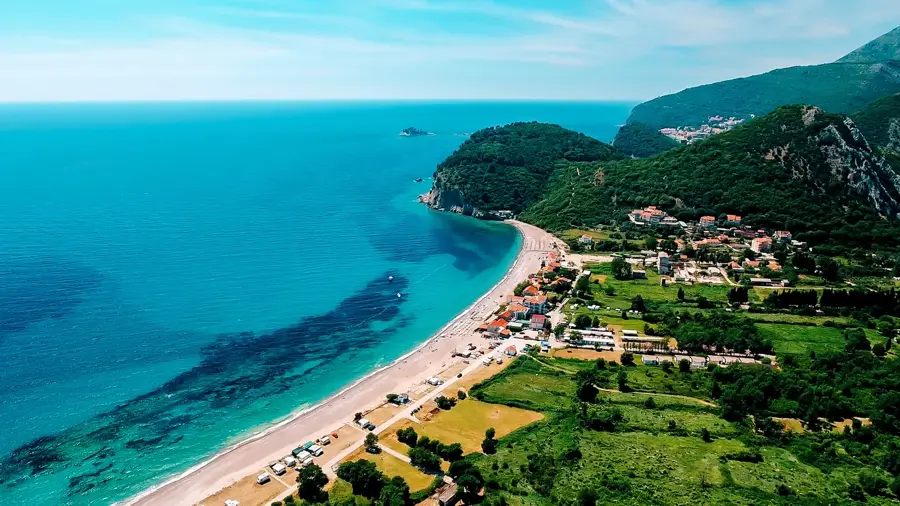
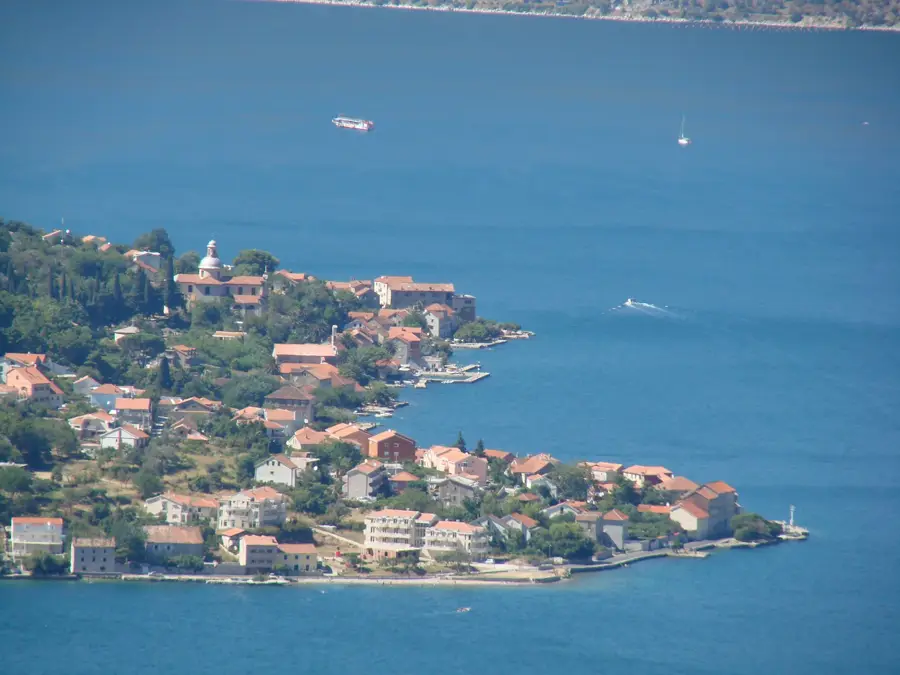
Tucked along the shores of the Bay of Kotor, Ljuta Beach invites visitors into a scenic Montenegrin landscape. The beach provides a lovely setting to swim in the bay's calm waters or bask in the local flora's shade. Expect a welcoming, authentic atmosphere favored by those seeking a relaxing day out. The calm waters are particularly inviting during the warm summer months.

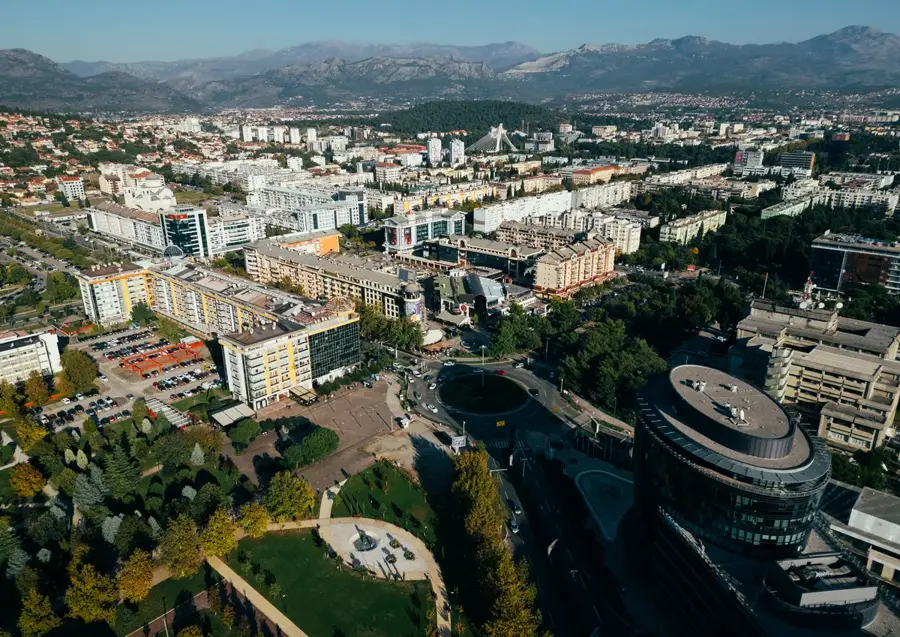
Bajova kula🎡 recreation

Beach below Bajova Kula, on the coast of Kotor Bay.

Sights nearby

Frequently asked questions

What Mediterranean flora is typical for the Kotor Bay?
Citrus fruits, pomegranates, agaves, and the famous camellias of Stoliv define the coastal landscape.
Do wild herbs also grow there?
Yes, sage, rosemary, and bay laurel grow wild on the slopes of the Orjen and Lovćen massifs.
What are the green forests above the bay?
They are often mixed forests of oak and pine, forming a sharp contrast with the gray karst rocks.
When do the camellias bloom?
The camellias bloom in early spring, usually in March, which is celebrated with a local festival.
Are the coastal hiking trails shaded?
Only partially; paths through olive groves offer shade, but many rocky trails are exposed to the sun.
Bay of Kotor Flora: where is it located?
Bay of Kotor Flora is located in Montenegro.
Bay of Kotor Flora: what is there to see?
Highlights include Ljuta Beach, Bajova kula.
Bay of Kotor Flora: when is the best time to visit?
The most pleasant time to visit is Jun, Aug.
Bay of Kotor Flora: why is it worth visiting?
The flora of the Bay of Kotor is characterized by a lush Mediterranean profile, fostered by a subtropical microclimate and high precipitation levels on the mountain slopes.
View on map → The Top 50 Attractions → OpenStreetMap →
Europe
Explore with Plizio Discover more places in Europe
More places in Montenegro →

Nearby cities

History & landmarks

Nature

More places