
Plizio Visual Lab

Ulcinj Agricultural Area

Plizio editorial teamData Sources
village
—°5
Ulcinj Agricultural Area (Montenegro)
ℹ️

Practical info — Ulcinj Agricultural Area

🌤 Weather — 5 days

📍 Nearby

Sights nearby

💡 Tips

  • Buy olive oil directly from the growers in the Valdanos area rather than in tourist shops.
  • Visit the intensive vegetable-growing areas behind Velika Plaza early in the day to avoid the intense summer heat.
  • Combine your agricultural tour with bird watching at the Ulcinj Salina, an old salt production facility turned nature reserve.
  • Many local farmers also produce excellent citrus fruits; keep an eye out for roadside stands.

🍽 Food

🍽
Fresh Watermelons

Grown in the sandy soils near Velika Plaza, they are exceptionally sweet in the summer.

🍽
Olive Oil Dishes

Local restaurants use high-quality homemade olive oil generously in salads and seafood preparations.

🍽
Fresh Seafood

Sample fish caught locally and prepared with homegrown lemons and herbs at seaside taverns.

🛍 Shopping · 🧘 Quiet spots

🛍
Valdanos Olive Oil

Purchase cold-pressed olive oil directly from the ancient groves.

🛍
Ulcinj Green Market

A colorful spot to buy locally grown tomatoes, peppers, and citrus fruits.

🧘
Valdanos Olive Groves

Walk among thousands of ancient olive trees for a deeply peaceful experience.

🧘
Ulcinj Salina

A vast, quiet wetland area great for walking and observing flamingos and other birdlife.

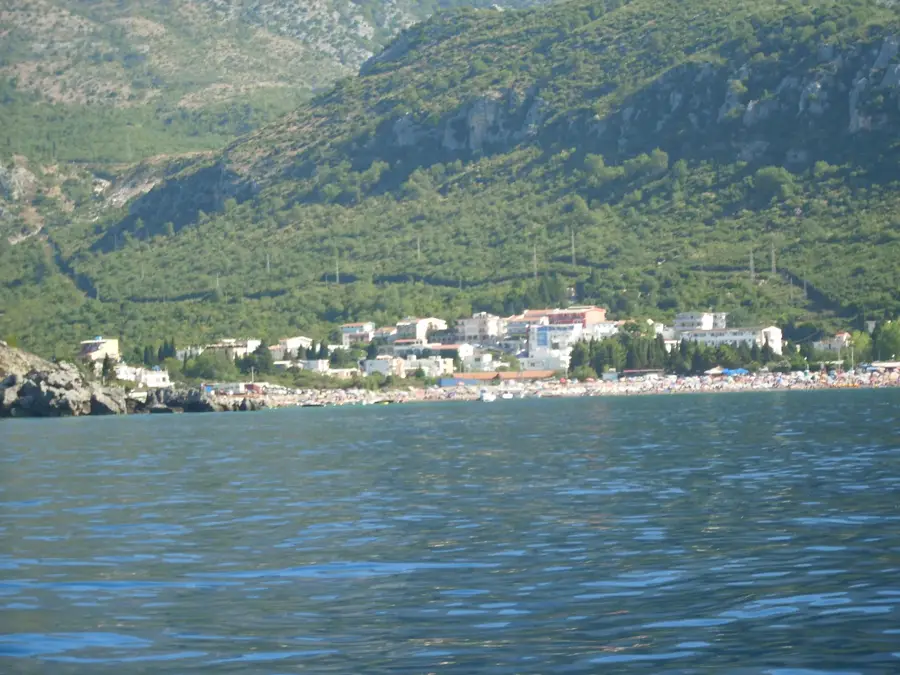
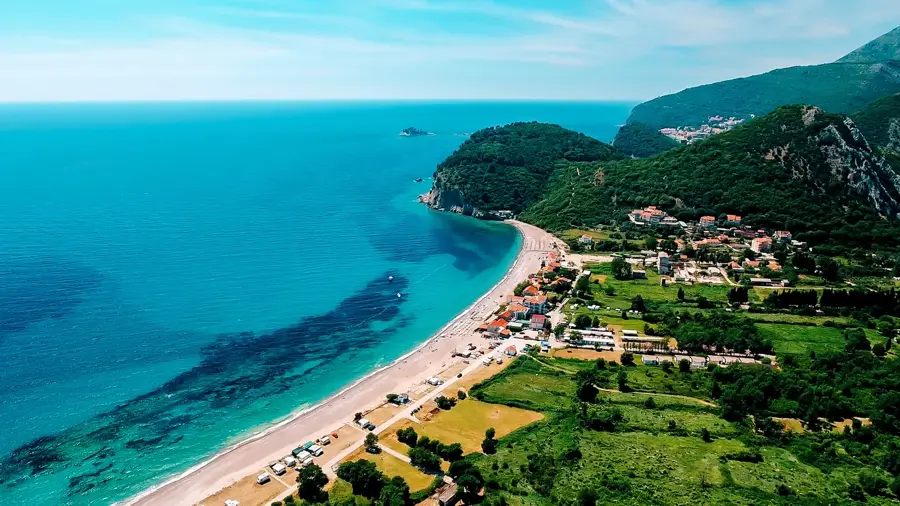
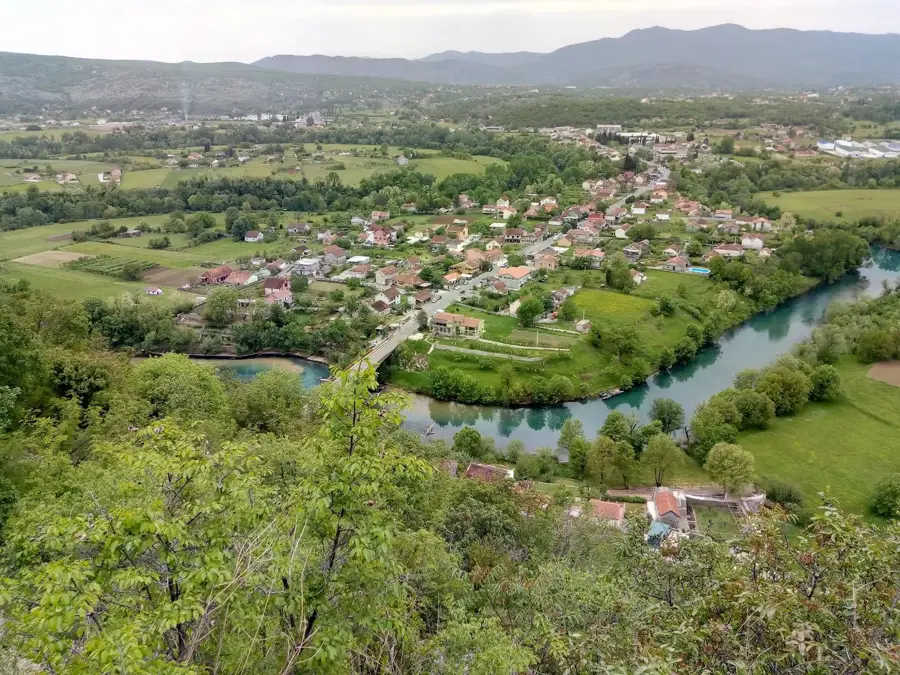
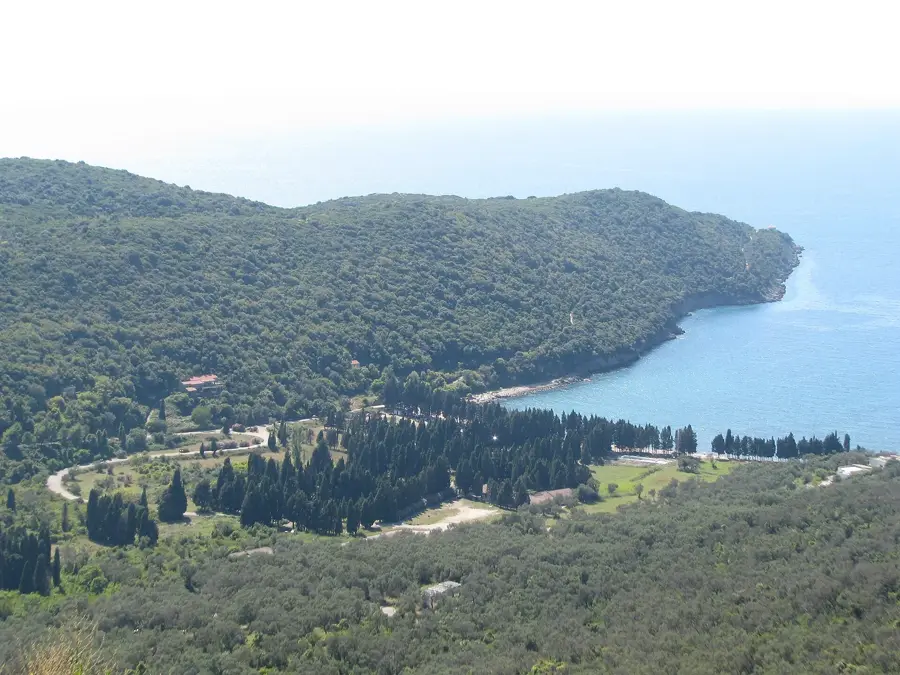
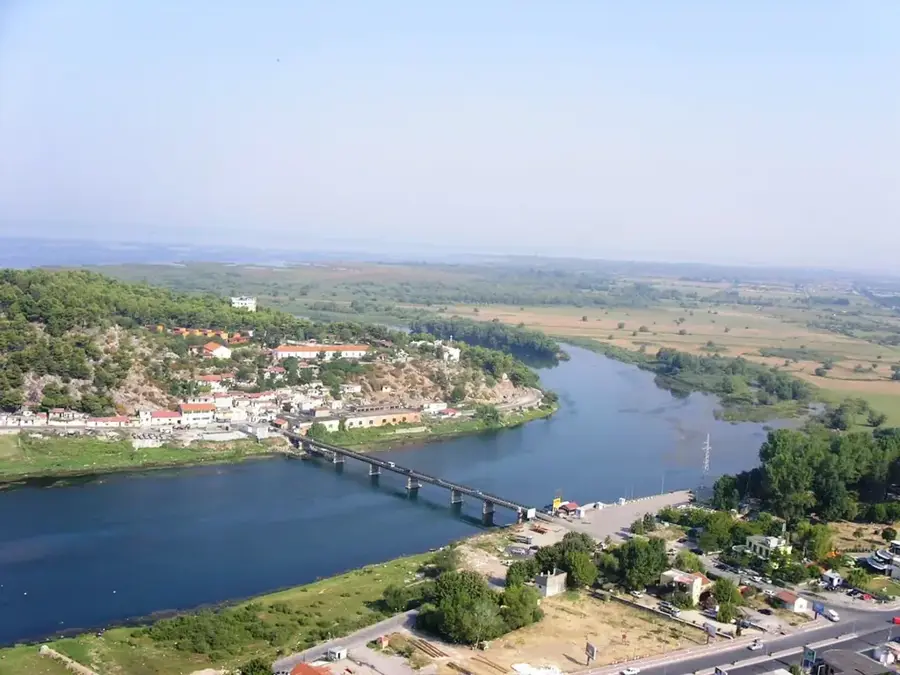
The agricultural area of Ulcinj, particularly surrounding the Velika Plaža (Long Beach), is one of the most productive coastal regions in Montenegro. Its proximity to the Bojana River delta provides optimal climatic conditions for the cultivation of citrus fruits, specifically mandarins and lemons, alongside traditional olive oil production. The sandy soil composition and high annual sunshine duration support intensive farming activities that serve as a cornerstone of the local economy. Historically, the region was also famed for its salt production, with the nearby 'Bajo Sekulić' salt pans once being among the largest in the Balkan Peninsula. Today, the area is increasingly focusing on organic farming practices and the development of sustainable agritourism. The unique combination of vast sandy beaches and fertile agricultural land creates a diverse economic landscape where tourism and primary production are deeply interconnected. Recent investments in modern irrigation infrastructure aim to stabilize crop yields and enhance the export potential of high-quality regional agricultural products.

Best time to visit & climate

The most pleasant time to visit is Jun, Jul, Sep.

JanFebMarAprMayJunJulAugSepOctNovDec
Avg °C671014182326262217128
Rain mm1421311259480573233104126170163

Geography

Population
10,828
Coordinates
41.91670, 19.25000

Facts

  • The Ulcinj region produces over 60% of Montenegro's total citrus fruit output.
  • There are more than 80,000 olive trees cultivated in the Ulcinj area.
  • The nearby salt pans cover an expansive area of about 15 square kilometers.
  • Ulcinj receives an average of more than 2,500 sunshine hours annually.
  • The Bojana delta is a crucial ecological sanctuary for various migratory birds.
  • Agriculture stands as the second most vital economic sector after tourism.

Explore nearby

Notable places around

Route planner — Car & Motorhome

Where do you start? We build the route here, with stops and country notes along the way.

Vehicle
Only stops with (optional):

© OpenStreetMap contributors · OpenRouteService

Sights in the town Ulcinj Agricultural Area (5)

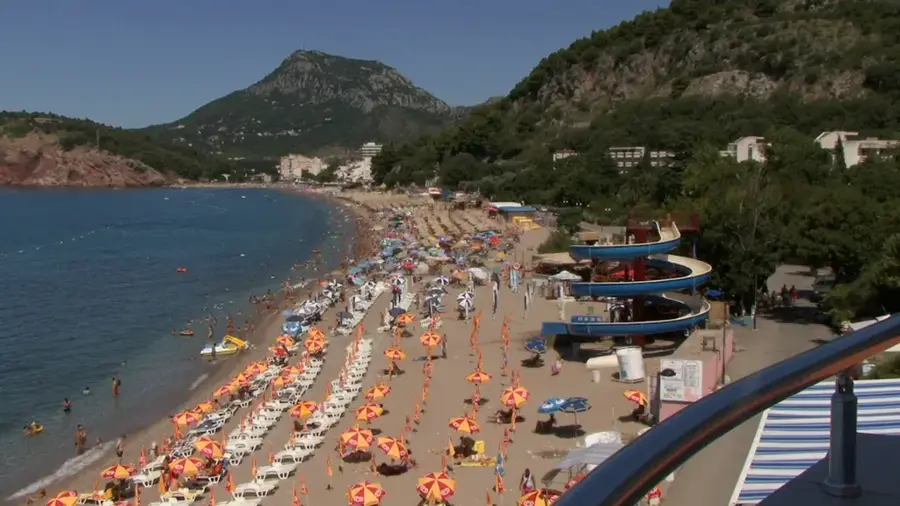
MarBuena Beach🎡 recreation

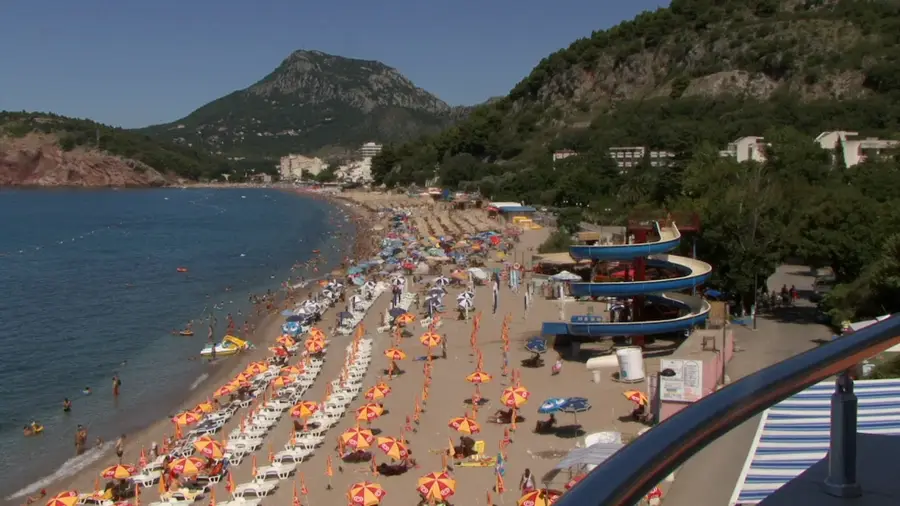
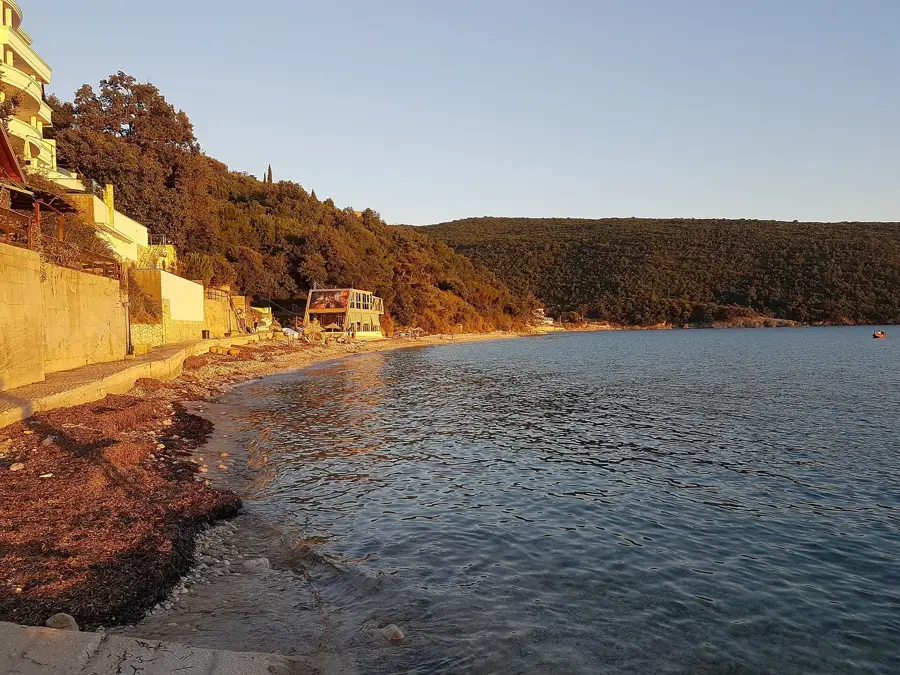
MarBuena Beach stretches picturesquely in the rural region of Ulcinj, offering wide spaces for coastal lovers. This appealing spot is convenient for long beach days with family and friends. The gentle breeze of the Mediterranean provides a pleasant cooldown even on hot summer days.

Pearl Beach🎡 recreation

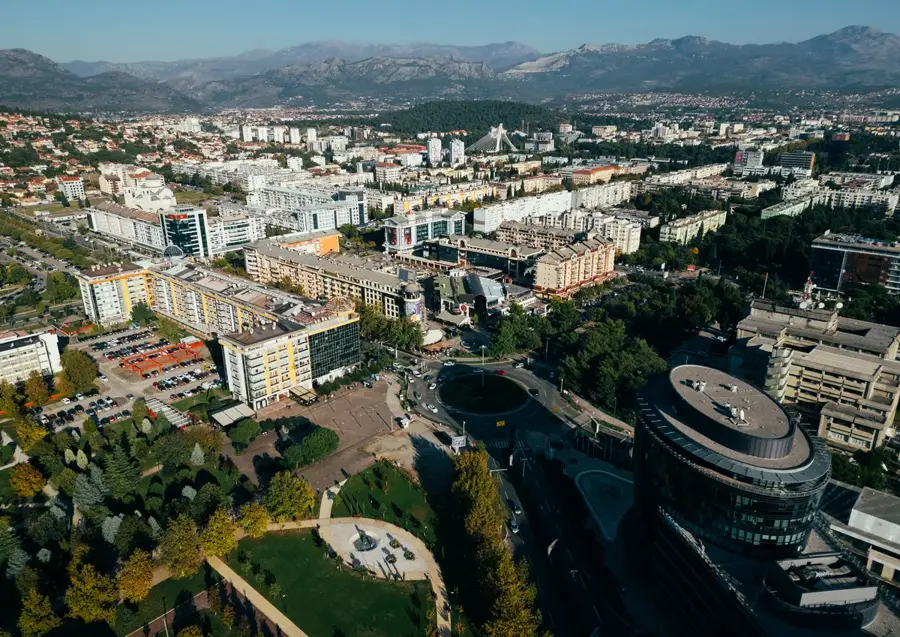
Located in the agricultural surroundings of Ulcinj, Pearl Beach is a pleasant coastal destination in Montenegro. The peaceful beach setting invites you to spend relaxing hours swimming and sunbathing. For a first-rate day at the beach, it is recommended to bring your own sun loungers and refreshments.

Otrant Beach🎡 recreation

Otrant Beach has a wonderful location in the coastal region near Ulcinj, exuding a relaxed holiday vibe. The expansive coastal landscape is a magnet for water lovers and those seeking relaxation alike. A late afternoon stroll allows visitors to fully enjoy the gentle sea breeze.

Lopa Davas👨‍👩‍👧 family

A small animal park or petting zoo in the Ulcinj region.

Lutovac Amusement Park👨‍👩‍👧 family

A small amusement park for families in the Ulcinj area.

Frequently asked questions

What is grown in the Ulcinj agricultural area?
The region is famous for its olive groves, citrus fruits, and viticulture.
How old are the olive trees in Ulcinj?
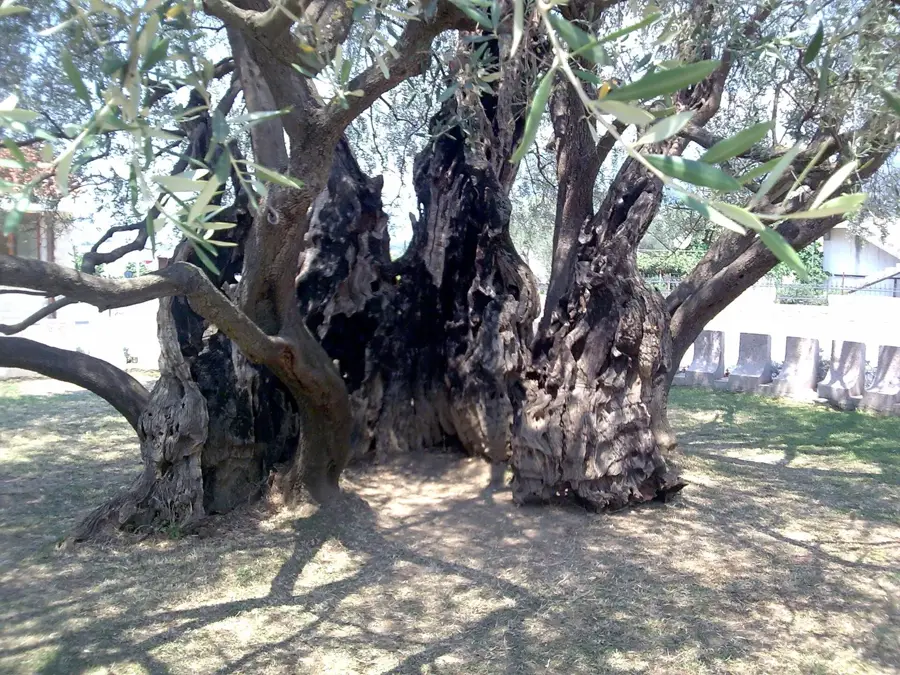
Some trees in the Valdanos groves are over 2,000 years old.
Can you buy local olive oil?
Yes, many local producers sell high-quality olive oil directly from their farms or at the market.
Does the Ulcinj saltworks affect agriculture?
The saltworks creates a specific microclimate that shapes the surrounding grazing lands.
What role does livestock farming play?
In the plains behind Velika Plaža, livestock farming, especially cattle raising, is traditionally practiced.
Ulcinj Agricultural Area: where is it located?
Ulcinj Agricultural Area is located in Montenegro.
Ulcinj Agricultural Area: what is there to see?
Highlights include MarBuena Beach, Pearl Beach, Otrant Beach.
Ulcinj Agricultural Area: when is the best time to visit?
The most pleasant time to visit is Jun, Jul, Sep.
Ulcinj Agricultural Area: why is it worth visiting?
The agricultural area of Ulcinj, particularly surrounding the Velika Plaža (Long Beach), is one of the most productive coastal regions in Montenegro.
View on map → The Top 50 Attractions → OpenStreetMap →
Europe
Explore with Plizio Discover more places in Europe
More places in Montenegro →

Nearby cities

History & landmarks

Nature

More places