Plizio Visual Lab
National Museum of Ethnography and Natural History
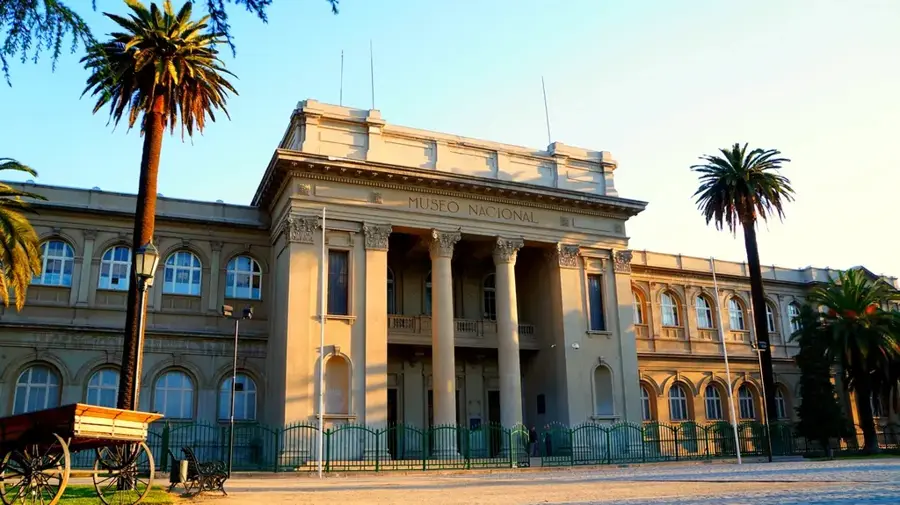
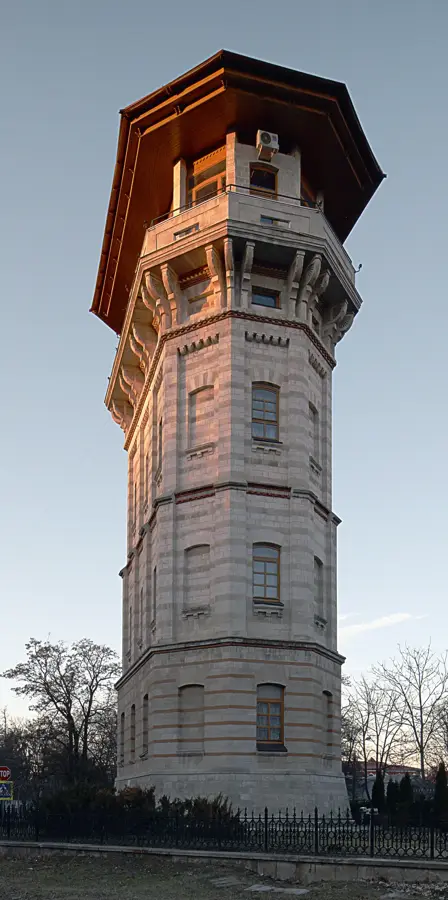
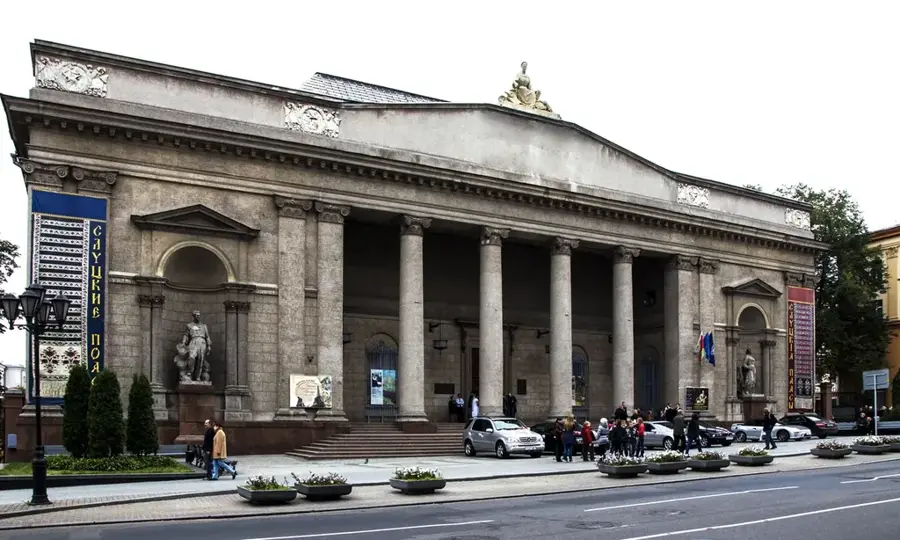
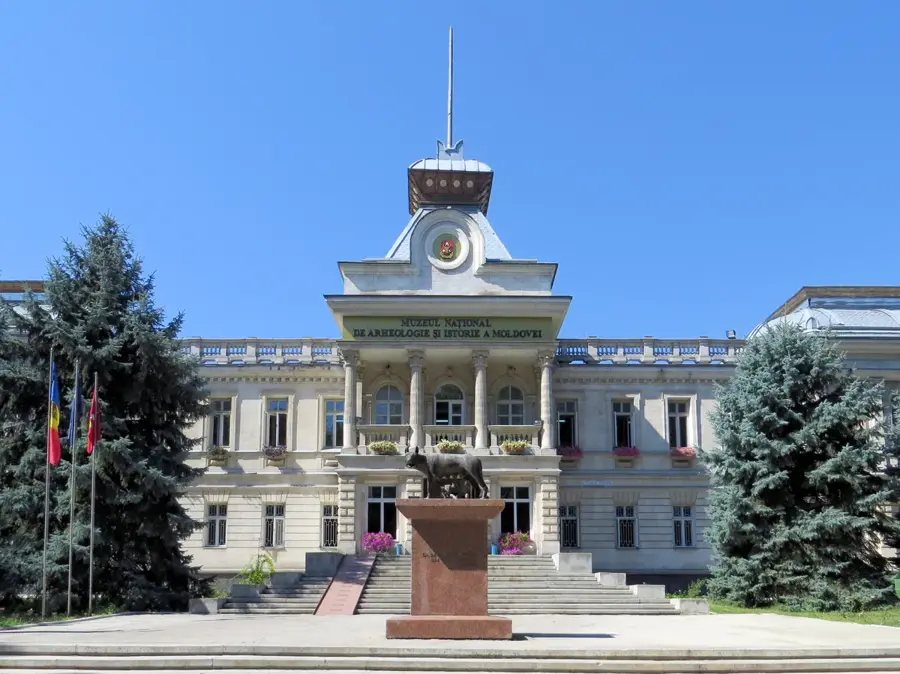
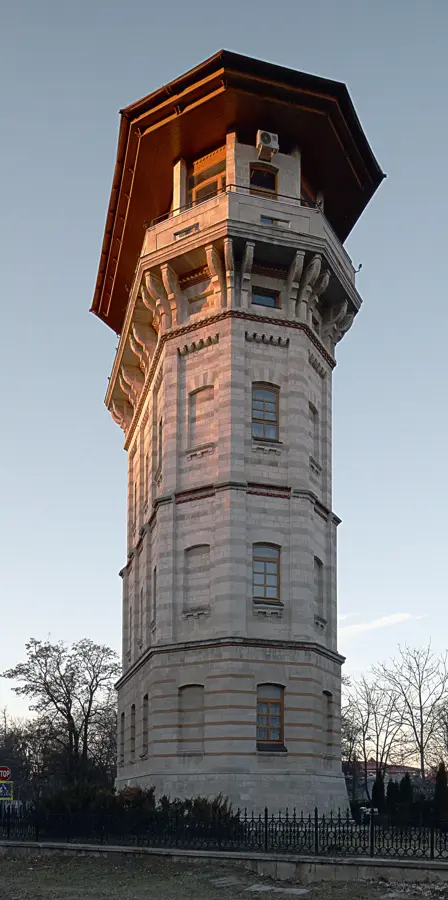
The National Museum of Ethnography and Natural History in Chișinău is the oldest museum in Moldova, established in 1889. It is famous for its extraordinary building designed by architect Vladimir Tsyganko in a distinct Moorish style, featuring oriental motifs and intricate stonework. The museum's collection is divided into natural history, documenting the region's flora, fauna, and geology, and ethnography, showcasing the traditional Moldovan way of life. The most iconic exhibit is the complete skeleton of a prehistoric Deinotherium, a giant proboscidean discovered in the Moldovan soil, which remains a marvel of paleontology. Within the ethnographic halls, visitors can admire extensive collections of traditional hand-woven rugs, intricate folk costumes, and ancient household tools that demonstrate the craftsmanship of Bessarabian peasants. The museum grounds also include a botanical garden and a vivarium, enhancing its role as a premier educational site. As a major scientific hub, it leads research in biodiversity and cultural preservation, offering a comprehensive look at how nature and culture have shaped the Moldovan landscape over millennia.
- Location: Moldova
- Top sights: Zpace · Art-Labyrinth · National Museum of Ethnography and Natural History
- Nearby: Durlești (4 km)
Best time to visit & climate
The most pleasant time to visit is Jun, Aug, Sep.
| Jan | Feb | Mar | Apr | May | Jun | Jul | Aug | Sep | Oct | Nov | Dec | |
|---|---|---|---|---|---|---|---|---|---|---|---|---|
| Avg °C | -4 | -2 | 4 | 10 | 17 | 21 | 24 | 24 | 18 | 10 | 4 | -2 |
| Rain mm | 41 | 33 | 38 | 40 | 52 | 70 | 61 | 36 | 39 | 46 | 42 | 40 |
📋 Practical info
Geography
Facts
- Established in 1889, the oldest museum in the country
- Features a unique Moorish-style architectural design
- Displays the full skeleton of a prehistoric Deinotherium
- Specializes in Bessarabian folk arts and crafts
- Maintains a small botanical garden and live vivarium
- Designed by the prominent architect Vladimir Tsyganko
Explore nearby
Notable places around
Route planner — Car & Motorhome
Where do you start? We build the route here, with stops and country notes along the way.
© OpenStreetMap contributors · OpenRouteService
Sights in the town National Museum of Ethnography and Natural History (10)
Art-Labyrinth
Art-Labyrinth is a cultural project in Chișinău, Moldova, where music, vegetarian food, dance, yoga, tea and coffee meet.
National Museum of Ethnography and Natural History🏛 museum
The National Museum of Ethnography and Natural History is a historical and architectural monument of national importance in Moldova.
Garden of the National Museum of Ethnography and Natural History
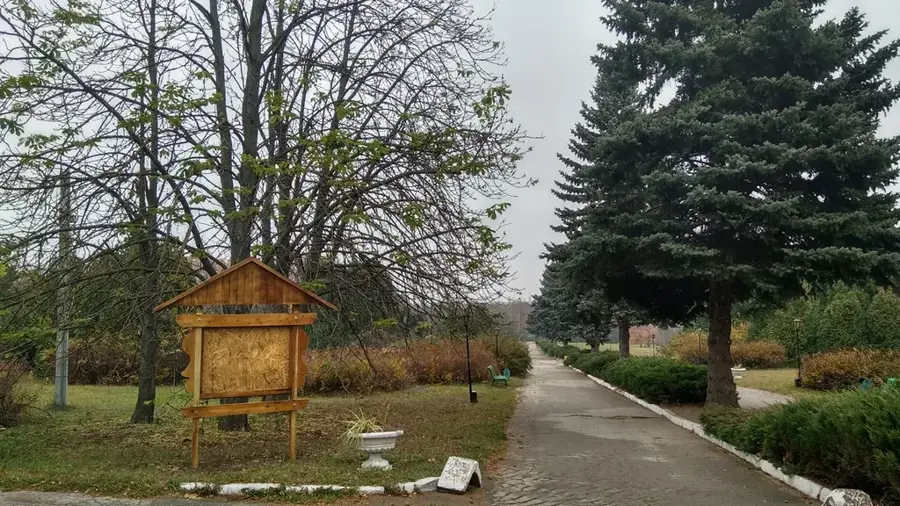
The garden of the National Museum of Ethnography and Natural History in Chișinău is a green area with botanical collections.
Vivarium of the National Museum of Ethnography and Natural History
The vivarium of the National Museum of Ethnography and Natural History in Chișinău displays live animals for research.
Palace of the Republic🏰 castle
The Palace of the Republic in Chișinău is a multi-purpose hall for concerts and events.
Geneza Art Theatre
Geneza Art Theatre in Chișinău is a venue for experimental theater performances and art.
Old Chișinău Photos
The Old Chișinău Photos exhibition shows historical photographs of the city and its development.
Rotonda
The Rotonda in Chișinău is an open pavilion, often used for cultural events.
Sights nearby
Frequently asked questions
Why is the museum building architecturally significant?
What is the highlight of the natural history section?
Is there a botanical garden at the museum?
Are the exhibits suitable for children?
Is there a craft shop?
National Museum of Ethnography and Natural History: where is it located?
National Museum of Ethnography and Natural History: what is there to see?
National Museum of Ethnography and Natural History: when is the best time to visit?
National Museum of Ethnography and Natural History: why is it worth visiting?

Nearby cities
History & landmarks
More places