Plizio Visual Lab
Bic River
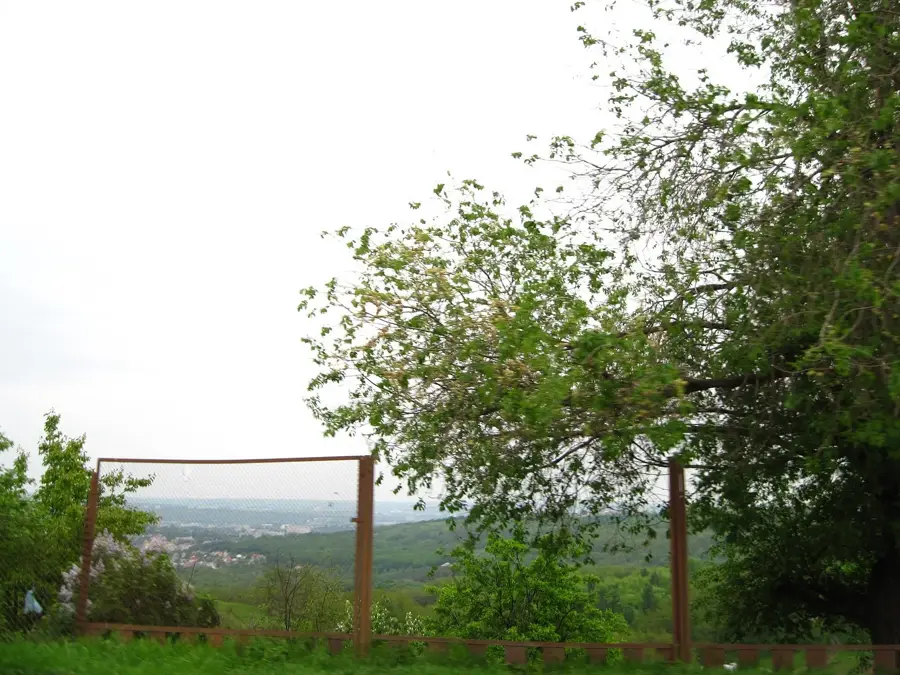
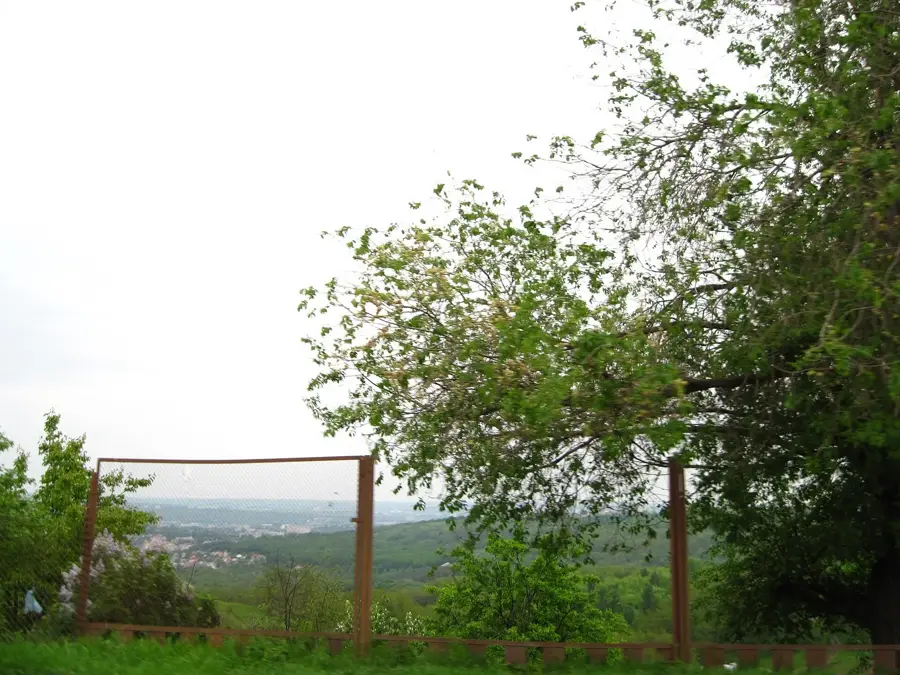
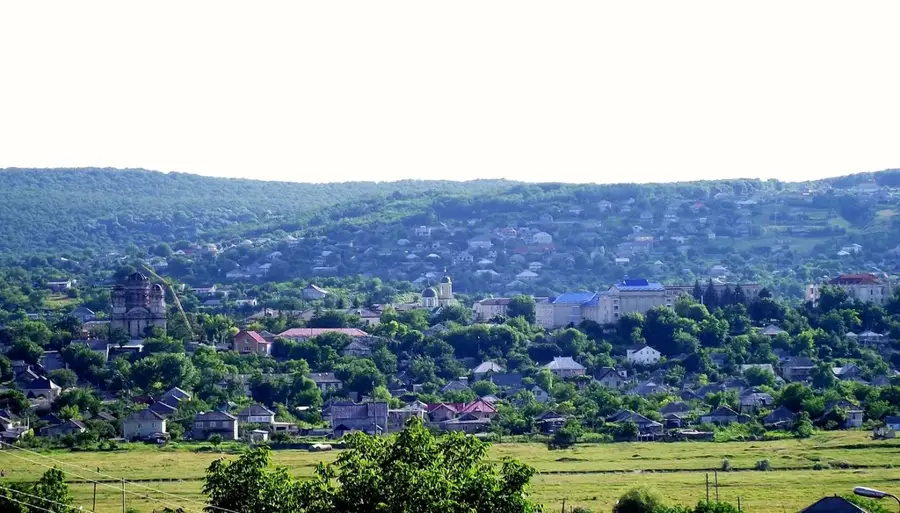
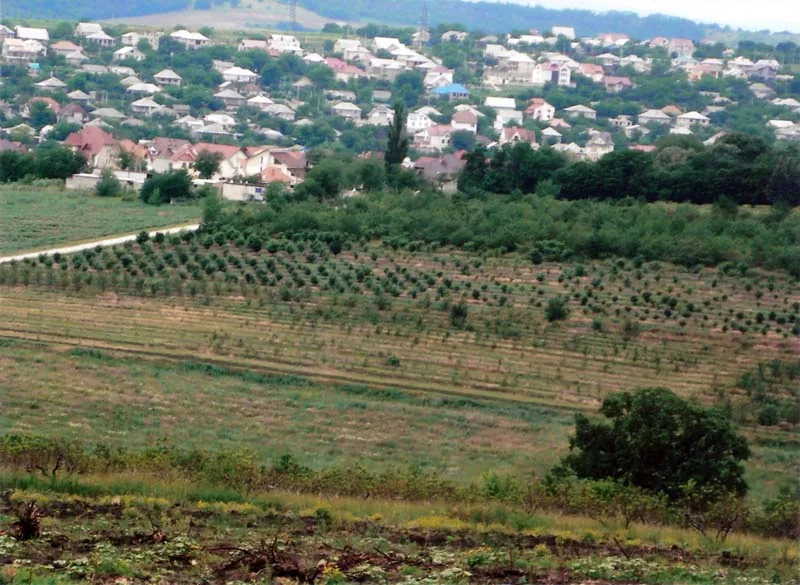
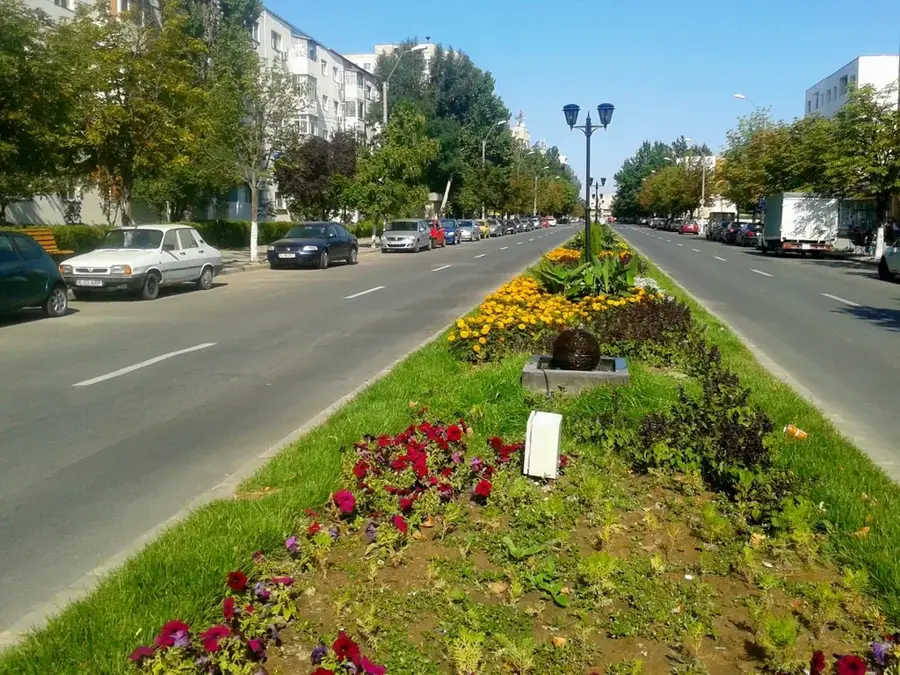
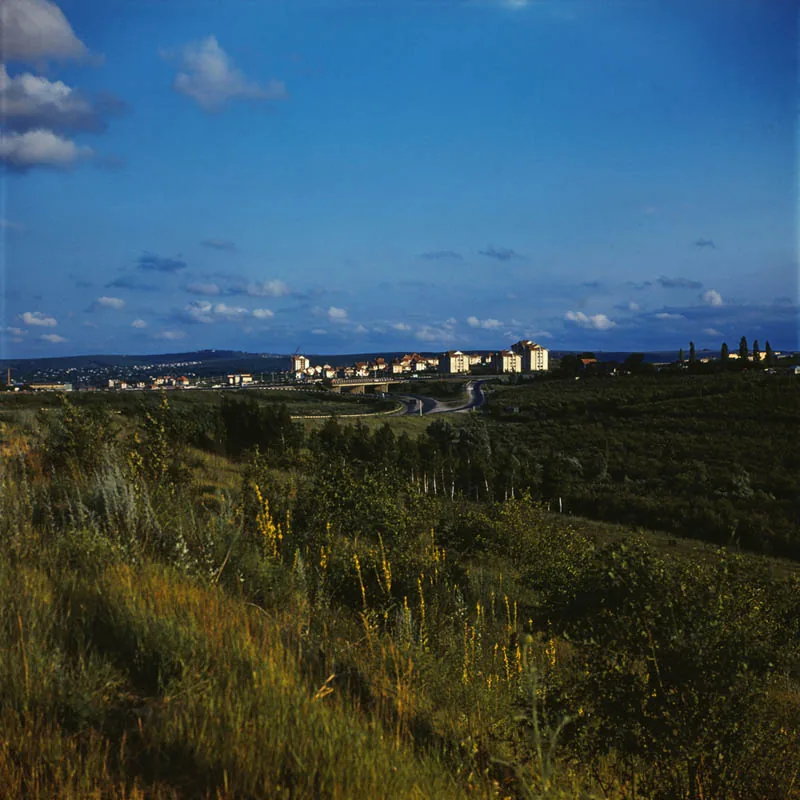
The Bîc is a significant right-bank tributary of the Dniester River, flowing through the central highlands of the Republic of Moldova. It originates in the Codri forest region in the Călărași District and travels approximately 155 kilometers to its mouth. The river is most famous for hosting the national capital, Chișinău, on its banks, making it the country's most prominent urban waterway. Geographically, the Bîc traverses diverse landscapes, ranging from hilly forested areas to agricultural plains in its lower reaches. The river played a crucial role in the settlement history of central Moldova, serving for centuries as a vital water source and a local transport route. In modern times, the Bîc faces substantial ecological challenges, particularly from urban and industrial runoff. Nevertheless, ongoing efforts are directed toward the revitalization of the riverbed and the protection of the fluvial ecosystem to preserve its ecological function and recreational value for the capital's residents.
- Location: Moldova
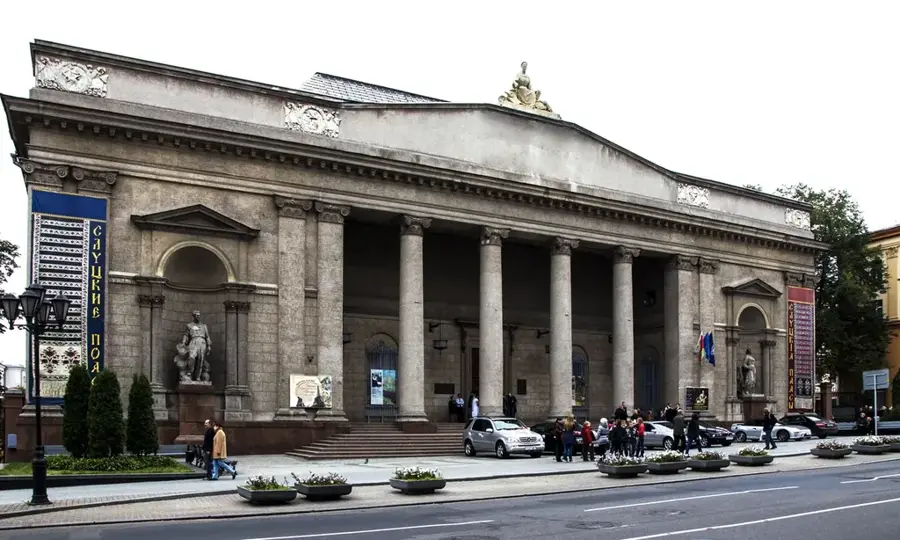
- Top sights: Zard Art Lab · Romantic Place · Teatrul Epic de Etnografie si Folclor ,,Ion Creanga"
- Nearby: Chișinău (5 km)
Best time to visit & climate
The most pleasant time to visit is Jun, Aug, Sep.
| Jan | Feb | Mar | Apr | May | Jun | Jul | Aug | Sep | Oct | Nov | Dec | |
|---|---|---|---|---|---|---|---|---|---|---|---|---|
| Avg °C | -4 | -2 | 4 | 10 | 17 | 21 | 24 | 24 | 18 | 10 | 4 | -2 |
| Rain mm | 41 | 33 | 38 | 40 | 52 | 70 | 61 | 36 | 39 | 46 | 42 | 40 |
📋 Practical info
Geography
Facts
- The total length of the Bîc River is approximately 155 kilometers.
- The river's drainage basin covers an area of about 2,150 square kilometers.
- Within Chișinău, the riverbed has been partially canalized and reinforced.
- The Ghidighici Reservoir on the Bîc is used for flood control and recreation.
- The average discharge at the river's mouth is roughly 1 cubic meter per second.
- The Bîc empties into the Dniester River near the village of Gura Bâcului.
Explore nearby
Notable places around
Route planner — Car & Motorhome
Where do you start? We build the route here, with stops and country notes along the way.
© OpenStreetMap contributors · OpenRouteService
Sights in the town Bic River (10)
Monument al Naturii ,,Stejar Penduculuat 457 de ani"
Natural monument: a 457-year-old oak tree in Chișinău.
Plaja ,,Valea Morilor"
Beach on the lake in Valea Morilor Park, Chișinău.
Luptătorilor pentru puterea sovietică
Monument to the fighters for Soviet power in Chișinău.
Memorialul Gloriei Militare
Military glory memorial in Chișinău.
Monument dedicat celor care au întemeiat Brigada 2 infanterie motorizată
Monument to the founders of the 2nd Motorized Infantry Brigade in Chișinău.
Green Theatre
Open-air theatre in Valea Morilor Park, Chișinău.
Sights nearby
Frequently asked questions
Does the Bîc river flow through Chișinău?
Can you fish in the Bîc river?
Where does the river originate?
Are there parks along the riverbank?
Does the Bîc flow into the Nistru?
Bic River: where is it located?
Bic River: what is there to see?
Bic River: when is the best time to visit?
Bic River: why is it worth visiting?

Nearby cities
History & landmarks
More places