Plizio Visual Lab
Djenné Garden District
Weather…
Water temperature…
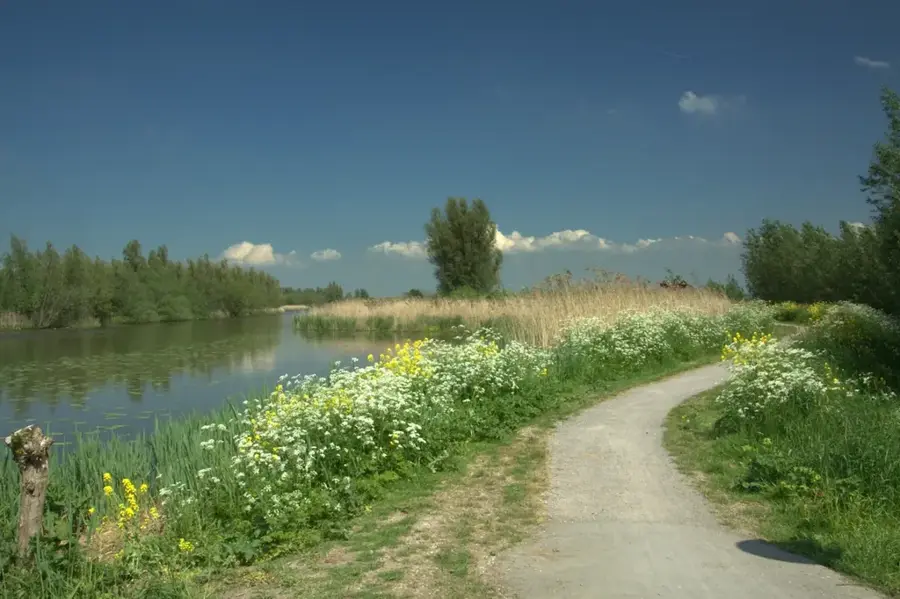
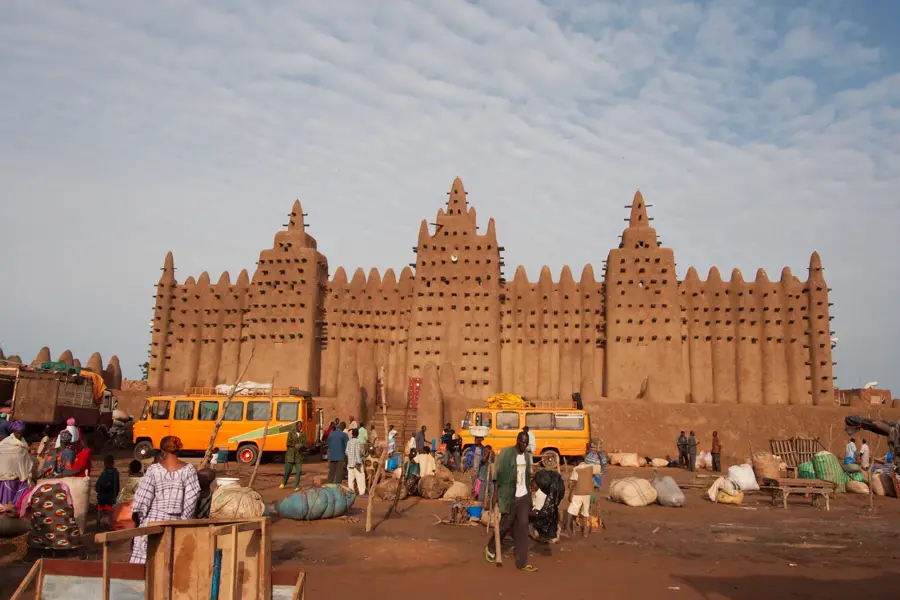
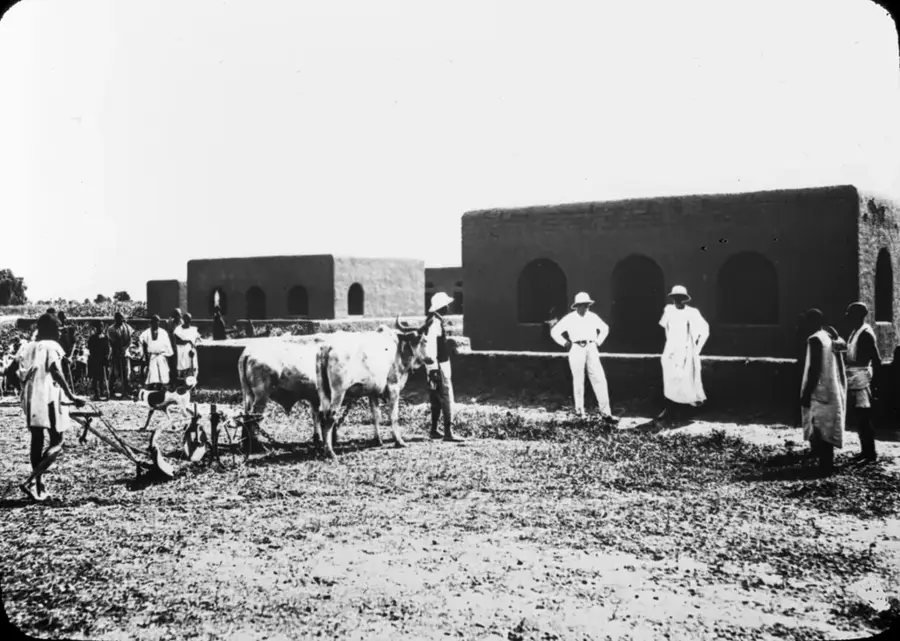
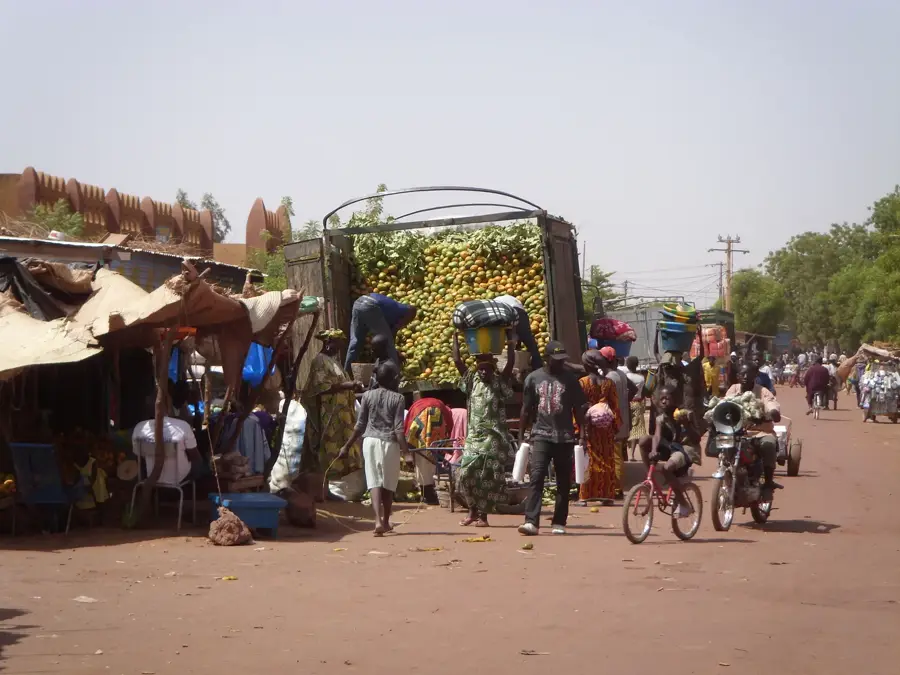
The garden district of Djenné extends along the banks of the Bani River, forming a productive green belt around the historic mud-brick city, a UNESCO World Heritage site. This zone is characterized by intensive horticultural use, where farmers utilize the fertile alluvial soils to grow vegetables such as onions, carrots, and lettuce for local markets. Irrigation is traditionally managed through hand-dug channels and lift systems that direct river water to the fields during the dry season. Historically, this agricultural zone was crucial for supplying the city, which has been a center of trans-Saharan trade since the 9th century. The gardens provide not only food security but also serve as a cool refuge in the hot semi-arid landscape. Despite its importance to the local economy, the garden district faces challenges from seasonal flooding and the need to balance modern cultivation methods with the preservation of the historic urban fabric.
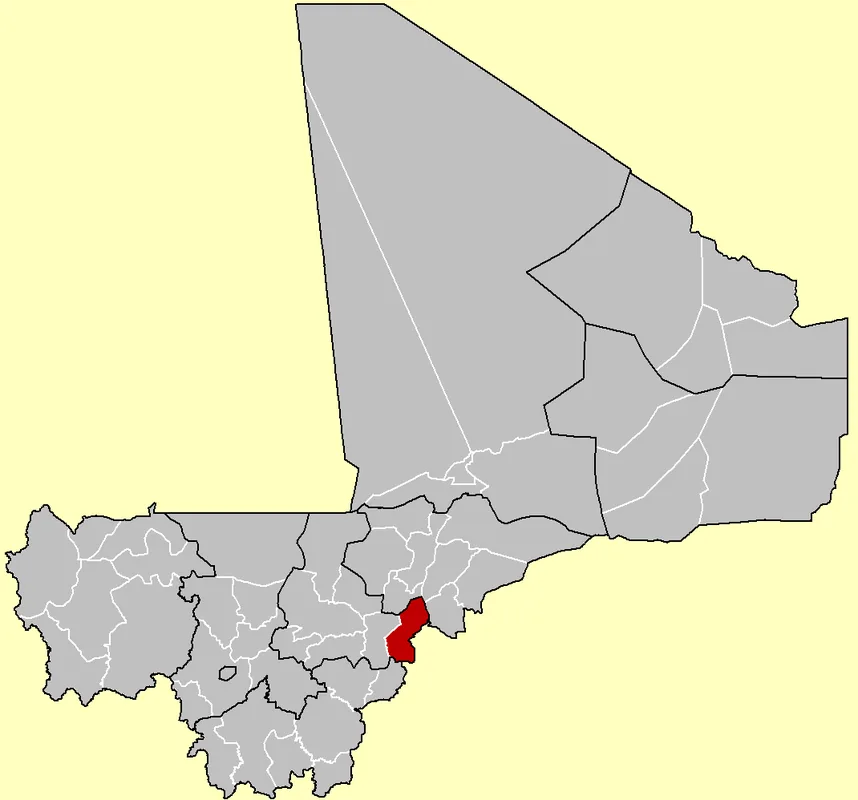
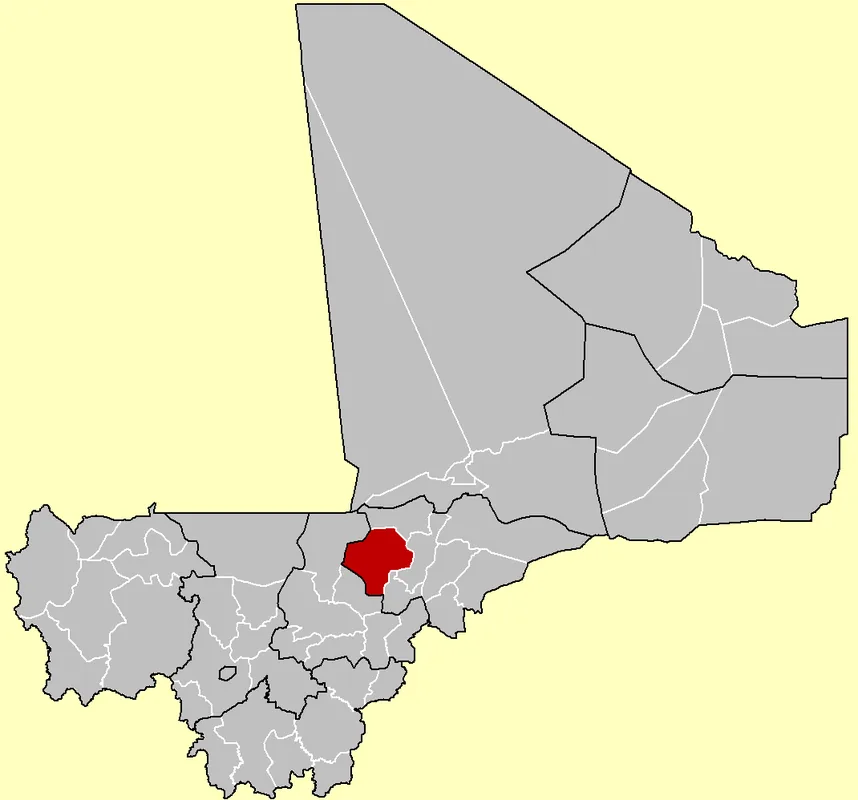
- Location: Mali
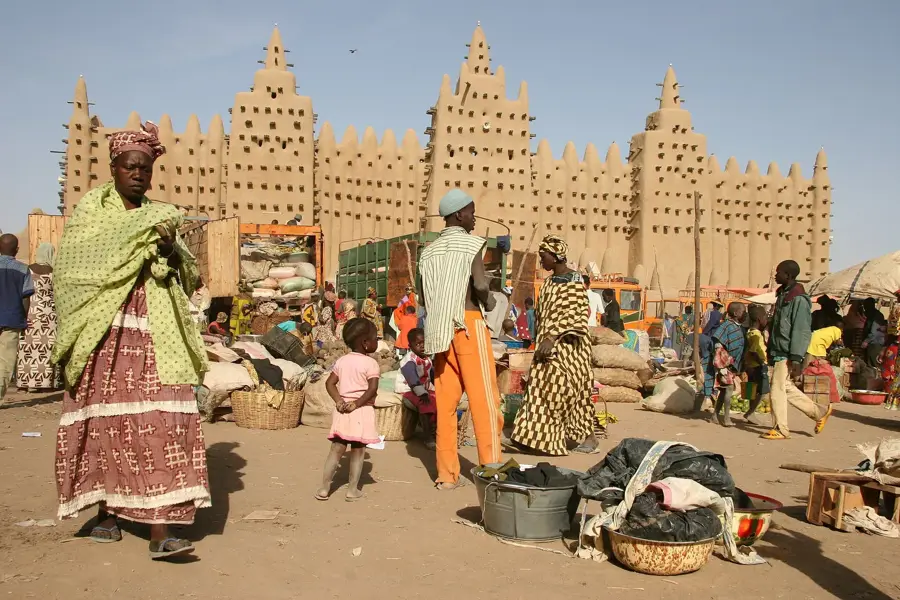
- Top sights: Tonombo · Great Mosque of Djenné · Musée de Djenné
- Nearby: Sofara (42 km)
Best time to visit & climate
The most pleasant time to visit is Jan, Feb, Dec.
| Jan | Feb | Mar | Apr | May | Jun | Jul | Aug | Sep | Oct | Nov | Dec | |
|---|---|---|---|---|---|---|---|---|---|---|---|---|
| Avg °C | 23 | 26 | 30 | 33 | 34 | 32 | 29 | 27 | 27 | 29 | 26 | 24 |
| Rain mm | 0 | 0 | 1 | 8 | 27 | 86 | 159 | 238 | 116 | 23 | 1 | 0 |
📋 Practical info
Geography
Facts
- The garden district surrounds Djenné, which has been a UNESCO World Heritage site since 1988.
- The Bani River is the primary water source for irrigating the gardens.
- Djenné was established in the 9th century and was a major center of Islam.
- Onions are among the most profitable crops produced in this region.
- The fertile soils are formed by annual sediment deposits from the river.
- The gardens are located at an average elevation of 270 meters above sea level.
Explore nearby
Notable places around

Route planner — Car & Motorhome
Where do you start? We build the route here, with stops and country notes along the way.
© OpenStreetMap contributors · OpenRouteService
Sights in the town Djenné Garden District (5)
Djenné-Djenno
Djenné-Djenno is ancient Djenné, one of the oldest cities and key archaeological sites in sub-Saharan Africa.
Sights nearby
Frequently asked questions
Why is the district famous?
Can you visit the gardens?
What is the best time for strolling?
Do I need a guided tour?
Are there cafes there?
Djenné Garden District: where is it located?
Djenné Garden District: what is there to see?
Djenné Garden District: when is the best time to visit?
Djenné Garden District: why is it worth visiting?

Nearby cities
History & landmarks
Nature
More places