Plizio Visual Lab
Ségou
ℹ️Practical info — Ségou
▾
🌤 Weather — 5 days
📍 Nearby
Sights nearby
💡 Tips
- Plan your visit to the pottery village of Kalabougou across the river for the weekend, when the large kilns are fired up.
- Stroll along the riverfront promenade lined with balanzan trees, which provides great shade on hot afternoons.
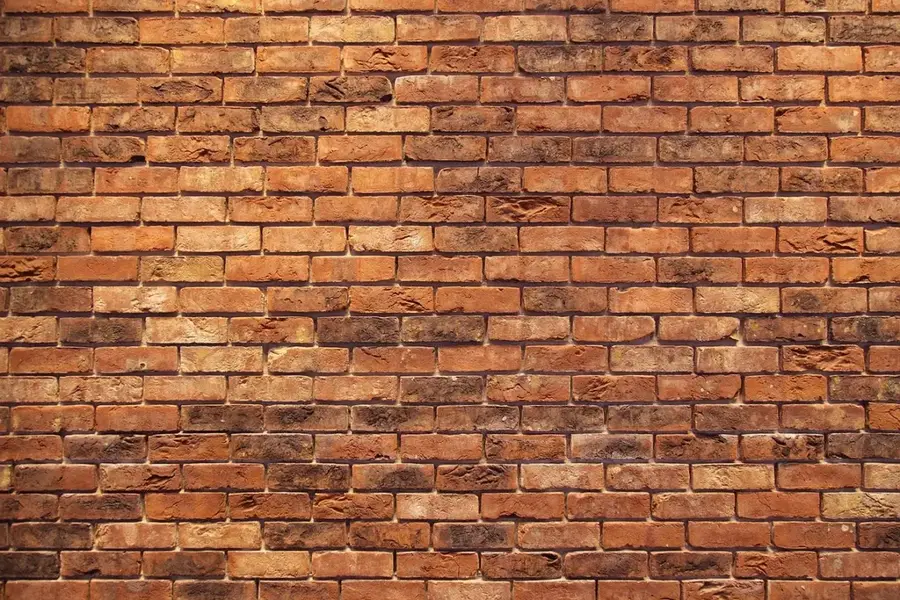
- Admire the red-brick colonial architecture that defines the historic center of the city.
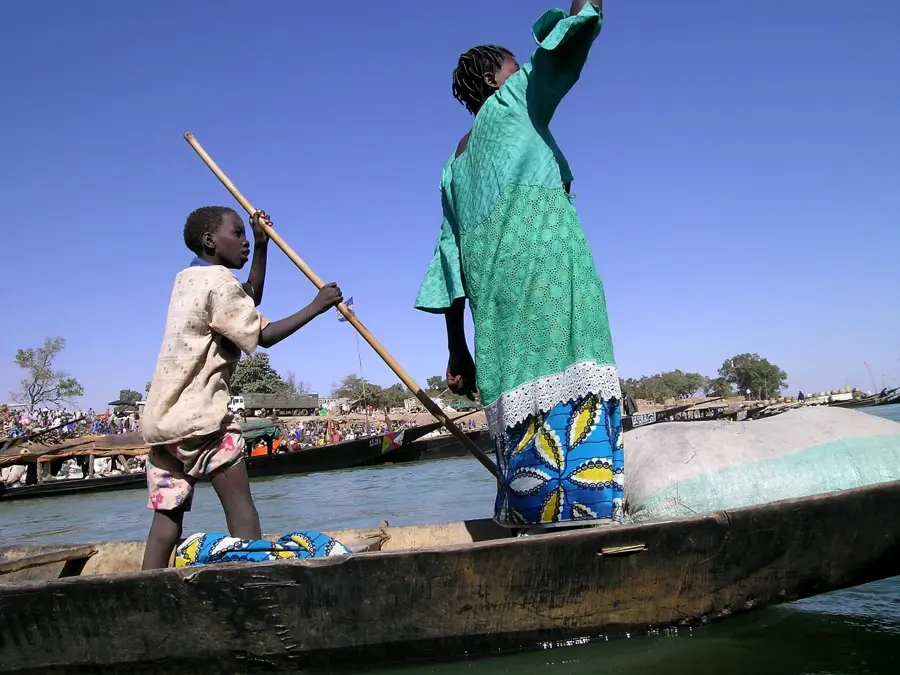
- Rent a traditional pirogue for a relaxing boat ride on the Niger River in the cooler evening hours.
🍽 Food
Cold and refreshing, excellent from street vendors in the midday heat.
The local millet porridge with a savory okra sauce, an authentic experience in small eateries.
Best enjoyed freshly grilled or fried at the stalls near the main market.
🛍 Shopping · 🧘 Quiet spots
Ségou is the center of this traditional dyeing art; buy directly in the small workshops.
Handmade pitchers and bowls, best purchased directly in the village across the river.
The riverside promenade provides many quiet benches to enjoy the view of the Niger.
A short pirogue ride takes you to peaceful sandbanks away from the noise of the city.
Water temperature…
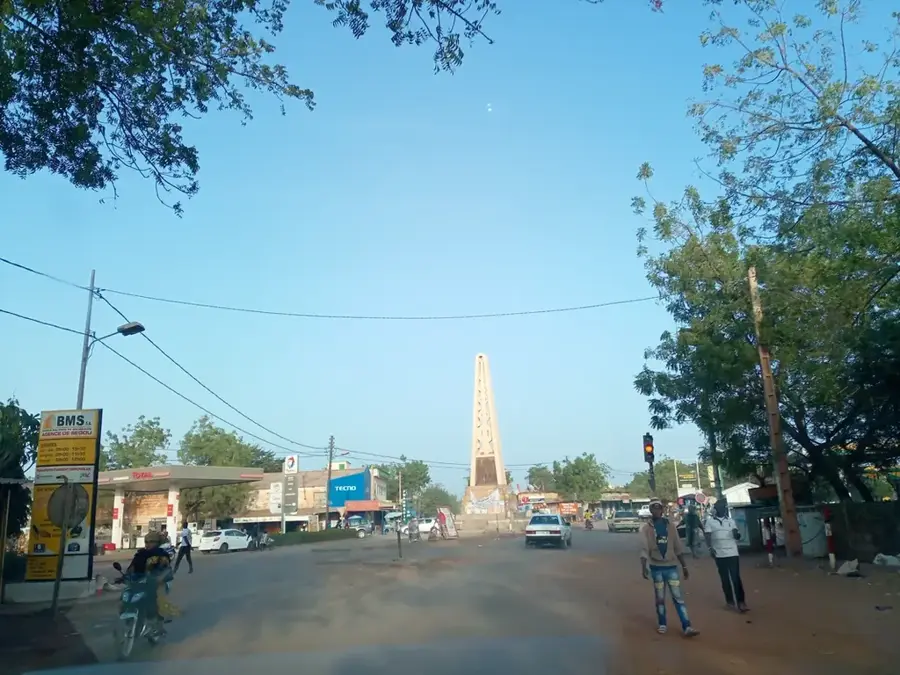
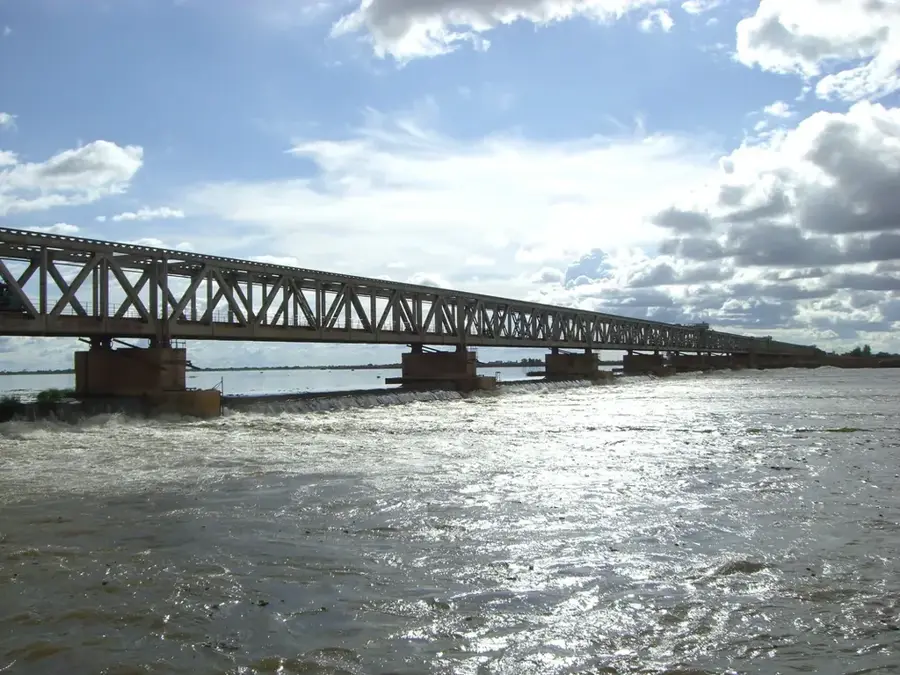
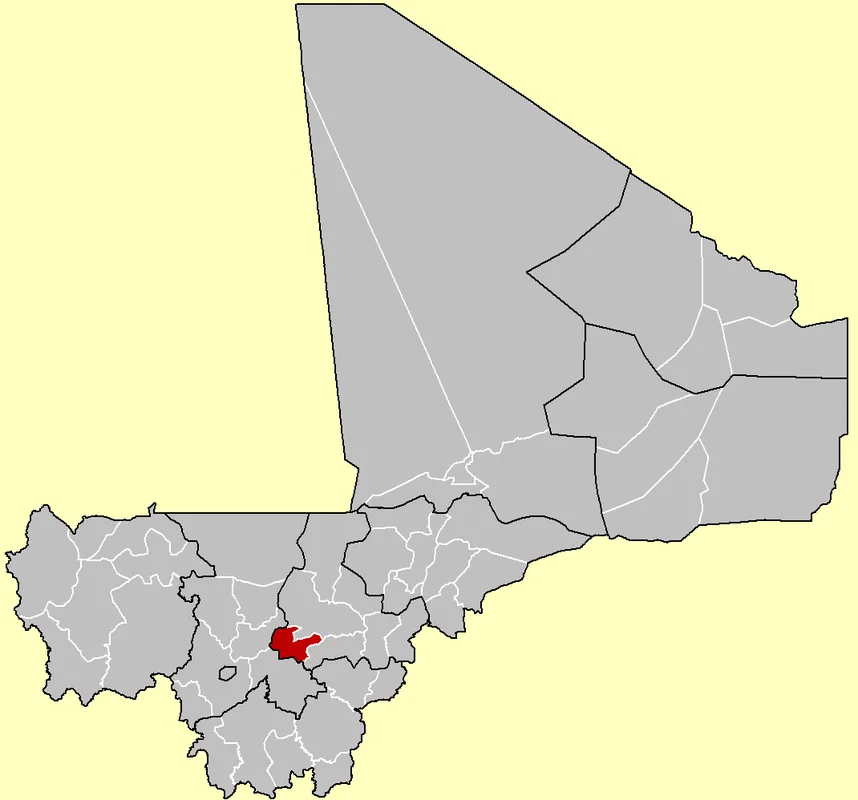
Ségou, Mali's third-largest city, is located on the banks of the Niger River in the heart of the country and serves as the administrative capital of the fourth region. The city holds immense historical significance as the former capital of the powerful Bambara Empire, which reached its peak in the 18th century under King Mamary Biton Coulibaly. Its architecture is characterized by the distinctive 'Sudano-Sahelian' style, featuring a blend of red-earth traditional construction and French colonial administrative buildings. As the headquarters of the 'Office du Niger', one of Africa's largest irrigation schemes, Ségou plays a vital role in the nation's rice and sugar production. Culturally, the city is world-famous for its Bogolanfini (mud cloth) textiles and the annual 'Festival sur le Niger', which celebrates local music and arts. The tranquil riverside atmosphere and tree-lined avenues contribute to Ségou's reputation as one of the most beautiful cities in West Africa. Today, it remains a bustling center of commerce, agriculture, and traditional craftsmanship, bridging Mali's imperial past with a productive future.
- Location: Mali
- Nearby: Markala (36 km)
- Population: ~205.787 (2026)
Best time to visit & climate
The most pleasant time to visit is Jan, Feb, Dec.
| Jan | Feb | Mar | Apr | May | Jun | Jul | Aug | Sep | Oct | Nov | Dec | |
|---|---|---|---|---|---|---|---|---|---|---|---|---|
| Avg °C | 23 | 26 | 30 | 33 | 34 | 31 | 28 | 27 | 27 | 28 | 26 | 23 |
| Rain mm | 0 | 0 | 2 | 7 | 34 | 94 | 182 | 248 | 123 | 25 | 1 | 0 |
Geography
Facts
- Ségou was the historic capital of the Bambara Empire during the 18th century.
- The city is located approximately 235 kilometers northeast of Bamako.
- It serves as the headquarters for the massive 'Office du Niger' irrigation project.
- The 'Festival sur le Niger' has been held annually since 2005 on the riverbanks.
- The region is renowned for its traditional mud cloth, known as Bogolanfini.
- Ségou's red-brick architecture is a signature of its colonial and local heritage.
Explore nearby
Notable places around



Route planner — Car & Motorhome
Where do you start? We build the route here, with stops and country notes along the way.
© OpenStreetMap contributors · OpenRouteService
Sights in the town Ségou (1)
Frequently asked questions
How many days for Ségou?
Best time to visit Ségou?
Is Ségou safe for tourists?
What is there to see nearby?
Are there good local restaurants?
Ségou: where is it located?
Ségou: when is the best time to visit?
Ségou: why is it worth visiting?

Nearby cities
History & landmarks
More places