Plizio Visual Lab
Kangaba
ℹ️Practical info — Kangaba
▾
🌤 Weather — 5 days
📍 Nearby
Sights nearby
💡 Tips
- Visit the Kamablon (sacred circular house), but be aware its roof is only restored every 7 years during a major festival.
- Hire a local griot or guide to explain the deep history of the Mandingue culture.
- Travel from Bamako is possible by road; ensure you have a reliable vehicle.
- Respect the strict rules around sacred sites; some areas may be off-limits to non-initiates.
- The climate is very hot; start your explorations early in the morning and rest at midday.
🍽 Food
A classic Malian dish served with rice at local eateries.
Fresh from the nearby Niger River, often grilled or in sauces.
A refreshing local drink available from street vendors.
🛍 Shopping · 🧘 Quiet spots
Look for locally woven cloth in the town market.
Sold by local craftsmen in the area.
A serene spot to watch local fishermen and pirogues.
The areas around historical monuments are often very quiet and reflective.
Water temperature…
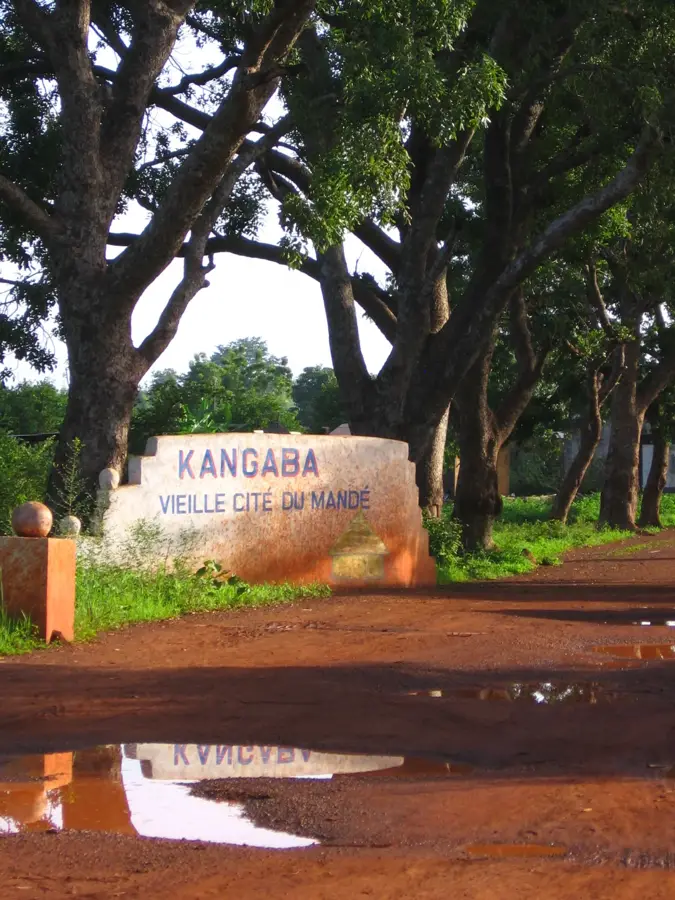
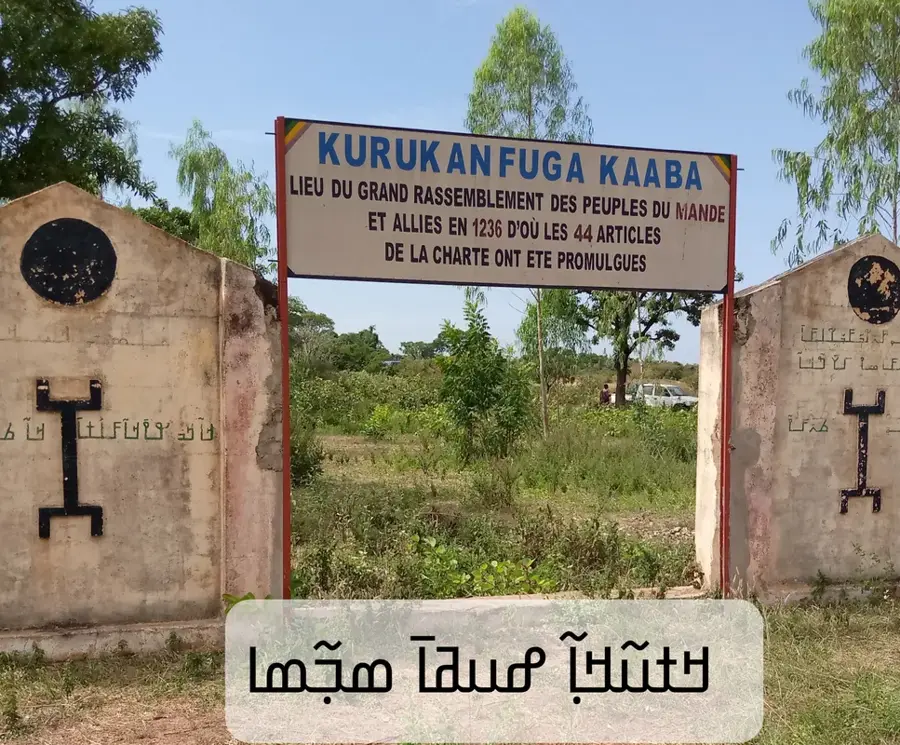
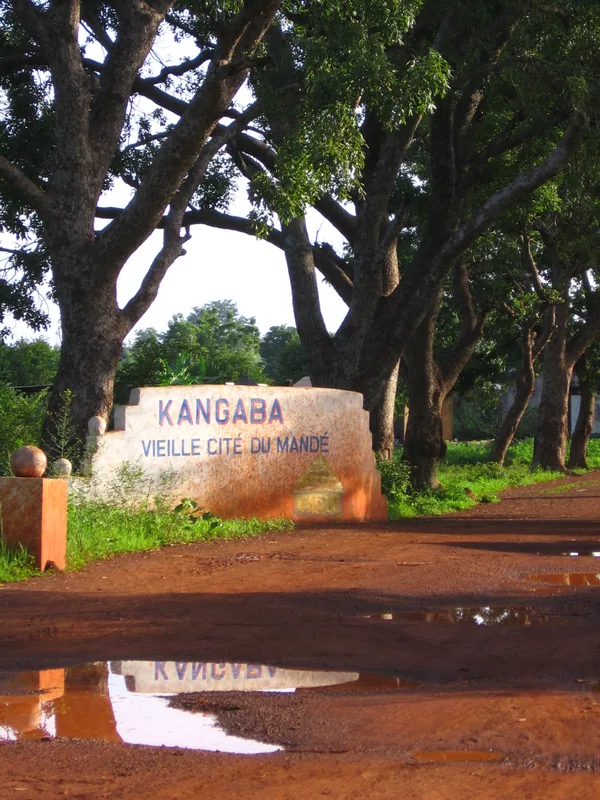
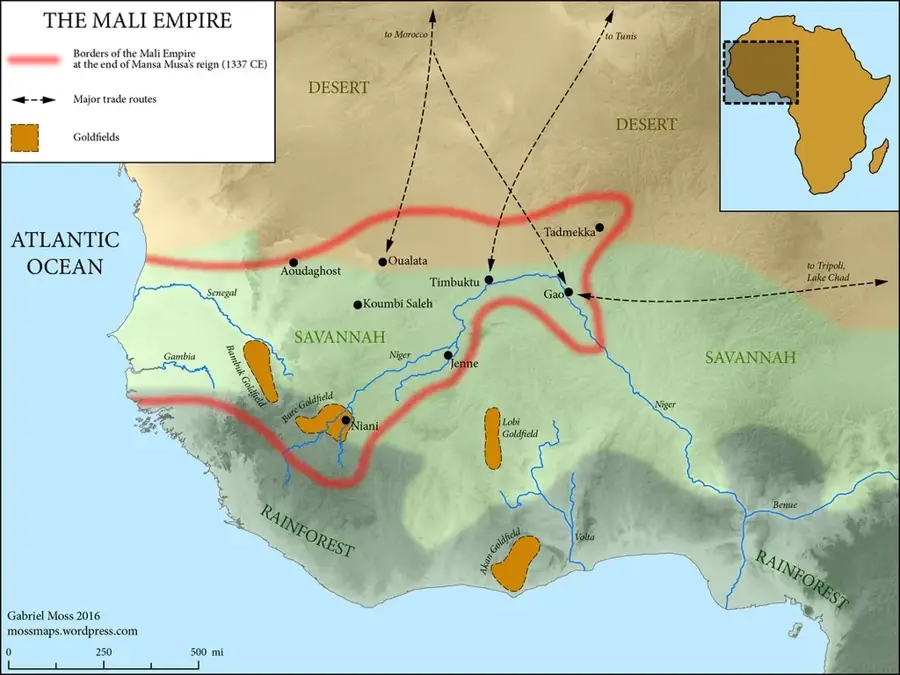
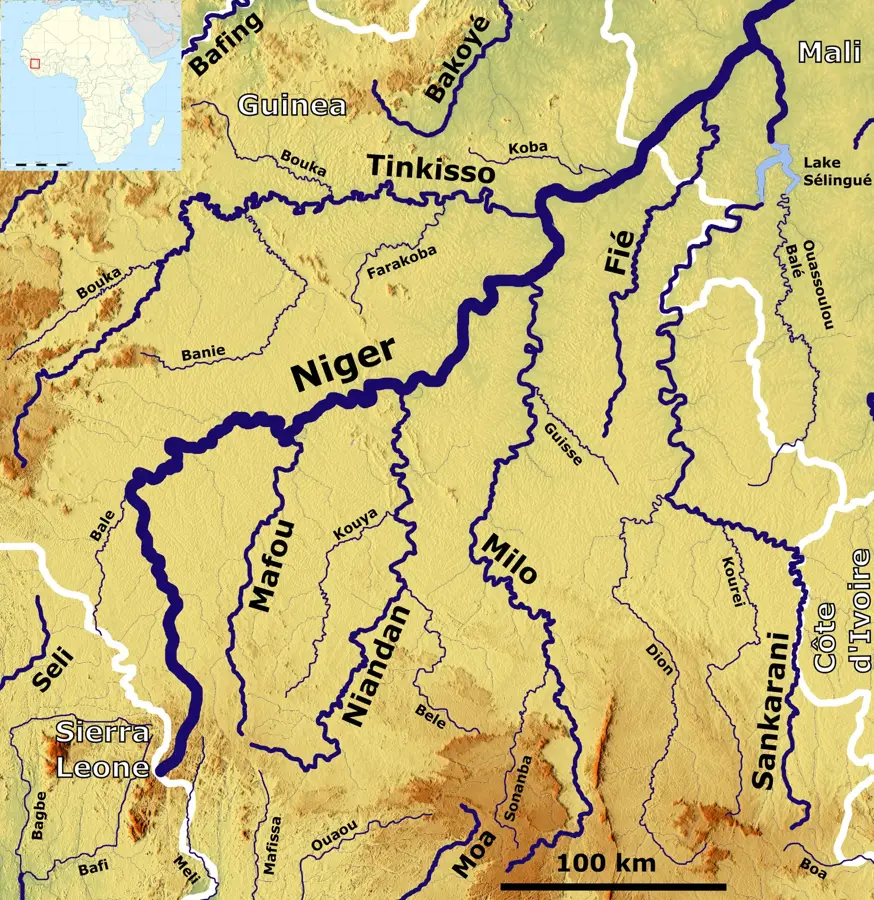
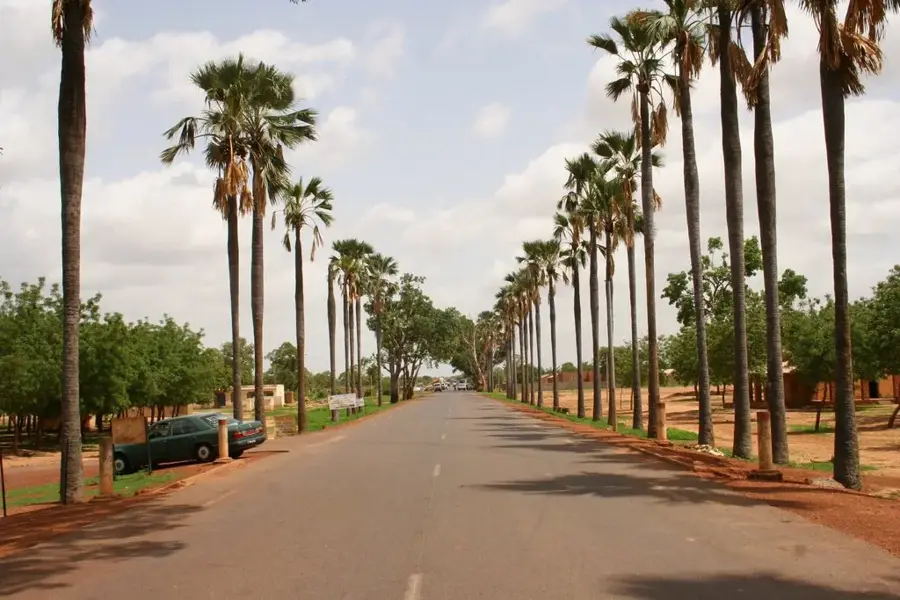
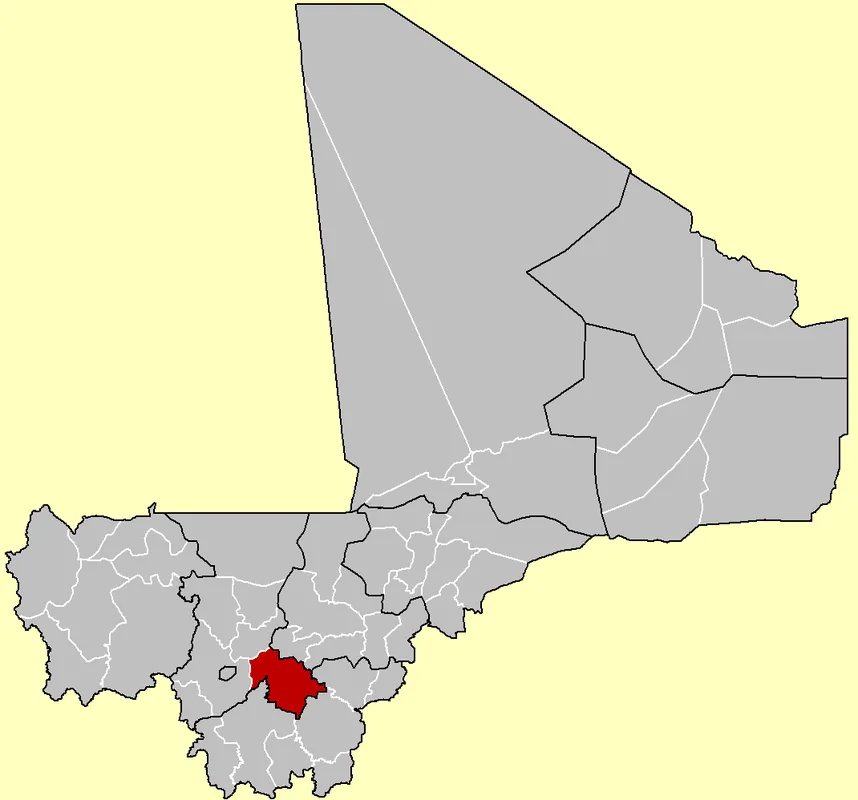
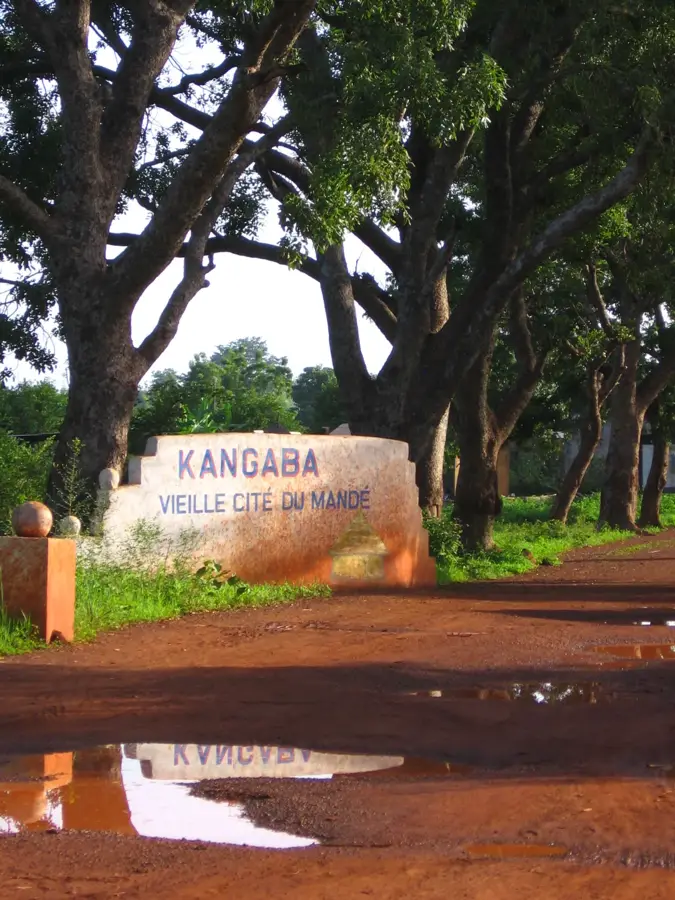
Kangaba is the spiritual and historical heart of the Manding people, located in the Koulikoro Region of southwestern Mali. The town sits at the core of the ancient Mali Empire and is world-renowned for the Kamablon, a sacred hut whose roof is ceremonially renewed every seven years. This ceremony and the structure itself are inscribed on the UNESCO Intangible Cultural Heritage list, symbolizing the unity of the Mandinka people. Historically, Kangaba is recognized as the site where the Manden Charter was proclaimed in 1235, one of the world's oldest constitutions advocating for human rights and social harmony. Situated near the Niger River in a fertile plain, the town thrives on rice cultivation and fishing. Today, Kangaba remains a site of pilgrimage for West Africans tracing their heritage back to the Mali Empire and serves as a living testament to pre-colonial African civilization.
- Location: Mali
- Nearby: Ouelessebougou (45 km)
- Population: ~17.232 (2013)
Best time to visit & climate
The most pleasant time to visit is Jan, Nov, Dec.
| Jan | Feb | Mar | Apr | May | Jun | Jul | Aug | Sep | Oct | Nov | Dec | |
|---|---|---|---|---|---|---|---|---|---|---|---|---|
| Avg °C | 25 | 28 | 31 | 33 | 32 | 29 | 26 | 25 | 25 | 26 | 26 | 25 |
| Rain mm | 1 | 1 | 4 | 28 | 63 | 142 | 225 | 306 | 220 | 69 | 3 | 0 |
Geography
Facts
- Home to the Kamablon, a sacred hut on the UNESCO Intangible Heritage list.
- The Manden Charter, a medieval declaration of human rights, was issued here in 1235.
- The ceremonial re-roofing of the Kamablon occurs every 7 years.
- Located approximately 90 kilometers southwest of Bamako.
- Kangaba is the administrative capital of its namesake cercle.
- A key center for Manding culture and the preservation of oral history via Griots.
Explore nearby
Notable places around



Route planner — Car & Motorhome
Where do you start? We build the route here, with stops and country notes along the way.
© OpenStreetMap contributors · OpenRouteService
Sights in the town Kangaba (1)
Frequently asked questions
Why is Kangaba historically significant?
How long should I spend in Kangaba?
When is the best time to travel?
Is Kangaba family-friendly?
Are there local dishes I should try?
Kangaba: where is it located?
Kangaba: when is the best time to visit?
Kangaba: why is it worth visiting?

Nearby cities
History & landmarks
More places