Plizio Visual Lab

Isalo Massif

Plizio editorial teamData Sources
Mountain
—°6
Isalo Massif (Madagascar)

Weather…

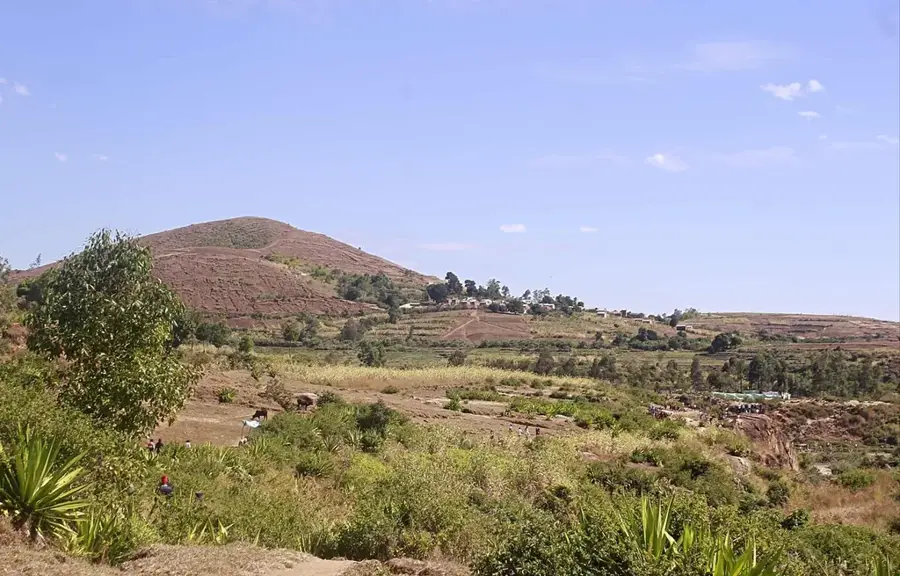
The Isalo Massif in southern Madagascar is one of the island's most visited natural attractions, captivating visitors with its spectacular erosional landscape of Jurassic sandstone. Established in 1962, the national park covers 815 square kilometers and is characterized by deep canyons, bizarre rock formations, and vast grassy plains. Amidst the arid environment lie hidden green oases with palms and natural swimming pools, such as the famous Piscine Naturelle, which offer a refreshing escape. The park's flora is highly specialized, featuring the elephant's foot plant (Pachypodium rosulatum) that thrives in rocky crevices. Culturally, Isalo is of great significance to the Bara ethnic group, who have used the caves in the cliff faces as sacred burial sites for centuries. The wildlife includes various lemur species like the ring-tailed lemur and Verreaux's sifaka, as well as numerous endemic birds and reptiles. Hikes through the massif often lead to sweeping viewpoints such as the 'Isalo Window,' which is a popular photographic subject, especially at sunset.

Best time to visit & climate

The most pleasant time to visit is Apr, May, Sep.

JanFebMarAprMayJunJulAugSepOctNovDec
Avg °C232322211816161820232424
Rain mm267189120442216159123879171

📋 Practical info

🧭
Getting there
The massif is typically reached via the well-maintained Route Nationale 7, which cuts through the southern part of the country. Visitors generally base themselves in the nearby town of Ranohira before entering.
📅
Best season
The dry season from April to October is usually the most favorable time to visit, avoiding the intense summer rains. The temperatures are generally more moderate for strenuous hiking during these months.
⛰️
Terrain & paths
The landscape features dramatically eroded sandstone formations, deep canyons, and hidden palm-fringed oasis pools. Trails are often sandy and involve scrambling over uneven, heat-absorbing rock surfaces.
🎒
What to bring
Sturdy hiking boots are essential to handle the rocky and sandy paths. A wide-brimmed hat, generous sun protection, and a very large supply of water are critical due to the lack of shade on the massif.
🅿️
Parking
Visitors typically leave their vehicles at the official park entrance gates or securely at their accommodations in Ranohira. Local guides usually organize the transport to the specific trailheads.
⚠️
Safety
Hiring a local guide is generally mandatory and vital for both navigation and respecting local customs. Be aware of the intense midday sun and pace your hikes to avoid heat exhaustion in the canyons.
⏱️
Time needed
Exploring the main viewpoints, canyons, and natural pools usually requires at least one full day. Many travelers choose to stay for two or three days to fully experience the varied hiking routes available.

Geography

Coordinates
-22.60000, 45.30000

Facts

  • Isalo National Park covers a total area of 81,540 hectares.
  • The massif consists primarily of sandstone dating back to the Jurassic period.
  • The famous 'Piscine Naturelle' is fed by a natural waterfall.
  • Three different species of lemurs, including the ring-tailed lemur, live in Isalo.
  • Over 80 bird species have been documented within the national park area.
  • The 'Isalo Window' is a natural rock formation in the shape of a frame.

Explore nearby

Notable places around

Route planner — Car & Motorhome

Where do you start? We build the route here, with stops and country notes along the way.

Vehicle
Only stops with (optional):

© OpenStreetMap contributors · OpenRouteService

Sights in the town Isalo Massif (6)

Jardin Botanique Ambatos📍 landmark

Jardin Botanique Ambatos is a lush botanical attraction showcasing the unique, drought-resistant flora of the Isalo National Park region.

Loup de l'Isalo📍 landmark

The Loup de l'Isalo is a famous natural rock formation sculpted by wind and rain to resemble a howling wolf.

Isalo Window📍 landmark

The Isalo Window is a natural sandstone archway renowned for framing spectacular sunsets across the savanna.

Petit Nazareth🌿 nature

Petit Nazareth is an elevated scenic viewpoint offering sweeping vistas over the rugged massif and grassy plains.

Ampasimaiky🌿 nature

Ampasimaiky is a panoramic viewpoint situated on a rocky ridge, well-suited for taking in the vastness of the eroded canyon landscape.

Isalo Museum🏛 museum

The Isalo Museum serves as an interpretive center detailing the complex geology of the sandstone massifs and the local Bara culture.

Sights nearby

Frequently asked questions

What is the highlight of the Isalo Massif?
The 'Piscine Naturelle', a beautiful, hidden natural swimming pool.
How long do you hike in Isalo?
There are tours ranging from a few hours to multi-day expeditions.
Is it very hot in the Isalo Massif?
Yes, the region is dry and hot; enough water is vital.
Do you need a guide for Isalo?
Yes, for almost all hiking trails, an official park guide is mandatory.
When is the best time of day to hike?
Start as early as possible to avoid the midday heat.
Isalo Massif: where is it located?
Isalo Massif is located in Madagascar.
Isalo Massif: what is there to see?
Highlights include Jardin Botanique Ambatos, Loup de l'Isalo, Isalo Window.
Isalo Massif: when is the best time to visit?
The most pleasant time to visit is Apr, May, Sep.
Isalo Massif: why is it worth visiting?

The Isalo Massif in southern Madagascar is one of the island's most visited natural attractions, captivating visitors with its spectacular erosional landscape of Jurassic sandstone.
View on map → The Top 50 Attractions → OpenStreetMap →
Africa
Explore with Plizio Discover more places in Africa
More places in Madagascar →

Nearby cities

History & landmarks
Nature

More places