Plizio Visual Lab

Malakoff Tower
Plizio editorial teamData Sources
tower
—°10
Malakoff Tower (Luxembourg)

Weather…

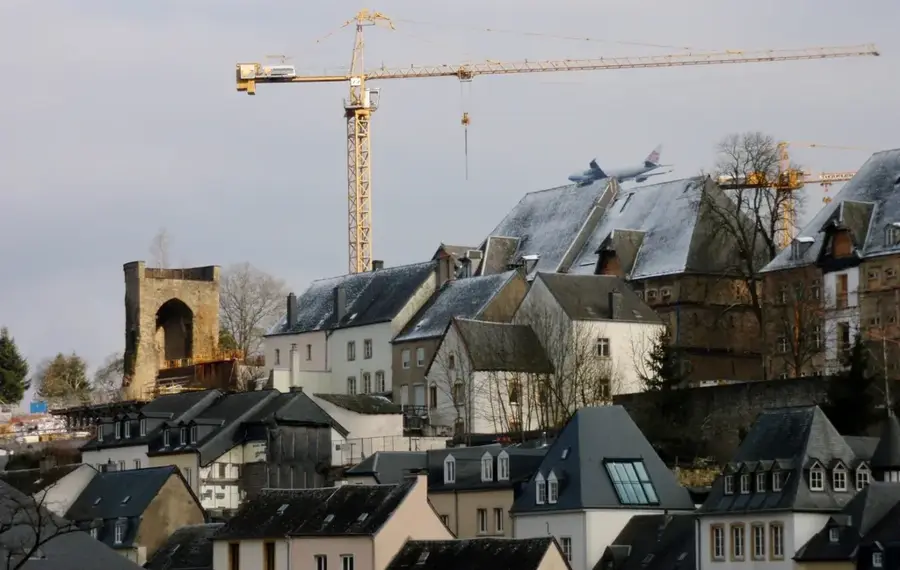
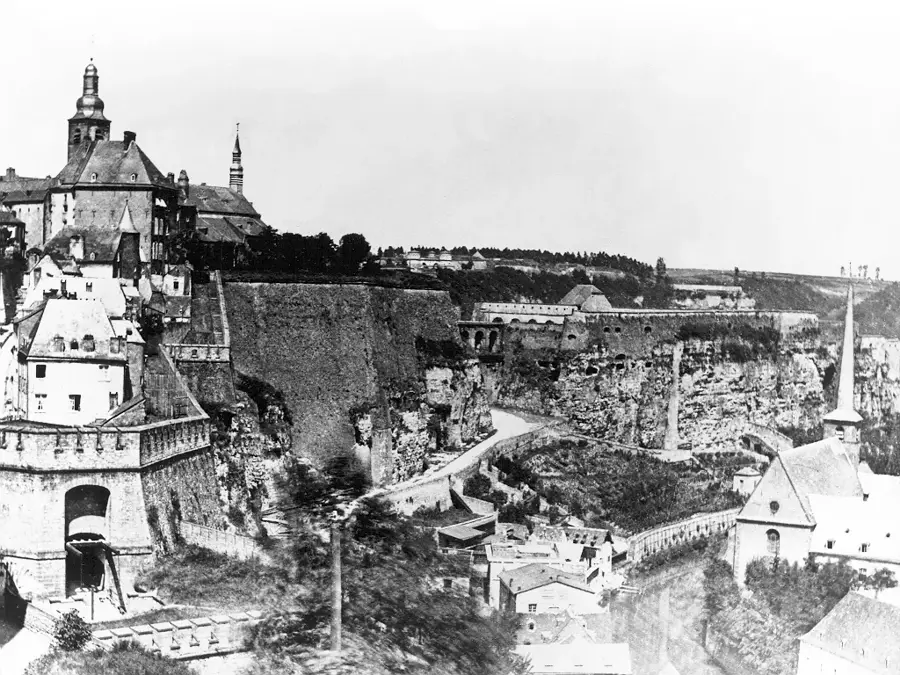
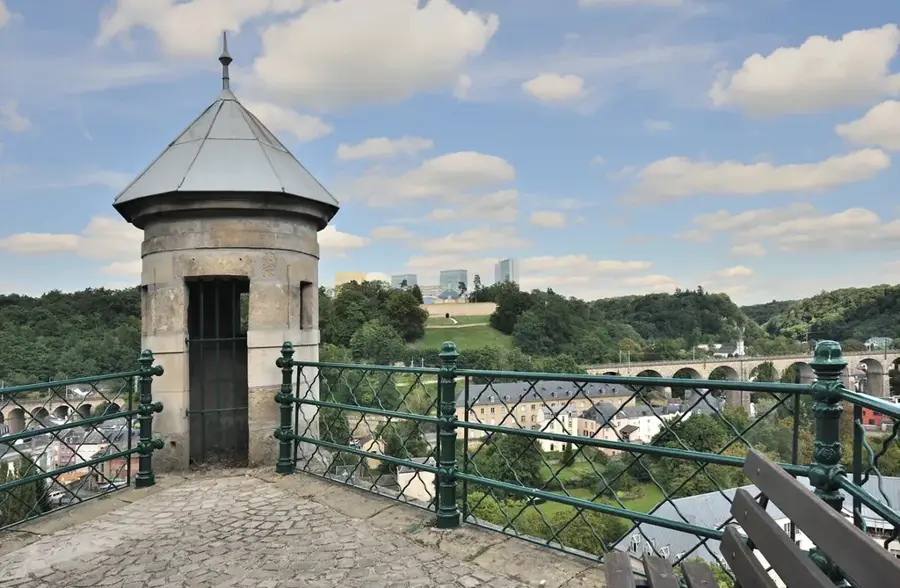
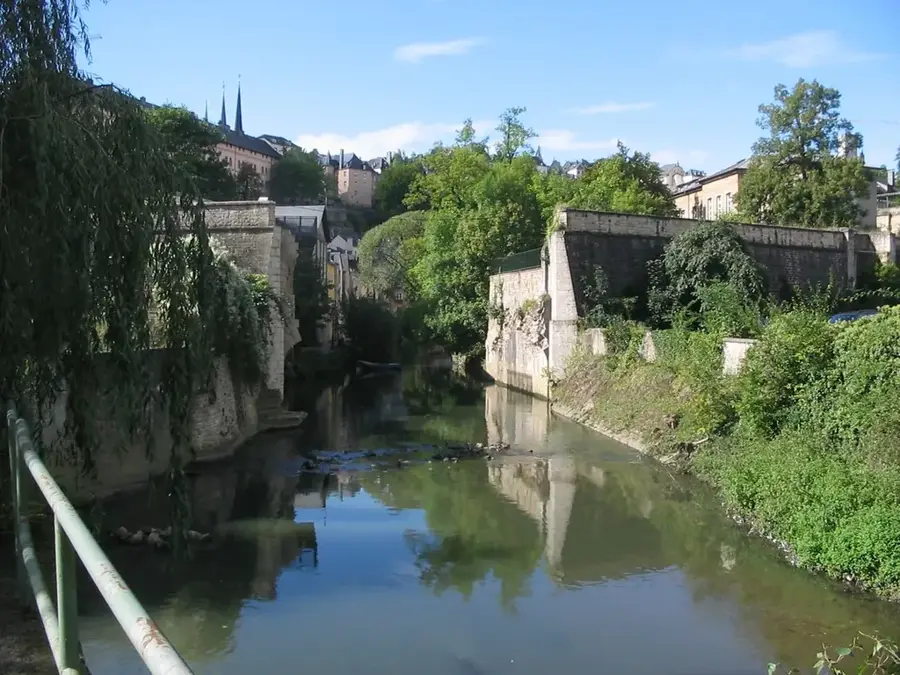
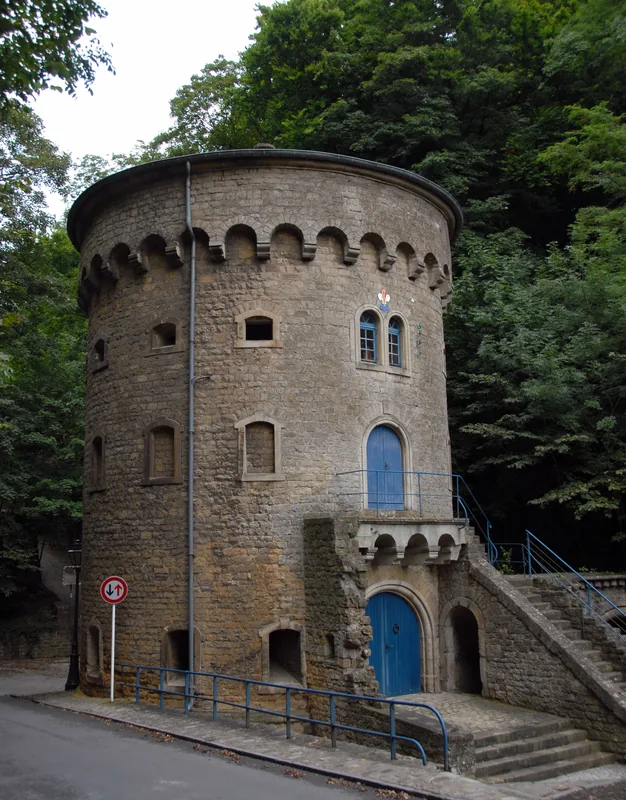
The Malakoff Tower, built in 1861, is one of the last major additions to the Fortress of Luxembourg before its dismantling in 1867. This massive, round artillery tower was designed to secure the railway viaduct and the access to the Pfaffenthal valley. It owes its name to the famous Fort Malakoff in Sevastopol, which played a decisive role in the Crimean War and whose capture was seen as a symbol of an impregnable fortress. Ironically, the tower became redundant just a few years after its completion due to the provisions of the 1867 Treaty of London, which established Luxembourg's neutrality and ordered the fortress to be dismantled. Today, the tower stands in the Clausen district, carefully restored and used as an office building, a silent witness to the 19th-century arms race and the sudden turns in European politics.

Best time to visit & climate

The most pleasant time to visit is Jun–Aug.

JanFebMarAprMayJunJulAugSepOctNovDec
Avg °C115913171919151052
Rain mm675757467068657256656879

📋 Practical info

🚪
Visiting
This massive and historic defensive tower can be freely visited from the outside practically at any time and fully admired as a highly impressive, integral part of the city's former extensive system of fortifications. However, access deep into the interior of the building is usually not permitted to the general public, or restricted strictly to very special, rare occasions.
🕒
Typical hours
Since the robust tower stands permanently as a constantly present and highly prominent architectural monument within the public urban space, there are absolutely no time restrictions whatsoever for pure exterior viewing from the surrounding sidewalks. In the rare event that the interior of the structure is exceptionally opened to visitors, these exact operating times are announced well in advance and separately by the competent local authorities.
📷
Photography
The incredibly massive, thick stone walls of the imposing tower offer an exceptionally excellent and highly fortified photographic subject for architecture enthusiasts, particularly in the direct context of the surrounding historical defensive structures. Photography is expressly and freely permitted throughout the entire exterior area at any time without any restrictions, and is always extremely appealing under a wide variety of changing daylight conditions.
⏱️
Time needed
To calmly appreciate the massive exterior architecture and carefully take a few truly impressive souvenir photographs, you should realistically allocate typically about fifteen to twenty minutes of your valuable time. Very often, this brief but highly worthwhile and educational stop is naturally integrated into a substantially longer, historical walking tour along the carefully preserved lines of the old urban defensive fortifications.
Combine with
The fascinating defensive tower is perfectly and ideally combined with an extended, educational walking tour through the adjacent historical Pfaffenthal district or an unforgettable, thrilling ride on the spectacular panoramic glass elevator located close by. The surprisingly well-preserved remains of the massive fortress walls down in the exceptionally photogenic Petrusse Valley are also quite comfortably accessible on foot from this unique starting location.
🧭
Getting there
Due to its incredibly central and highly prominent location right in the very middle of the bustling capital city, the striking structure is easily and directly accessible via various municipal bus lines or during an extended, leisurely walking tour through the lower town. Designated official parking spaces are certainly available in the densely built center of Luxembourg City, but generally require paying a corresponding hourly parking fee by motorized visitors arriving in the immediate area.
💡
Insider tip
Make absolutely sure to strongly and expressly combine the detailed viewing of the historic defensive tower with the conscious use of the highly modern glass elevator in Pfaffenthal to get a deeply impressive, unparalleled, and dramatic view of the complex fortifications from high above. It is only through this supplementary, sweeping bird's-eye perspective that you will clearly and fully comprehend the immensely important strategic significance and true, vast dimensions of this unique location.

Geography

Coordinates
49.61080, 6.14080

Explore nearby

Notable places around

Route planner — Car & Motorhome

Where do you start? We build the route here, with stops and country notes along the way.

Vehicle
Only stops with (optional):

© OpenStreetMap contributors · OpenRouteService

Sights in the town Malakoff Tower (10)

Clausener Viaduc

Railway bridge in Luxembourg City, part of the rail line.

Batterie du Rham

Ruins of an artillery battery of the Luxembourg fortress.

Fort Rubamprez

Ruins of a fort of the Luxembourg fortification system.

Dent Creuse

Ruins in Luxembourg, part of the former fortress.

Centre culturel de rencontre Abbaye de Neumünster

Cultural centre in the former Neumünster Abbey in Grund.

Bock Casemates🏛 museum

Former casemates under the Bock rock, now a museum.

Saint-Jean-Baptiste

Church building in Luxembourg, built in the 17th century.

The Bock

Promontory in Luxembourg City, the historic core of the town.

Viaduc Pulvermühle

Two-track railway viaduct in Pulvermuhl, eastern Luxembourg City.

Pafendaller Viaduc

Railway bridge in Luxembourg City, part of the rail line.

Sights nearby

Frequently asked questions

What is the Malakoff Tower?
It is a fortification tower from 1861, part of the outer defensive works of Luxembourg.
Where does the tower get its name from?
It is named after Fort Malakoff in Sevastopol, which became famous during the Crimean War.
Can the Malakoff Tower be visited?
The tower is used privately or for scouting activities and is generally not open to the public inside.
Where is the Malakoff Tower located?
It is located in the Clausen district, at the foot of the Kirchberg plateau.
Is it worth going to the tower for photos?
Yes, the tower is architecturally interesting and set in a scenic environment.
Malakoff Tower: where is it located?
Malakoff Tower is located in Luxembourg.
Malakoff Tower: what is there to see?
Highlights include Clausener Viaduc, Batterie du Rham, Fort Rubamprez.
Malakoff Tower: when is the best time to visit?
The most pleasant time to visit is Jun, Aug.
Malakoff Tower: why is it worth visiting?

The Malakoff Tower, built in 1861, is one of the last major additions to the Fortress of Luxembourg before its dismantling in 1867.
View on map → The Top 50 Attractions → OpenStreetMap →
Europe
Explore with Plizio Discover more places in Europe
More places in Luxembourg →

Nearby cities

History & landmarks
More places