Plizio Visual Lab
Bock Casemates
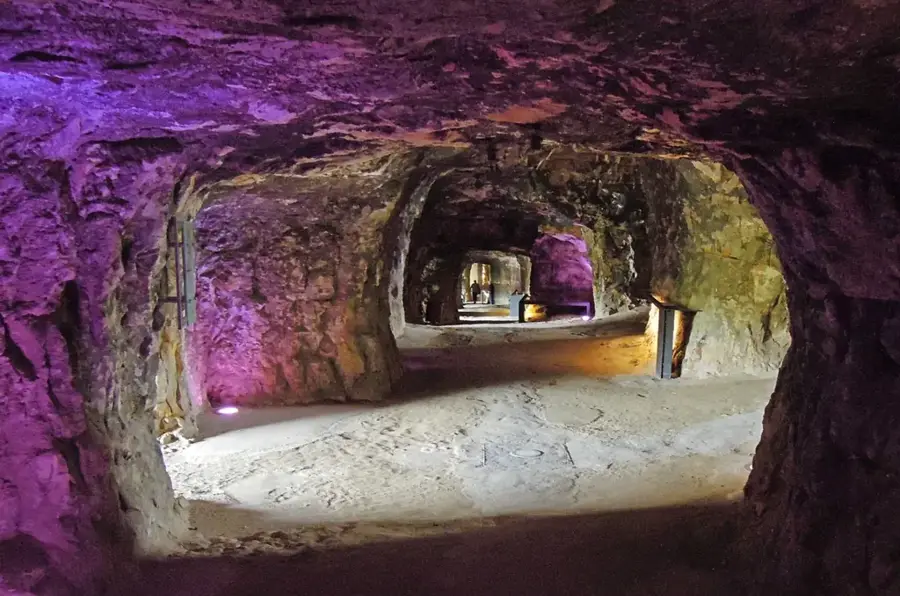
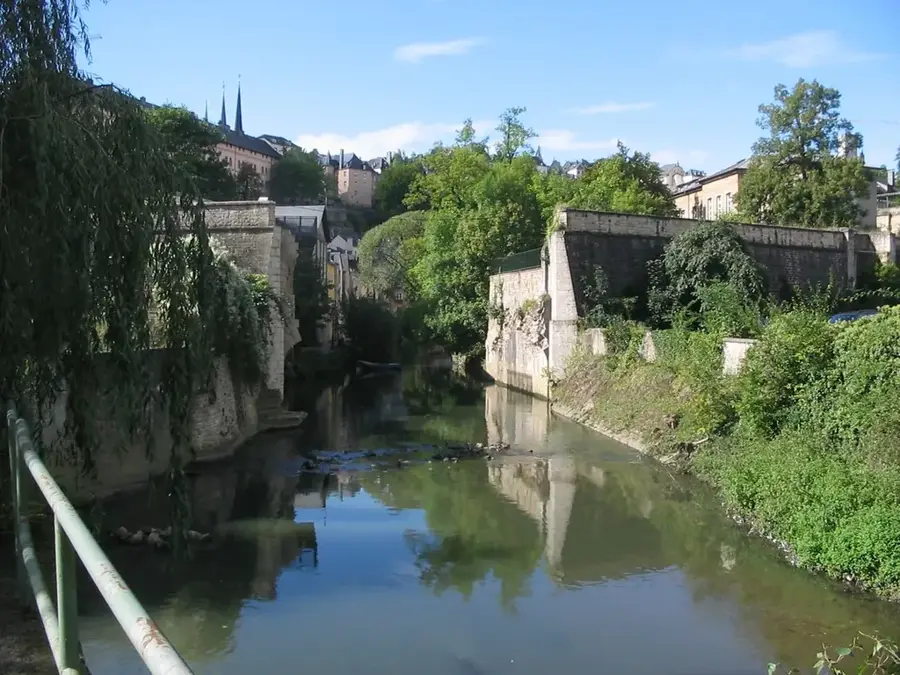
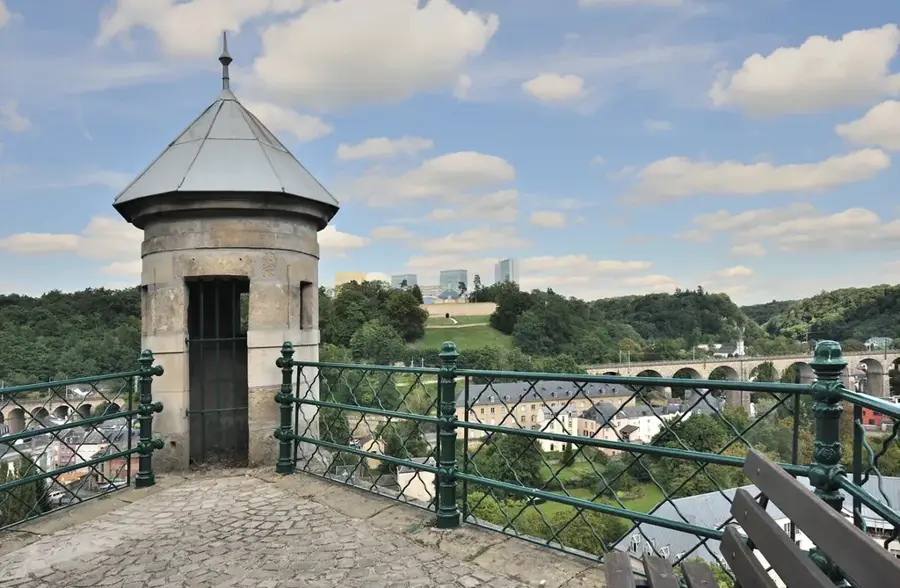
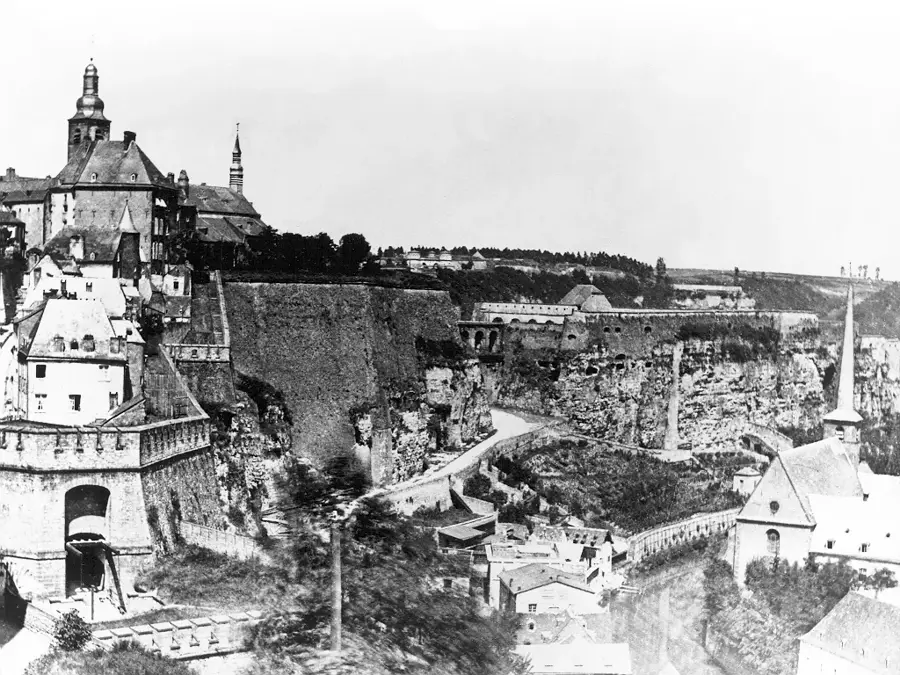
The Bock Casemates are an extensive underground defense system in Luxembourg City, designated as a UNESCO World Heritage site since 1994. The first casemates were constructed in 1744 by the Spanish and were later significantly expanded under Austrian and Prussian rule. Originally, the network of tunnels and galleries stretched over a total length of 23 kilometers, carved deep into the Bock cliff. In the event of a siege, the facility could house thousands of soldiers, along with their equipment, horses, and even workshops. Following the Treaty of London in 1867, the Fortress of Luxembourg had to be dismantled, but the casemates remained largely intact because blowing them up would have endangered the city's structure. During World War I and World War II, the tunnels served as bombproof shelters for up to 35,000 residents. Today, about 17 kilometers of the tunnel system are preserved and accessible to visitors, offering striking views of the Alzette Valley and the Grund district through the old embrasures. The casemates stand as a testament to Luxembourg's past as one of the strongest fortresses in Europe.
- Location: Luxembourg
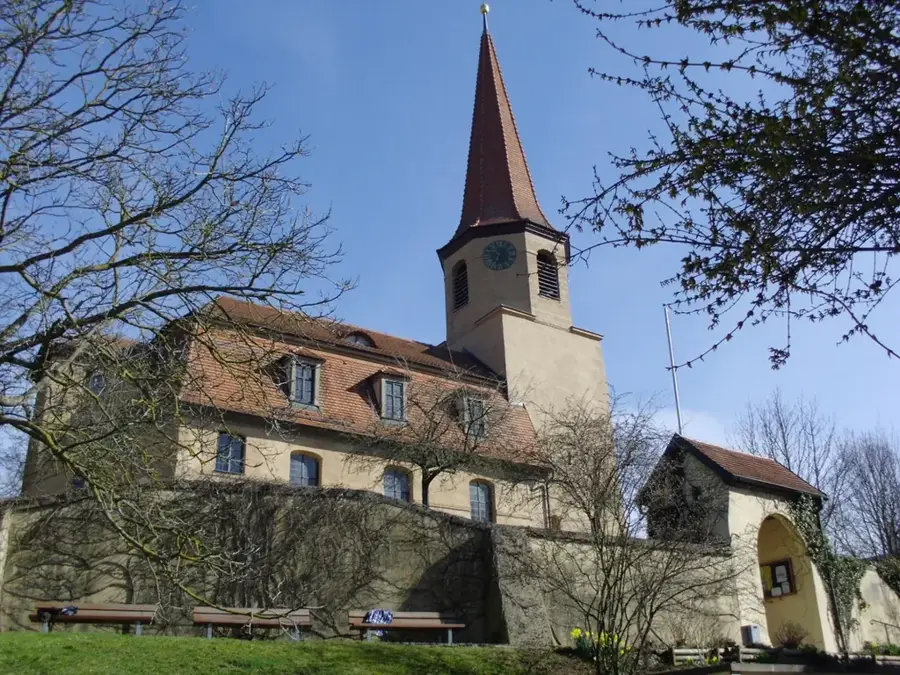
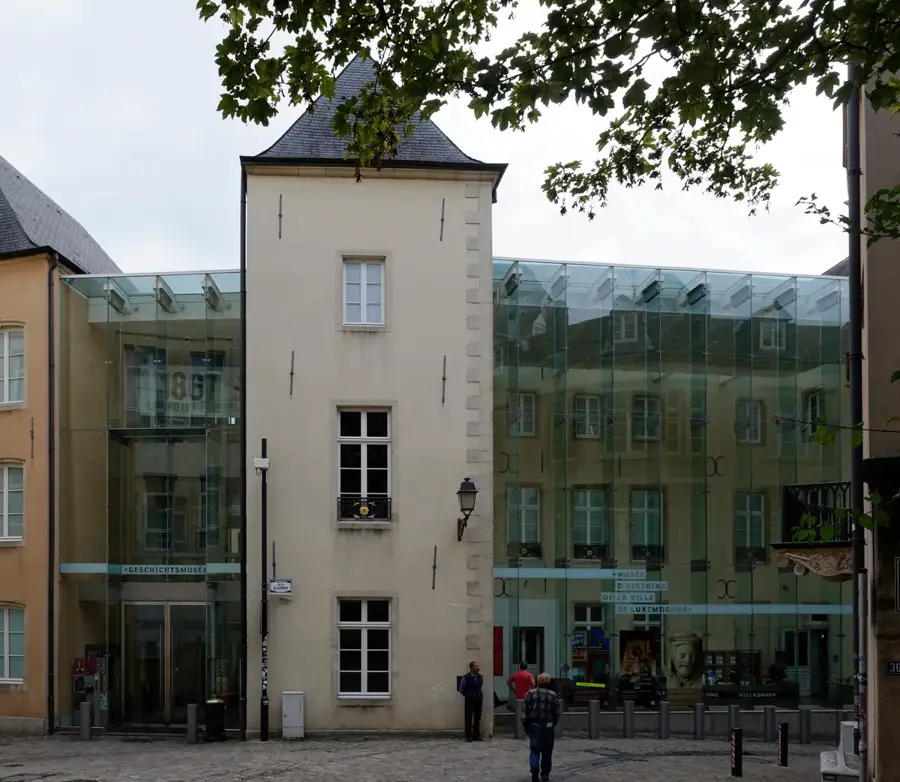
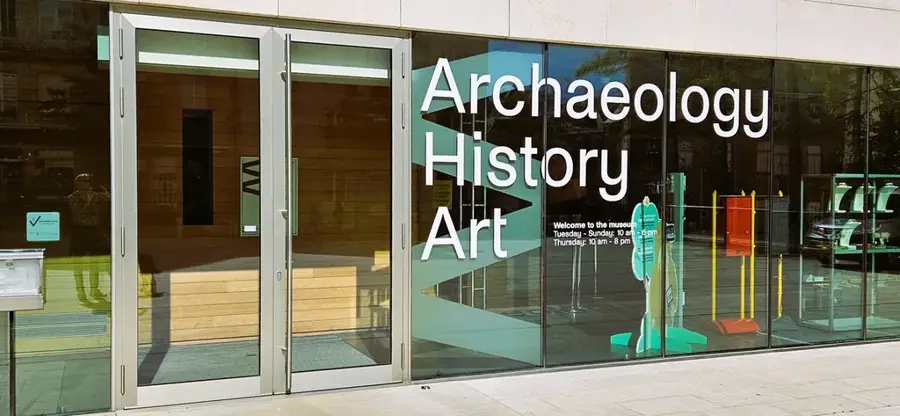
- Top sights: Église de Saint-Michel · National Museum of History and Art · Schlassbréck
- Nearby: Strassen (4 km)
Best time to visit & climate
The most pleasant time to visit is Jun–Aug.
| Jan | Feb | Mar | Apr | May | Jun | Jul | Aug | Sep | Oct | Nov | Dec | |
|---|---|---|---|---|---|---|---|---|---|---|---|---|
| Avg °C | 1 | 1 | 5 | 9 | 13 | 17 | 19 | 19 | 15 | 10 | 5 | 2 |
| Rain mm | 67 | 57 | 57 | 46 | 70 | 68 | 65 | 72 | 56 | 65 | 68 | 79 |
📋 Practical info
Geography
Facts
- First tunnels were built by the Spanish in 1744
- UNESCO World Heritage site since 1994
- Original total length reached 23 kilometers
- Provided shelter for 35,000 people in WWII
- Luxembourg Fortress was known as the 'Gibraltar of the North'
- Located beneath the monumental Bock cliff
Explore nearby
Notable places around

Route planner — Car & Motorhome
Where do you start? We build the route here, with stops and country notes along the way.
© OpenStreetMap contributors · OpenRouteService
Sights in the town Bock Casemates (10)
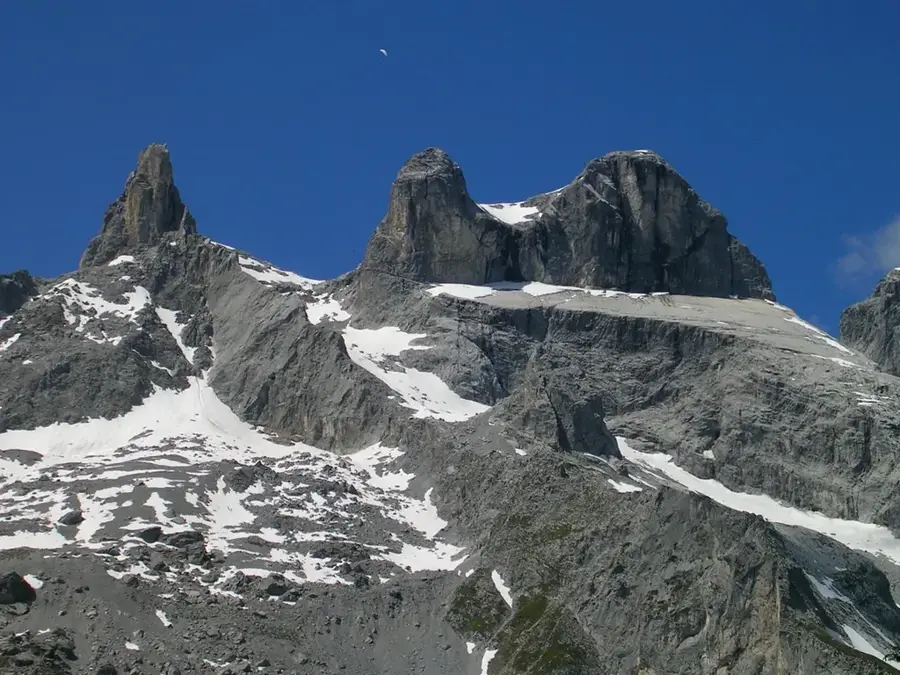
Trois Tours
Three towers in Luxembourg City, remnants of the medieval fortifications.
The Bock
Promontory in Luxembourg City, site of the first castle and later fortress.
Bock Casemates🏛 museum
Museum in the underground casemates beneath the Bock rock in Luxembourg City.
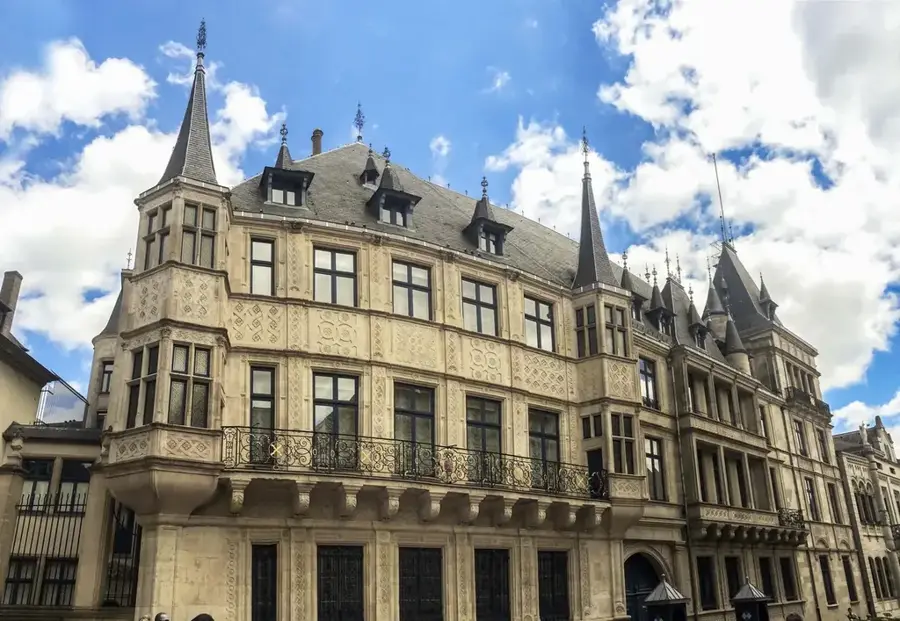
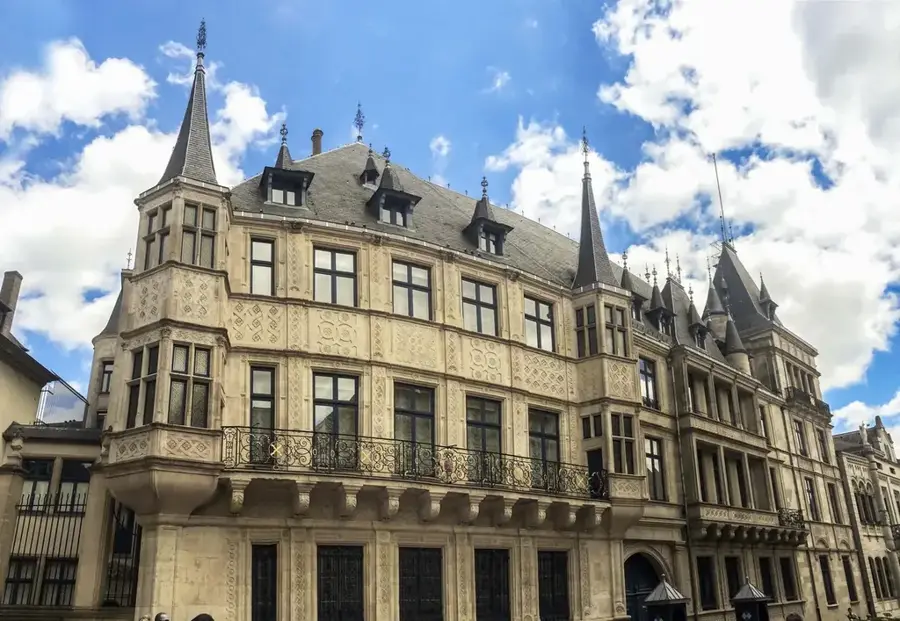
Grand Ducal Palace
Official residence of the Grand Duke of Luxembourg, located in the city centre.
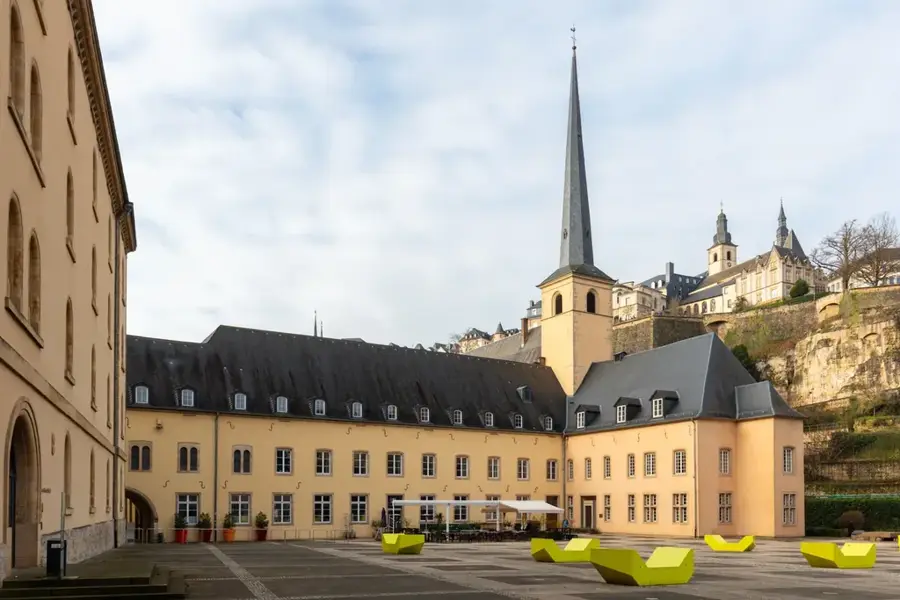
Saint-Jean-Baptiste
Church building in Luxembourg, Luxembourg, dedicated to John the Baptist.
Théâtre du Centaure
Theatre in Luxembourg City, with a stage for plays and dance performances.
Sights nearby
Frequently asked questions
What are the Bock Casemates?
When are the Bock Casemates open?
How much is the entry fee?
Is the site wheelchair accessible?
Why are they a UNESCO World Heritage site?
Bock Casemates: where is it located?
Bock Casemates: what is there to see?
Bock Casemates: when is the best time to visit?
Bock Casemates: why is it worth visiting?

Nearby cities
History & landmarks
More places