Plizio Visual Lab
Spanish Towers
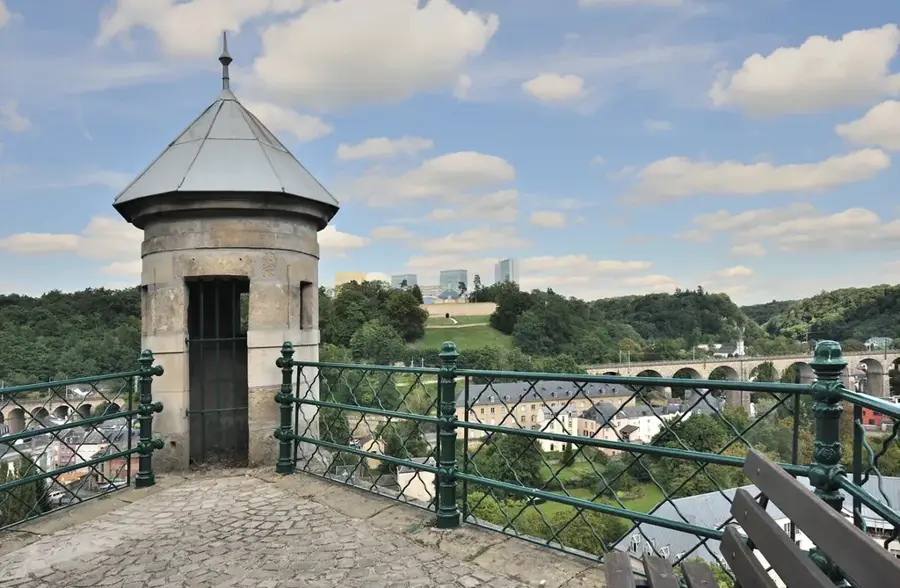
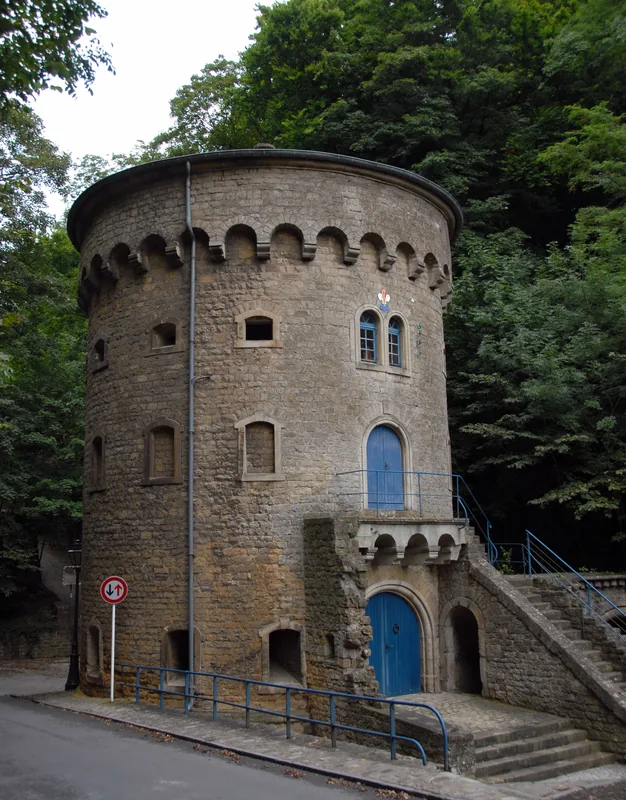
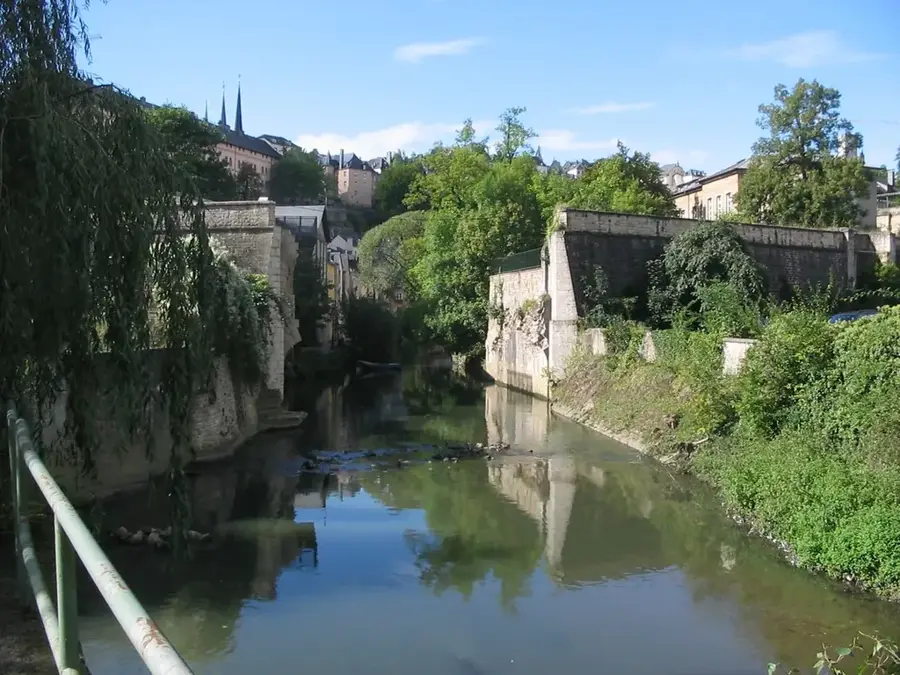
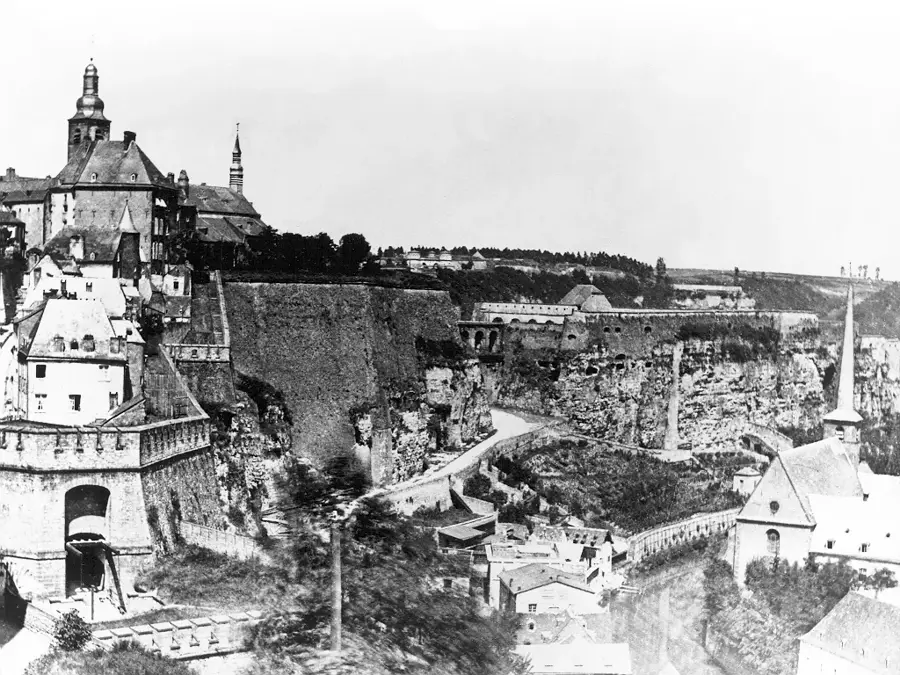
The 'Spanish Turrets' are small but distinctive watchtowers perched on the fortress walls of the Rham Plateau, offering a wide view over the Alzette and Grund valleys. Their name is somewhat misleading, as their current form is mainly attributed to Vauban, the famous French military engineer of Louis XIV, in the 17th century, although Spanish fortifications already existed on this site. These elegant, pepper-pot-like turrets did not serve as primary defensive structures but as observation posts and for flanking the main wall. From here, soldiers could survey a large part of the valley and provide early warning of approaching enemies. Today, the Spanish Turrets are a scenic and popular photo motif, embodying the multinational history of the Luxembourg fortress, which was shaped by the Spanish, Austrians, French, and Prussians. They are an integral part of the city's UNESCO World Heritage site.
- Location: Luxembourg
- Top sights: Dent Creuse · Pafendaller Viaduc · Bock Casemates
- Nearby: Hesperange (5 km)
Best time to visit & climate
The most pleasant time to visit is Jun–Aug.
| Jan | Feb | Mar | Apr | May | Jun | Jul | Aug | Sep | Oct | Nov | Dec | |
|---|---|---|---|---|---|---|---|---|---|---|---|---|
| Avg °C | 1 | 1 | 5 | 9 | 13 | 17 | 19 | 19 | 15 | 10 | 5 | 2 |
| Rain mm | 67 | 57 | 57 | 46 | 70 | 68 | 65 | 72 | 56 | 65 | 68 | 79 |
📋 Practical info
Geography
Explore nearby
Notable places around


Route planner — Car & Motorhome
Where do you start? We build the route here, with stops and country notes along the way.
© OpenStreetMap contributors · OpenRouteService
Sights in the town Spanish Towers (10)
The Bock
Promontory in Luxembourg City, the historic core.
Schlassbréck
Bridge in Luxembourg, connecting city districts.
Saint-Jean-Baptiste
Church building in Luxembourg, dedicated to John the Baptist.
Centre culturel de rencontre Abbaye de Neumünster
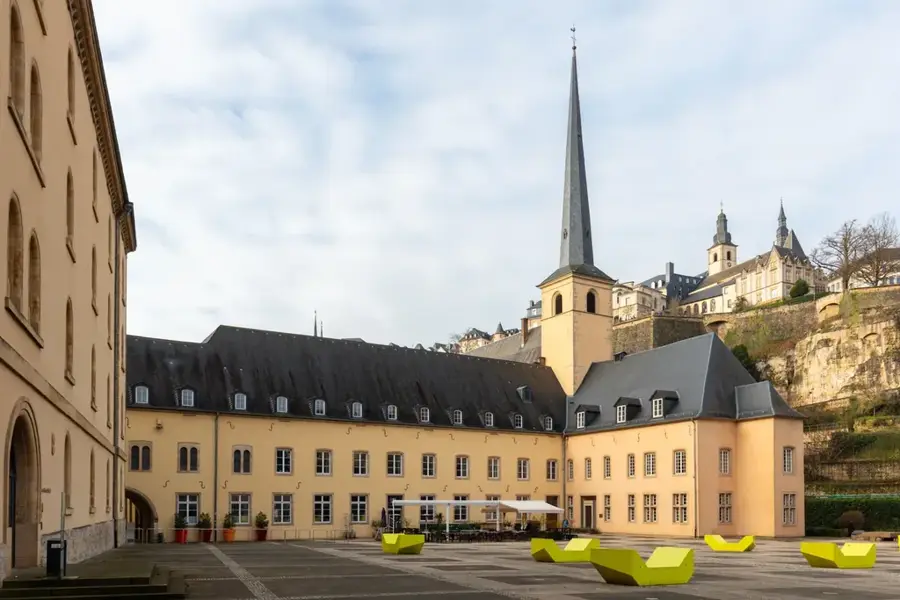
Cultural centre in the former Neumünster Abbey in Luxembourg.
Église de Saint-Michel
Church in Luxembourg, one of the oldest in the city.
Wachhaus
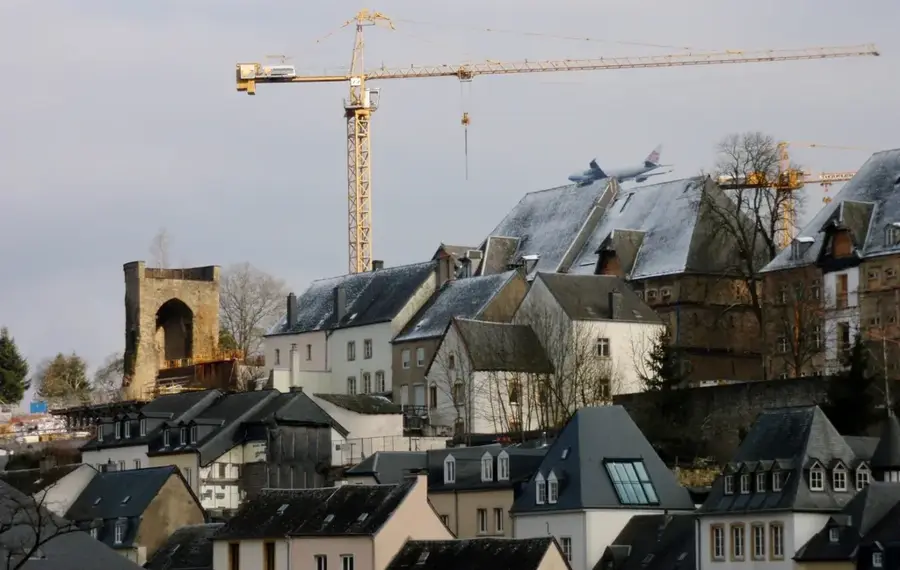
Ruins of a former guardhouse in Luxembourg.
Sights nearby
Frequently asked questions
What are the 'Spanish Towers'?
Where can these towers be found in Luxembourg?
Can you go inside the Spanish towers?
Why do the towers have such a distinctive shape?
Are the towers illuminated at night?
Spanish Towers: where is it located?
Spanish Towers: what is there to see?
Spanish Towers: when is the best time to visit?
Spanish Towers: why is it worth visiting?

Nearby cities
History & landmarks
More places