Plizio Visual Lab
Plungė
ℹ️Practical info — Plungė
▾
🌤 Weather — 5 days
📍 Nearby
Sights nearby
💡 Tips
- Allocate at least two hours to explore the vast Oginski Manor park; it's one of the largest and most beautifully landscaped parks in Lithuania.
- Don't miss the Samogitian Art Museum located inside the Oginski Palace to learn about local regional culture.
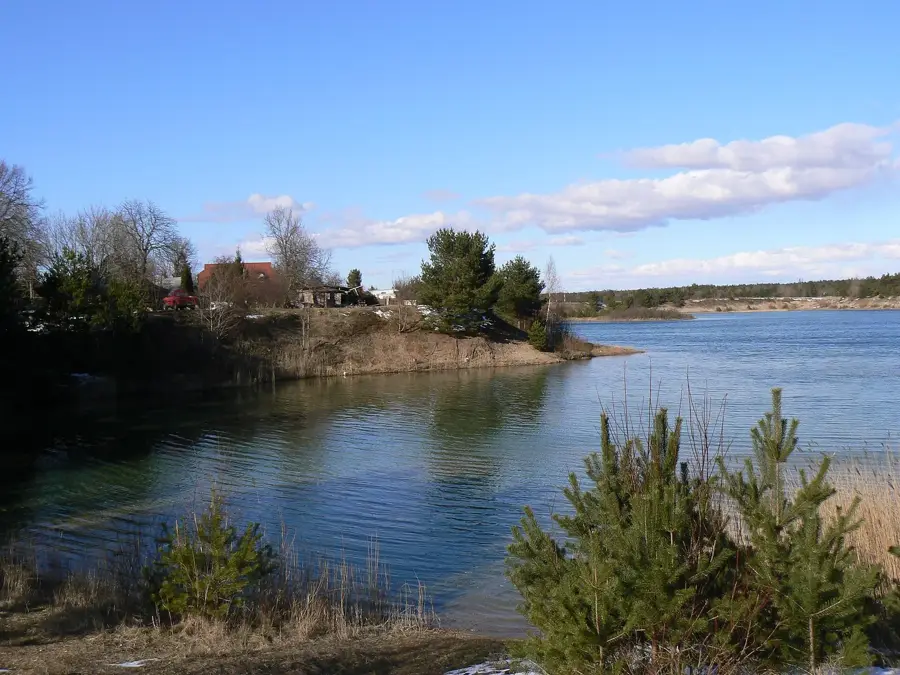
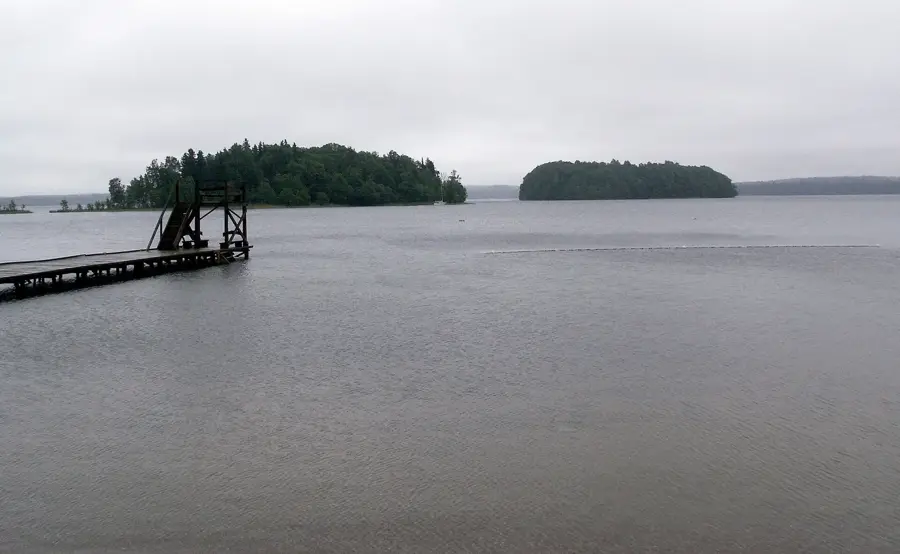
- The Plungė Sea (Plungės jūra), an artificial lake close to the center, is a great spot for a relaxed afternoon walk.
- Getting around is easy on foot, but if you drive, parking near the park entrances is usually free but fills up on summer weekends.
🍽 Food
A traditional Samogitian dish made of sour cream, butter, and spices, served with hot potatoes. Try it in local restaurants offering regional menus.
Bustling pink cold beetroot soup, well-suited for summer. Available in almost every cafe near the town center.
Thick potato pancakes stuffed with minced meat. Look for hearty local taverns to try this filling dish.
🛍 Shopping · 🧘 Quiet spots
Look for small souvenir shops near the Oginski Palace offering Baltic amber and handmade wood carvings.
Visit on Thursday or Saturday mornings to buy fresh vegetables, berries, and smoked meats from local farmers.
The park features several interconnected ponds with weeping willows; find a quiet bench here for reading or relaxing.
Follow the trails along the Babrungas river just outside the park boundaries for a more wild and natural setting.
Water temperature…
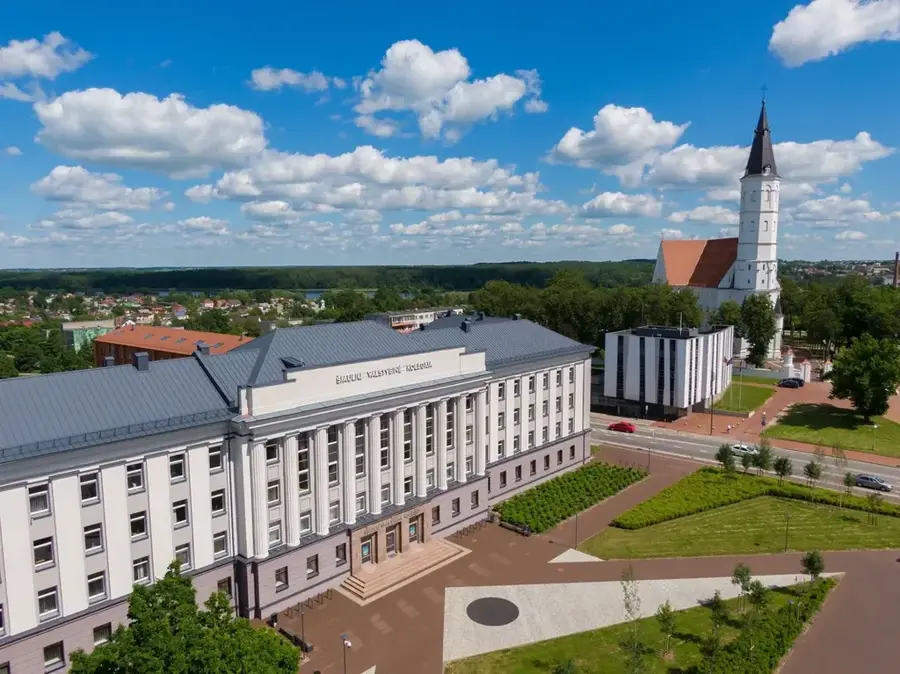
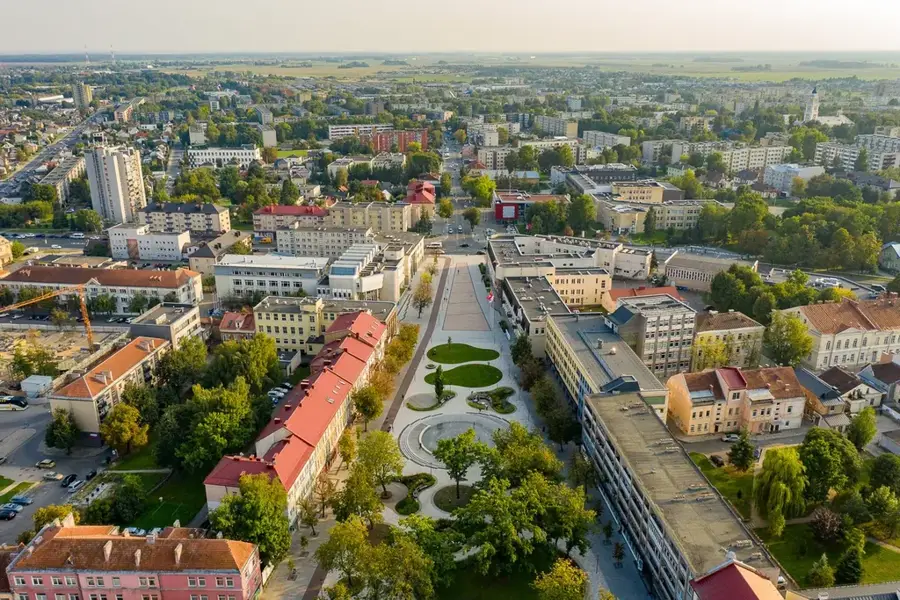
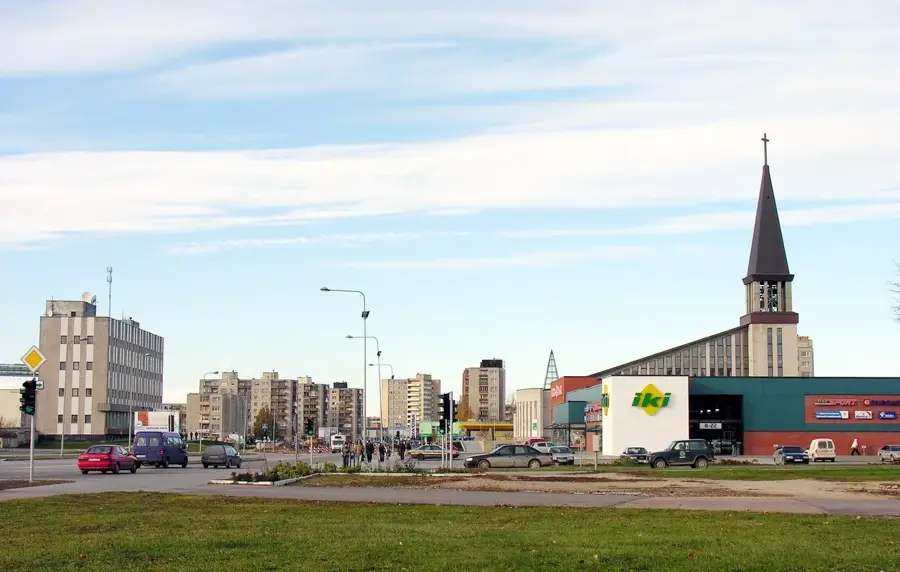
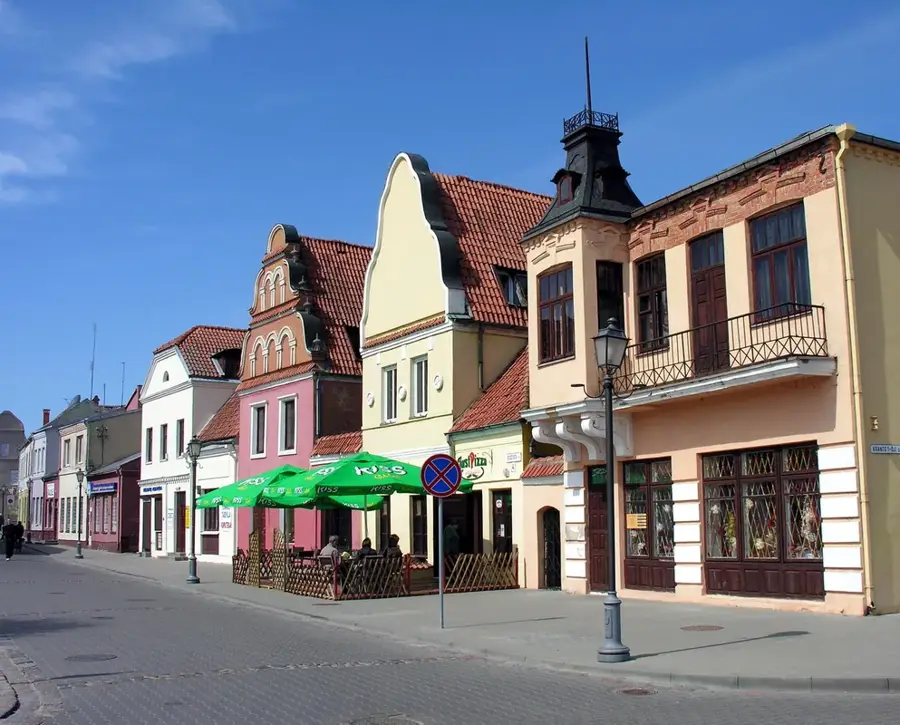
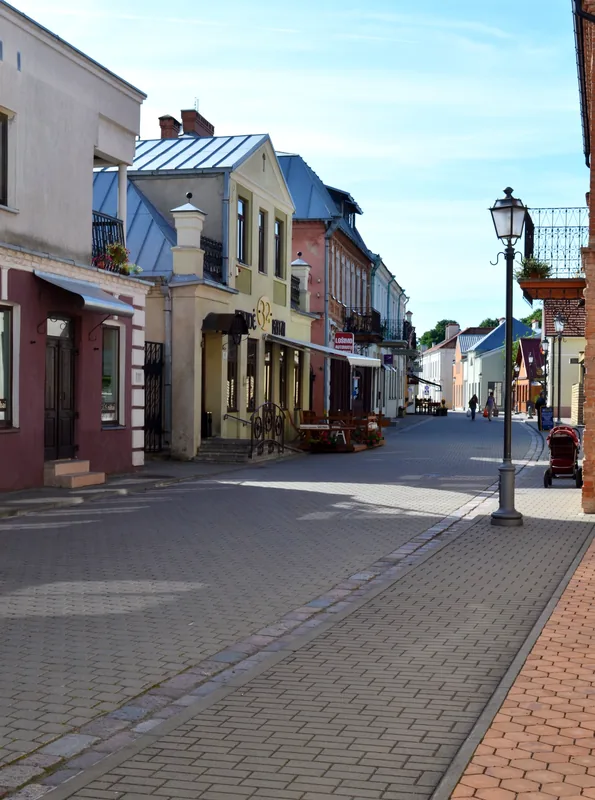
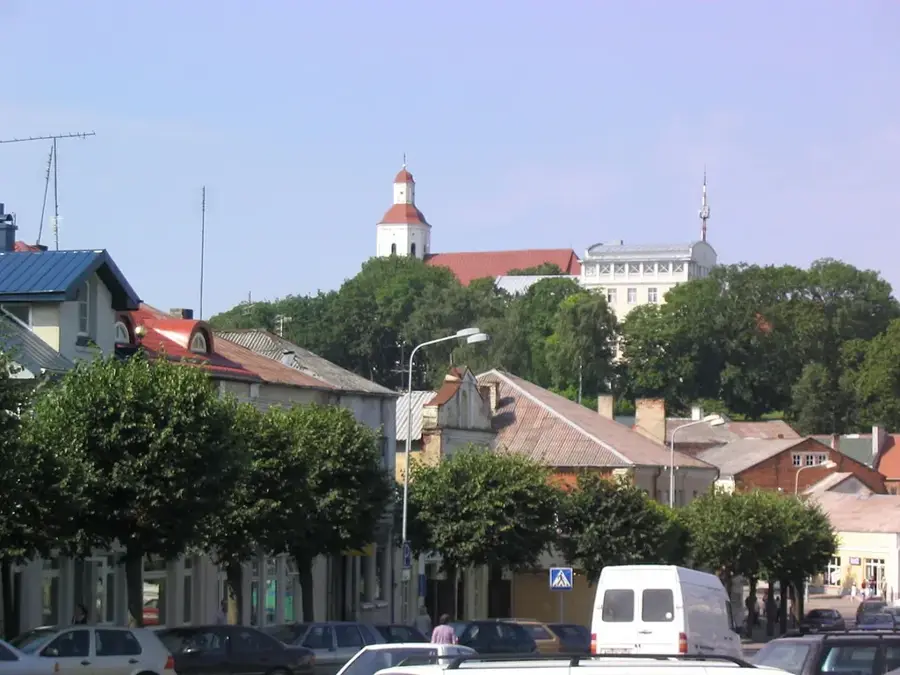
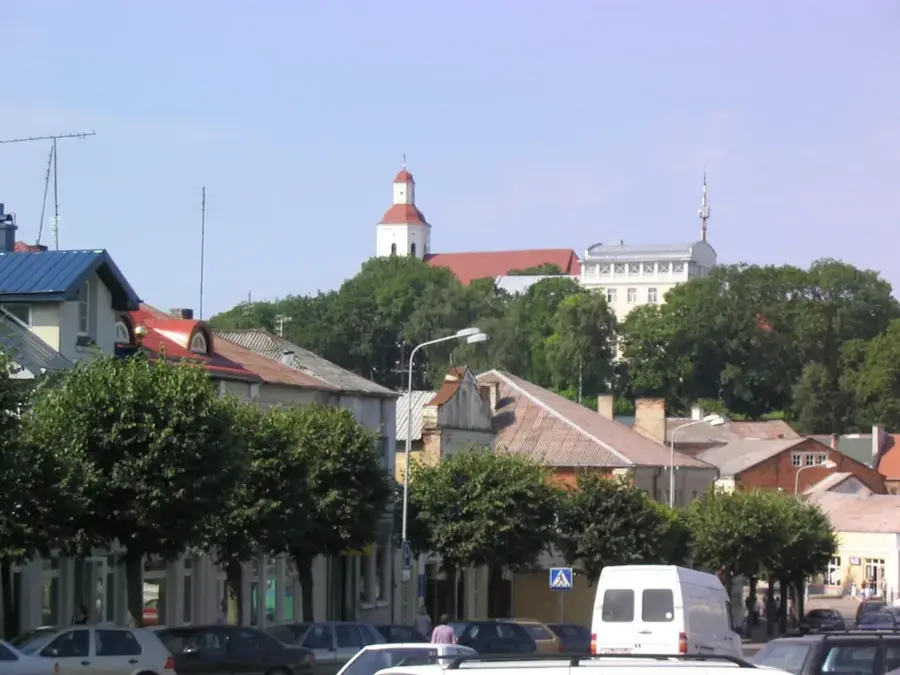
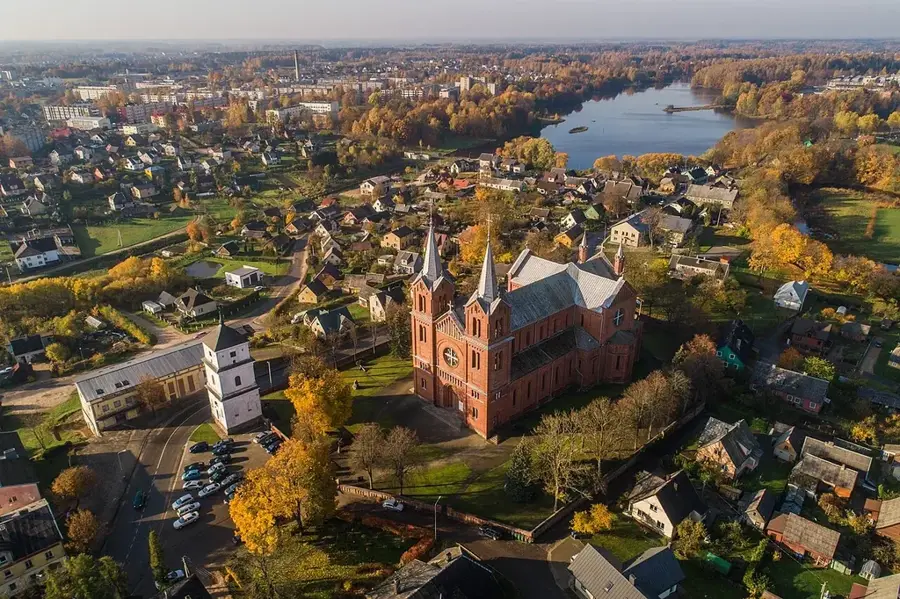
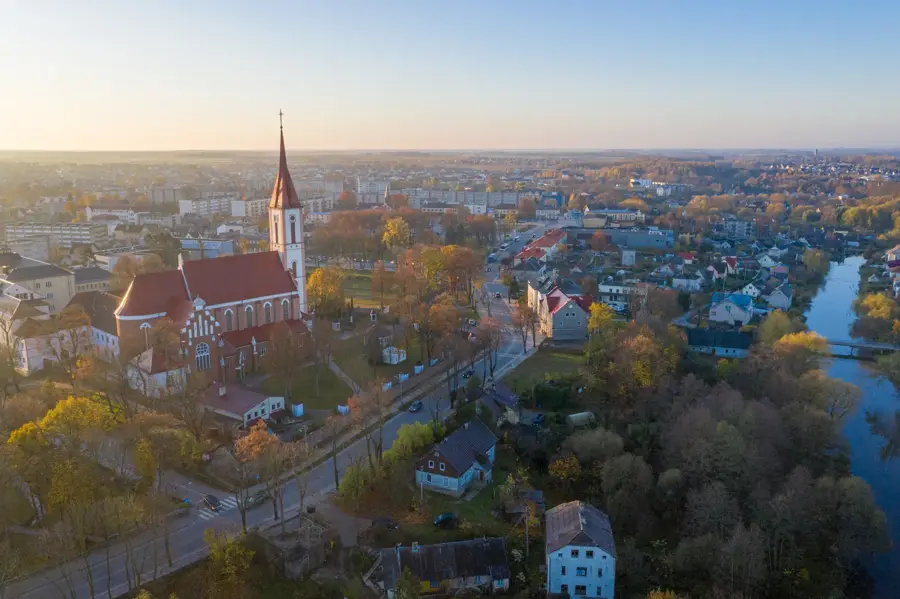
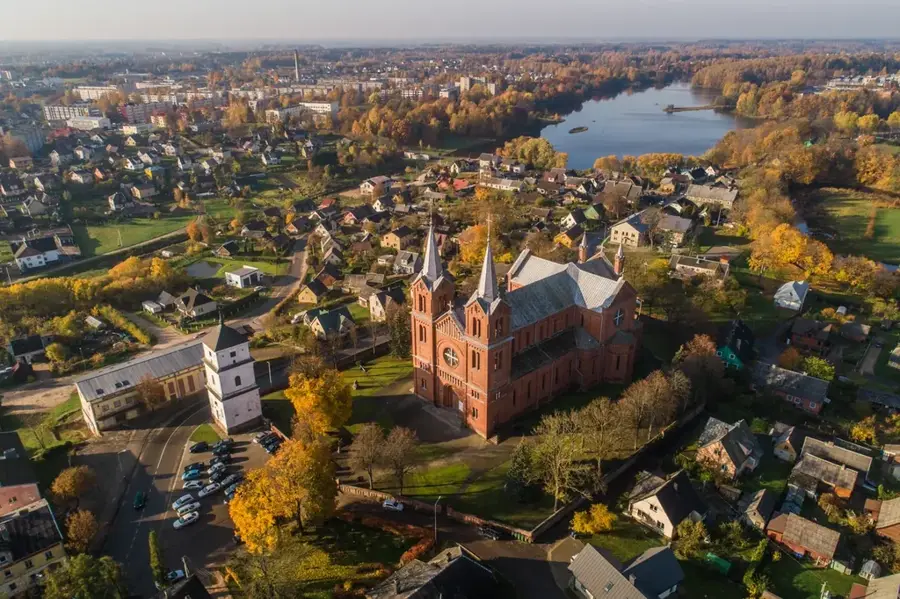
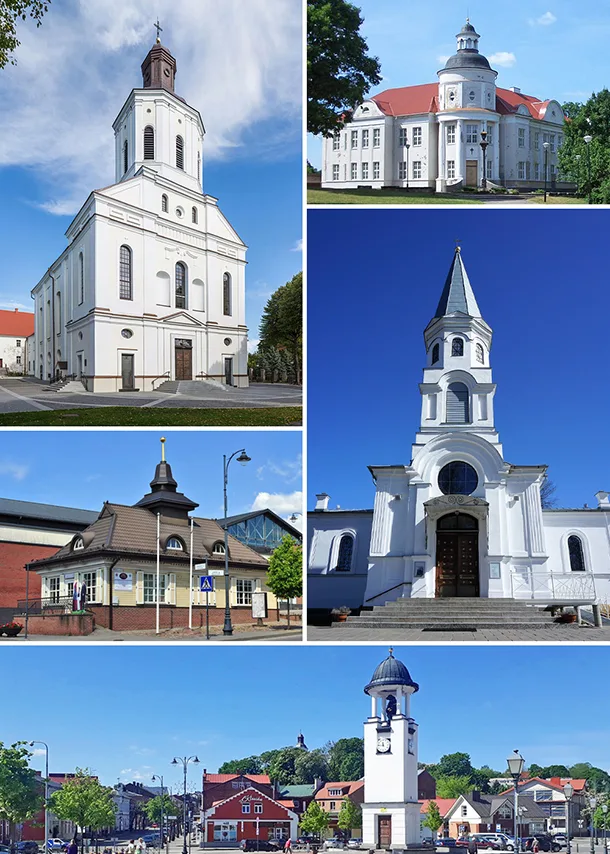
Plungė is a city located in northwestern Lithuania, recognized as a paramount cultural center of the Samogitia (Žemaitija) region. The city's historical identity is profoundly intertwined with the Oginski noble family, who established their grand residence here during the 19th century. The Oginski Palace, completed in 1879 in the Neo-Renaissance style, serves as the centerpiece of a magnificent 58-hectare park, which is among the most exquisite landscape gardens in the Baltic region. Within this park stands the legendary 'Perkūnas Oak,' a natural monument steeped in Baltic mythological tradition. During the late 19th century, Plungė emerged as a prestigious hub for education and music under Prince Mykolas Oginski, who founded an orchestral school that trained the famous composer Mikalojus Konstantinas Čiurlionis. Modern Plungė is a significant industrial site, particularly in the food processing sector, yet it meticulously maintains its spiritual status through classical music festivals and the Samogitian Art Museum housed in the palace.
- Location: Lithuania
- Top sights: Lieplaukalės piliakalnis · Plungės piliakalnis · Žemaičių dailės muziejus
- Nearby: Plateliai (15 km)
- Population: ~18.904
Best time to visit & climate
The most pleasant time to visit is Jun–Aug.
| Jan | Feb | Mar | Apr | May | Jun | Jul | Aug | Sep | Oct | Nov | Dec | |
|---|---|---|---|---|---|---|---|---|---|---|---|---|
| Avg °C | -4 | -4 | 0 | 6 | 11 | 15 | 18 | 17 | 13 | 7 | 3 | -1 |
| Rain mm | 66 | 47 | 47 | 39 | 52 | 71 | 85 | 81 | 66 | 80 | 76 | 70 |
Geography
Facts
- The Oginski Palace was designed by architect Karl Lorenz in Neo-Renaissance style in 1879.
- The Plungė manor park covers an expansive area of 58 hectares.
- The 'Perkūnas Oak' located in the park is estimated to be over 500 years old.
- Composer Mikalojus Konstantinas Čiurlionis studied at the local orchestral school from 1889 to 1893.
- Plungė was officially granted Magdeburg city rights in 1792.
- The Samogitian Art Museum has been established in the palace premises since 1994.
Explore nearby
Notable places around


Route planner — Car & Motorhome
Where do you start? We build the route here, with stops and country notes along the way.
© OpenStreetMap contributors · OpenRouteService
Sights in the town Plungė (9)
Žemaičių dailės muziejus🏛 museum
A museum located in the Plungė manor, presenting the art and culture of Samogitia.
Frequently asked questions
What is the main attraction?
Is there a museum there?
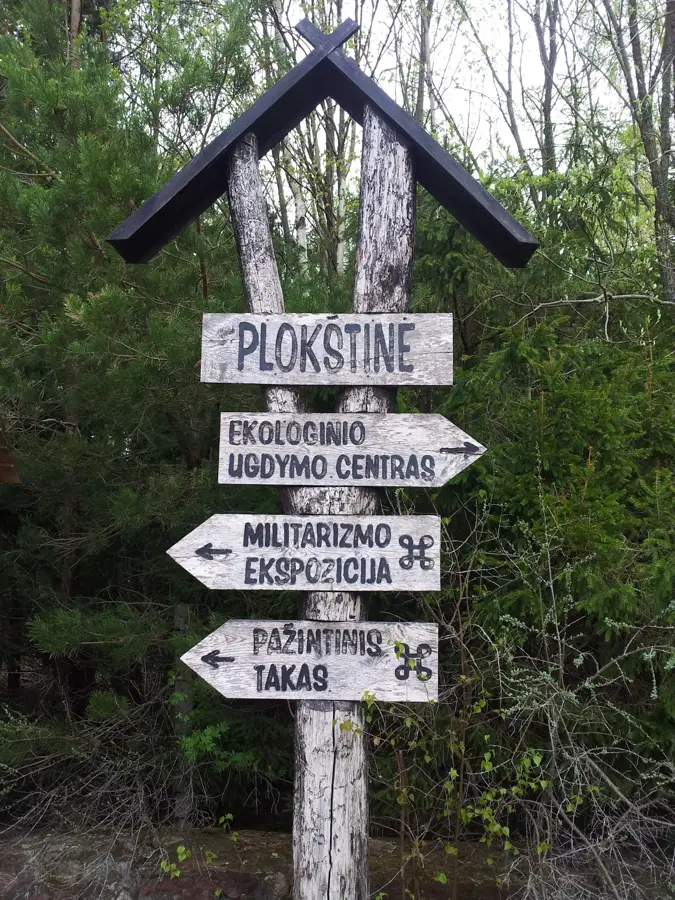
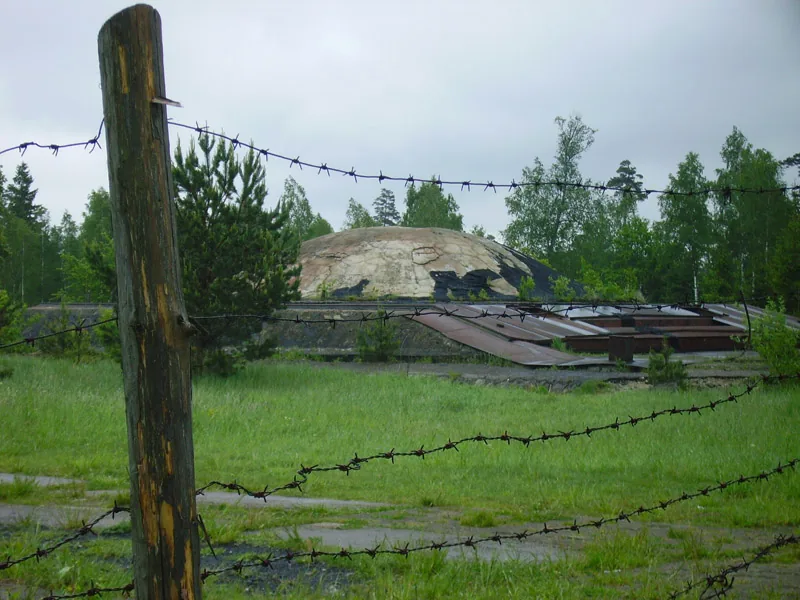
What is the Cold War Museum?
What is the park in Plungė like?
Are there any lakes?
Plungė: where is it located?
Plungė: what is there to see?
Plungė: when is the best time to visit?
Plungė: why is it worth visiting?

Nearby cities