Plizio Visual Lab
Tyre
ℹ️Practical info — Tyre
▾
🌤 Weather — 5 days
📍 Nearby
Sights nearby
💡 Tips
- Visit the Al-Mina archaeological site early in the morning to avoid the strong midday sun.
- Explore the characterful Christian quarter with its narrow, colorful alleyways on foot.
- Public beaches are free and expansive, but you can also rent loungers at private beach clubs.
- Carry Lebanese Lira in cash, as smaller vendors and cafes often do not accept cards.
🍽 Food
A traditional dish of spiced rice and fish; try it at the seafood restaurants right along the harbor.
Excellent for a filling breakfast; look for small, bustling local spots near the old souk.
Grab a layered fruit cocktail with ashta cream from one of the juice bars by the seafront.
🛍 Shopping · 🧘 Quiet spots
Wander through the old souk to buy fresh spices, nuts, and traditional Arabic sweets.
Look for locally made olive oil and laurel soaps in the artisan shops of the old town.
A quiet, protected stretch of beach south of the city, handy for relaxing walks.
This archaeological site is often less crowded in the late afternoon, offering a peaceful atmosphere.
Water temperature…
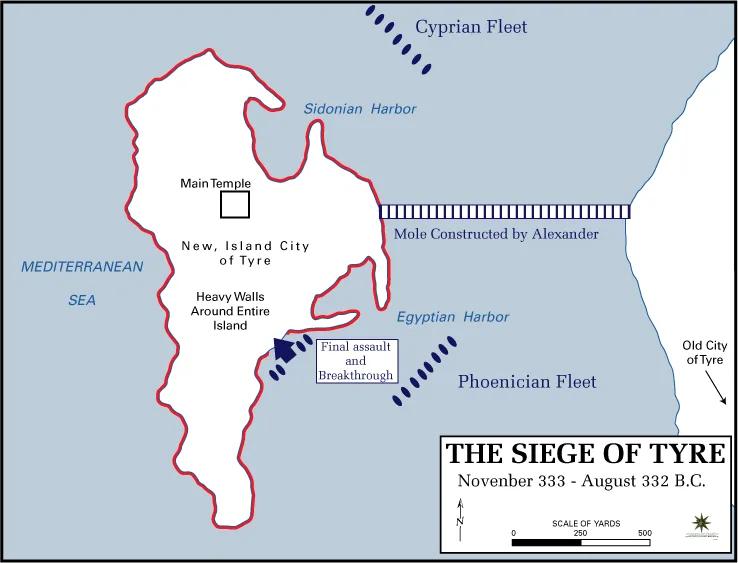
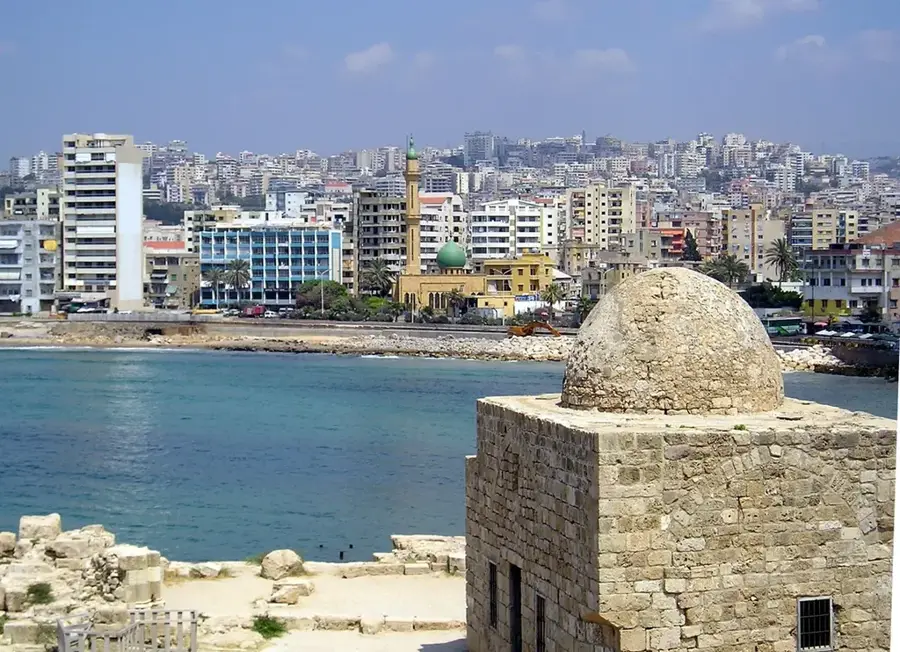
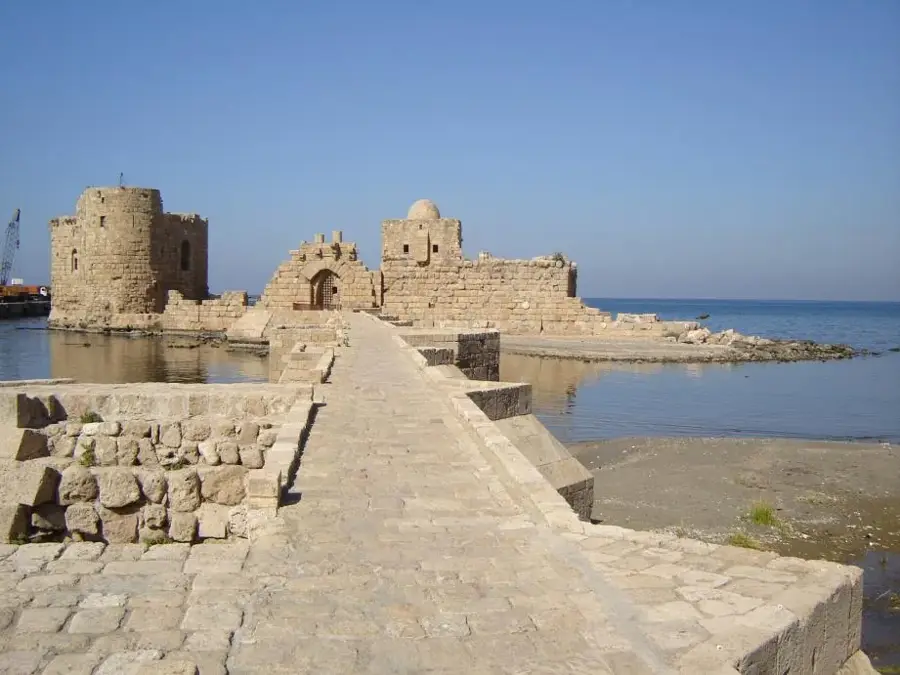
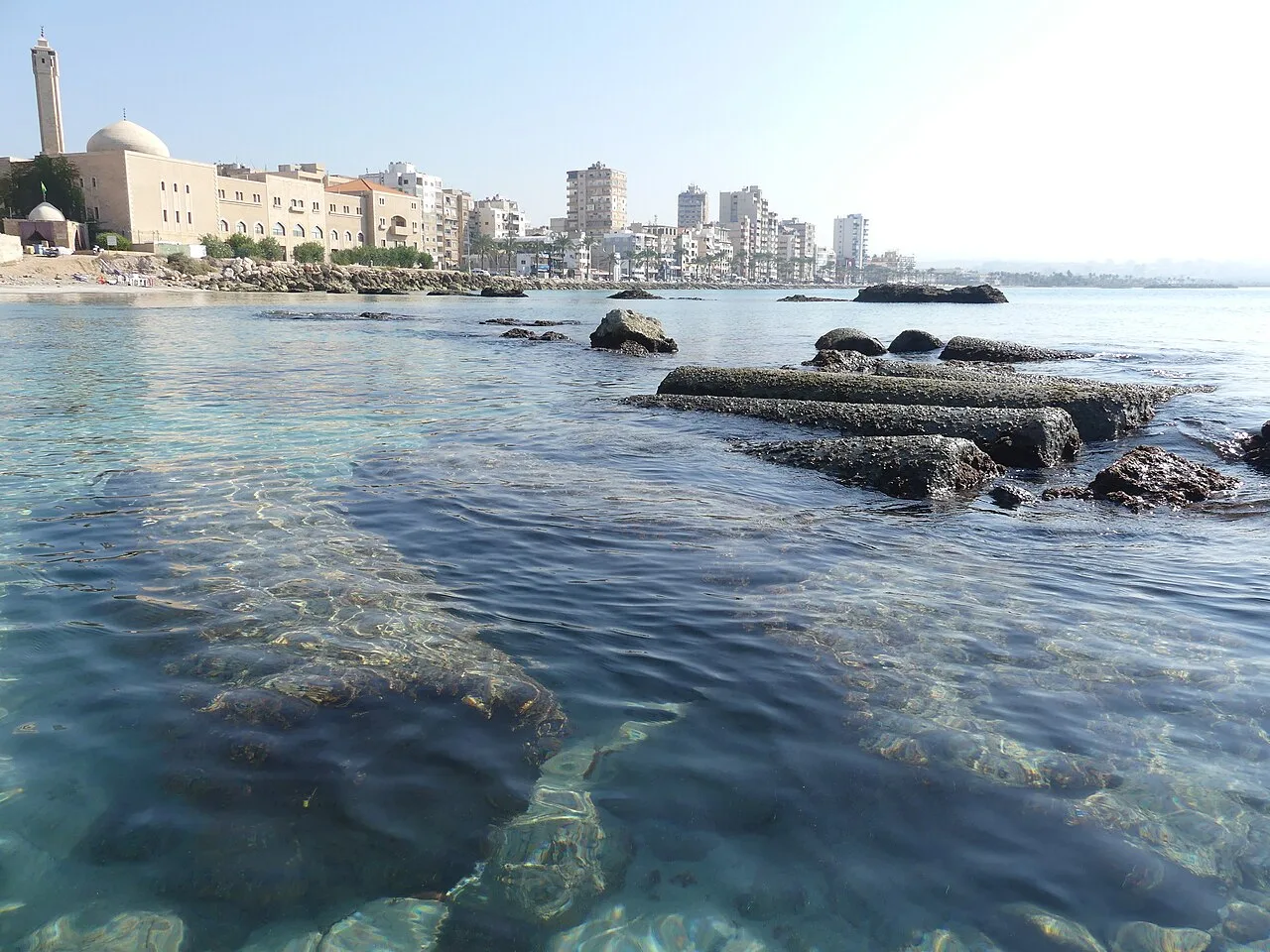
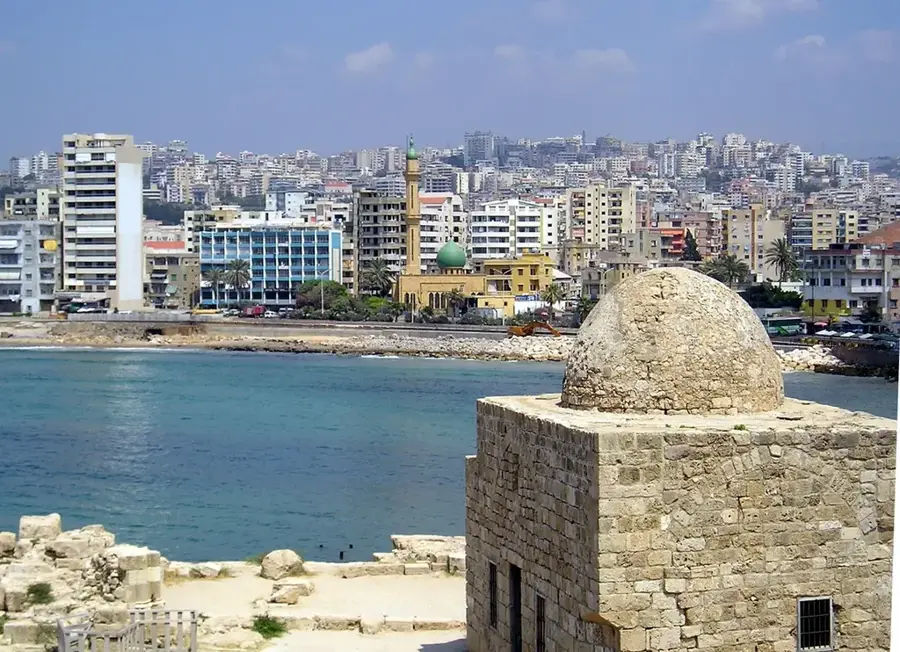
Tyre (Sur) is an ancient Phoenician city on the southern coast of Lebanon, designated as a UNESCO World Heritage site since 1984. Founded around 2750 BC, the settlement originally consisted of a mainland coastal city and an island fortress. Tyre was the primary production center for the famous Tyrian purple dye, from which the Phoenicians derived their Greek name. Alexander the Great captured the island in 332 BC after a seven-month siege by constructing a massive causeway that permanently connected it to the mainland. The city's archaeological sites are extensive, most notably featuring Roman ruins such as a massive hippodrome, which was the second largest in the Roman Empire and could seat up to 20,000 spectators. Also notable are a monumental Roman triumphal arch and a large necropolis. The modern city's population is largely Shia Muslim, and the local economy relies heavily on agriculture, tourism, and small-scale commerce.
- Location: Lebanon
- Top sights: Mameluke Fire Tower · Masjid Al Imam As Sadiq · Khadra Mosque
- Nearby: Bint Jbeil (29 km)
- Population: ~135.204 (2024)
Best time to visit & climate
The most pleasant time to visit is May, Jun, Nov.
| Jan | Feb | Mar | Apr | May | Jun | Jul | Aug | Sep | Oct | Nov | Dec | |
|---|---|---|---|---|---|---|---|---|---|---|---|---|
| Avg °C | 16 | 16 | 17 | 18 | 21 | 24 | 26 | 27 | 26 | 25 | 21 | 18 |
| Rain mm | 134 | 106 | 64 | 32 | 14 | 6 | 4 | 3 | 7 | 32 | 72 | 118 |
Geography
Facts
- Tyre has been a designated UNESCO World Heritage site since 1984.
- In antiquity, it was the main production center for Tyrian purple dye.
- Alexander the Great captured the island in 332 BC using a causeway.
- The Roman hippodrome was the second largest in the Roman Empire.
- The archaeological ruins include a vast necropolis and a triumphal arch.
Explore nearby
Notable places around


Route planner — Car & Motorhome
Where do you start? We build the route here, with stops and country notes along the way.
© OpenStreetMap contributors · OpenRouteService
Sights in the town Tyre (9)
Tyre Hippodrome
Roman circus in Tyre, Lebanon, used for chariot races in antiquity.
Monumental arch
Monumental arch in Tyre, a remnant of Roman urban architecture.
Tyre Al-Bass World Heritage Site
UNESCO World Heritage site in Tyre, including the necropolis and Roman triumphal arch.
Tyr Ruins
Ruins of the ancient city of Tyre, with remains from Roman and Byzantine periods.
Antipatros Sepulchre
Tomb of Antipatros in Tyre, an ancient burial site from the Hellenistic period.
Tyre World Heritage Site
UNESCO World Heritage site in Tyre, featuring Phoenician and Roman ruins.
Frequently asked questions
What Roman ruins are there in Tyre?
Does Tyre have beautiful beaches?
Is the old city of Tyre inhabited?
What was Tyre famous for in antiquity?
Is there a nature reserve?
Tyre: where is it located?
Tyre: what is there to see?
Tyre: when is the best time to visit?
Tyre: why is it worth visiting?

Nearby cities
History & landmarks
Nature
More places