Plizio Visual Lab

National Museum of Beirut
Plizio editorial teamData Sources
Landmark
—°10
National Museum of Beirut (Lebanon)

Weather…

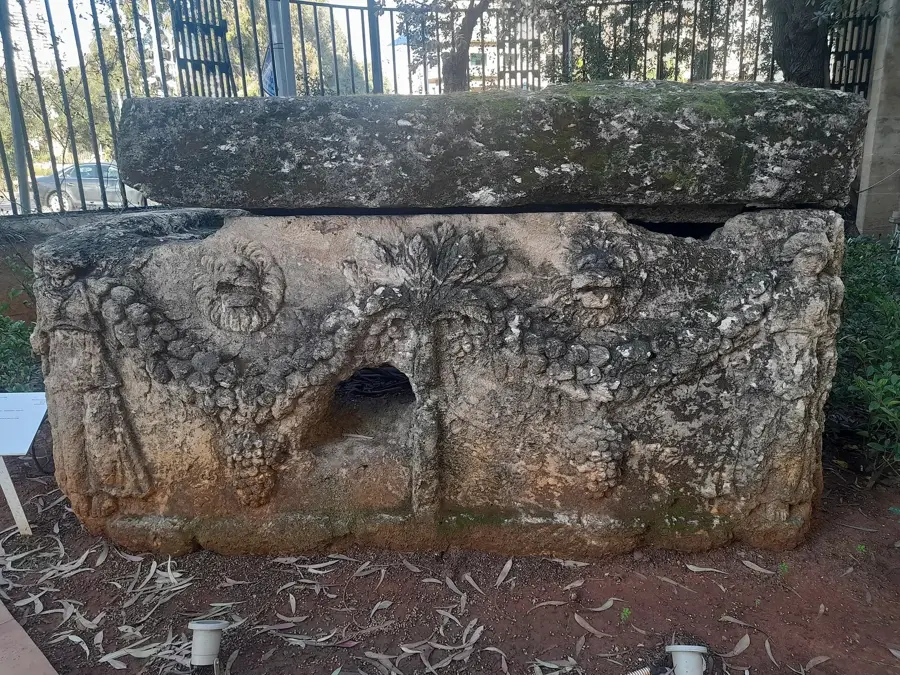
The National Museum of Beirut is Lebanon's principal archaeological museum, housing a world-class collection spanning from prehistory to the Ottoman era. The Egyptian-revival building was officially opened in 1942 and was located directly on the 'Green Line' that divided the city during the Lebanese Civil War (1975-1990). To safeguard the most valuable artifacts from destruction, curators encased large statues in concrete and hid smaller objects in the basement. Following the conflict, the severely damaged building underwent extensive restoration and successfully reopened in 1999. Among its most significant exhibits is the sarcophagus of King Ahiram, which features the earliest known inscription of the Phoenician alphabet. The museum's three floors display over 1,300 carefully selected artifacts, providing a chronological journey through the region's diverse cultural heritage. It stands today as a national symbol of cultural continuity and resilience.

Best time to visit & climate

The most pleasant time to visit is May, Jun, Oct.

JanFebMarAprMayJunJulAugSepOctNovDec
Avg °C111214172124262625221713
Rain mm11582432392015235696

📋 Practical info

🚪
Visiting
The National Museum of Beirut is the principal archaeological museum in Lebanon, showcasing the country's rich history from prehistory to the Ottoman era. The indoor exhibitions provide an excellent overview.
🕒
Typical hours
The museum is typically open Tuesday to Sunday from 9 AM to 5 PM. It is closed on Mondays and Lebanese public holidays; checking in advance is recommended.
📷
Photography
Photography without flash is allowed in most areas. Some sarcophagi and mosaics may have restrictions due to their fragility.
⏱️
Time needed
Allow about two hours for the museum visit. The extensive collection of Phoenician and Roman artifacts requires time for a thorough viewing.
Combine with
The museum is in the Badaro district, near the Beirut Hippodrome and the Sodeco area. Combine your visit with a walk through the lively neighborhood or to the nearby National Park.
🧭
Getting there
The museum is easily reached by taxi or bus. It lies on the main road and is also well served by the local train (Biblo).
💡
Insider tip
Make use of the free audio guide to learn the stories behind the artifacts. Visit the museum in the morning to avoid crowds.

Geography

Coordinates
33.87780, 35.51470

Facts

  • The museum was officially inaugurated on May 27, 1942.
  • King Ahiram's sarcophagus dates back to the 10th century BC.
  • The total collection includes approximately 100,000 archaeological objects.
  • Over 1,300 selected artifacts are currently on public display.
  • The building was designed by Antoine Nahas and Pierre Leprince-Ringuet.
  • The basement houses a unique collection of Phoenician anthropoid sarcophagi.

Explore nearby

Notable places around
Route planner — Car & Motorhome

Where do you start? We build the route here, with stops and country notes along the way.

Vehicle
Only stops with (optional):

© OpenStreetMap contributors · OpenRouteService

Sights in the town National Museum of Beirut (10)

Sunflower Theatre🎭 culture

Independent performing arts space located in the Badaro neighborhood.

Samar📍 landmark

Local attraction in the museum district of Beirut.

kateb l aadel🏰 castle

Historic building or office located in the central museum area.

🕒 24/7

Corm House📍 landmark

Historic residence of Charles Corm, known for its art deco style and large garden.

Mim Museum🏛 museum

Private mineral museum at USJ university housing a vast collection of crystals.

Qasqas📍 landmark

Urban area adjacent to the Horsh Beirut park, known for its traditional character.

Horsh Beirut🌳 park

The city's largest green space, consisting of a vast urban pine forest.

Mar Nohra Theatre🎭 culture

Local theater venue associated with the Saint Nohra parish community.

National Museum🏛 museum

Major archaeological museum featuring a world-class collection of Phoenician artifacts.

🕒 Tu-Su 09:30-17:00

Syriac Church Sioufi⛪ religious

Church located in the elevated Sioufi district of Ashrafieh.

Sights nearby

Frequently asked questions

What are the most important exhibits?
Highlights include the Phoenician sarcophagi and the bronze statuettes from Byblos.
How long does a visit take?
A thorough tour of all floors takes about 1.5 to 2 hours.
Is photography allowed in the museum?
Yes, photography for private use is allowed without flash or tripod.
Is the museum accessible?
Yes, the museum is equipped with elevators and ramps for wheelchair users.
Is there an audio guide?
Yes, audio guides are often available at the reception in several languages.
National Museum of Beirut: where is it located?
National Museum of Beirut is located in Lebanon.
National Museum of Beirut: what is there to see?
Highlights include Sunflower Theatre, Samar, kateb l aadel.
National Museum of Beirut: when is the best time to visit?
The most pleasant time to visit is May, Jun, Oct.
National Museum of Beirut: why is it worth visiting?

The National Museum of Beirut is Lebanon's principal archaeological museum, housing a world-class collection spanning from prehistory to the Ottoman era.
View on map → The Top 50 Attractions → OpenStreetMap →
Asia
Explore with Plizio Discover more places in Asia
More places in Lebanon →

Nearby cities

History & landmarks
Nature

More places