Plizio Visual Lab
Sekong
ℹ️Practical info — Sekong
▾
🌤 Weather — 5 days
📍 Nearby
Sights nearby
💡 Tips
- Sekong is very quiet; don't expect any nightlife, but rather use the time to completely slow down.
- ATMs are available but don't always work; to be safe, withdraw enough cash in Pakse.
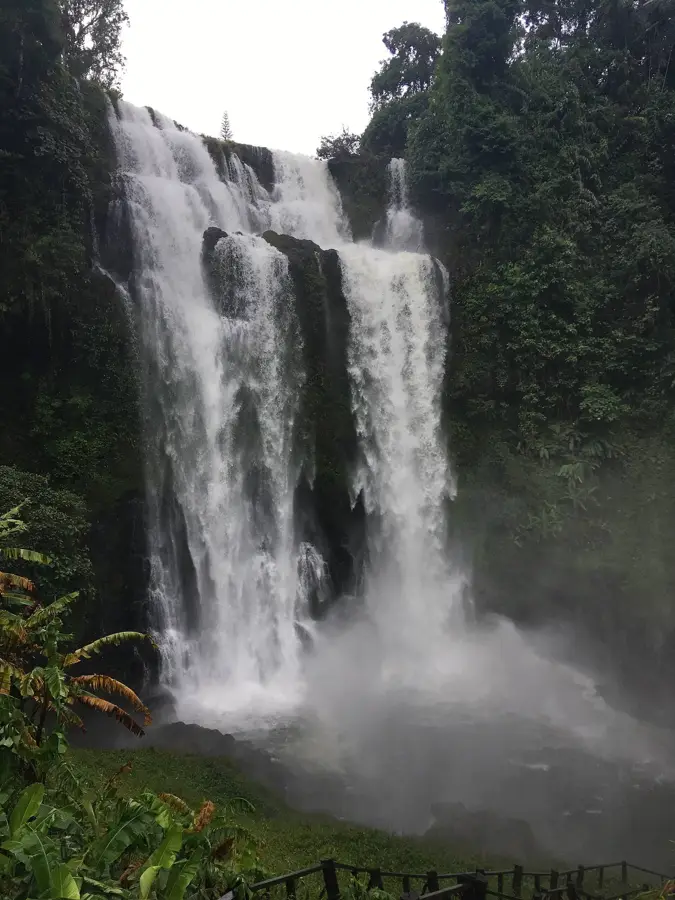
- Public transport is practically non-existent; for trips to nearby waterfalls, it's best to rent a scooter or hire a tuk-tuk for the day.
- A large part of the population belongs to ethnic minorities; approach local traditions with respect.
🍽 Food
Treat yourself to a cozy barbecue evening at one of the simple riverside local eateries.
A simple but always fresh dish available at the small food stalls near the market.
Nothing fits the relaxed vibe of Sekong better than a cold beer in the evening.
🛍 Shopping · 🧘 Quiet spots
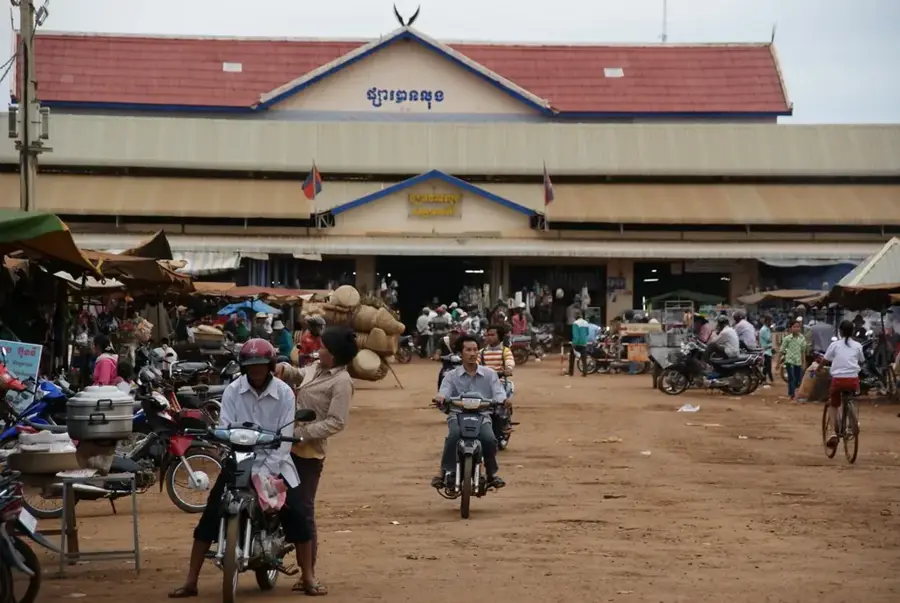
The market is the heart of the town. Early in the morning, you'll see people from surrounding villages in traditional dress here.
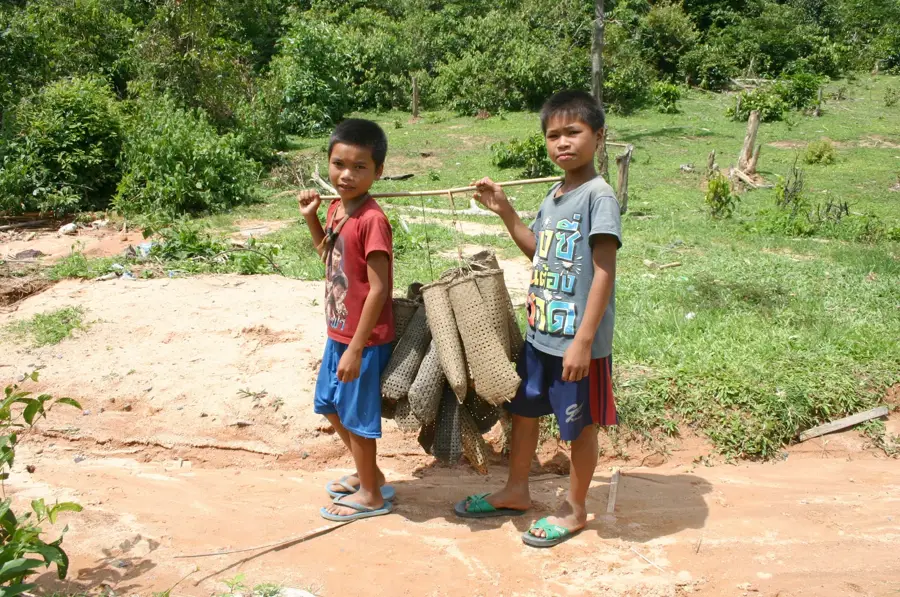
You can sometimes find simple woven baskets or textiles from the hill villages at the market.
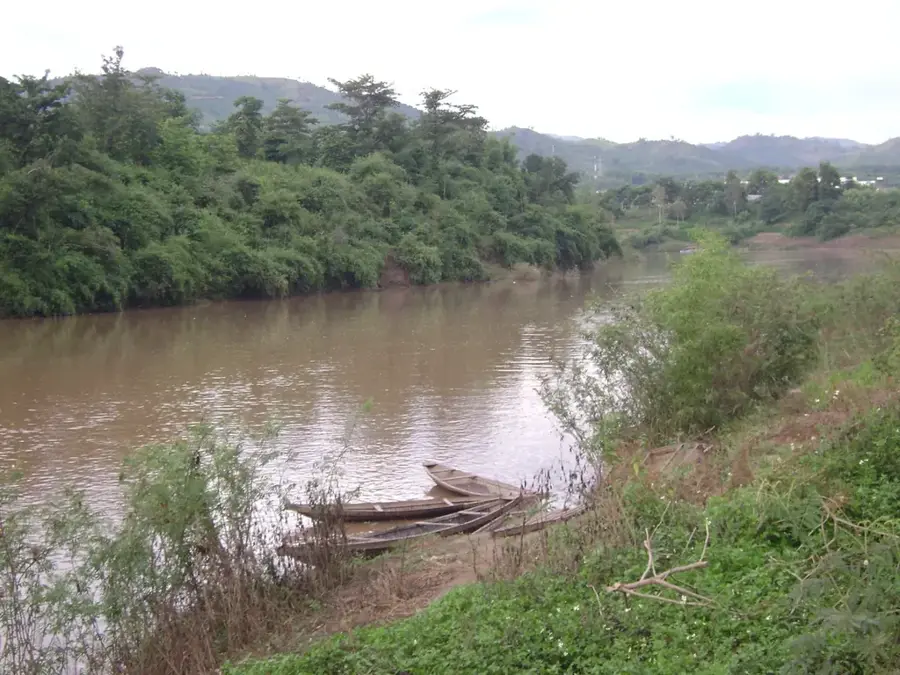
The riverbank is well-suited for watching the quiet activity on the water.
Walk across the bridge at dusk to enjoy great views of the unspoiled nature.
Water temperature…
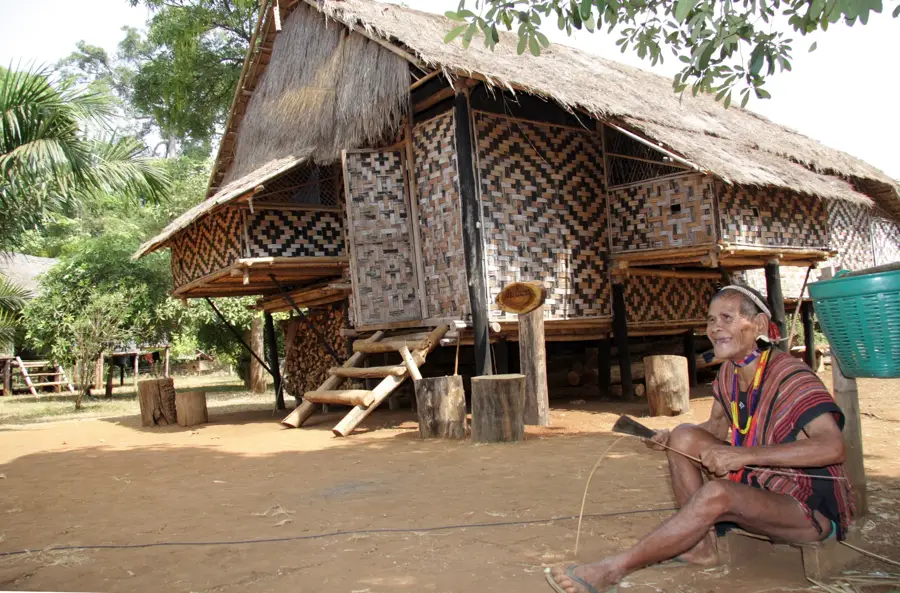
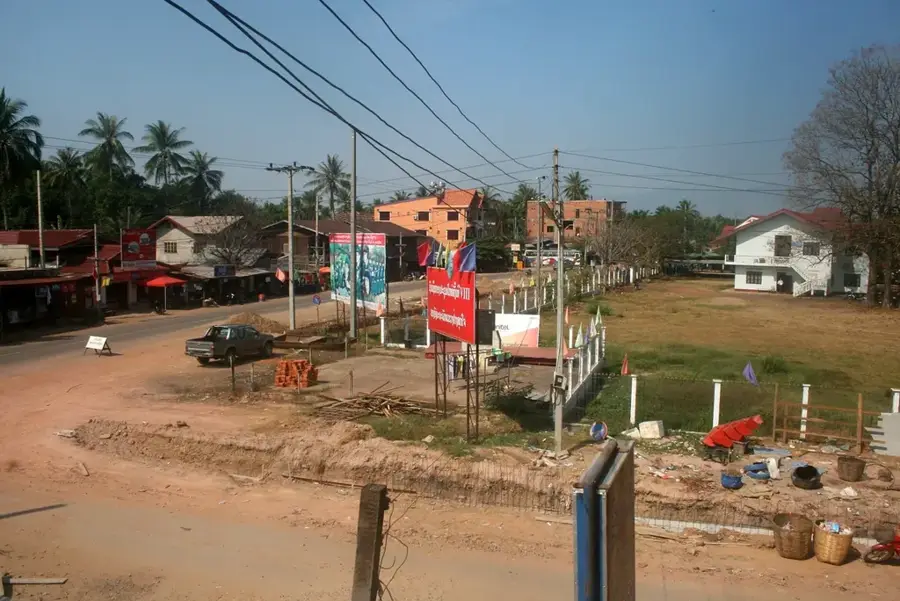
Sekong, officially Lamam, is the capital of the province of the same name, which was created in 1984 from parts of Salavan and Attapeu provinces. It lies in the far southeast of Laos on the Sekong River, a major tributary of the Mekong, in a transition zone between the Bolaven Plateau and the Annamite Range. The town itself is one of the smallest and quietest provincial capitals in the country, with only a modest number of administrative buildings, schools and markets. Sekong stands out for its ethnic diversity, home to groups such as Katu, Alak, Triang, Nge and Tariang, whose traditional stilt houses and ceremonial cemeteries can still be seen in the surrounding upland villages. The economy relies on subsistence agriculture, logging and small-scale mining.
- Location: Laos
- Nearby: Attapeu (21 km)
- Population: ~20.116 (2026)
Best time to visit & climate
The most pleasant time to visit is Jan, Feb, Dec.
| Jan | Feb | Mar | Apr | May | Jun | Jul | Aug | Sep | Oct | Nov | Dec | |
|---|---|---|---|---|---|---|---|---|---|---|---|---|
| Avg °C | 23 | 25 | 28 | 29 | 28 | 26 | 25 | 25 | 25 | 24 | 24 | 22 |
| Rain mm | 9 | 7 | 32 | 51 | 117 | 137 | 230 | 250 | 223 | 130 | 49 | 29 |
Geography
Facts
- The smallest provincial capital in Laos, situated along the banks of the Sekong River.
- The province was created in 1984 by carving out parts of Salavan and Attapeu.
- Extremely culturally diverse, home to over 14 distinct ethnic minority groups.
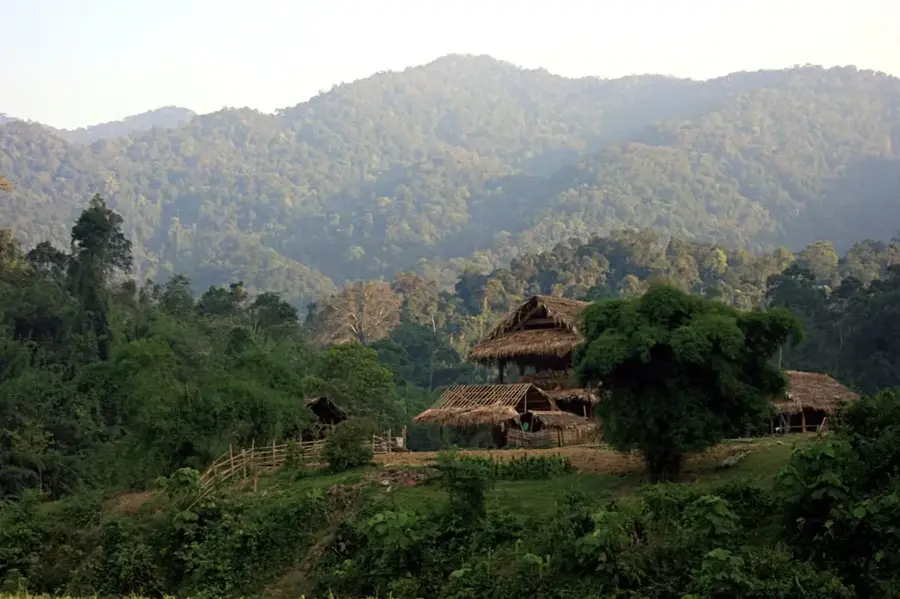
- Surrounded by dense tropical forests and remote mountainous landscapes.
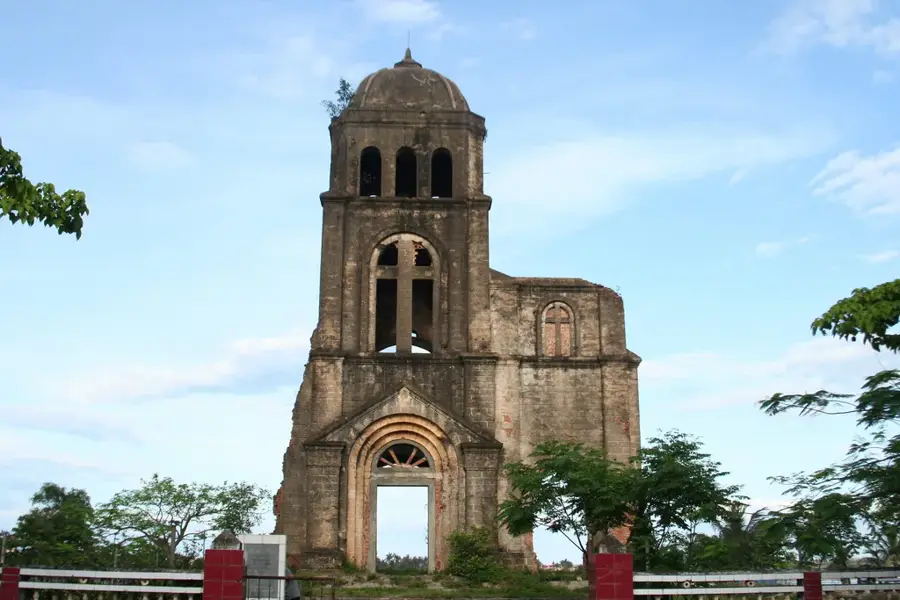
- The town lacks typical French colonial architecture due to its recent establishment.
- Economy heavily relies on agriculture and small-scale river-based trade.
Explore nearby
Notable places around


Route planner — Car & Motorhome
Where do you start? We build the route here, with stops and country notes along the way.
© OpenStreetMap contributors · OpenRouteService
Frequently asked questions
What kind of city is Sekong?
What activities are available in the area?
What is the ethnic composition like?
Are there hotels?
How do you get from Pakse to Sekong?
Sekong: where is it located?
Sekong: when is the best time to visit?
Sekong: why is it worth visiting?
Nearby cities
Nature
More places