Plizio Visual Lab

Xe Sap National Park

Plizio editorial teamData Sources
national-park
—°
Xe Sap National Park (Laos)

Weather…

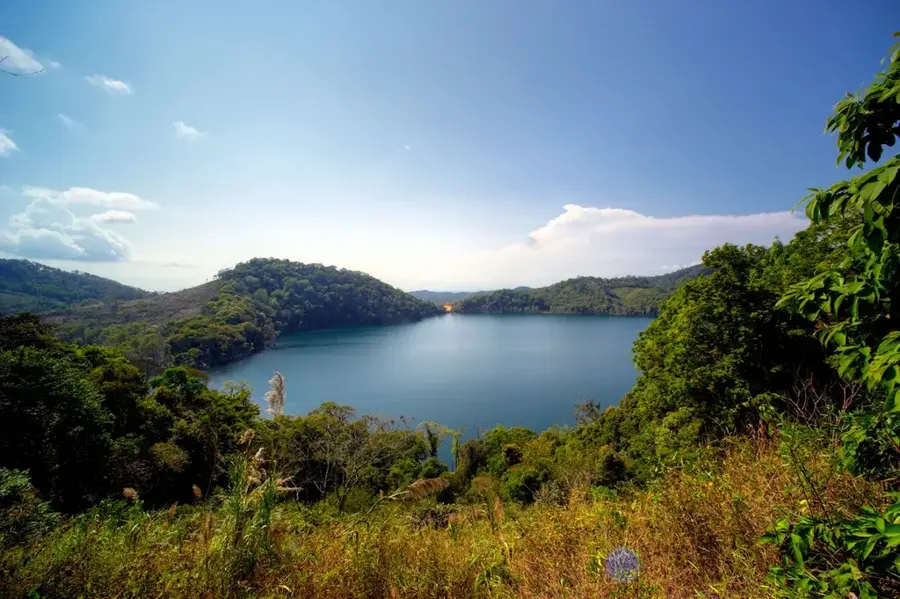
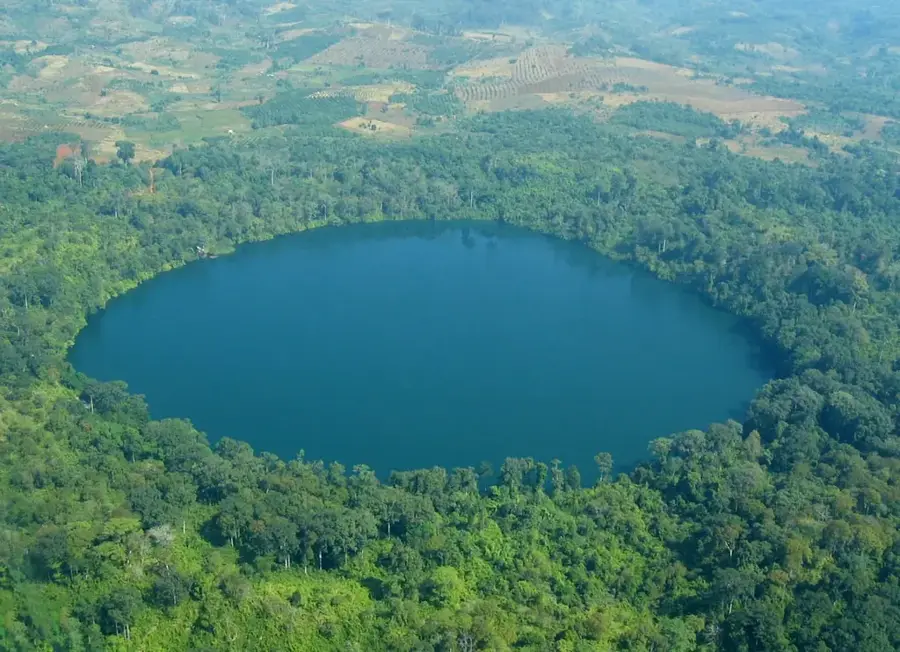
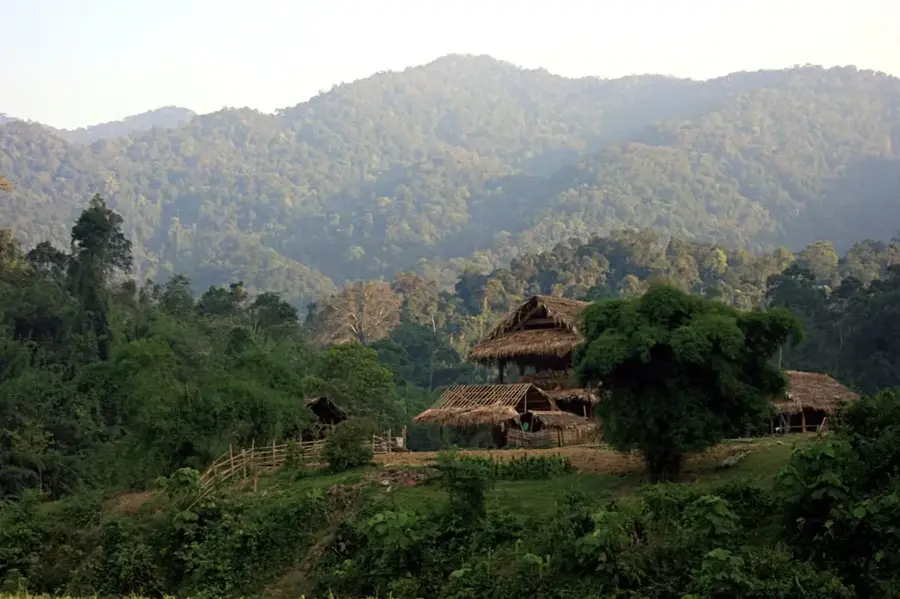
Xe Sap National Park spans the Salavan and Xekong provinces in southern Laos, running along the border with Vietnam. Established in 1995, the park covers an area of approximately 1,500 square kilometers within the central Annamite Mountains. This region is of outstanding ecological significance due to its extreme altitudinal range and remote location. The park is home to some of the world's rarest wildlife, including the Saola, a forest-dwelling bovine that was only discovered by science in the 1990s. The flora ranges from tropical lowland forests to montane evergreen forests at elevations exceeding 2,000 meters. The steep terrain and dense rainforest render large areas of the park nearly inaccessible, acting as a natural defense against poaching and illegal logging. Xe Sap also serves as a critical watershed for rivers flowing into the Mekong and plays a central role in ecological connectivity between Laos and Vietnam.

Best time to visit & climate

The most pleasant time to visit is Feb–Apr.

JanFebMarAprMayJunJulAugSepOctNovDec
Avg °C181922242524242323212018
Rain mm532237489076110161287394263168

📋 Practical info

🧭
Getting there
Access is exceedingly difficult, usually starting from Salavan or Sekong, requiring a very capable 4x4 vehicle and an experienced local driver to navigate dirt tracks. The park has very little tourism infrastructure, making independent access almost impossible.
📅
Best season
Visits are strictly limited to the height of the dry season from December to February when dirt access roads are somewhat passable. During the rainy season, the steep terrain becomes a perilous mess of deep mud, landslides, and impassable swollen rivers.
⛰️
Terrain & paths
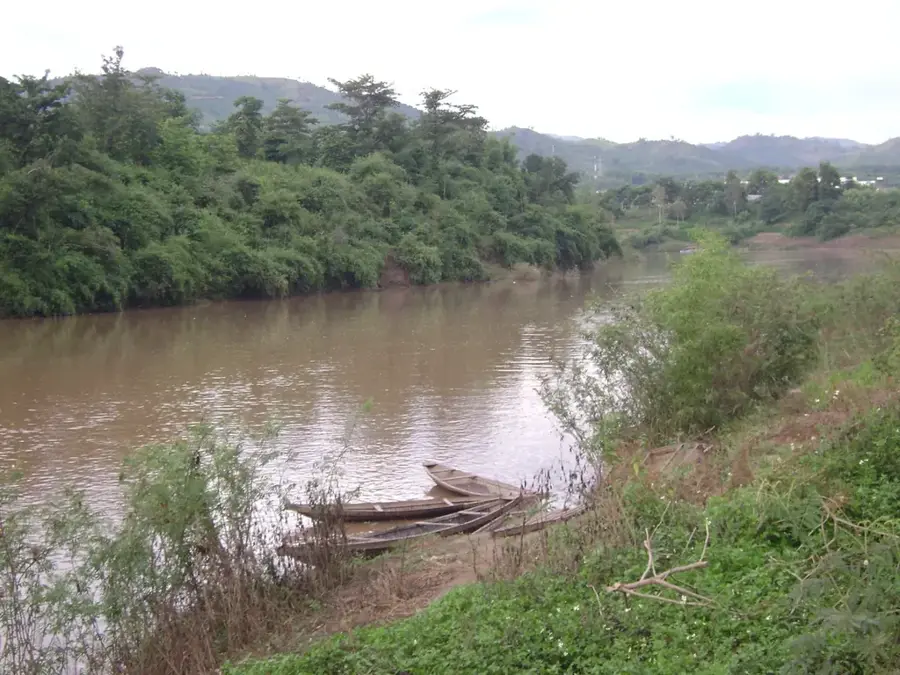
The environment is defined by incredibly steep slopes, deep ravines, and exceptionally dense evergreen jungle without formal trails. Trekking here is a genuine expedition-style undertaking that requires hacking through thick undergrowth and navigating rough, mountainous terrain.
🎒
What to bring
Comprehensive jungle expedition gear is mandatory, including heavy-duty trekking boots, thick leech socks, a machete, and long protective clothing. Visitors must bring their own camping equipment, comprehensive first aid supplies, food, and water filtration systems.
🅿️
Parking
Vehicles are usually left in the nearest provincial capital or with a trusted local connection before continuing on specialized local transport. There are no designated parking lots at the park boundaries, only remote trailheads near isolated villages.
⚠️
Safety
This area carries extreme risks from venomous snakes, tropical diseases, and unexploded ordnance (UXO) remaining from the Indochina wars. Venturing into this wilderness without specialized local guides and explicit governmental permissions is extremely hazardous.
⏱️
Time needed
Any meaningful foray into Xe Sap requires an expedition lasting from five to ten days, accounting for the brutal access logistics and slow trekking pace. This destination is strictly for hardcore adventurers, not casual day-trippers.

Geography

Coordinates
16.08000, 106.85000

Facts

  • The park covers an area of approximately 1,500 square kilometers.
  • It was officially established as a protected area in 1995.
  • It is located in the Annamite Range on the Vietnam border.
  • Highest peaks within the park exceed 2,000 meters in elevation.
  • The park is a key habitat for the critically endangered Saola.
  • It spans across the provinces of Salavan and Xekong.

Explore nearby

Notable places around

Route planner — Car & Motorhome

Where do you start? We build the route here, with stops and country notes along the way.

Vehicle
Only stops with (optional):

© OpenStreetMap contributors · OpenRouteService

Sights nearby

Frequently asked questions

Where is Xe Sap National Park located?
It is located in the Annamite Mountains on the border with Vietnam, in Salavan and Sekong provinces.
Are there rare animals there?
Yes, the park is one of the last refuges for the rare Saola.
What is the climate like in Xe Sap?
Due to the altitude, it is often cool and misty, with high levels of rainfall.
Is the park suitable for normal trekking?
It is a very remote region for experienced hikers; expeditions must be carefully planned.
What landscapes can be found there?
The landscape includes montane rainforests, pine stands, and alpine meadows.
Xe Sap National Park: where is it located?
Xe Sap National Park is located in Laos.
Xe Sap National Park: when is the best time to visit?
The most pleasant time to visit is Feb, Apr.
Xe Sap National Park: why is it worth visiting?

Xe Sap National Park spans the Salavan and Xekong provinces in southern Laos, running along the border with Vietnam.
View on map → The Top 50 Attractions → OpenStreetMap →
Asia
Explore with Plizio Discover more places in Asia
More places in Laos →

Nearby cities

History & landmarks
Nature
More places