Plizio Visual Lab
Battle of Yarmouk Site
Weather…
Water temperature…
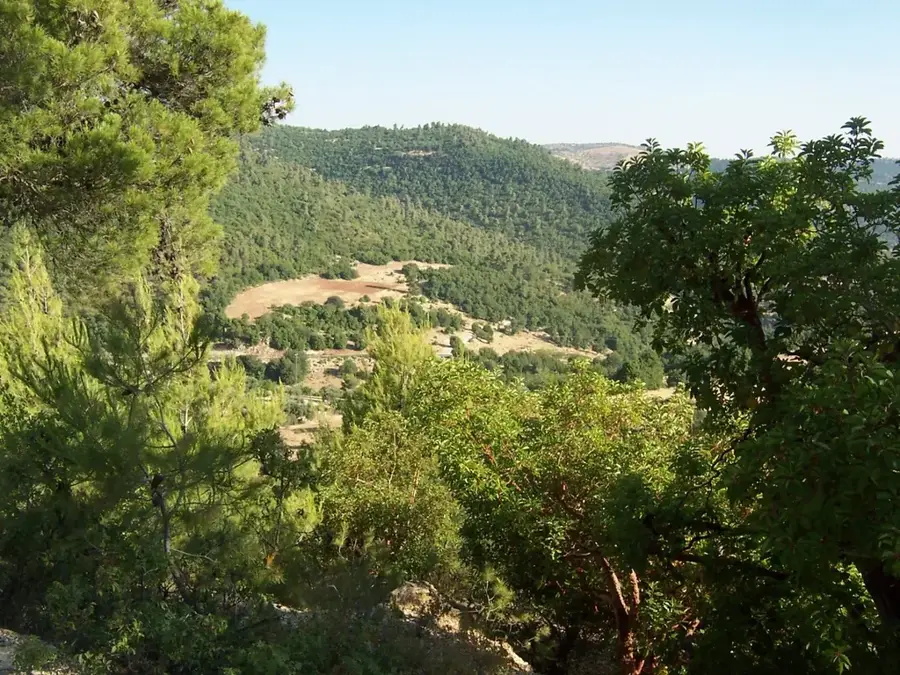
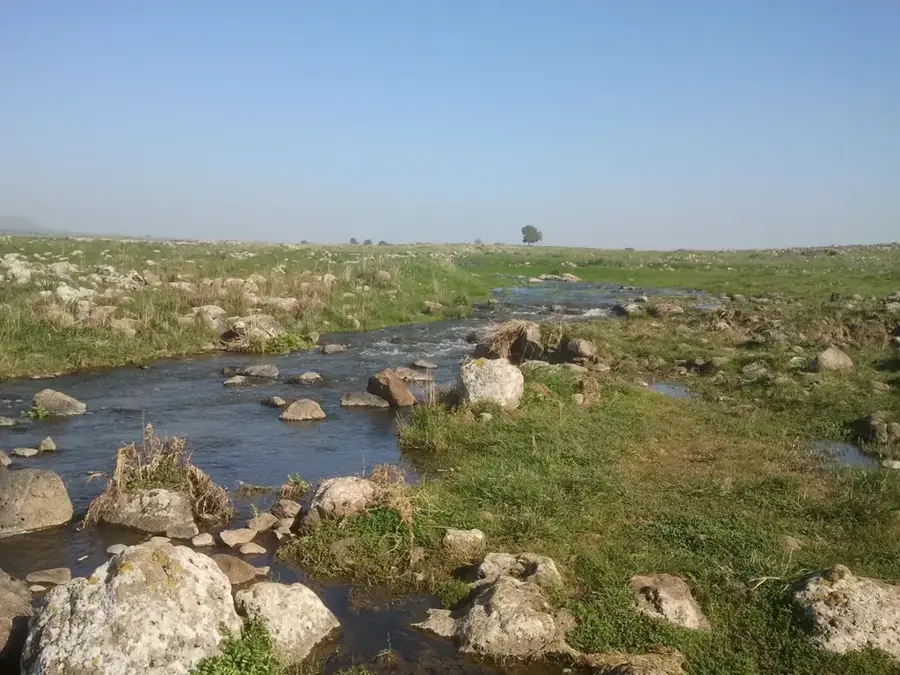
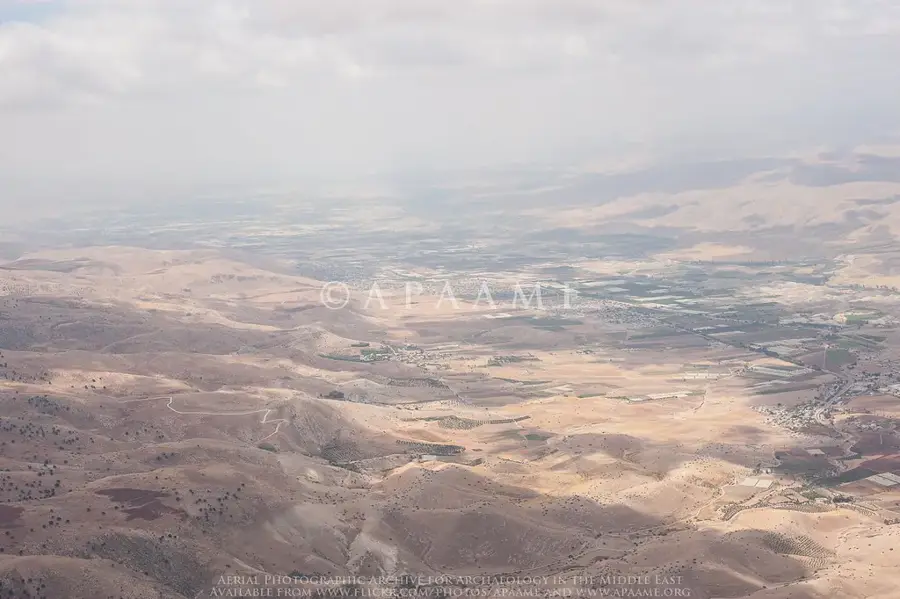
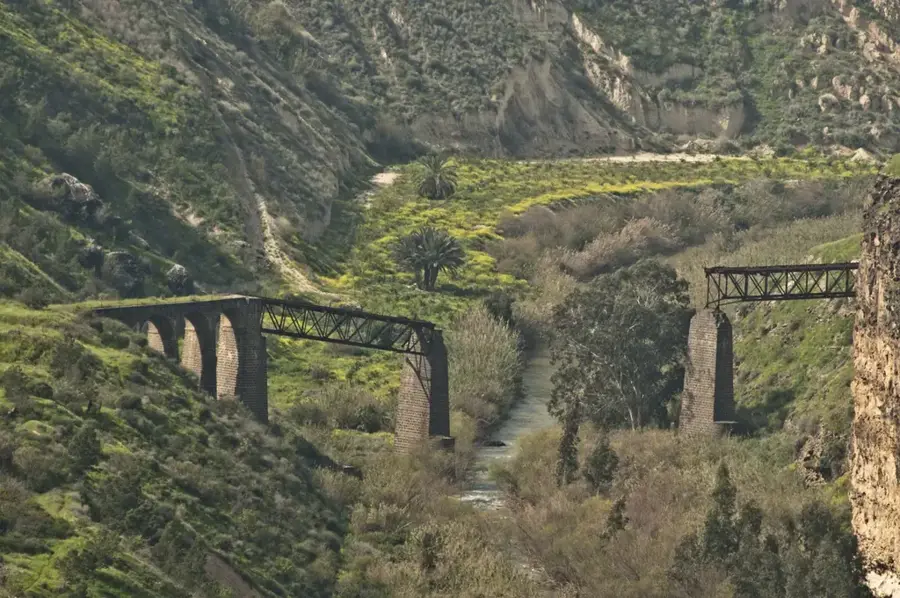
The Yarmouk Battlefield, located near the Yarmouk River on the modern border between Jordan and Syria, was the site of one of the most pivotal military engagements in world history. In August 636 AD, the forces of the Byzantine Empire faced the rapidly expanding Rashidun Caliphate in a battle that would decide the fate of the Levant. Despite being significantly outnumbered, the Muslim forces under the brilliant tactical leadership of Khalid ibn al-Walid achieved a crushing victory over the imperial troops. The six-day conflict utilized the rugged local geography, including steep ravines and narrow plateaus, to trap and eliminate the Byzantine infantry. This defeat effectively ended Byzantine rule in Syria and opened the gates for the Islamic conquest of the Middle East and North Africa. Historians regard the Battle of Yarmouk as the definitive turning point that shifted regional dominance from Constantinople to the Caliphate, fundamentally altering the cultural and political landscape of the Mediterranean for centuries.
- Location: Jordan
- Top sights: Khirbat Duwayriban · Khirbat Um al Amad · Qarqosh, Irbid, Jordan
- Nearby: Irbid (15 km)
Best time to visit & climate
The most pleasant time to visit is May, Sep, Oct.
| Jan | Feb | Mar | Apr | May | Jun | Jul | Aug | Sep | Oct | Nov | Dec | |
|---|---|---|---|---|---|---|---|---|---|---|---|---|
| Avg °C | 8 | 9 | 13 | 16 | 21 | 25 | 27 | 26 | 25 | 21 | 14 | 10 |
| Rain mm | 49 | 45 | 24 | 13 | 4 | 1 | 0 | 1 | 1 | 7 | 20 | 42 |
📋 Practical info
Geography
Facts
- The battle took place over six days in August 636 AD.
- Khalid ibn al-Walid commanded the Rashidun forces.
- Byzantine forces were led by Theodore Trithyrius and Vahan.
- The defeat forced Emperor Heraclius to retreat to Antioch.
- Geographic ravines played a key role in the Byzantine destruction.
- It is cited as one of the most significant battles in history.
Explore nearby
Notable places around
Route planner — Car & Motorhome
Where do you start? We build the route here, with stops and country notes along the way.
© OpenStreetMap contributors · OpenRouteService
Sights in the town Battle of Yarmouk Site (4)
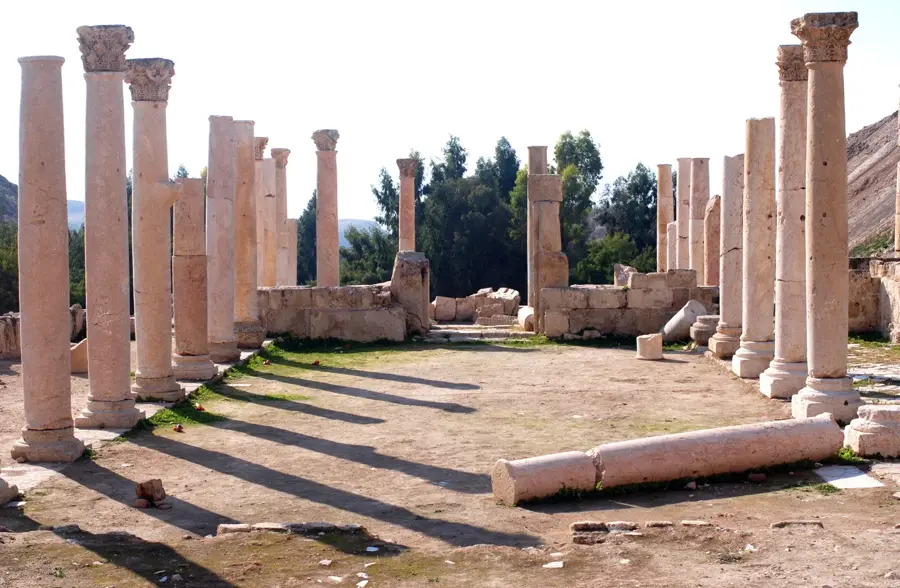
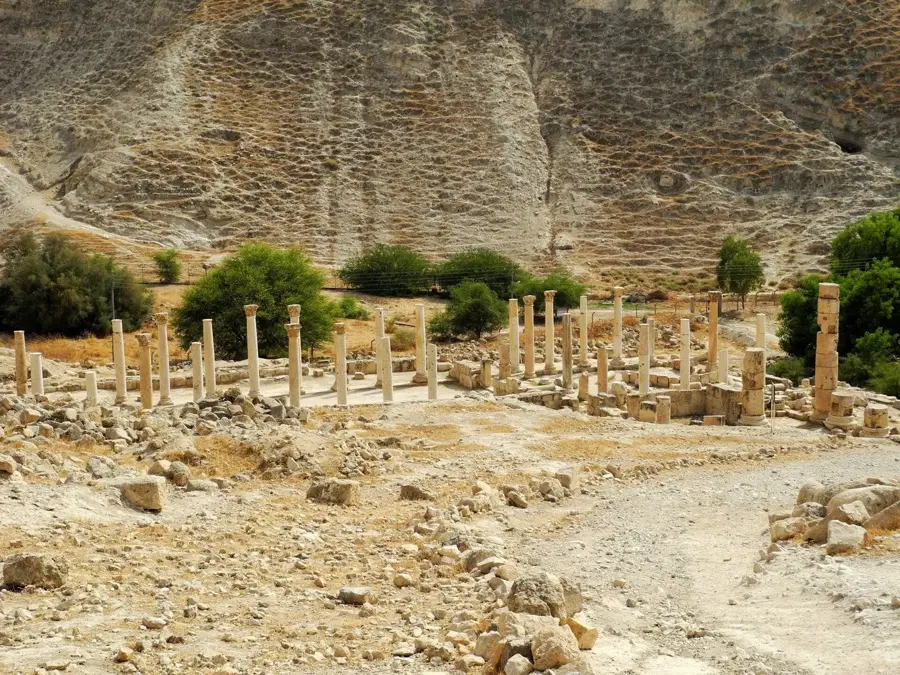
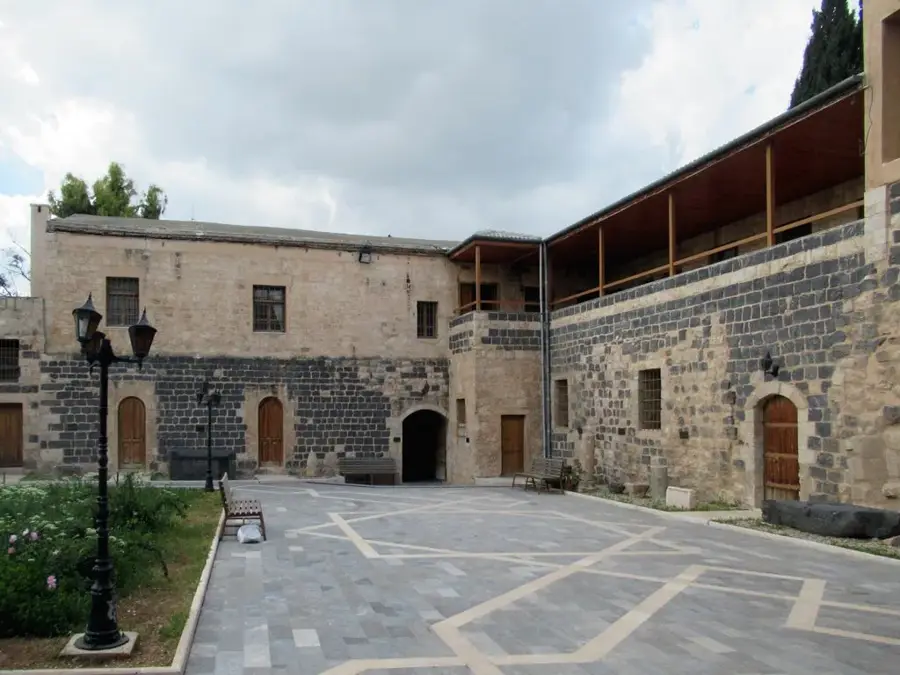
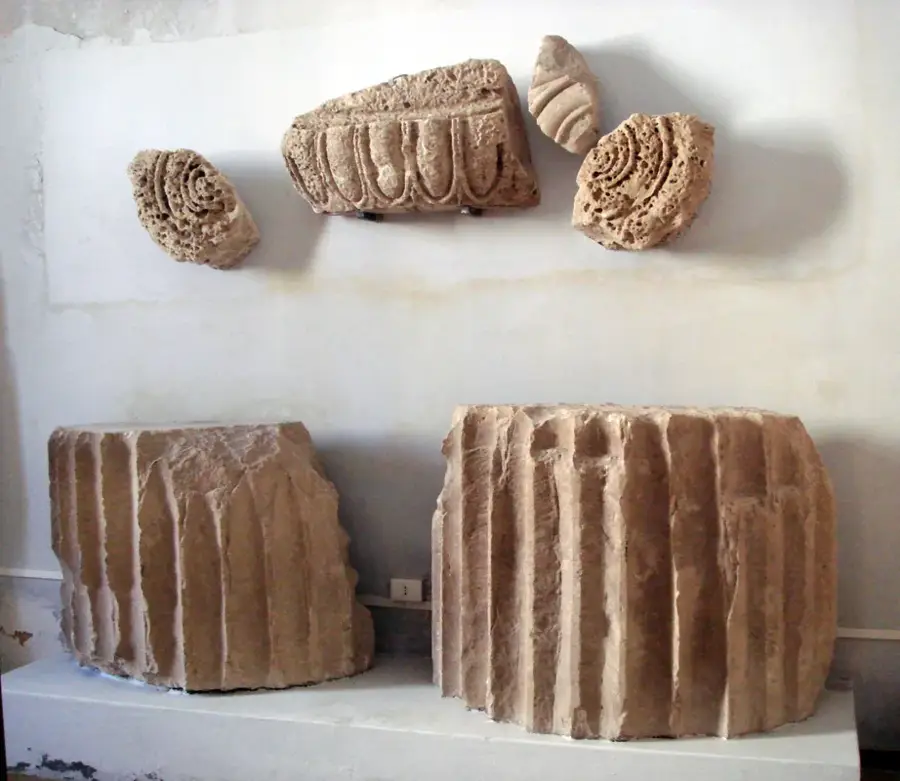
Khirbat Um al Amad🏺 historical
Foundations of an old settlement characterized by stone pillars and wall remains.
Sights nearby
Frequently asked questions
Where exactly is the battlefield located?
What happened here historically?
Is there a visitor center?
Can the area be visited freely?
Why is the location strategically important?
Battle of Yarmouk Site: where is it located?
Battle of Yarmouk Site: what is there to see?
Battle of Yarmouk Site: when is the best time to visit?
Battle of Yarmouk Site: why is it worth visiting?
Nearby cities
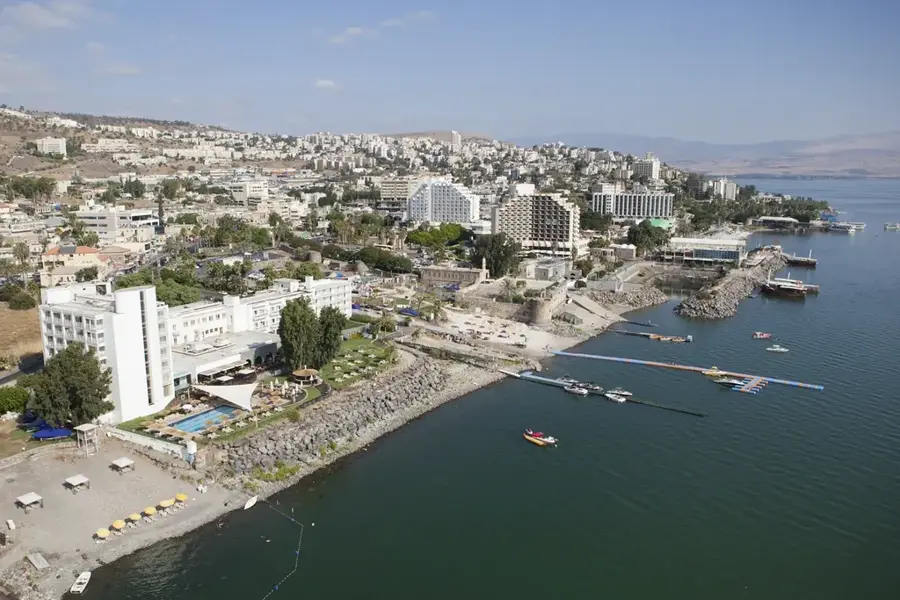
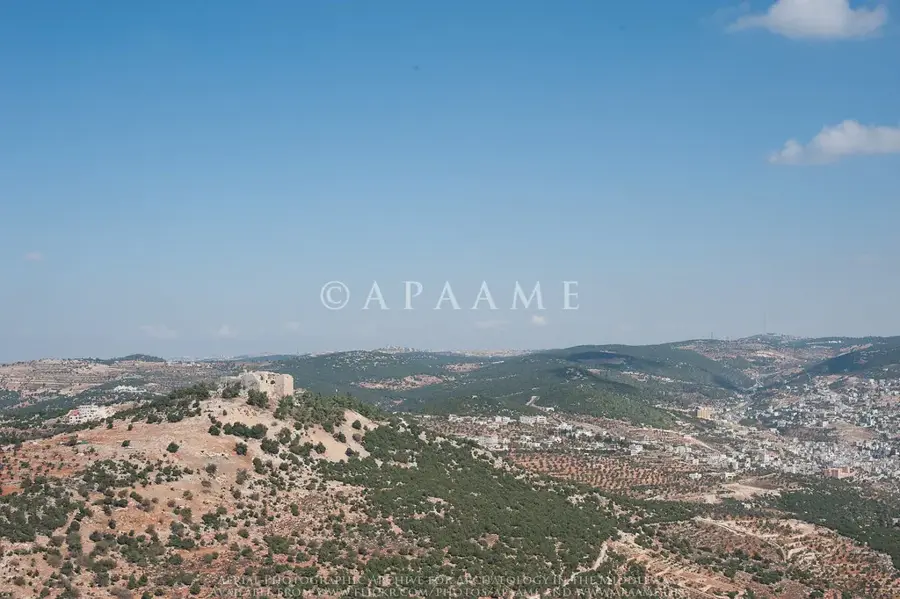
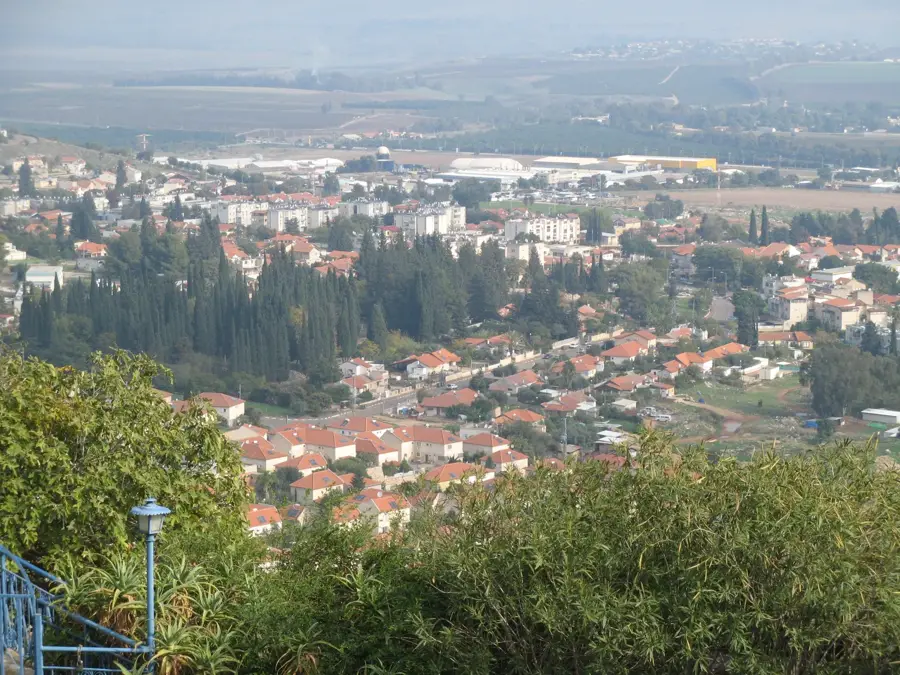
History & landmarks
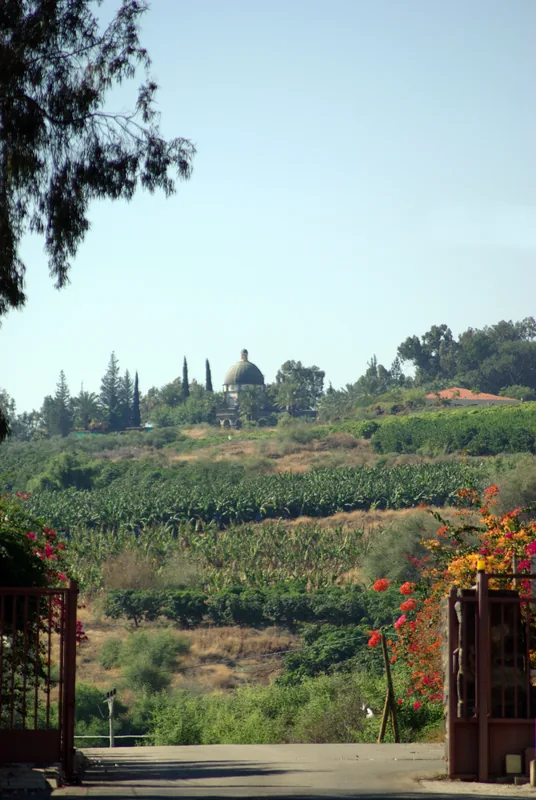
Nature
More places