Plizio Visual Lab

Umm Qais
Plizio editorial teamData Sources
ruin
—°6
Umm Qais (Jordan)

Weather…

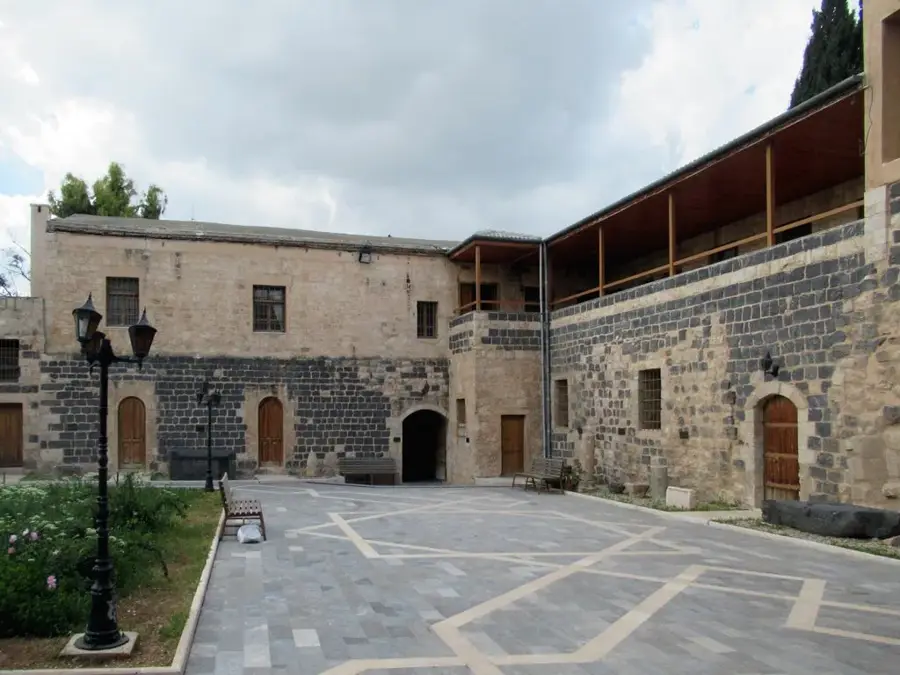
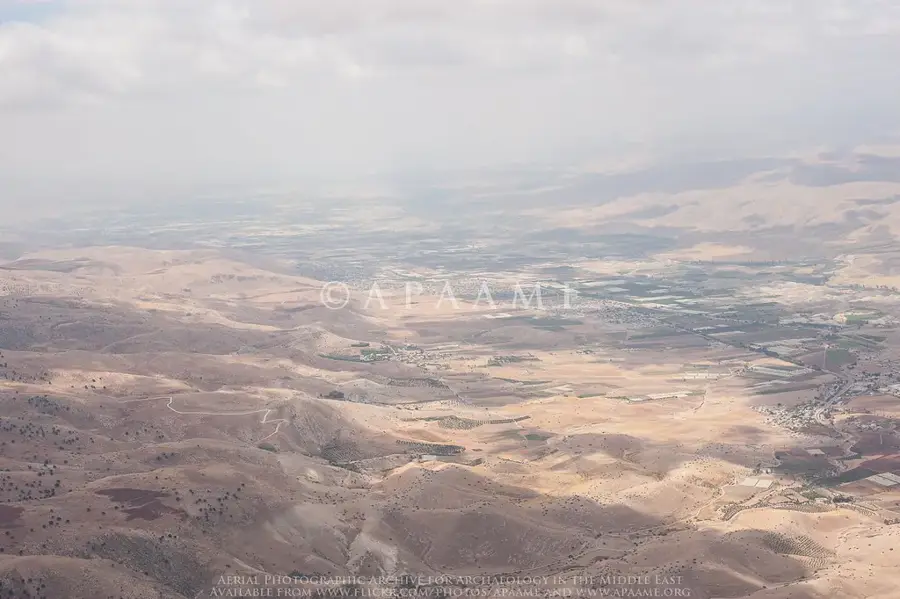
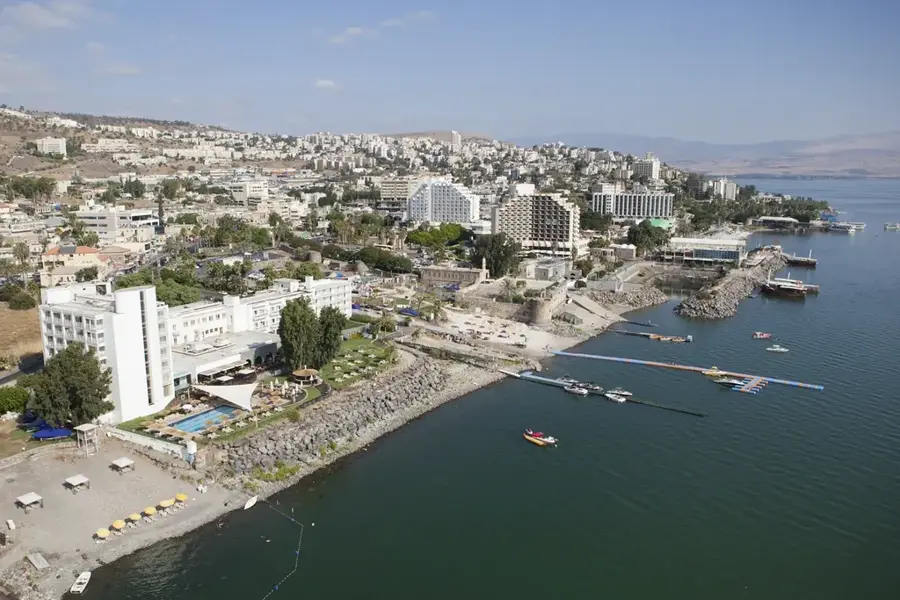
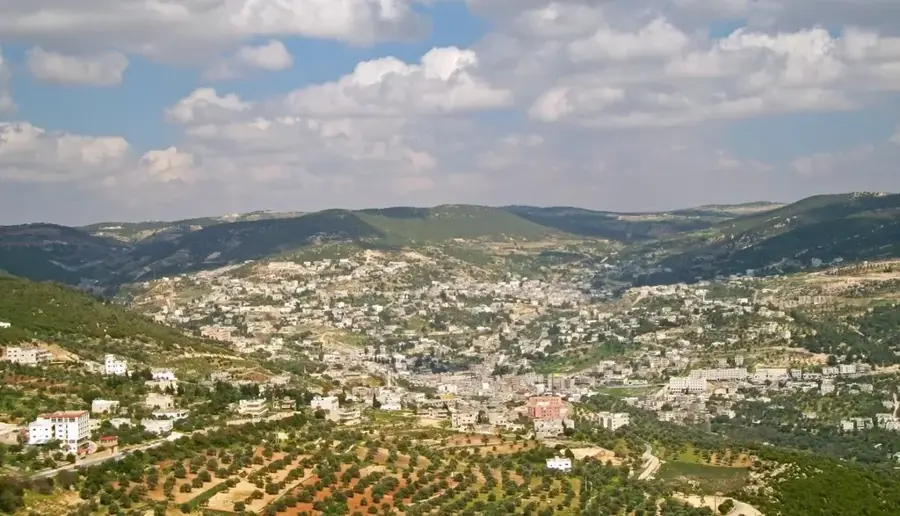
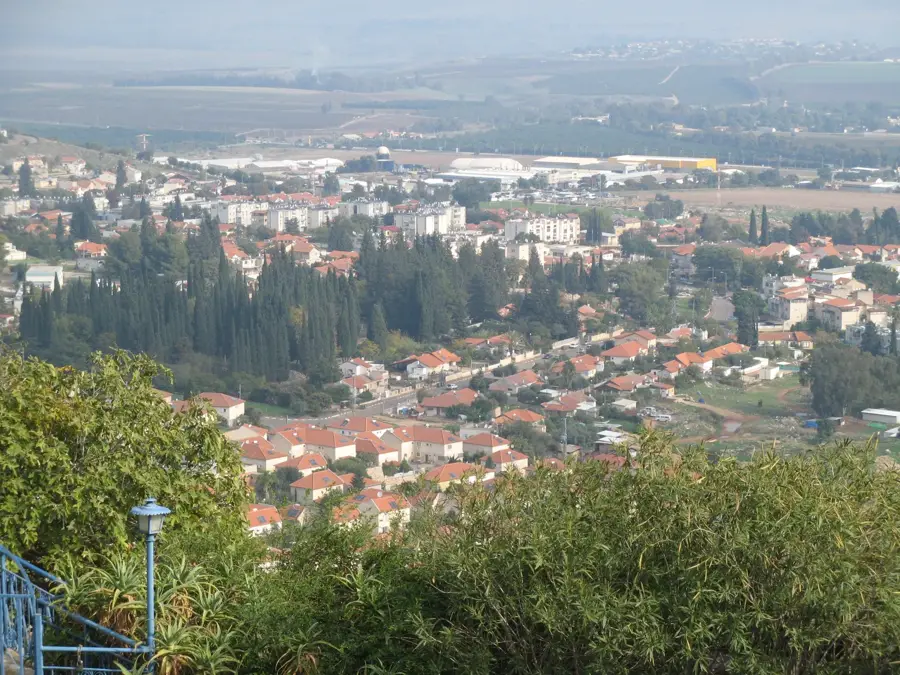
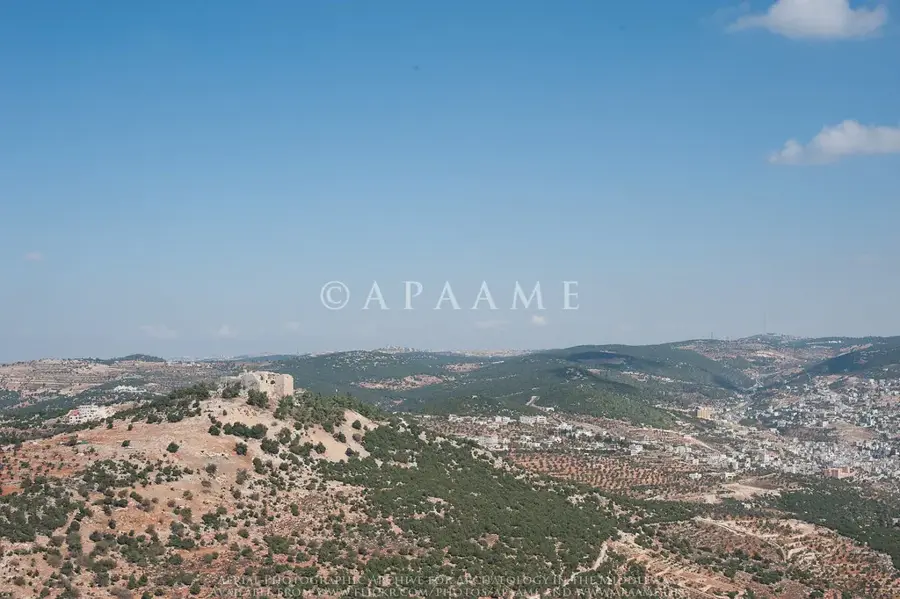
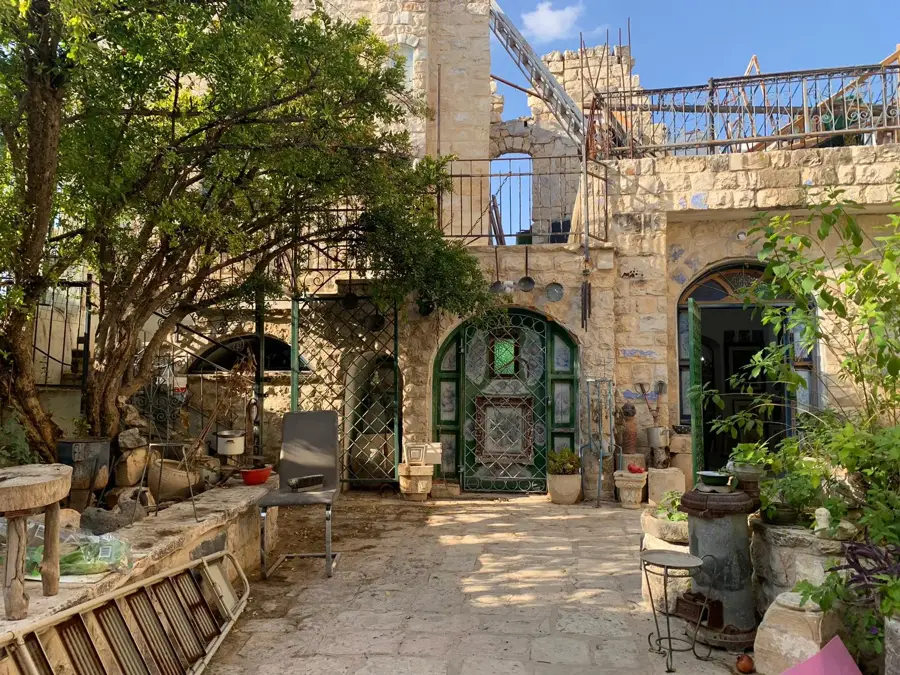
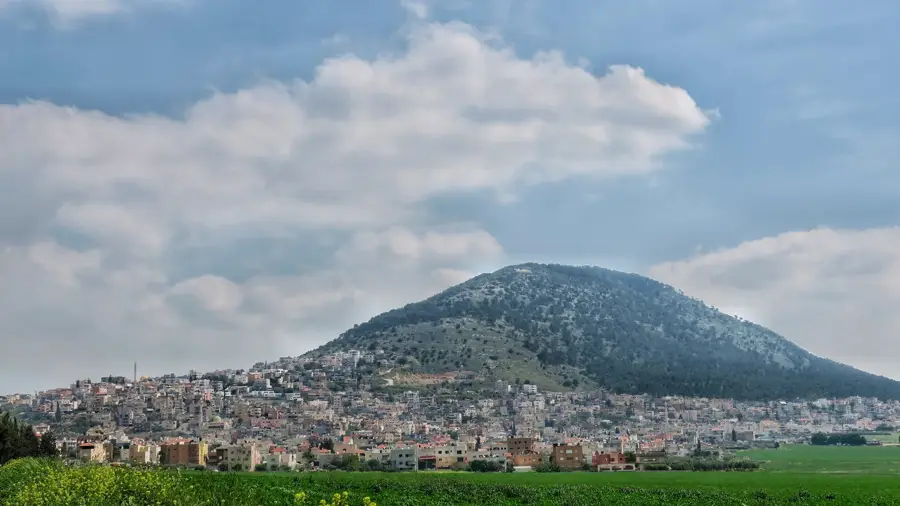
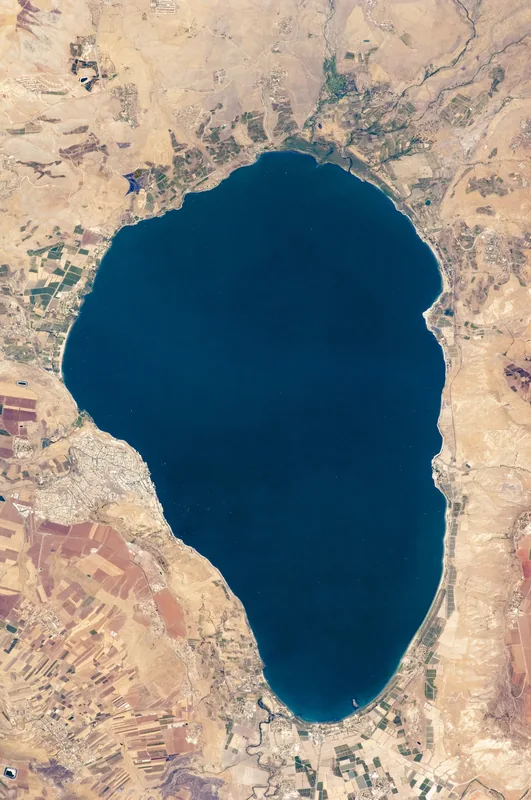
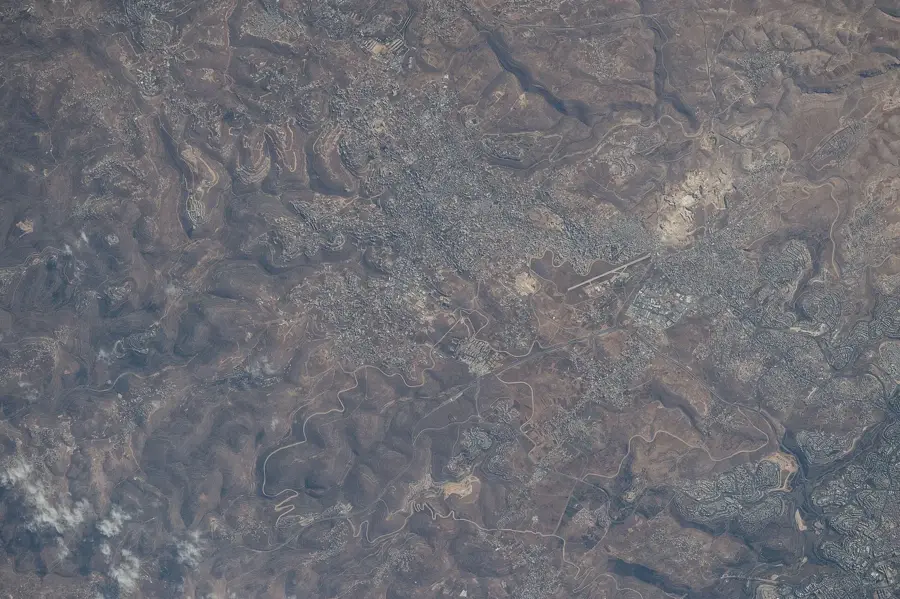
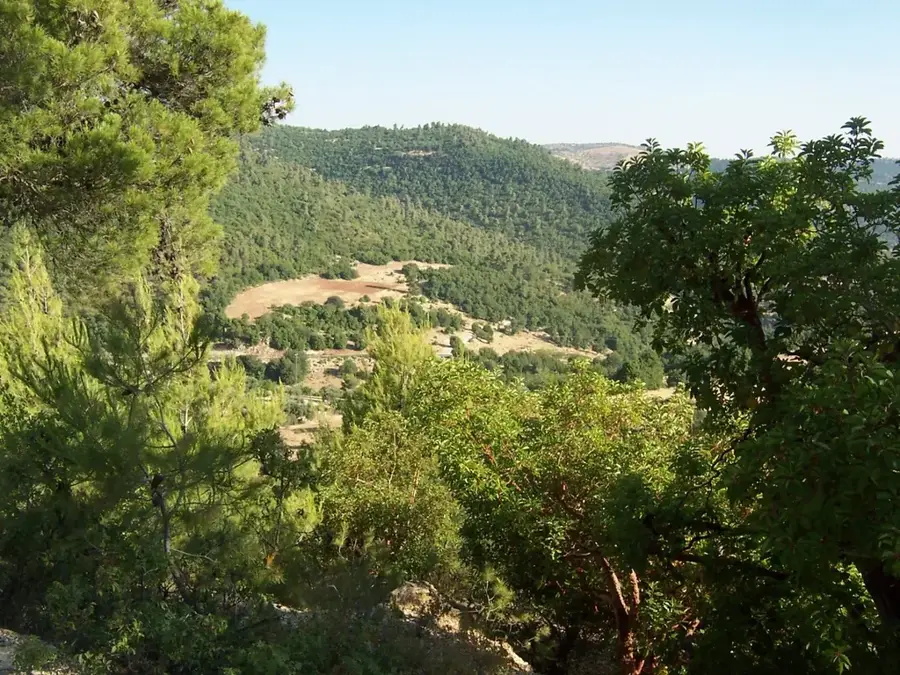
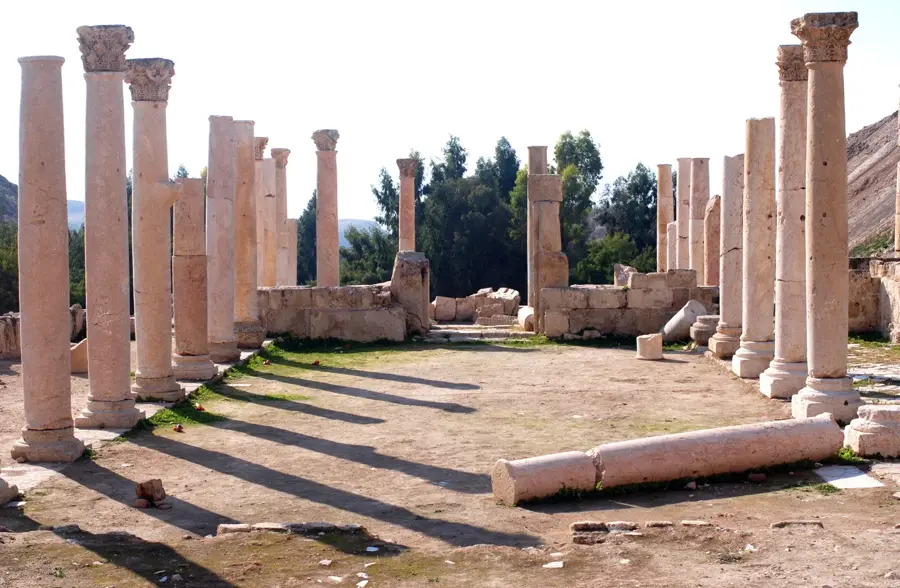
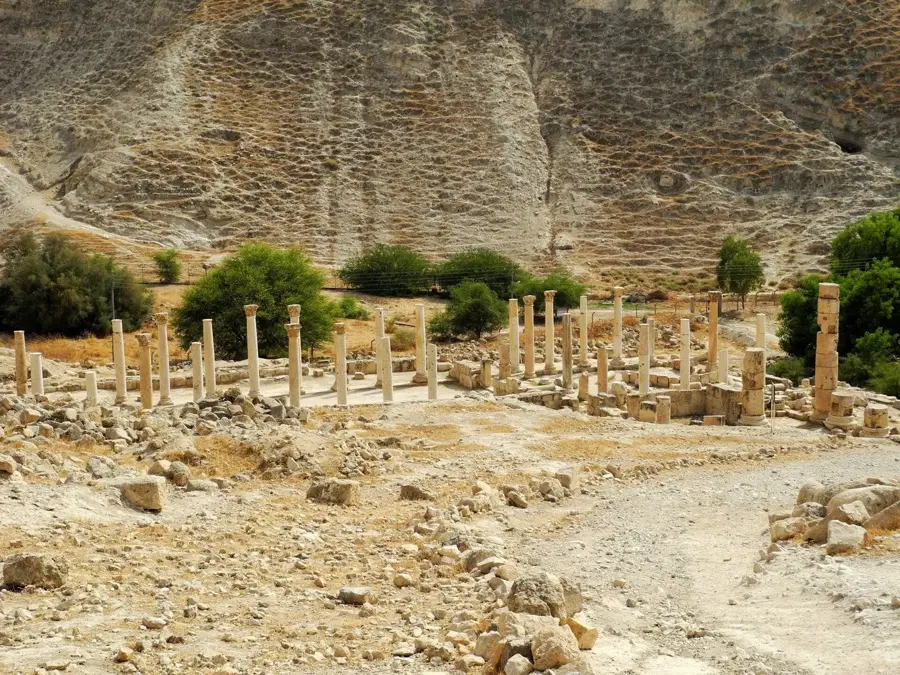
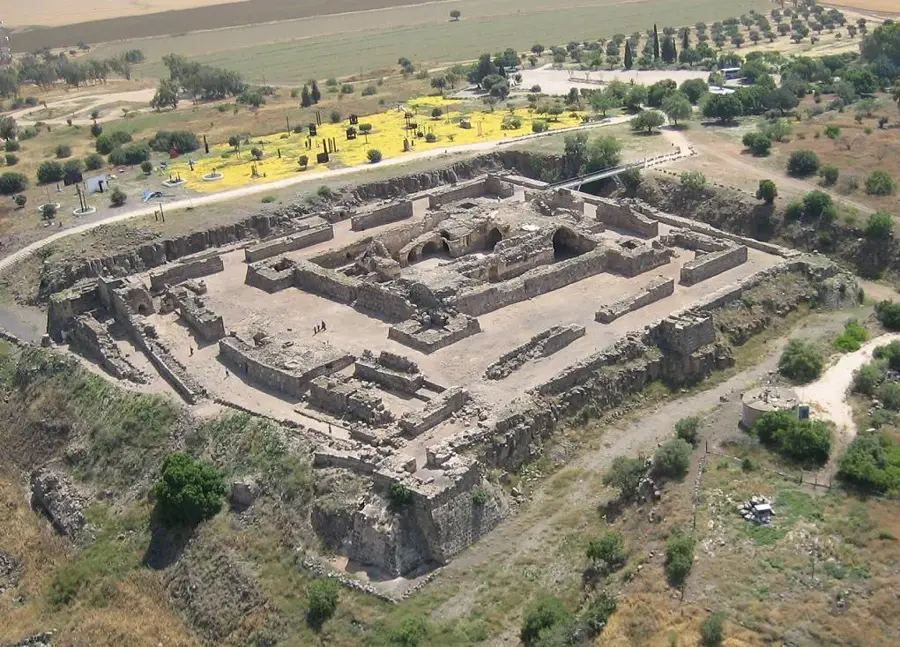
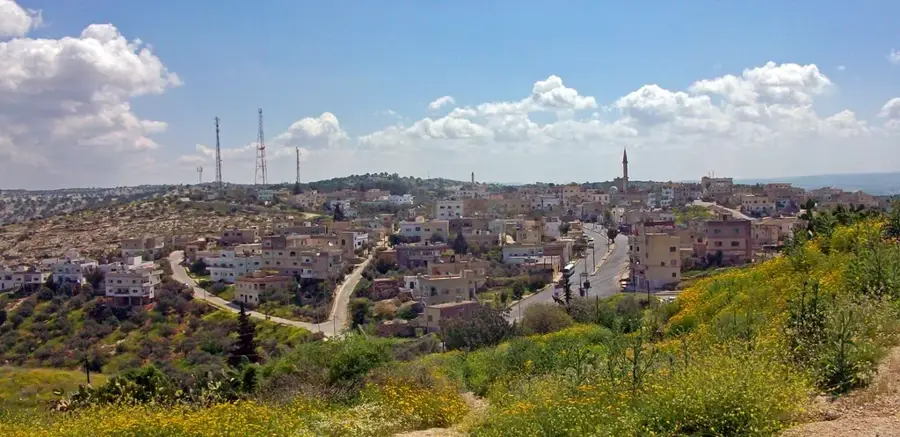
Umm Qais, known in antiquity as Gadara, is a major archaeological site in northern Jordan, famous for its unique combination of Roman ruins and an Ottoman village. As a member of the Decapolis, the city was a center for Greek culture and philosophy, often referred to as the 'Athens of the region'. The city was founded in the 4th century BC and came under Roman rule in 63 BC. The ruins are particularly notable for the use of black basalt stone, which contrasts sharply with the light limestone of the surrounding area. Visitors can see the remains of two theaters, a paved colonnaded street, and a Byzantine basilica. The site gives a memorable view over the Sea of Galilee, the Golan Heights, and the Yarmouk Valley. The Ottoman village of Haret al-Fawqa was built in the 18th and 19th centuries directly over the ancient structures, adding an additional historical layer to the site.

Best time to visit & climate

The most pleasant time to visit is Apr, May, Oct.

JanFebMarAprMayJunJulAugSepOctNovDec
Avg °C111215192327292927241813
Rain mm9379402061012124079

📋 Practical info

🚪
Visiting
Visitors can explore the extensive outdoor ruins of ancient Gadara freely, walking along the historic basalt-paved streets and exploring the remains of the theaters and tombs.
🕒
Typical hours
The archaeological site is generally open to the public during daylight hours, from early morning until just before sunset, with slightly shorter hours typical during the winter months.
📷
Photography
Photography is highly recommended, especially from the viewpoints overlooking the Sea of Galilee and the Golan Heights, providing spectacular wide-angle landscape shots during the golden hour.
⏱️
Time needed
A comprehensive visit to fully appreciate the ruins, the impressive basalt theater, and the panoramic views typically requires at least two to three hours of leisurely walking.
Combine with
Consider combining your excursion to Umm Qais with a trip to the nearby hot springs of Al Himma or a scenic drive through the verdant landscapes of the northern Jordan Valley region.
🧭
Getting there
The site is easily accessible by car or organized tour from Irbid or Amman, featuring a dedicated parking area located just a short walking distance from the main archaeological entrance.
💡
Insider tip
Arrive late in the afternoon to witness a mesmerizing sunset over the distant lakes, and wear sturdy walking shoes as the ancient basalt stones can be quite uneven and slippery in places.

Geography

Coordinates
32.65650, 35.67910

Facts

  • Former member of the Decapolis league of cities.
  • The traditional site of the biblical miracle of the Gadarene swine.
  • Features a black basalt Roman theater seating 3,000 people.
  • Gadara was the birthplace of the famous poet Meleager.
  • The city was captured by Pompey the Great in 63 BC.
  • The site contains a 6th-century Byzantine octagonal church.

Explore nearby

Notable places around

Route planner — Car & Motorhome

Where do you start? We build the route here, with stops and country notes along the way.

Vehicle
Only stops with (optional):

© OpenStreetMap contributors · OpenRouteService

Sights in the town Umm Qais (6)

Tel Zira🏺 historical

Archaeological settlement mound featuring a unique five-meter deep artesian well.

Umm Qais Museum🏛 museum

The museum is housed in the restored Ottoman-era Beit Rusan residence within the ancient ruins.

West Theatre🏺 historical

The remains of an ancient basalt theater known for its distinctive dark stone seating.

Nympheum🏺 historical

A Roman nymphaeum that once served as a grand public fountain for the ancient city.

Gadara📍 landmark

Historic Greco-Roman city offering panoramic views of the Sea of Galilee and the Golan Heights.

Samma⛪ religious

A local Islamic place of worship situated near the Umm Qais archaeological sites.

Sights nearby

Frequently asked questions

Why should one visit Umm Qais?
For the unique combination of ancient basalt ruins and views of the Sea of Galilee.
Which countries can you see from there?
You can see Israel (Sea of Galilee) and Syria (Golan Heights) from the hilltop.
Is there a restaurant on site?
Yes, the 'Romero' restaurant provides excellent food and one of Jordan's best views.
How far is it from Amman?
It is about 110 km north of Amman, roughly a 2-hour drive.
What was the city called in antiquity?
In Hellenistic and Roman times, the city was known as Gadara.
Umm Qais: where is it located?
Umm Qais is located in Jordan.
Umm Qais: what is there to see?
Highlights include Tel Zira, Umm Qais Museum, West Theatre.
Umm Qais: when is the best time to visit?
The most pleasant time to visit is Apr, May, Oct.
Umm Qais: why is it worth visiting?
Umm Qais, known in antiquity as Gadara, is a major archaeological site in northern Jordan, famous for its unique combination of Roman ruins and an Ottoman village.
View on map → The Top 50 Attractions → OpenStreetMap →
Asia
Explore with Plizio Discover more places in Asia
More places in Jordan →

Nearby cities

History & landmarks
Nature
More places