Plizio Visual Lab

Yarmouk River
Plizio editorial teamData Sources
River
—°11
Yarmouk River (Jordan)

Weather…

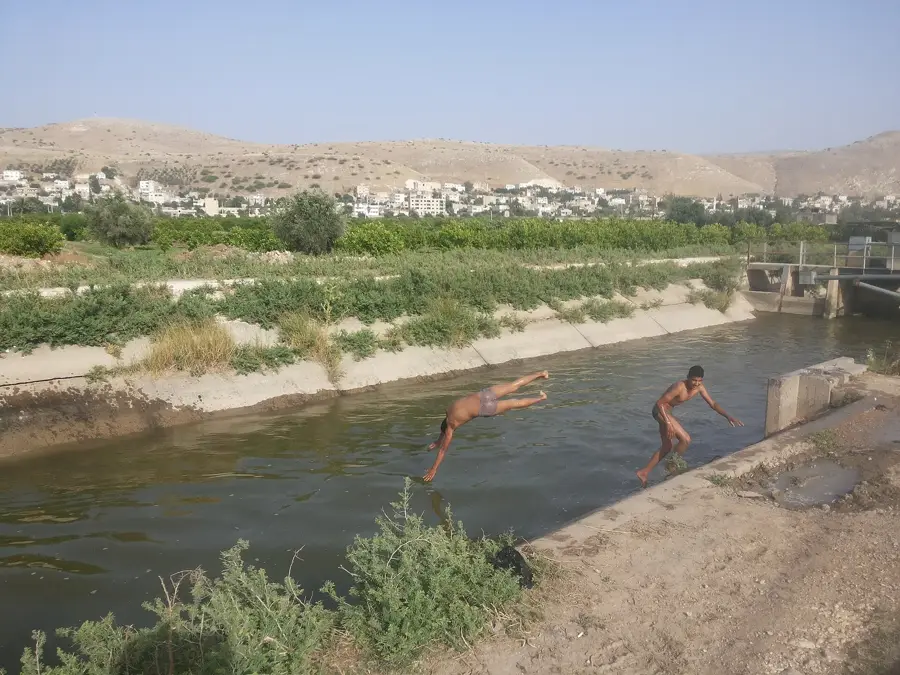
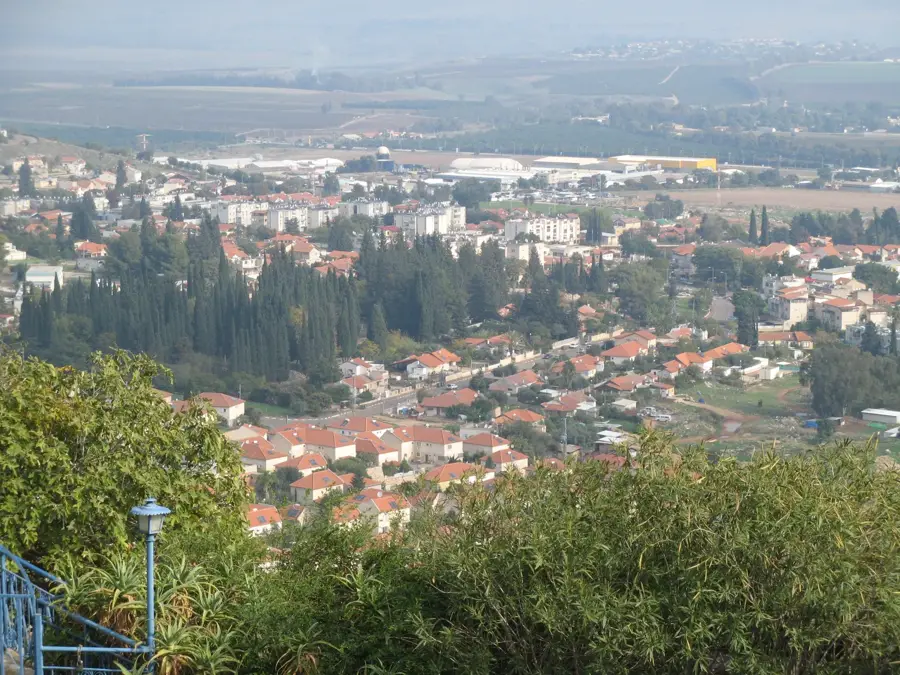
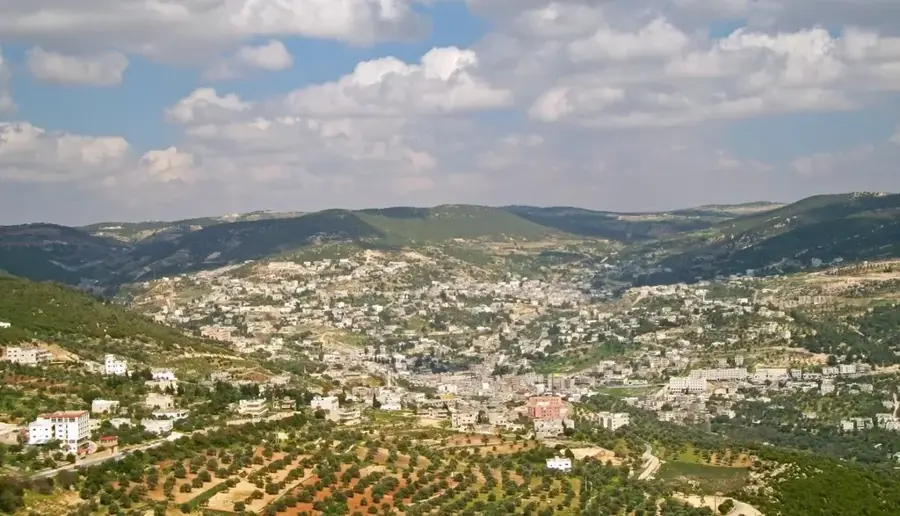
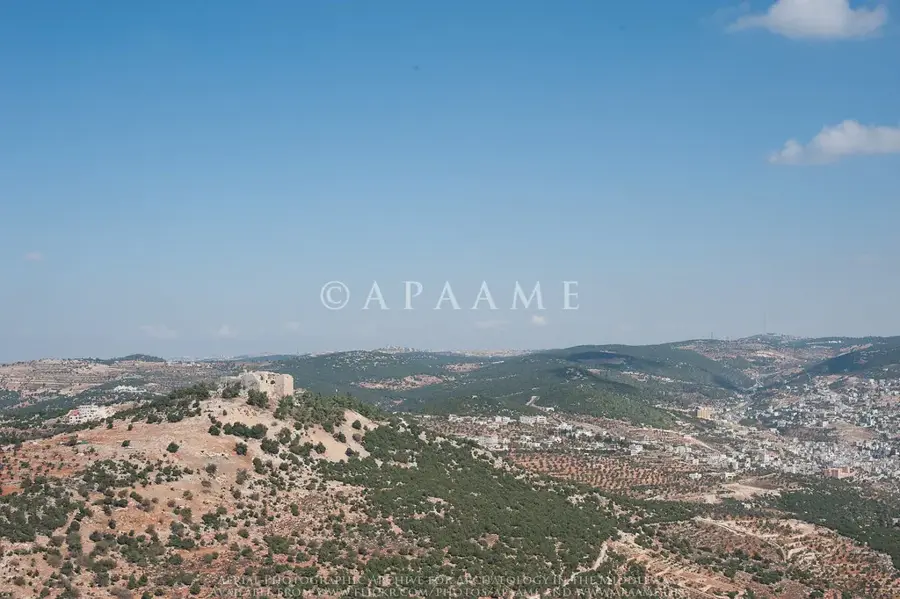
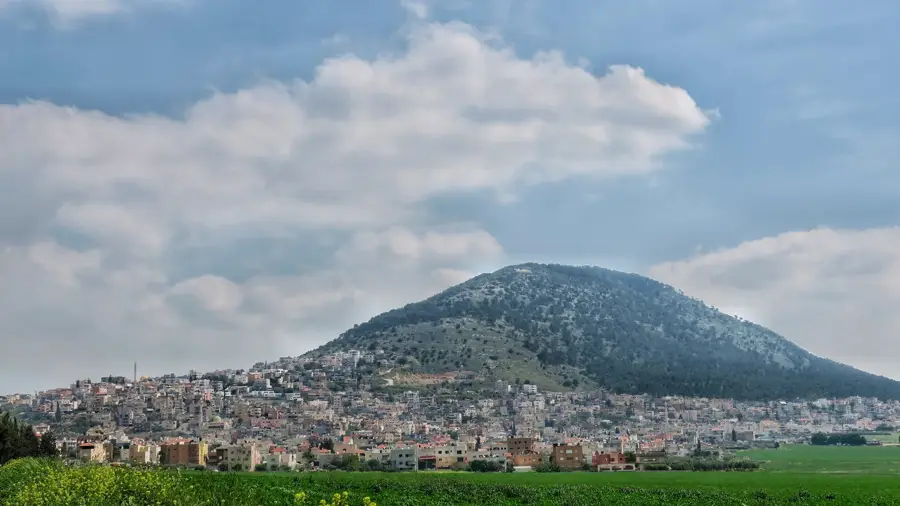
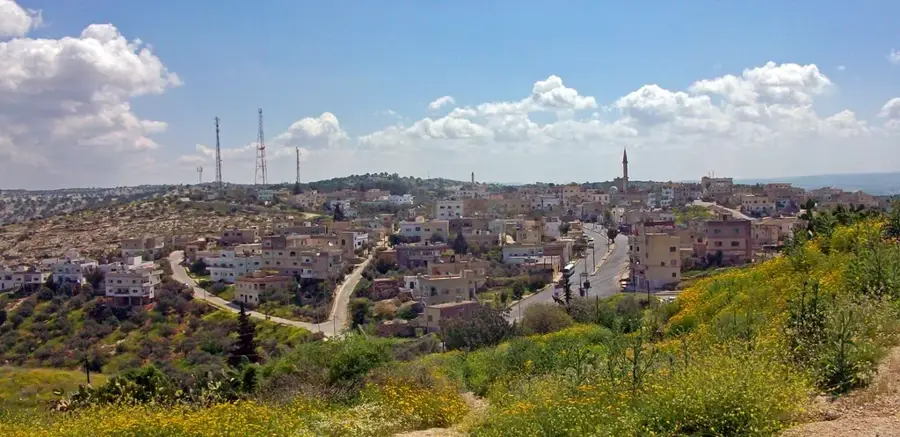
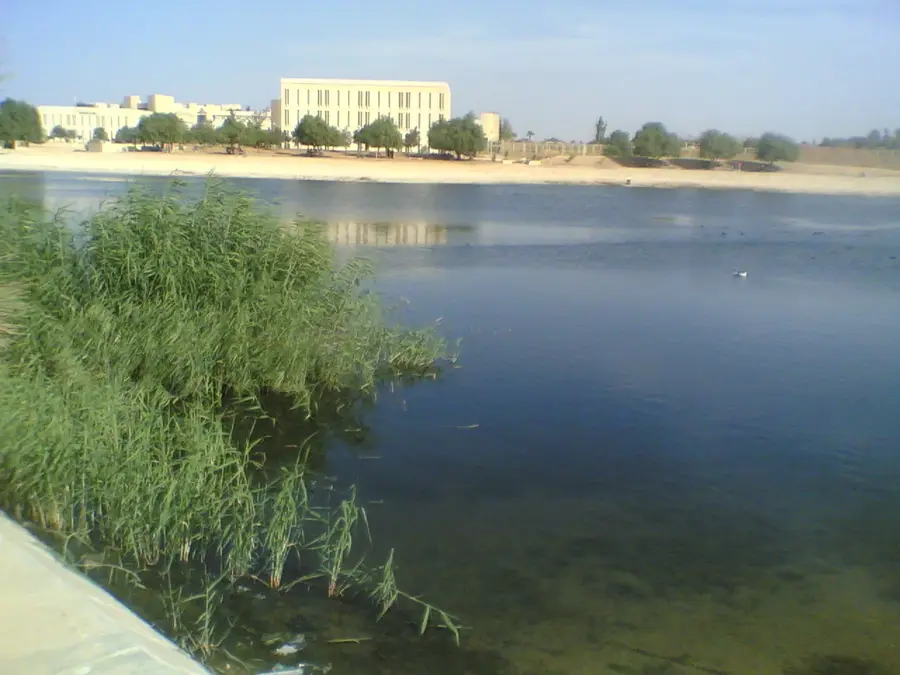
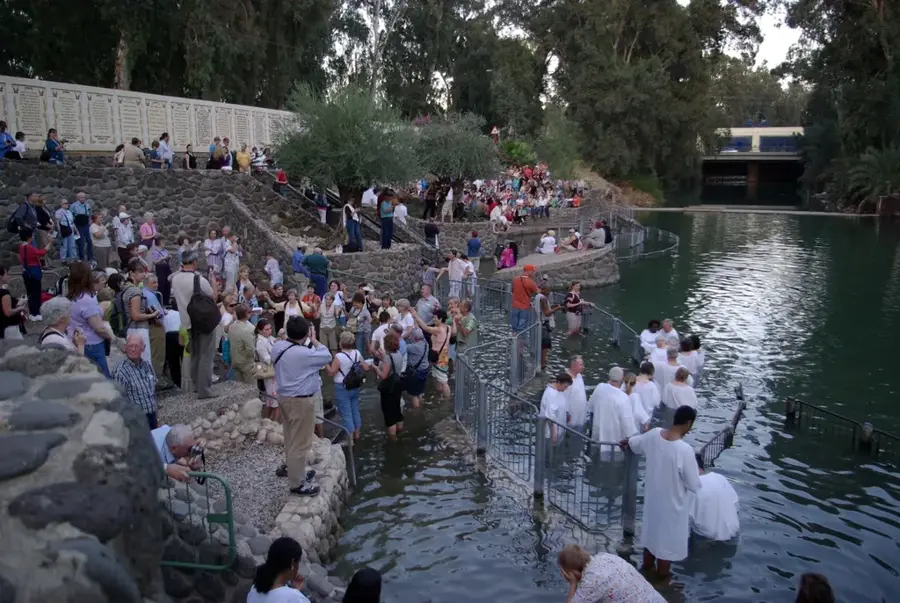
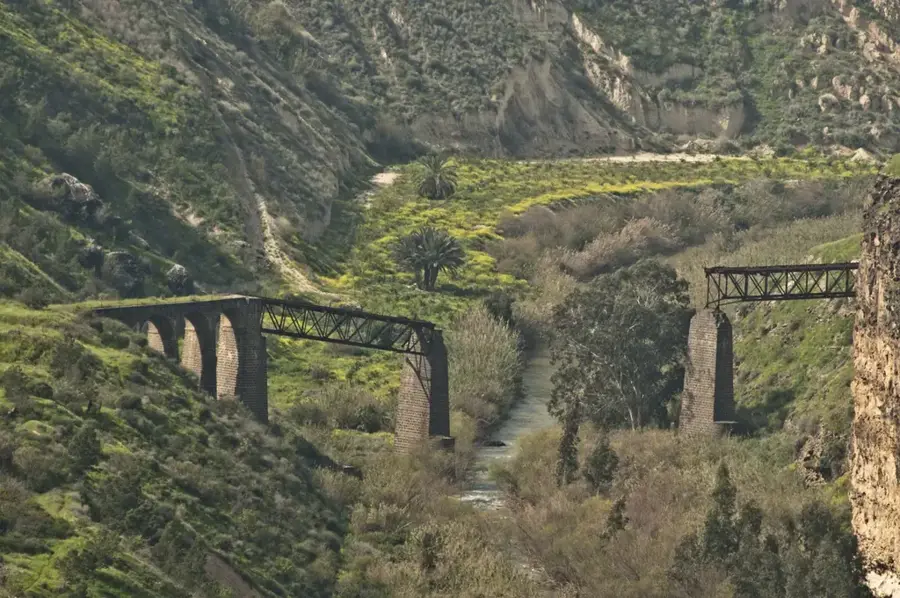
The Yarmouk River is the largest tributary of the Jordan River, serving as a natural border between Jordan, Syria, and Israel. Originating in the Hauran plateau of Syria, it flows for approximately 80 kilometers before joining the Jordan south of the Sea of Galilee. Historically, the river valley is most famous for the Battle of Yarmouk in 636 AD, where Muslim Arab forces achieved a decisive victory over the Byzantine Empire, paving the way for the Islamic conquest of the Levant. Geographically, the river separates the highlands of Gilead to the south from the Golan Heights to the north. Its waters are vital for regional irrigation and agriculture, though distribution remains a subject of intense international negotiation. The river's ecosystem supports diverse vegetation such as oleanders and reeds, and it acts as a crucial corridor for migratory birds.

Best time to visit & climate

The most pleasant time to visit is Apr, May, Oct.

JanFebMarAprMayJunJulAugSepOctNovDec
Avg °C111215192327292927241813
Rain mm9379402061012124079

📋 Practical info

🧭
Getting there
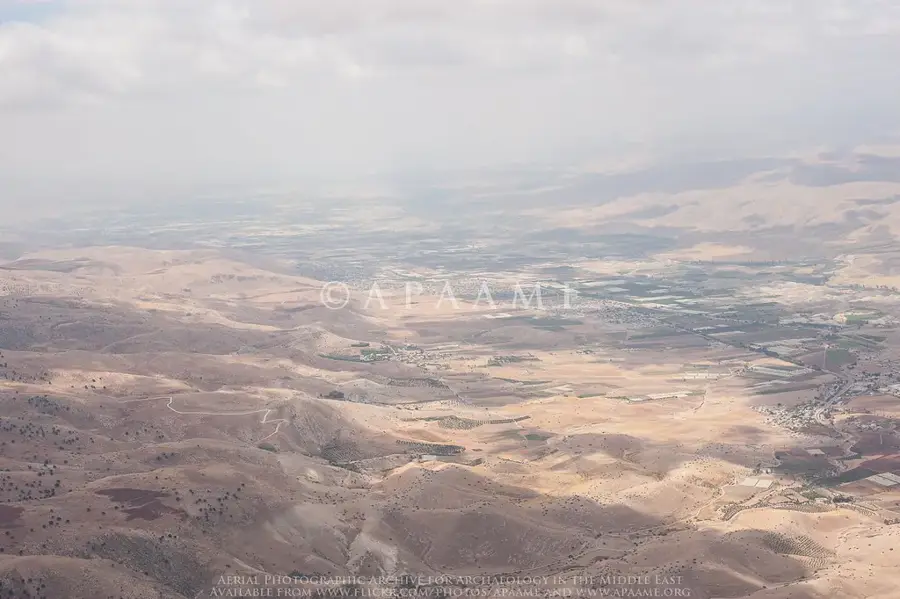
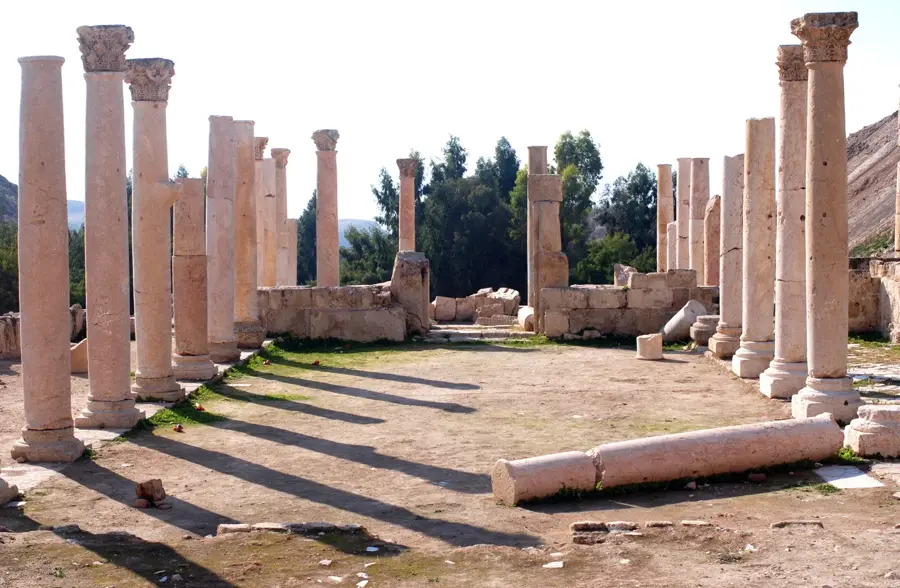
The area is accessible via the Jordan Valley highway; the most spectacular views of the deep-cut river valley are typically found from the overlooks near Umm Qais or ancient Gadara.
📅
Best season
Spring from February to April is handy for seeing the lush green hills; during the summer months, the deep valley floor often experiences extremely high temperatures and intense heat.
⛰️
Terrain & paths
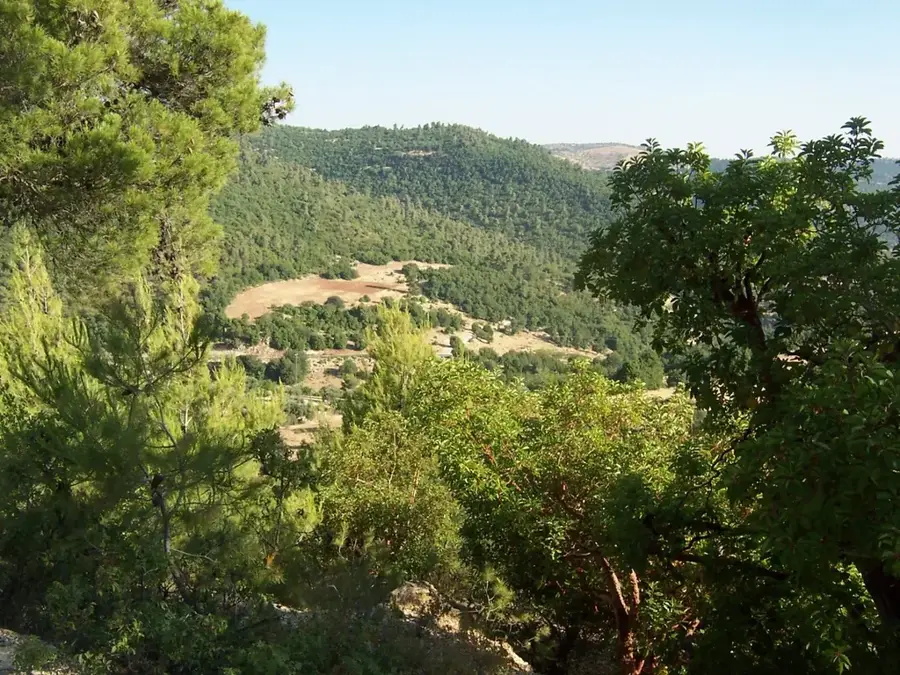
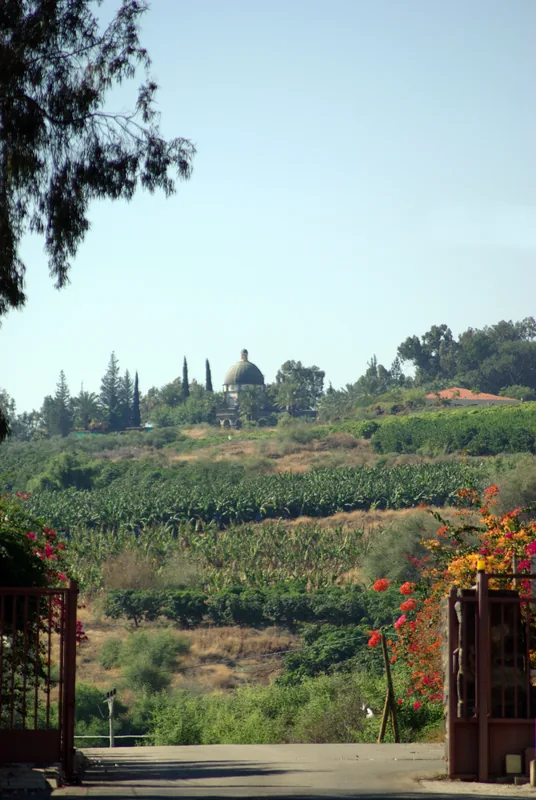
The terrain is characterized by steep valley walls and rocky slopes; the river itself flows deep within a green, densely vegetated gorge that can be challenging to access in certain parts.
🎒
What to bring
Sturdy hiking boots with good grip for the steep paths are essential; binoculars are highly recommended for birdwatching and for viewing across the nearby Syrian border from the ridges.
🅿️
Parking
Secure parking can be found at the Umm Qais archaeological site or at official viewpoints along the Al-Adasiyah road, which flanks the valley from higher elevations above the river.
⚠️
Safety
Strictly observe all border markers and military signs; stay on marked paths as the terrain can be unstable and the slopes often drop away extremely steeply into the river gorge.
⏱️
Time needed
A half-day visit is usually sufficient for the main viewpoints; plan for a full day if you intend to undertake longer hikes into the accessible and safely traversable sections of the valley.

Geography

Coordinates
32.68330, 35.68330

Facts

  • The river forms the boundary between Jordan and the Golan Heights.
  • The Battle of Yarmouk took place in August 636 AD.
  • The total length of the river is approximately 80 kilometers.
  • The Al-Wehda Dam was completed in 2011 to regulate water flow.
  • Parts of the river valley lie below sea level.
  • It is the primary water source for the King Abdullah Canal.

Explore nearby

Notable places around
Route planner — Car & Motorhome

Where do you start? We build the route here, with stops and country notes along the way.

Vehicle
Only stops with (optional):

© OpenStreetMap contributors · OpenRouteService

Sights in the town Yarmouk River (11)

Ein Sharir📍 landmark

A perennial spring on the slopes overlooking the deep valley of the Yarmouk River.

Mitzpe Kinneret🌿 nature

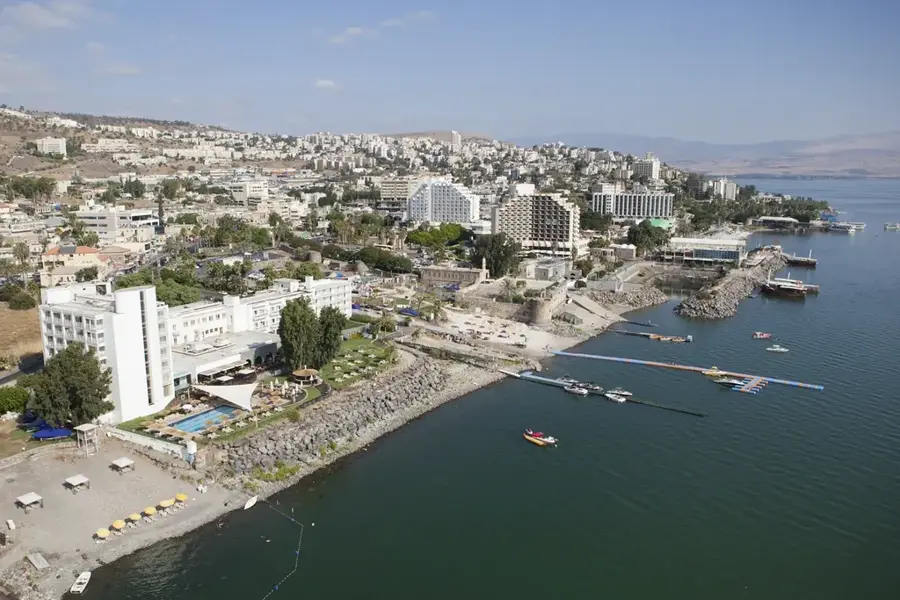
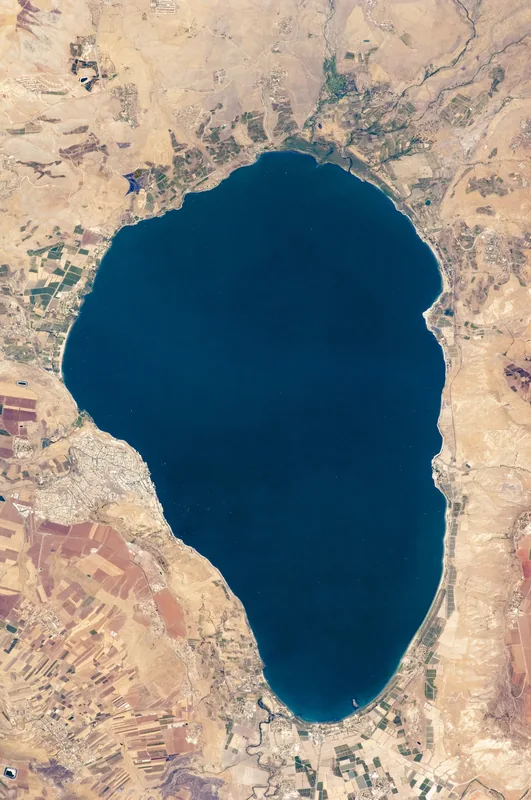
Observation point featuring a wide panorama over the Sea of Galilee and the southern Golan Heights.

Ein Aqov📍 landmark

A hidden spring pool in the Golan surrounded by lush vegetation and shaded resting spots.

Khirbat `Uyun🏺 historical

Ancient ruins site above the Yarmouk valley with remains of early agricultural settlements.

`Ayn Kabritiyah🏺 historical

Remains of historical structures located near natural sulfur springs in the Yarmouk basin.

Crocodile farm📍 landmark

One of the largest crocodile farms in the Middle East, integrated into the Hamat Gader thermal resort.

Roman Theater🏺 historical

Remains of a small Roman theater that once provided entertainment for visitors to the thermal baths.

Amphi Golan🎭 culture

A modern open-air theater for events, utilizing the natural hillside slope for its seating tiers.

Omri Tal viewpoint🌿 nature

Memorial site and viewpoint overlooking the triple border area of Israel, Jordan, and Syria.

Peace Lookout🌿 nature

Observation deck in the Golan providing a vast view of the Sea of Galilee and the Galilee mountains.

Hamat Gader🌳 park

Famous thermal spring with medicinal sulfur water, used since Roman antiquity.

Sights nearby

Frequently asked questions

What is the Yarmouk River?
It is the largest tributary of the Jordan River and forms the border between Jordan and Syria.
Is it accessible to tourists?
Access to some areas may be restricted due to its location at the border.
What is the landscape like there?
The area is very hilly and scenic with fertile valleys.
What can be found near the river?
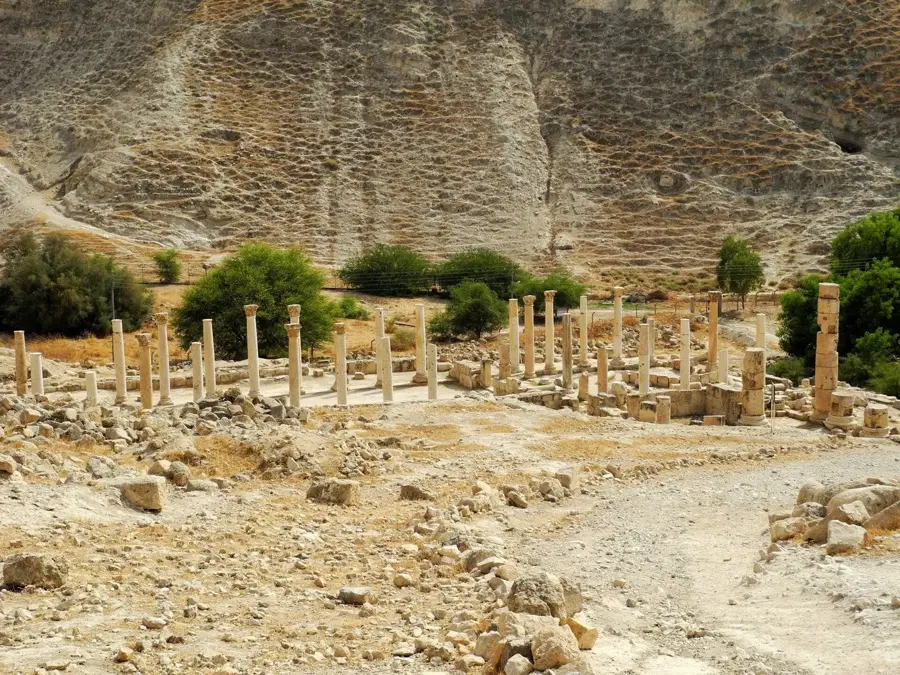
There are old archaeological sites, such as Umm Qais, nearby.
Is the area mostly quiet?
Yes, it is a quite natural and quiet region away from the crowds.
Yarmouk River: where is it located?
Yarmouk River is located in Jordan.
Yarmouk River: what is there to see?
Highlights include Ein Sharir, Mitzpe Kinneret, Ein Aqov.
Yarmouk River: when is the best time to visit?
The most pleasant time to visit is Apr, May, Oct.
Yarmouk River: why is it worth visiting?
The Yarmouk River is the largest tributary of the Jordan River, serving as a natural border between Jordan, Syria, and Israel.
View on map → The Top 50 Attractions → OpenStreetMap →
Asia
Explore with Plizio Discover more places in Asia
More places in Jordan →

Nearby cities

History & landmarks
Nature
More places