Plizio Visual Lab

Pella
Plizio editorial teamData Sources
ruin
—°6
Pella (Jordan)

Weather…

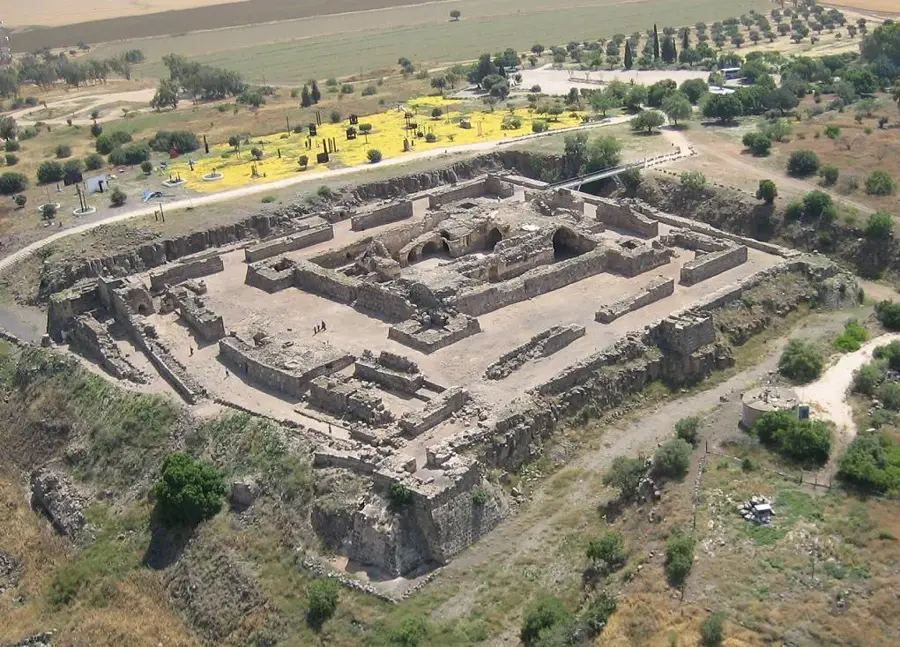
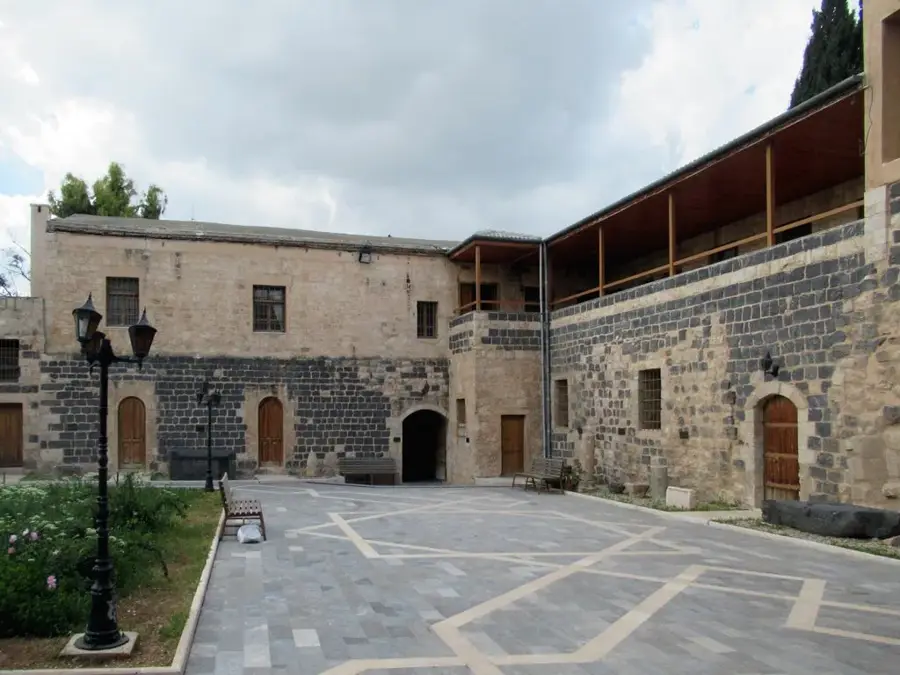
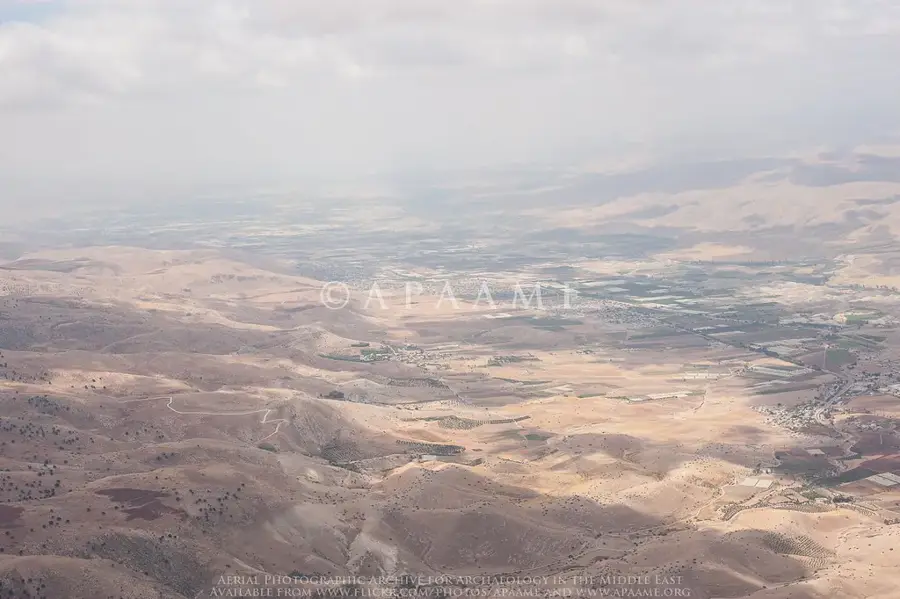
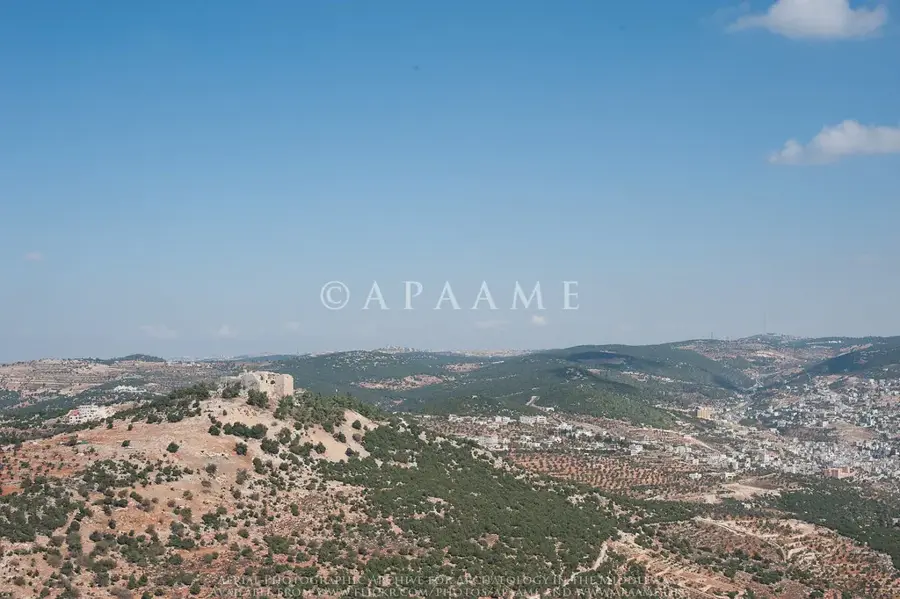
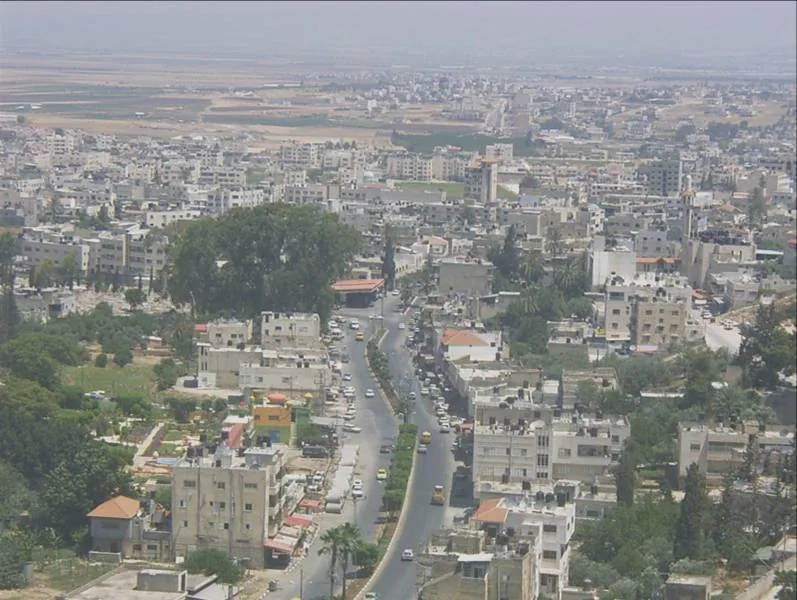
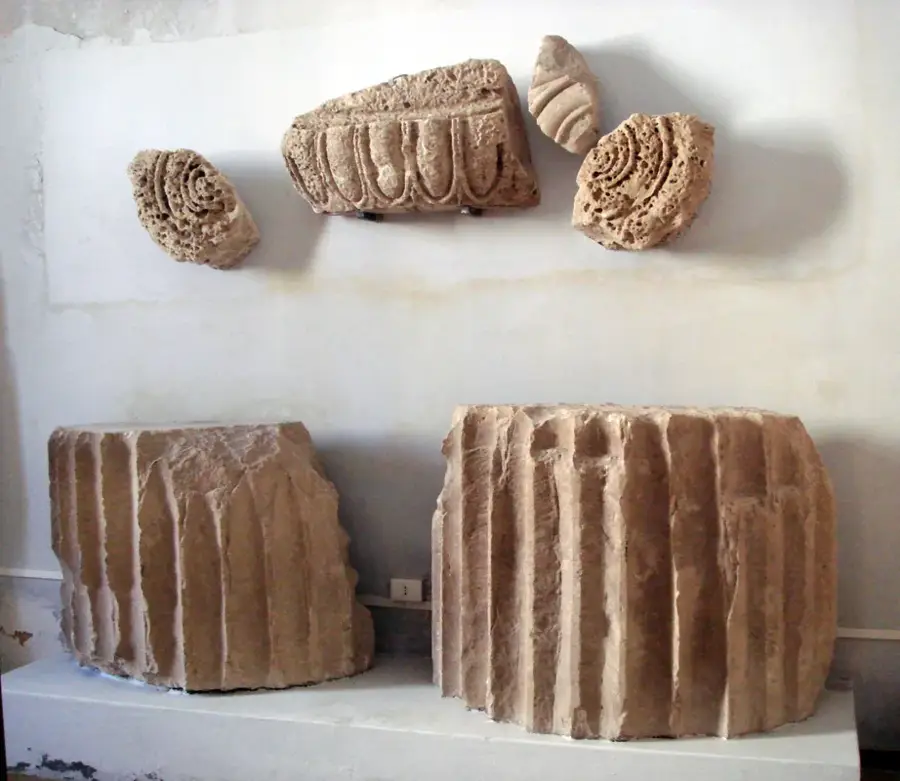
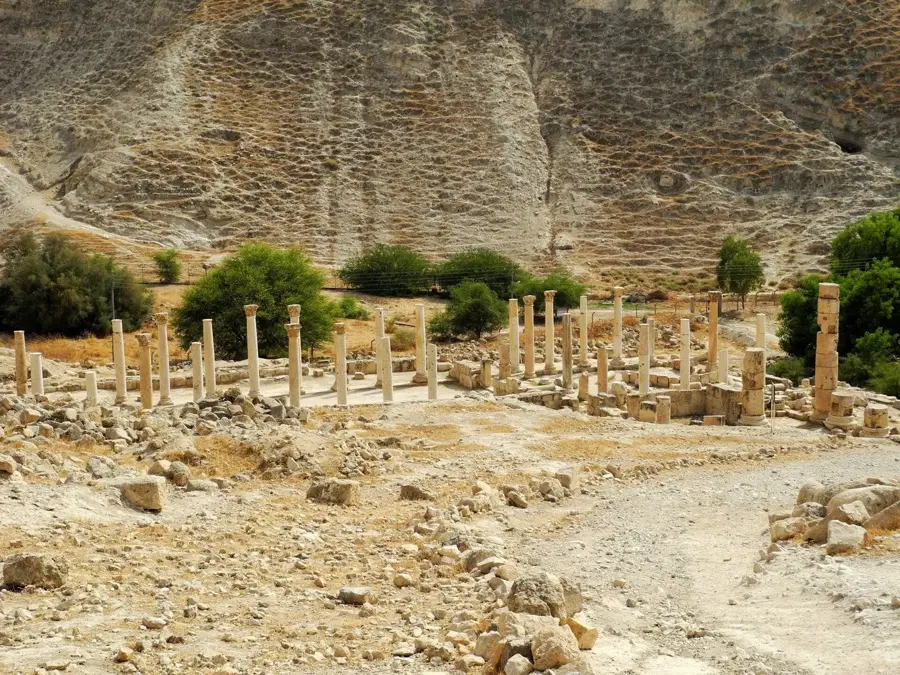
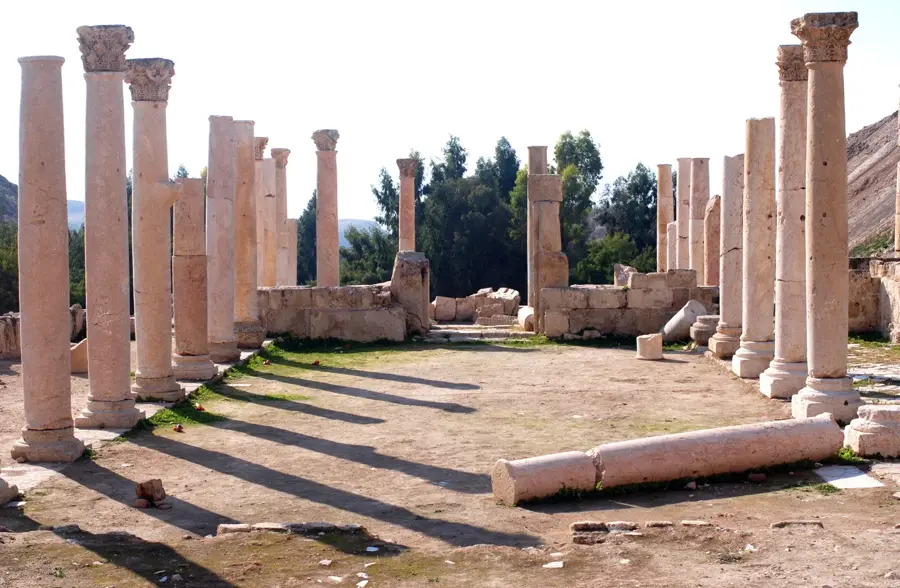
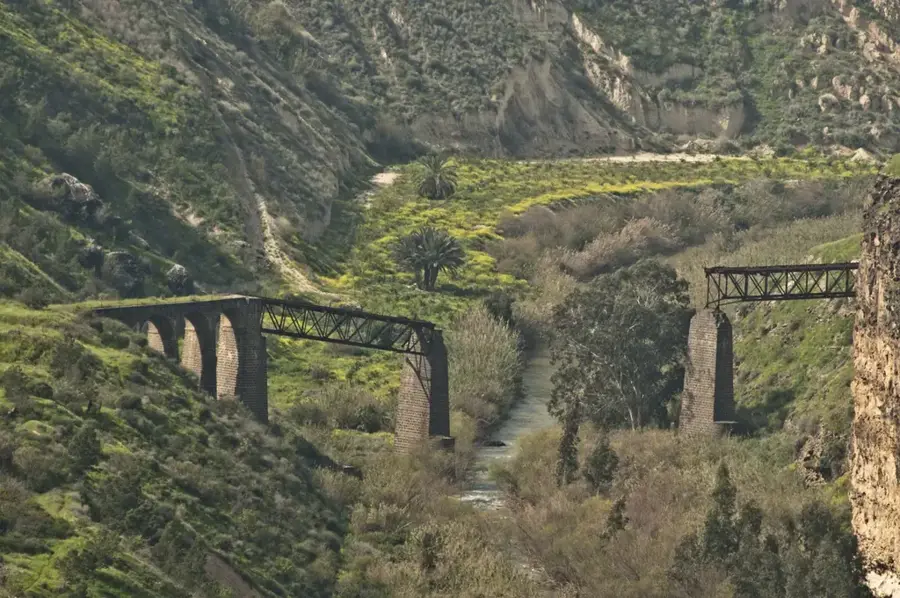
Pella, located in the Jordan Valley, is one of Jordan's historically richest archaeological sites, with continuous habitation for over 6,000 years. The city was an important member of the ancient Decapolis and flourished especially during the Hellenistic and Roman periods. Excavations have revealed remains from the Chalcolithic, Bronze, and Iron Ages, demonstrating its strategic importance along trade routes. In 70 AD, Pella served as a refuge for Christians fleeing Jerusalem during the First Jewish-Roman War. The site features impressive ruins of Byzantine churches with well-preserved mosaic floors and a Roman-era odeon. In 635 AD, the Battle of Pella took place here, where the forces of the Rashidun Caliphate defeated the Byzantines. Despite a major earthquake in 749 AD that destroyed much of the city, the area remained inhabited well into the Mamluk period.

Best time to visit & climate

The most pleasant time to visit is Apr, May, Oct.

JanFebMarAprMayJunJulAugSepOctNovDec
Avg °C111215192327292927241813
Rain mm9379402061012124079

📋 Practical info

🚪
Visiting
Visitors have the exceptional opportunity to walk directly through the extensive archaeological excavations that span thousands of years of human settlement. The outdoor ruins feature impressive remnants that visually showcase over six millennia of continuous history.
🕒
Typical hours
Archaeological sites of this nature are typically open to the public daily from early morning until just before sunset. It is highly recommended to start your exploration earlier in the day to avoid the intense afternoon heat of the Jordan Valley.
📷
Photography
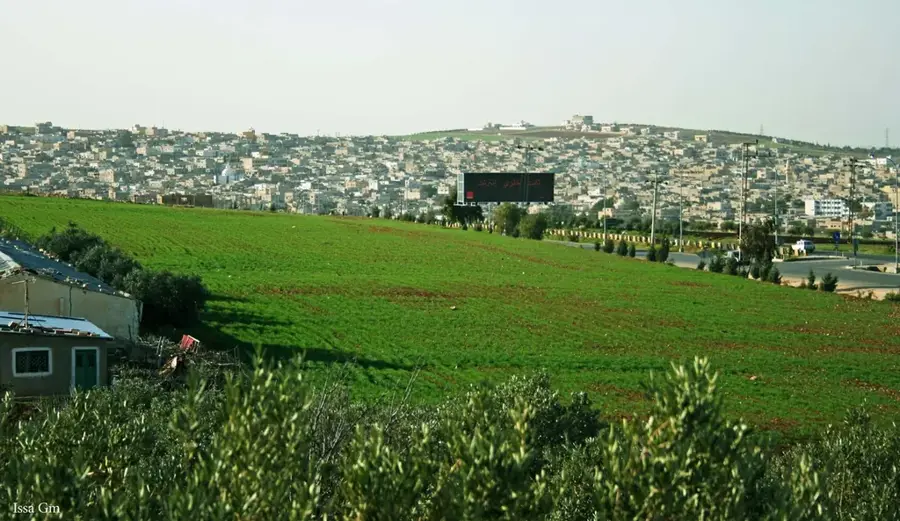
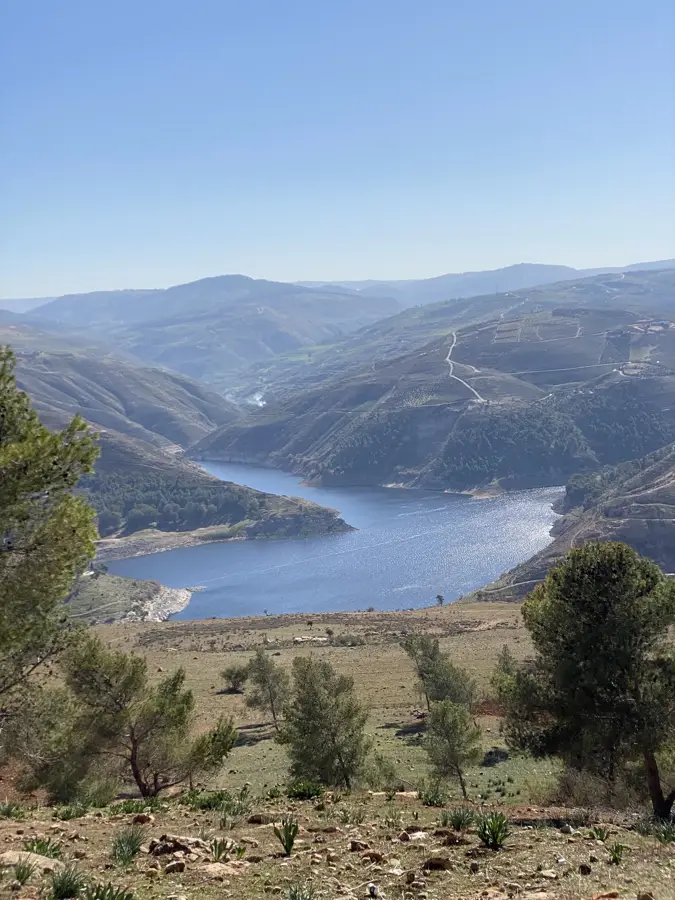
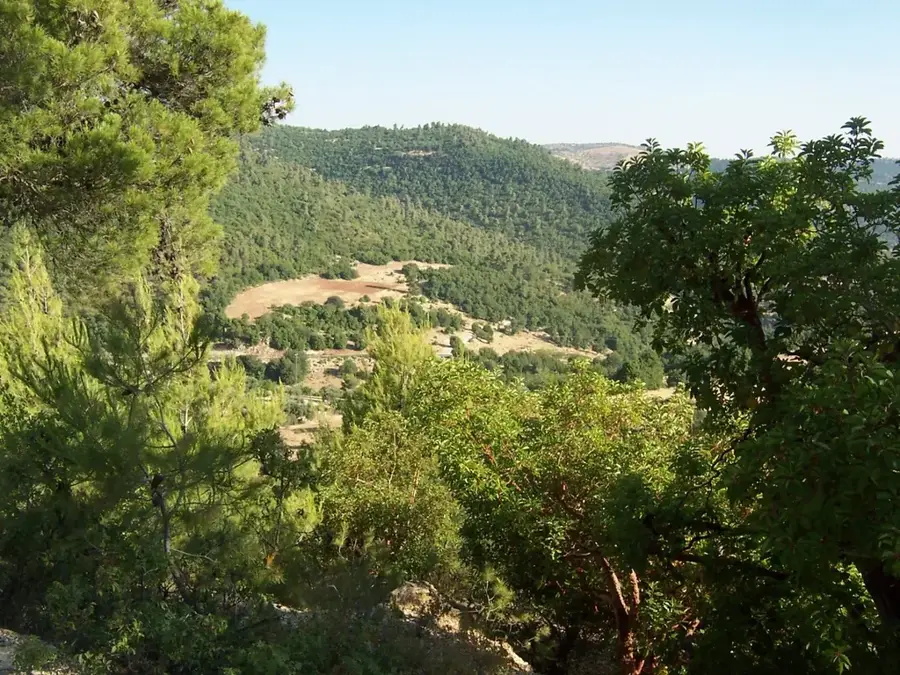
The vast historical landscape set against the dramatic backdrop of the rolling valley provides extraordinary material for both wide-angle architectural and landscape photography. The warm hues of the golden hour bring out incredible textures in the ancient stones.
⏱️
Time needed
Dedicated history enthusiasts should plan to spend roughly two to three hours systematically traversing the sprawling excavation areas. Even a more casual walk through the primary visible structures will generally require at least an hour to fully appreciate.
Combine with
The valley location makes it a highly rewarding stop while traveling between the capital city and the renowned northern archaeological highlights of the country. Exploring multiple ancient ruins in this historically rich region creates a deeply fulfilling itinerary.
🧭
Getting there
Reaching the destination is most comfortably achieved by using a private car, a hired driver, or an organized guided tour traversing the Jordan Valley highway. Adequate parking is normally available situated conveniently near the main archaeological entrance.
💡
Insider tip
Sturdy, close-toed hiking shoes are absolutely essential for navigating the uneven ground, scattered stones, and dirt trails winding through the historic remnants. Hiring a knowledgeable local guide on-site can significantly enhance your understanding of the ruins.

Geography

Coordinates
32.45000, 35.61110

Facts

  • Continuously inhabited since the Neolithic (c. 6,000 BC).
  • Once the capital of the Ptolemaic province in the Jordan Valley.
  • Refuge for the Christian community during the destruction of Jerusalem.
  • Site of the Battle of Pella in 635 AD.
  • Major parts were destroyed by the 749 AD earthquake.
  • Contains remains of a Canaanite temple from the Bronze Age.

Explore nearby

Notable places around
Route planner — Car & Motorhome

Where do you start? We build the route here, with stops and country notes along the way.

Vehicle
Only stops with (optional):

© OpenStreetMap contributors · OpenRouteService

Sights in the town Pella (6)

Tel `Artal🏺 historical

Archaeological mound in the Jordan Valley containing settlement traces from the Bronze and Iron Ages.

Al Kharijah🏺 historical

Historical ruins near Pella that offer a glimpse into rural ancient architecture.

Beit Idis church🏺 historical

Ruins of a Byzantine church in Beit Idis, known for its intricate mosaic fragments.

Pella Ruins & Resthouse📍 landmark

Visitor spot at the Pella ruins offering views over the excavations of the ancient city.

Natural Arch📍 landmark

A striking natural rock formation in the shape of an arch in the mountains of northern Jordan.

Jordan River Border Crossing📍 landmark

An important border point at the Jordan River connecting Jordan and Israel via the Sheikh Hussein Bridge.

Sights nearby

Frequently asked questions

What is Pella?
An ancient ruined city in the Jordan Valley that was part of the Decapolis.
When is the best time to visit Pella?
In spring (March-April), when the valley is green and temperatures are pleasant.
Is there accommodation nearby?
The Pella Resthouse gives simple accommodation and meals right by the ruins.
Is entry included in the Jordan Pass?
Yes, Jordan Pass holders have free entry to this archaeological site.
Which civilizations lived here?
The history ranges from the Bronze Age through the Romans to the Islamic era.
Pella: where is it located?
Pella is located in Jordan.
Pella: what is there to see?
Highlights include Tel `Artal, Al Kharijah, Beit Idis church.
Pella: when is the best time to visit?
The most pleasant time to visit is Apr, May, Oct.
Pella: why is it worth visiting?
Pella, located in the Jordan Valley, is one of Jordan's historically richest archaeological sites, with continuous habitation for over 6,000 years.
View on map → The Top 50 Attractions → OpenStreetMap →
Asia
Explore with Plizio Discover more places in Asia
More places in Jordan →

Nearby cities

History & landmarks
Nature
More places