Plizio Visual Lab

Behistun Inscription
Plizio editorial teamData Sources
monument
—°4
Behistun Inscription (Iran)

Weather…

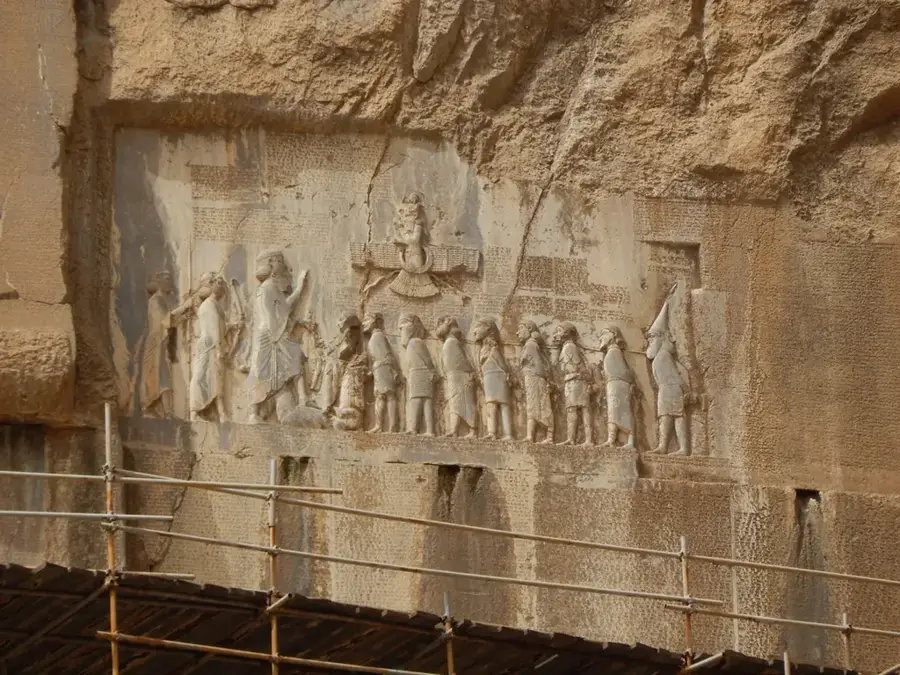
The Behistun Inscription, located in the Kermanshah province, is one of the most significant historical monuments in the world, often compared to the Rosetta Stone for its role in deciphering ancient languages. Carved into a limestone cliff about 100 meters above the ground around 521 BC, it was commissioned by Darius the Great to commemorate his victories and legitimize his reign. The inscription is written in three cuneiform scripts: Old Persian, Elamite, and Babylonian, providing a multilingual account of the empire's early history. A monumental relief above the text depicts King Darius receiving surrendered rebels under the watchful eye of the supreme deity Ahura Mazda. The 19th-century decipherment of this inscription by Henry Rawlinson was the key to unlocking the cuneiform script, allowing scholars to read ancient Mesopotamian and Persian records. Since 2006, Behistun has been a UNESCO World Heritage site, recognized for its exceptional cultural and linguistic value.

Best time to visit & climate

The most pleasant time to visit is May, Jun, Sep.

JanFebMarAprMayJunJulAugSepOctNovDec
Avg °C0261117242827221672
Rain mm43425253212102284840

📋 Practical info

🚪
Visiting
The Behistun Inscription is a monumental rock relief that can be viewed from a viewing platform; direct access to the rock face is not allowed. The site is an archaeological park with paths and information boards, open year-round.
🕒
Typical hours
The archaeological park is typically open daily from sunrise to sunset; exact hours may vary seasonally. Visiting early morning is recommended for the best light for photos and milder temperatures.
📷
Photography
Photography is allowed throughout the site, but flash use is prohibited near the relief to protect preservation. A zoom lens helps capture details of the inscription from a distance.
⏱️
Time needed
A visit to the Behistun Inscription typically takes one to two hours, including walking the site and reading information boards. For history enthusiasts, a longer stay is worthwhile to explore the surrounding ruins.
Combine with
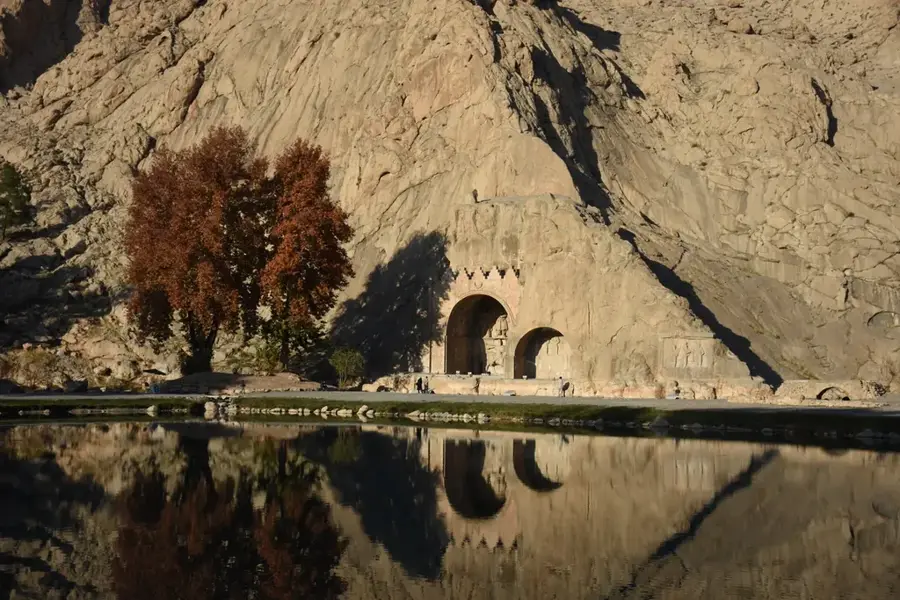
Combine the visit with the nearby town of Bisotun, which has a bazaar and an archaeological museum. The Sassanid complex of Taq-e Bostan, with similar rock reliefs, is about 30 kilometers away and can be easily combined.
🧭
Getting there
The Behistun Inscription is about 30 kilometers east of Kermanshah, along the main road to Hamadan. The best way to reach it is by taxi or rental car; buses from Kermanshah stop at the turnoff.
💡
Insider tip
Bring binoculars to better see the fine details of the inscription, visible from the platform high on the rock. Avoid visits during hot midday hours in summer; early morning or late afternoon are more comfortable.

Geography

Coordinates
34.38860, 47.43640

Facts

  • The inscription measures approximately 15 meters high by 25 meters wide.
  • It was strategically placed on a major trade route connecting Mesopotamia with Iran.
  • The steps leading up to the inscription were destroyed after completion to prevent tampering.
  • Deciphering the Old Persian section allowed for the eventual translation of Babylonian texts.
  • The relief includes figures of nine captured 'liar kings' who challenged Darius.
  • UNESCO inscribed the Behistun archaeological site on its World Heritage list in 2006.

Explore nearby

Notable places around
Route planner — Car & Motorhome

Where do you start? We build the route here, with stops and country notes along the way.

Vehicle
Only stops with (optional):

© OpenStreetMap contributors · OpenRouteService

Sights in the town Behistun Inscription (4)

Hercules statue📍 landmark

The Hercules statue is a famous attraction carved out of stone in Bisotun.

Farhad Tarash📍 landmark

Farhad Tarash is a large historical rock face attraction in the Bisotun region.

Bisotun Caravanserai📍 landmark

Bisotun Caravanserai is an ancient attraction providing insight into historical trade routes in Bisotun.

Bisotun UNESCO World Heritage Site🏺 historical

The Bisotun World Heritage Site is an archaeological area renowned for its ancient rock reliefs in Iran.

Sights nearby

Frequently asked questions

What is the Behistun Inscription?
A multilingual rock relief by Darius I that was crucial for deciphering cuneiform script.
Where exactly is the site located?
On the old caravan route between Hamadan and Kermanshah at the foot of Mount Bisotun.
Do you need to hike to see the inscription?
A short, moderate climb on paved paths is necessary to get close to the relief.
Are there other sights in Bisotun?
Yes, the site also includes the Hercules statue, a caravanserai, and Sassanid ruins.
Are the inscriptions clearly legible?
From the ground, binoculars are helpful as the main panel is located high up on the rock face.
Behistun Inscription: where is it located?
Behistun Inscription is located in Iran.
Behistun Inscription: what is there to see?
Highlights include Hercules statue, Farhad Tarash, Bisotun Caravanserai.
Behistun Inscription: when is the best time to visit?
The most pleasant time to visit is May, Jun, Sep.
Behistun Inscription: why is it worth visiting?
The Behistun Inscription, located in the Kermanshah province, is one of the most significant historical monuments in the world, often compared to the Rosetta Stone for its role in deciphering ancient languages.
View on map → The Top 50 Attractions → OpenStreetMap →
Asia
Explore with Plizio Discover more places in Asia
More places in Iran →

More places